By Ethan Howard
October 29, 2026
Invisible threats lurk beneath residential foundations, presenting health risks to building occupants. Soil emits a radioactive, colorless, and odorless gas as uranium decays within the earth. This gas rises through the ground, finding pathways into basements and crawlspaces through minute cracks and unsealed joints. Without proper ventilation, harmful particles accumulate in the lower levels of a property, saturating the indoor air breathed by residents.
Addressing this hidden danger requires a mechanical intervention designed to alter airflow dynamics beneath a structure. Passive ventilation alone fails to reduce gas concentrations in most homes, necessitating active, motorized solutions. Property owners must understand the science of soil depressurization to comprehend the extraction process. Interconnected components work in unison to intercept the hazardous air before it breaches the living environment.
Understanding the Collection Phase
The primary goal of a radon mitigation system involves capturing the toxic gas before it infiltrates the property foundation. Beneath the concrete slab, porous materials like gravel allow soil gases to move. When atmospheric pressure inside a house drops below the pressure in the soil, the building acts like a vacuum, pulling gas inward. Creating an alternative pathway for this gas remains paramount.
To initiate collection, technicians drill a suction hole through the lowest concrete floor in the building. This penetration reaches the crushed rock or soil situated beneath the slab. Technicians excavate a small pit beneath the hole to maximize surface area for gas extraction. This cavity serves as the central collection point where soil gases gather under the influence of negative pressure.
Awareness of the underlying danger highlights the necessity of this initial extraction step. According to Harvard, 25% of Americans are exposed to dangerous levels of radon. Removing the gas from beneath floorboards mitigates this severe exposure risk for home occupants. The collection pit acts as a trap, drawing particles away from foundation crevices and guiding them toward the extraction point.
A durable polyvinyl chloride pipe inserts into the designated suction hole, forming an airtight seal with the surrounding concrete floor. Polyurethane caulking prevents indoor air from seeping down and stops soil gas from escaping into the basement. This specific pipe connection represents the origin point of the structural venting network, anchoring the infrastructure in place.
Examining the Ventilation Phase
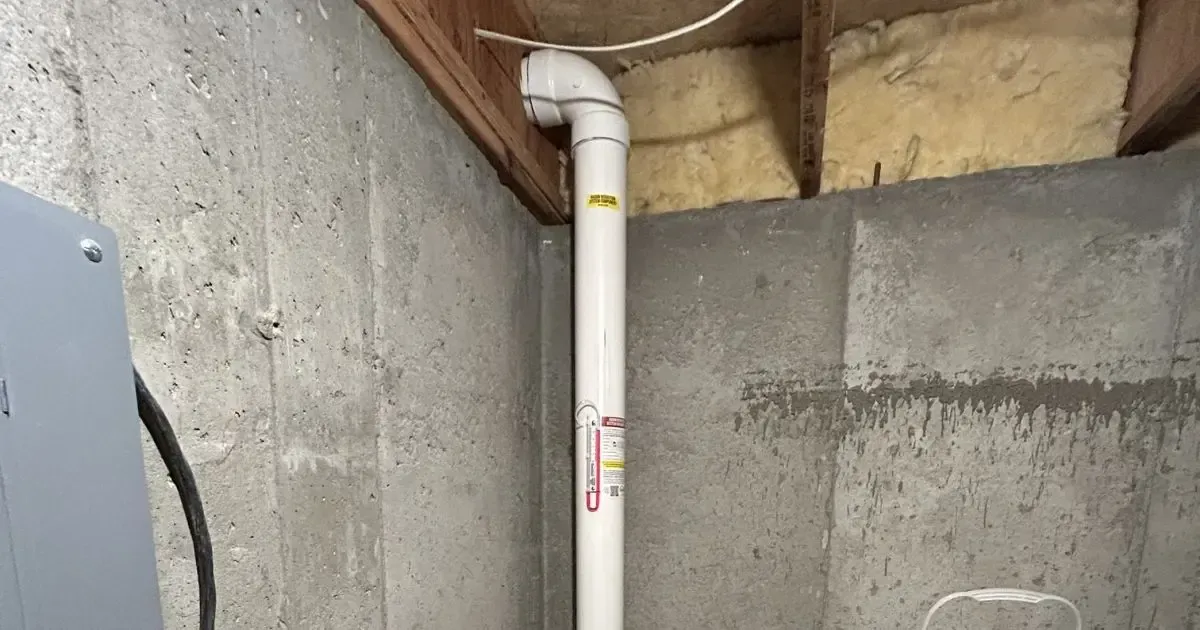
Once the pipe secures soil gas from the foundation pit, a network of solid tubing routes the harmful air upward through the house. Structural layout determines the optimal path for the piping network. The vertical pipe run stretches from the basement level, up through internal framing of the property, aiming for the highest roofline. This internal routing conceals the infrastructure in finished living spaces.
Sometimes, routing pipes through the interior of a property proves impossible due to architectural constraints. In these scenarios, the pipe exits the basement wall and travels up the exterior siding of the structure. The outer routing approach requires durable materials capable of withstanding extreme weather fluctuations. The main vertical pipe maintains a consistent upward trajectory to ensure uninterrupted gas flow.
Maintaining a sealed pathway throughout the upward journey prevents hazardous gas from leaking back into the house. Joints connecting various pipe sections receive applications of chemical solvent cement to fuse the plastic pieces. A secure, impermeable channel is an essential feature of a high-quality radon mitigation system because it isolates radioactive particles from the breathable indoor air.
Slope and gravity play critical roles during the ventilation stage. The pipe structure must maintain a slight downward angle toward the foundation suction point. During colder months, condensation forms inside the plastic tubing as warm soil gas meets cold outside air. The intentional slope allows condensed water droplets to drain back down into the soil, preventing liquid blockages.
Analyzing the Extraction Phase
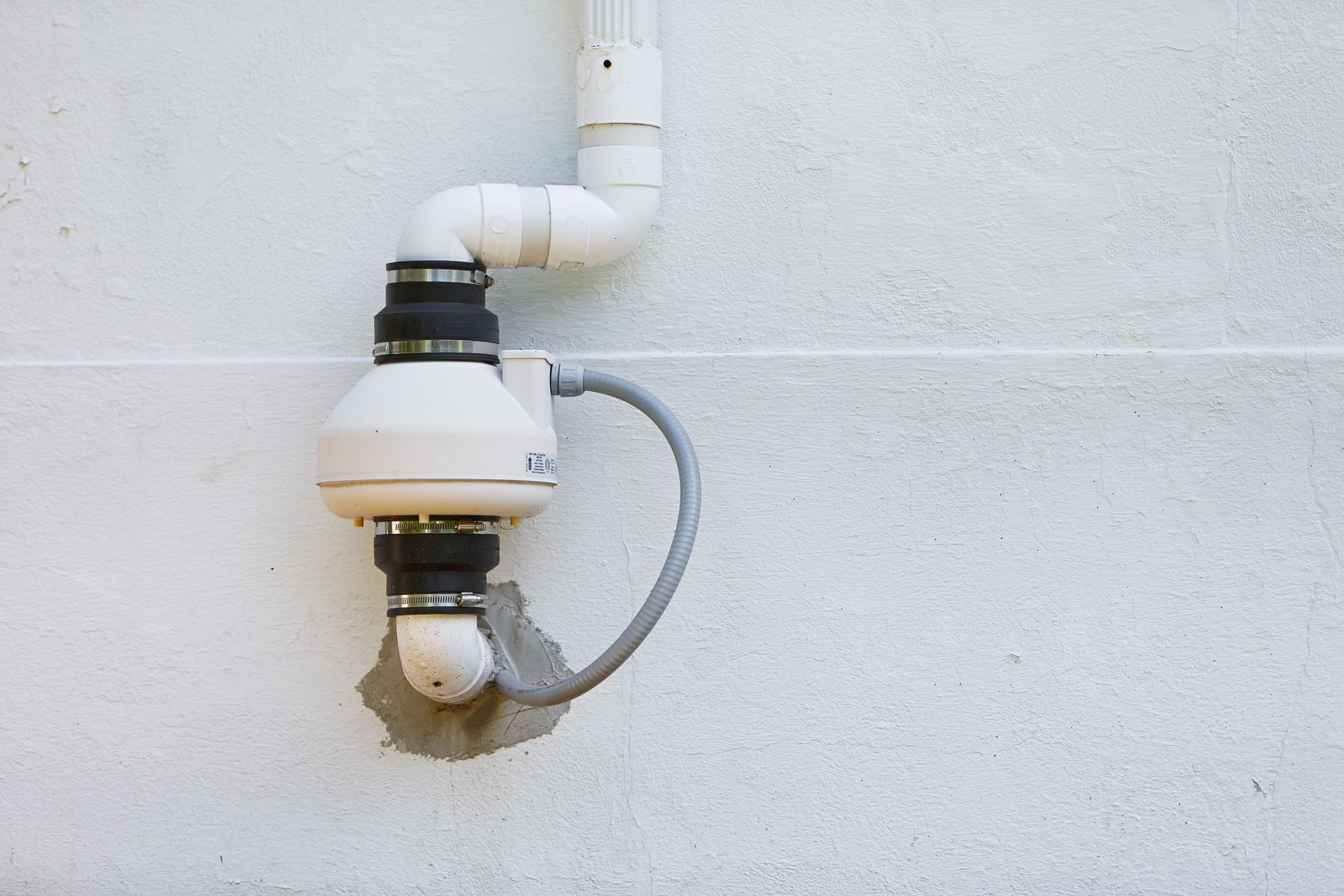
The driving force of a standard radon mitigation system relies on an inline centrifugal fan installed within the pipe network. Without this motorized component, captured soil gas would remain stagnant within the foundation pit. The fan generates necessary suction, pulling air up through pipes and pushing it out into the atmosphere. This mechanical draw creates the active soil depressurization needed for success.
Installers place the motorized fan in specific locations to protect the indoor air quality of the property. Building codes dictate the fan must reside in an unconditioned space, such as an attic, or on the exterior of the building. Placing the fan in a basement or living area creates unacceptable risks. If a pipe leak occurs, positive pressure would force toxic gas indoors.
By keeping the motorized fan outside the living envelope, potential leaks in the pressurized pipe vent into open air. The fan operates without interruption, running day and night to maintain a constant vacuum beneath the slab. The motor in a dedicated radon mitigation system features a durable, energy-efficient design intended for years of nonstop operation without overheating or burning out.
The fan terminates at an exhaust point positioned high above the roofline. Discharging collected gas above the roof ensures toxic particles disperse without harm into the upper atmosphere. The exhaust point must clear all windows, doors, and air intakes to prevent expelled gas from re-entering the building structure. High-velocity air blasts keep the pipe clear, omitting the need for rain caps.
Maintaining the Reduction Phase
After initial installation, verifying the performance of the mechanical vacuum is vital for long-term health and safety. Every functional radon mitigation system includes a visible monitoring device called a manometer, installed on the vertical pipe in the basement. This simple gauge allows property owners to confirm active suction status with a quick glance. The manometer requires no electricity, relying on pressure differentials.
A small, flexible tube connects the plastic manometer body to the interior of the primary ventilation pipe. The gauge contains a non-toxic liquid, dyed a bright color for visibility, resting in a U-shaped channel. When the exhaust fan generates suction within the pipe network, the vacuum pulls the liquid up one side of the channel. Uneven liquid levels provide visual confirmation of active depressurization.
If the liquid levels in the manometer rest at an equal height on both sides of the gauge, active suction has failed. Equal liquid columns indicate a loss of vacuum, meaning the fan motor requires replacement or the pipe has suffered a severe blockage. Property occupants monitor this gauge on a routine basis to ensure the mechanical apparatus continues operating. Routine observation prevents prolonged exposure to radioactive gas.
Alongside monitoring the manometer, maintaining the foundation seal ensures optimal long-term performance. Foundation concrete settles and cracks over time, creating new entry points for soil gases and reducing the efficiency of the mechanical suction. Sealing new foundation cracks with polyurethane caulking forces the mechanical setup to pull air from the soil rather than drawing conditioned air out of the basement. Consistent maintenance preserves the protective barrier.
Protecting indoor air quality from underground radiation requires a continuous, active approach to soil gas management. A well-designed radon mitigation system transforms the airflow beneath a foundation, shifting the path of least resistance away from living areas. By collecting radioactive gas in a central pit, routing it through sealed piping, and exhausting it above the roofline, this technology neutralizes an invisible threat.
Safeguarding residential properties involves more than passive hopes; it demands mechanical engineering applied to environmental hazards. Extracting hazardous particles from the soil ensures air circulating within a home remains clean and breathable. Understanding the mechanics of collection, ventilation, and extraction empowers property owners to maintain a healthy indoor environment. The seamless operation of this structural apparatus provides enduring peace of mind for occupants above ground. At Radon Be Gone, we are ready to protect your family's health by installing a customized radon mitigation system in your home. Contact our team today to schedule an evaluation and secure a healthier indoor environment.