A
radon mitigation system does its job quietly, running in the background year after year. That quiet is exactly why it’s easy to forget about, until something stops working and no one notices for months. A few minutes of checking each year makes the difference. It separates a system that protects your home reliably from one that’s been silently failing since last spring.
Homeowners often assume that once a system is installed, the job is done. In reality, a mitigation system is a piece of mechanical equipment. Like any equipment, it needs a quick look now and then to confirm it’s still doing its job.
This guide walks through why annual checks matter, what to look for, and when a problem calls for a professional instead of a DIY fix.
Get a Free Quote
Why Annual Maintenance Matters
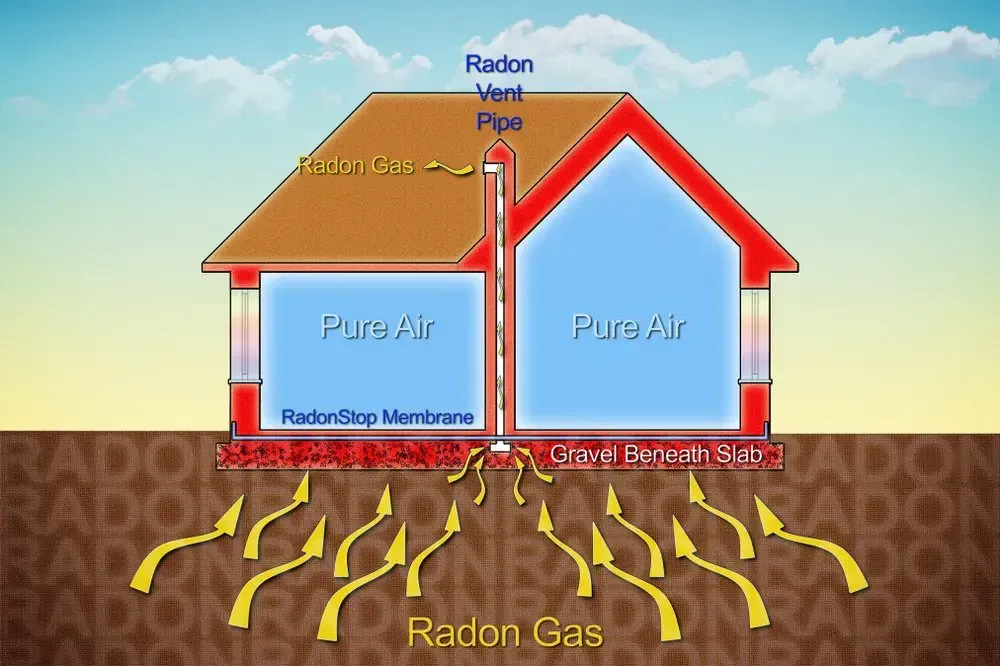
A radon mitigation system has one job: pull radon gas from beneath your home and vent it safely outside before it builds up indoors. That job depends on a fan running continuously, a sealed pipe system, and clear vents. Any one of those failing can let radon levels climb right back to where they started, without any visible sign inside the house.
Unlike a smoke detector, a failed radon system doesn’t beep. Nothing about a broken fan looks obviously different from a working one unless you know what to check. Radon itself gives no warning either, since it has no smell, color, or taste of its own. That combination, a silent gas and a silent failure, is exactly why a short annual routine matters more than most homeowners realize.
How Often to Inspect Your System
Check your system at least once a year, ideally as part of your
spring radon check-up routine, after winter weather has had a chance to affect pipes, vents, and outdoor fan units. Beyond the yearly check, glance at your manometer every few months. It takes seconds and catches problems long before an annual inspection would.
Certain events call for an inspection outside your normal schedule:
- After a major storm, heavy snowfall, or ice event
- Following any home renovation near the foundation or attic
- After a power outage lasting more than a few hours
- If you notice any unusual sound, smell, or change near the system
Signs Your System Is Working (and Signs It Isn't)
Most of what your radon system tells you comes through two channels: the manometer and the fan. Learning to read both takes less time than making a cup of coffee.
Signs Your System Is Working
A properly functioning system shows a few consistent signs:
- The fan produces a steady, low hum when you place your hand near the pipe or fan housing
- Colored liquid in the manometer sits unevenly between the two sides of the U-tube
- The exterior vent pipe shows no visible cracks, blockages, or disconnected joints
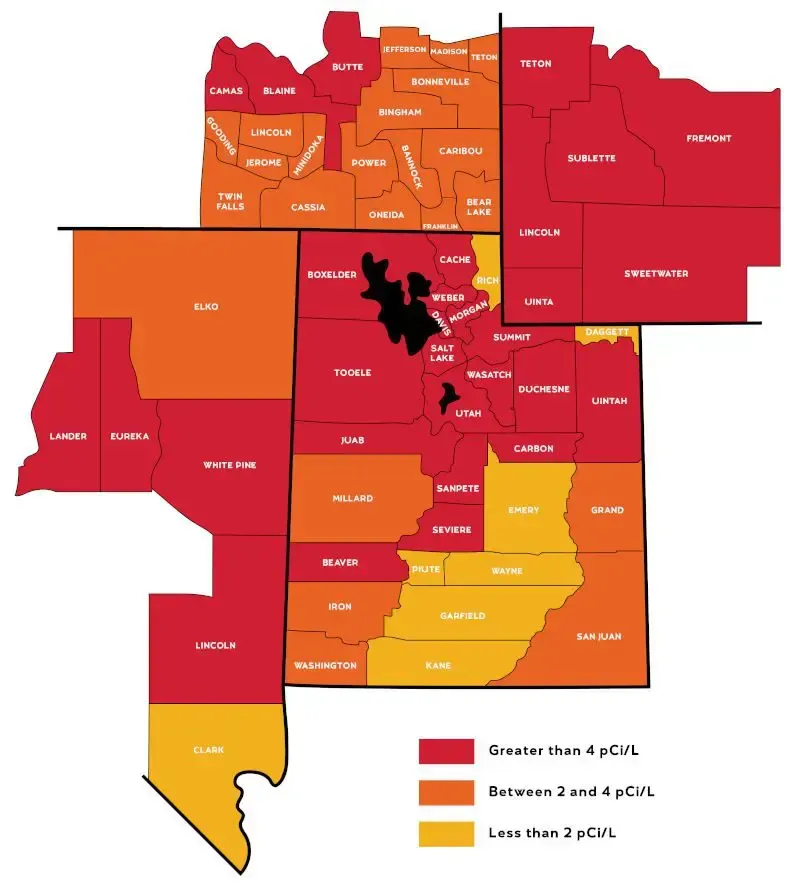
- Your most recent radon test came back below the
action threshold of 4.0 pCi/L
Common Warning Signs
A few signals should prompt a closer look right away:
- Silence where you’d normally hear the fan running
- A manometer with liquid sitting level on both sides, indicating no airflow
- A sudden change in fan sound, like a new rattle, whine, or grinding noise
- Visible ice buildup, cracks, or disconnected sections on the exterior vent pipe
- A recent radon test that came back higher than your last one
Your Annual Maintenance Checklist
A full annual check takes most homeowners under fifteen minutes. Walk through each step in order.
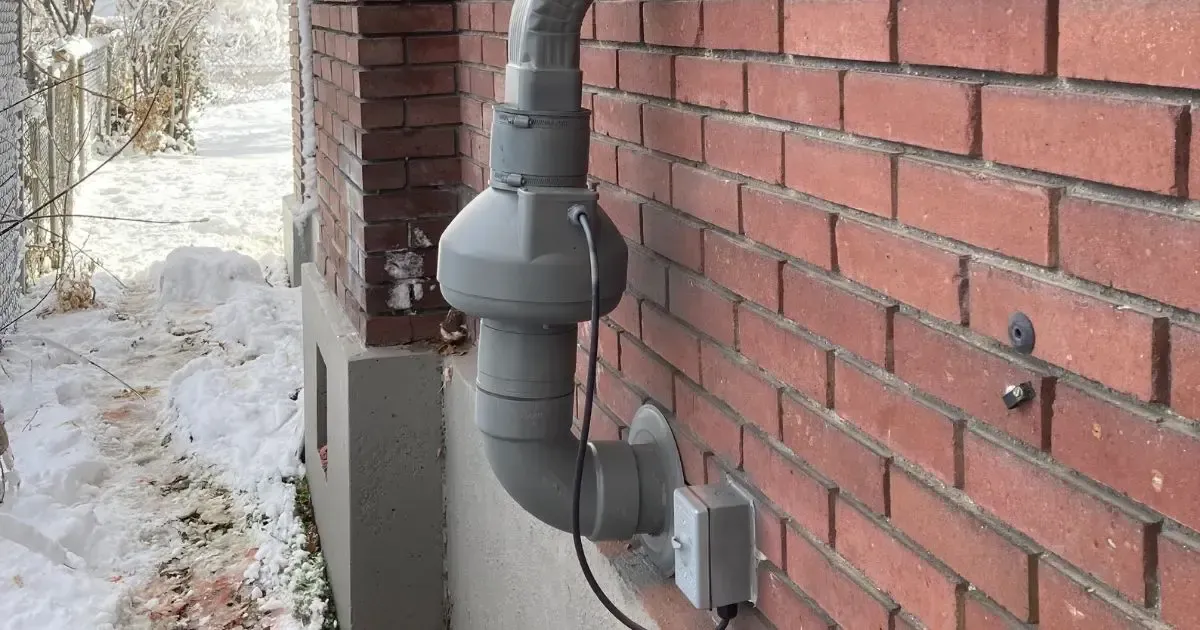
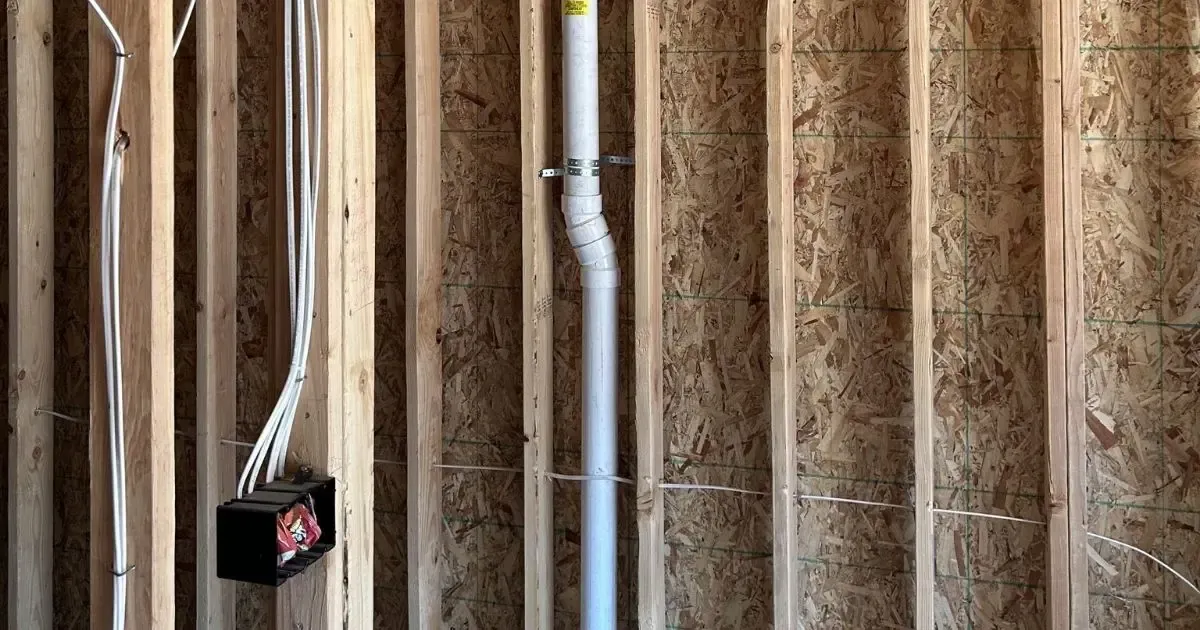
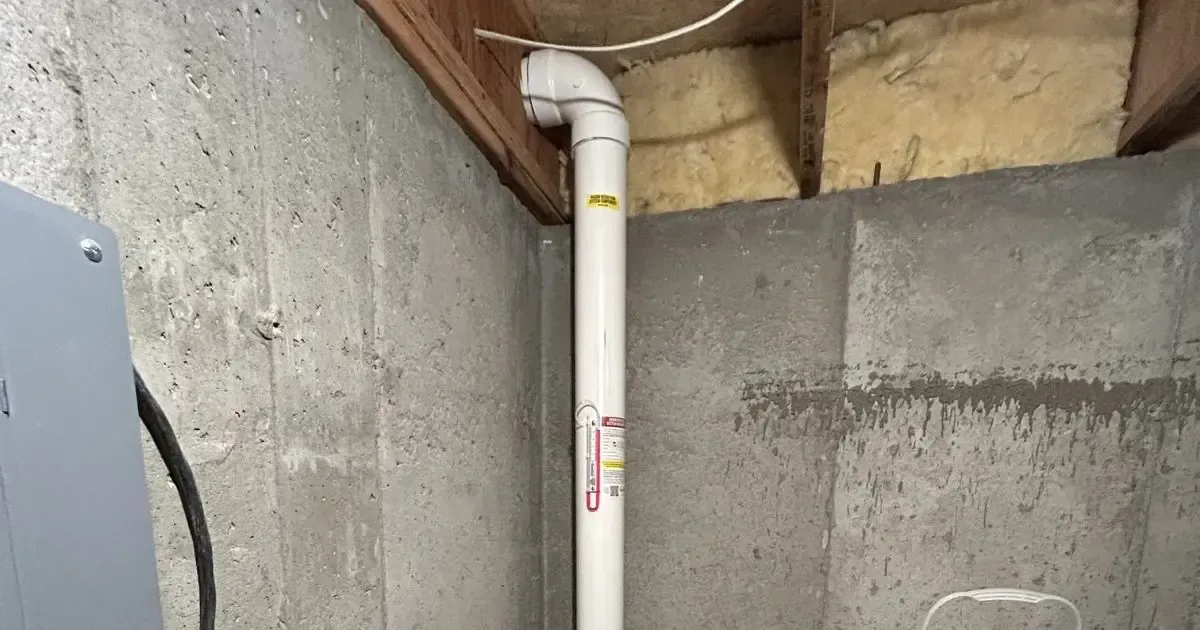
- Locate your system. Most systems run from the basement, crawl space, or slab up through the attic and out the roof, or up the side of the exterior wall.
- Check the manometer. Confirm the liquid levels sit unevenly, not flat.
- Listen for the fan. Place your hand near the pipe to feel for vibration if you can’t hear it clearly.
- Inspect the exterior vent. Look for cracks, disconnected joints, or blockages from leaves, snow, or debris.
- Check the attic run, if applicable. Look for any visible damage to the pipe where it passes through the attic space.
- Review your last test result. Confirm it’s still below 4.0 pCi/L and note the date for your records.
Reading the Manometer
The manometer is a small U-shaped tube filled with colored liquid, usually mounted on the pipe near the fan or in the basement utility area. It measures air pressure inside the pipe, which tells you if the fan is actively pulling air.
When the fan runs correctly, the liquid inside the tube sits at different heights on each side, creating a candy-cane-shaped curve. When the fan stops running, the pressure difference disappears, and the liquid settles to a level on both sides. A level reading is the clearest sign your fan has stopped working and needs attention.
Is Your Fan Working?
Beyond the manometer, a quick physical check confirms what you’re seeing. Place your hand flat against the pipe near the fan housing. A working fan produces a faint vibration you can feel even if the sound is quiet. No vibration at all, paired with a level manometer reading, points directly to a fan that has stopped running.
Common Fan Problems
Fans are mechanical, and mechanical parts wear out. Most radon fans last between 5 and 15 years, depending on the model, climate exposure, and how many hours it runs continuously. A handful of predictable issues account for the majority of service calls. Knowing them ahead of time means you’ll recognize a problem the moment it starts instead of months later.
Fan Noise
Consistent, quiet humming is normal. A new rattle, whine, grinding sound, or noticeably louder operation usually signals a failing bearing or a fan reaching the end of its lifespan. Fan noise rarely resolves on its own and tends to get louder, not quieter, over time.
Water in Pipes
Condensation can collect inside radon pipes, especially in colder climates or during seasonal temperature swings. A gurgling sound near an elbow or low point in the pipe often means water has pooled and is partially blocking airflow. This usually points to a pitch or drainage issue in the original installation rather than a fan problem. It’s covered in more detail in our
troubleshooting guide.
Frozen Vent Pipes
Utah winters can freeze condensation inside exterior vent pipes, particularly at the point where the pipe exits the roof or wall. A frozen blockage restricts airflow the same way a physical obstruction would. If you notice reduced airflow after a hard freeze, check the exterior vent opening for visible ice once temperatures rise.
Power Outages
A radon fan runs on standard household power, and any outage stops it immediately. Fans generally restart on their own once power returns. Breakers and GFCI outlets sometimes trip during an outage, though, and need to be manually reset. If your fan stays silent after power comes back, check the dedicated breaker and any nearby GFCI outlet before assuming the fan itself has failed.
When to Retest Your Radon Levels
Testing confirms what your visual and mechanical checks suggest. Retest your home in these situations:
- Once a year, as part of your standard annual maintenance routine
- Immediately after any fan replacement or system repair
- If your manometer shows a level reading for more than a day or two
- After any major renovation near the foundation, attic, or crawl space
- Before
selling your home, since buyers increasingly request current documentation
A
test kit takes just a few days to produce a reliable short-term reading. It’s the only way to confirm your system is actually keeping levels where they should be, not just running.
When to Replace the Fan
Radon fans typically last between 5 and 15 years, depending on the model, usage, and exposure to weather. A few signs indicate replacement time has arrived:
- The fan runs but sounds noticeably louder or rougher than it used to
- The manometer reading stays flat even though you can hear the fan operating
- A retest shows radon levels have crept upward despite no other changes to the system
- The fan is original to a system installed more than a decade ago
Replacing a fan before it fails avoids the gap in protection that comes with an unexpected outage. It’s also a far smaller expense, as our
mitigation cost guide shows, than diagnosing a radon spike months later.
Frequently Asked Questions
How long does a radon mitigation system last overall?
The piping and structural components of a properly installed system can last decades. The fan itself is the component most likely to need replacement, typically every 5 to 15 years.
Can I check my own system without professional help?
Yes. The manometer check, fan listening test, and visual vent inspection covered in this guide are all things a homeowner can do safely without any special tools.
What does it mean if my manometer reading is flat on both sides?
A flat, level reading means the fan has stopped creating airflow through the pipe. This could mean the fan has failed, lost power, or the small tube connecting the manometer to the pipe has come loose. Check the breaker and tube connection first, then contact a professional if the reading stays flat.
Is it normal to hear my radon fan running?
Yes. A quiet, steady hum is completely normal and is actually a good sign that the system is working. A sudden change in that sound, louder, rougher, or entirely silent, is what warrants a closer look.
Do I need to retest every year even if my system seems fine?
Yes. Visual and mechanical checks confirm the system appears to be running, but only a test confirms your actual radon level. Annual testing catches problems that a visual inspection alone would miss.
What should I do if I find a specific problem, like a gurgling pipe or a stuck sump cover?
Specific mechanical issues like these are covered step-by-step in our
troubleshooting guide, which walks through fixes for common scenarios beyond general maintenance.
When to Call Radon Be Gone
Some issues are simple enough to handle yourself: clearing debris from a vent, resetting a tripped breaker, or confirming a manometer reading. Others call for a
certified radon specialist.
Reach out to our team if you notice any of the following:
- Your manometer shows a level reading that doesn’t resolve after checking the breaker
- A retest comes back at or above 4.0 pCi/L despite an active system
- You hear grinding, rattling, or unusual fan noise that doesn’t go away
- You’re not confident diagnosing the issue yourself and want a professional opinion
Radon Be Gone has installed and serviced thousands of systems across Utah since 2008. Every system we install carries a lifetime transferable warranty. Our NRPP and AARST-certified technicians can diagnose a failing fan, a blocked pipe, or a system that’s simply reached the end of its service life, then fix it in a single visit in most cases.
Get a Free Quote
Order a Test Kit
![Blue periodic table tile for radon, element 86, with symbol Rn and mass [222].](https://le-cdn.hibuwebsites.com/09c3a4288d5947b58ca8220076f73b94/dms3rep/multi/opt/radon-periodic-table-rn-86-radon-be-gone-1920w.webp)