If you are unfamiliar, Radon is a colorless, odorless, and tasteless radioactive gas that occurs naturally in the environment. Radon causes lung cancer, in fact, it is the second leading cause of lung cancer after smoking. Radon gas is estimated to be responsible for thousands of lung cancer deaths each year. Despite the well-established link between radon exposure and lung cancer, many people are unaware of the dangers of this radioactive gas.
Get a Free Quote
Evidence of Radon Exposure Causing Lung Cancer
Numerous studies have found direct evidence linking radon exposure in homes to an increased risk of lung cancer. One such study, published in the journal Environmental Health Perspectives in 2013, analyzed data from the
American Cancer Society’s Cancer Prevention Study-II cohort. The study found that among never-smokers, those who lived in homes with high radon levels had a significantly increased risk of lung cancer. The risk was even higher among smokers who lived in homes with high radon levels.
Non-Smokers Get Lung Cancer from Radon
Another study, published in the journal Environmental Science & Technology in 2019, analyzed data from a nationwide survey of radon levels in homes in the United States. The study found that exposure to high levels of radon in homes was associated with an increased risk of lung cancer, even among those who had never smoked. The study also found that the risk of lung cancer increased with increasing levels of radon exposure.
A third study, published in the journal
Cancer Epidemiology, Biomarkers & Prevention in 2010, analyzed data from a case-control study of lung cancer in Missouri. The study found that individuals who had lived in homes with high radon levels had a significantly increased risk of lung cancer, even after controlling for smoking and other potential confounding factors.
These studies, and many others like them, provide strong evidence linking radon exposure in homes to an increased risk of lung cancer. Despite this evidence, many homes in the United States have not been tested for radon, and many people are unaware of the dangers of this radioactive gas.
Test Your Home for Radon
The
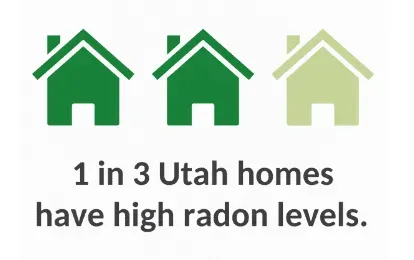
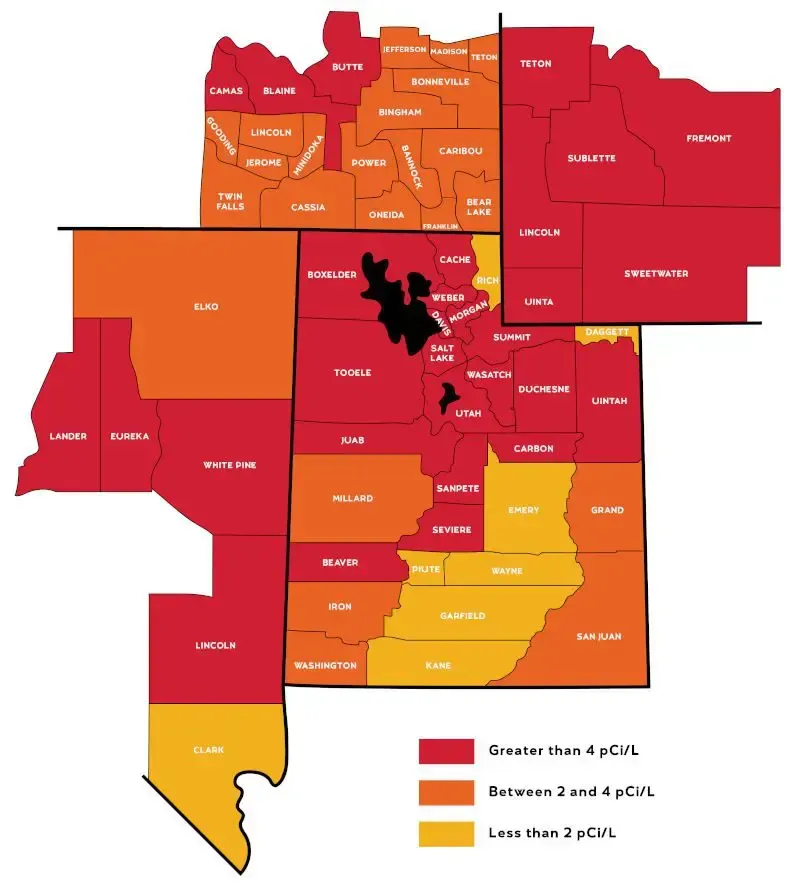
United States Environmental Protection Agency (EPA) recommends that all homes be tested for radon, and that homes with radon levels at or above 4 pCi/L (picocuries per liter) be mitigated to reduce radon levels. If between 2-4 pCi/L, the EPA suggests mitigation as well. The EPA estimates that as many as one in every 15 homes in the United States has elevated radon levels. In Utah, 1 in 3 homes has dangerous levels of radon.
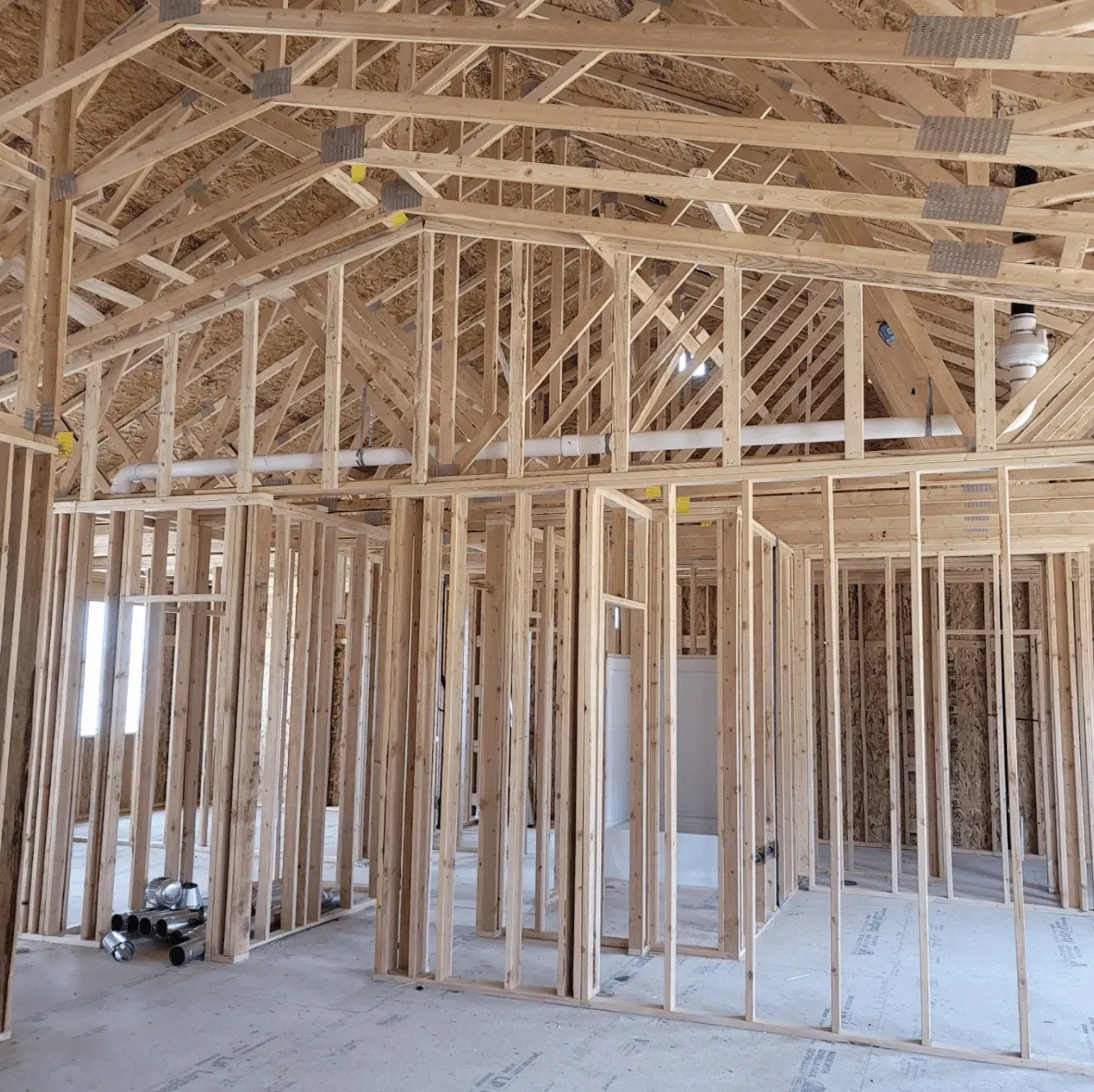
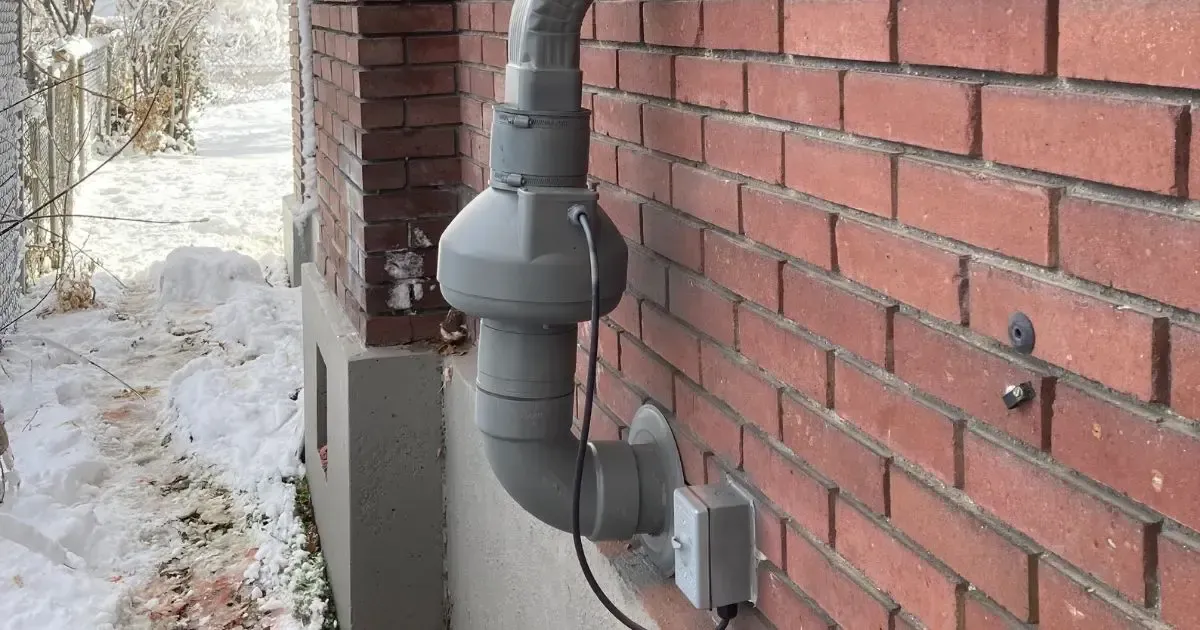
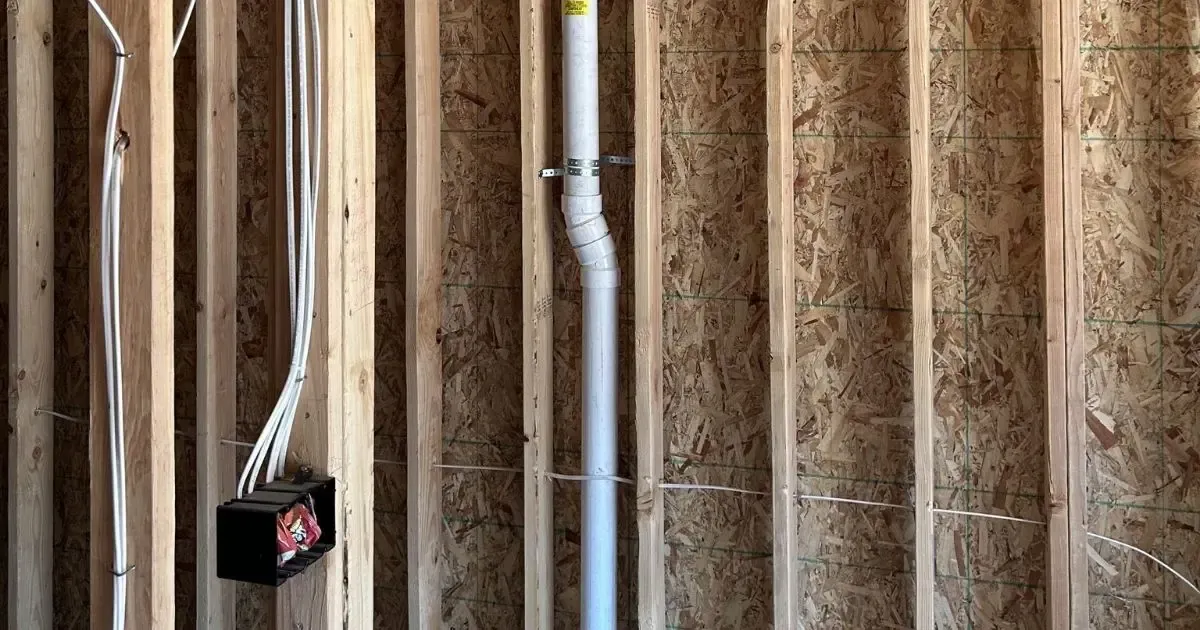
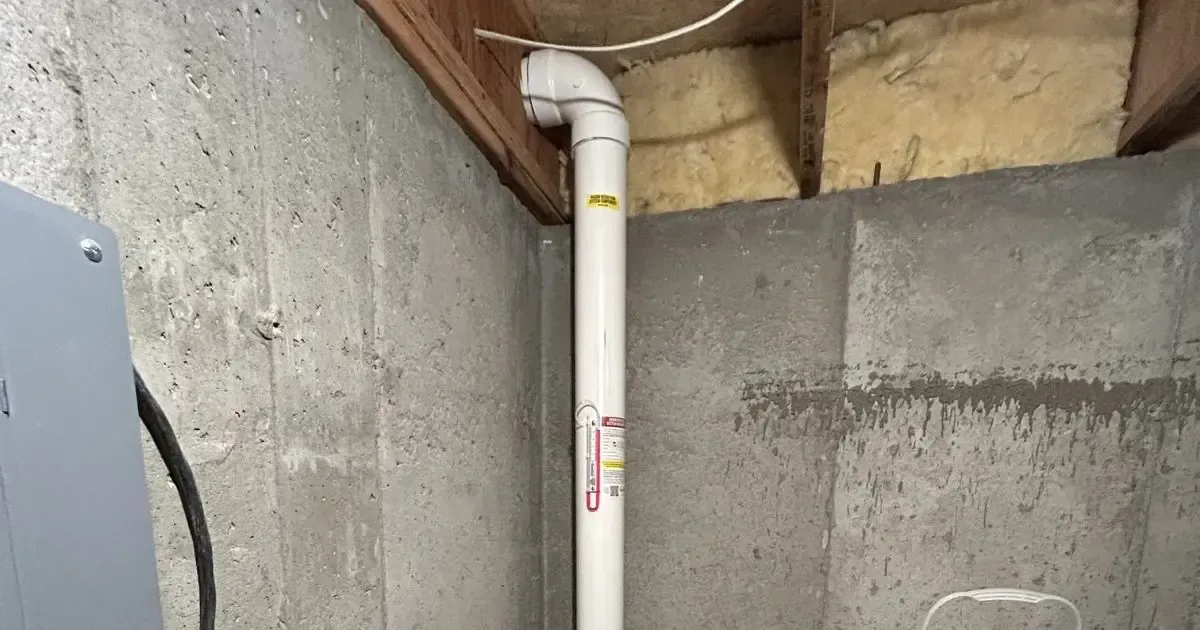
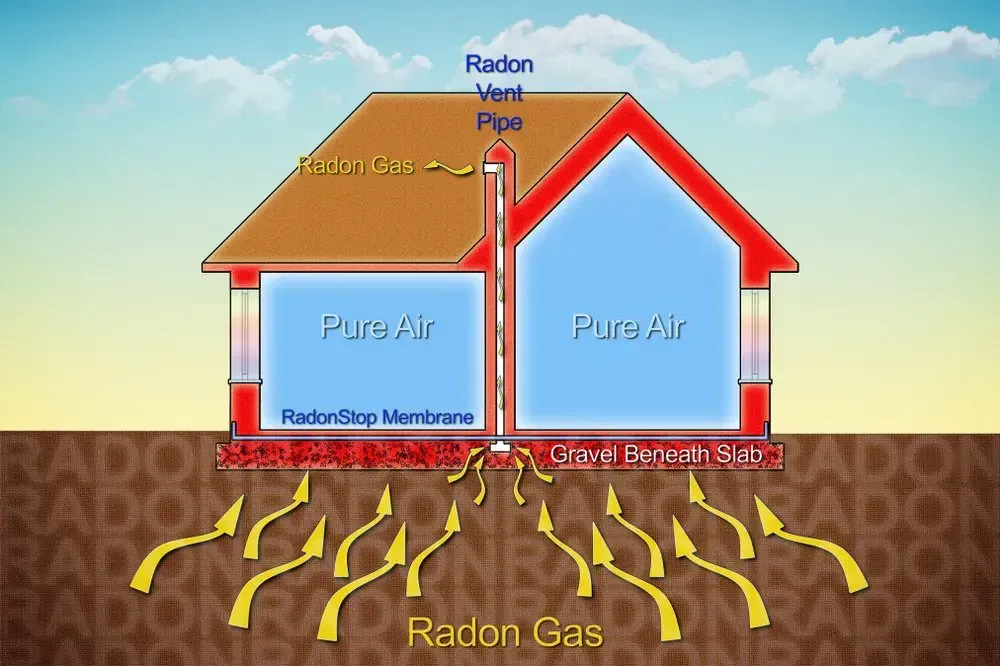
You can mitigate radon through a variety of techniques. These include soil suction, sealing cracks and other openings in the foundation, and installing a ventilation system. Radon mitigation is typically effective at reducing radon levels in the home to safe levels. It can greatly reduce the risk of lung cancer associated with radon exposure.
Order a Test Kit and test your home for radon.
Reduce Your Chances of Lung Cancer
In addition to testing and mitigation, there are several other steps that individuals can take to reduce their risk of radon exposure and lung cancer:
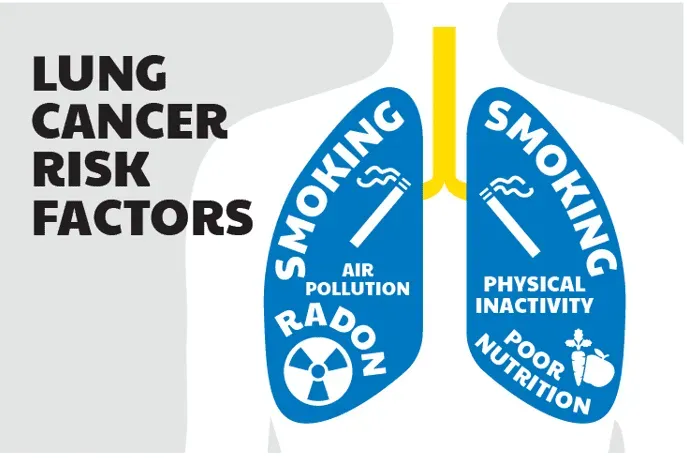
- Quit smoking. Smoking is the leading cause of lung cancer. It greatly increases the risk of lung cancer associated with radon exposure. Quitting smoking is the single most important step that individuals can take to reduce their risk of lung cancer.
- Increase ventilation. Increasing ventilation in the home by opening windows and using exhaust fans can help reduce radon levels.
- Seal cracks and other openings in the foundation. Sealing cracks and other openings in the foundation can help prevent radon from entering the home.
- Use a radon-resistant construction technique. Use radon-resistant construction techniques to prevent radon from entering the home during the construction process.
By taking these steps and testing for radon levels in their homes, you can reduce your risk of radon exposure lung cancer. It is important to take action to protect your health and wellbeing from this harmful radioactive gas. Contact Radon Be Gone and remove your radon with a radon mitigation system.
Get a Free Quote
![Blue periodic table tile for radon, element 86, with symbol Rn and mass [222].](https://le-cdn.hibuwebsites.com/09c3a4288d5947b58ca8220076f73b94/dms3rep/multi/opt/radon-periodic-table-rn-86-radon-be-gone-1920w.webp)