Radon is a radioactive gas that is present in the air we breathe. It is formed by the decay of uranium and thorium in the soil and rock beneath our homes. Radon gas is a significant health risk, as it is the second leading cause of lung cancer after smoking. In this article, we will share five interesting facts about radon that you may not have known before.
Get a Free Quote
Radon is Odorless and Colorless
Radon gas is odorless and colorless, which makes it difficult to detect without specialized equipment. You cannot see, smell, or taste radon gas. This is why it is important to test your home for radon levels regularly, even if you do not suspect that it is present.
Radon Levels Vary Depending on Location
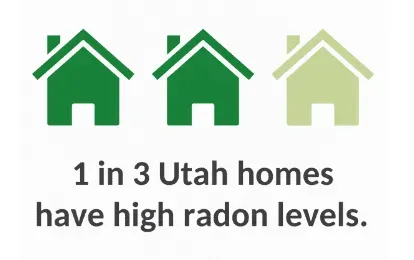
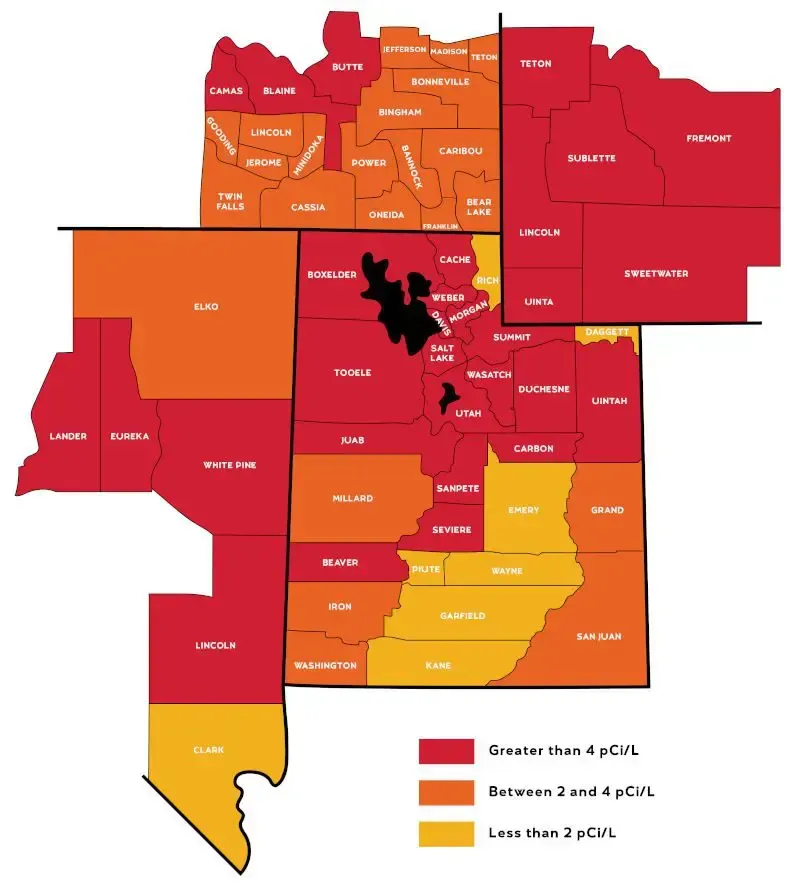
The levels of radon gas in the air can vary depending on where you live. Radon levels are generally higher in areas with a high concentration of uranium and thorium in the soil and rock. In the United States, the highest radon levels are found in the Midwest, the Northeast, and the Rocky Mountain states. However, radon can be present in any part of the country, and it is essential to test your home for radon levels regularly.
Radon is Heavier than Air
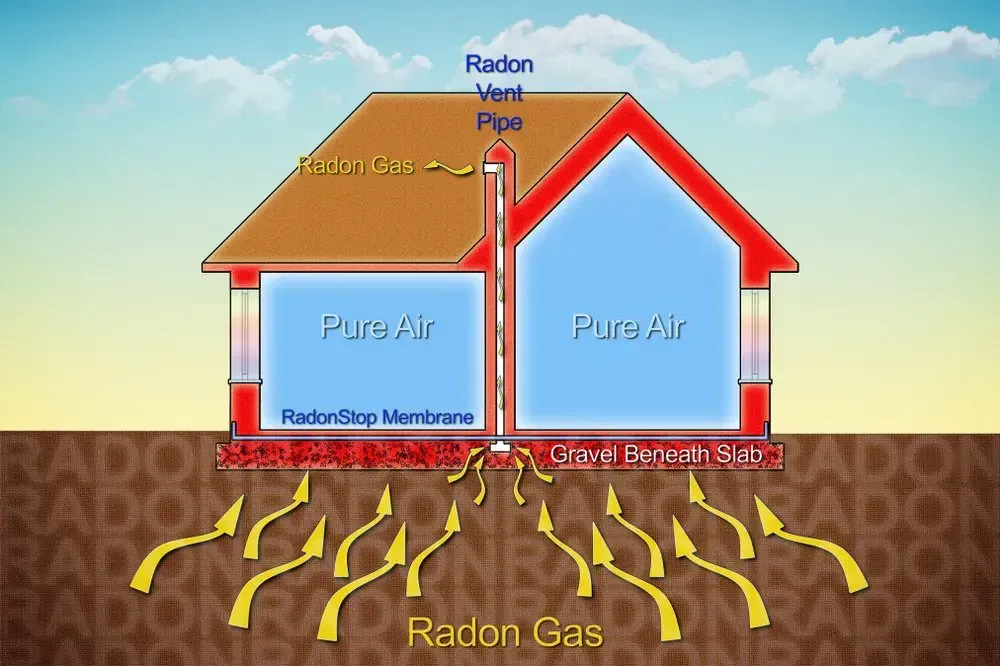
Radon gas is heavier than air, which means that it tends to accumulate in low-lying areas of your home, such as basements and crawl spaces. It can also seep into your home through cracks and gaps in the foundation or walls. This is why it is important to have a radon mitigation system installed in your home to prevent radon gas from accumulating.
Radon is a Leading Cause of Lung Cancer
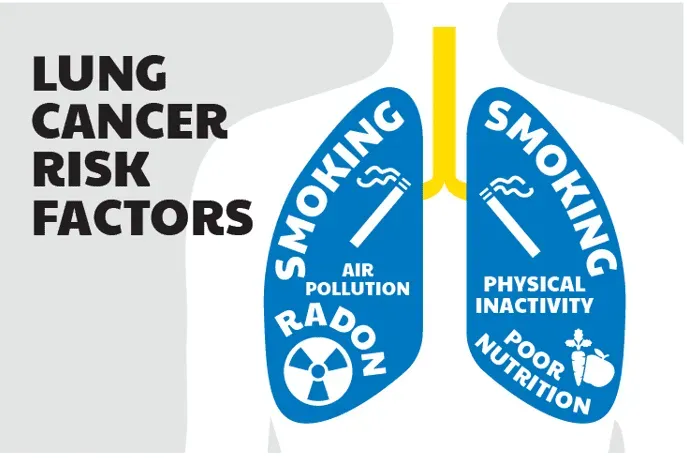
Radon gas is a significant health risk, as it is the second leading cause of lung cancer after smoking. According to the U.S. Environmental Protection Agency (EPA),
radon is responsible for approximately 21,000 lung cancer deaths each year in the United States. Radon gas is a particular risk for smokers, as smoking and exposure to radon gas can significantly increase your risk of developing lung cancer.
Radon Can Be Mitigated
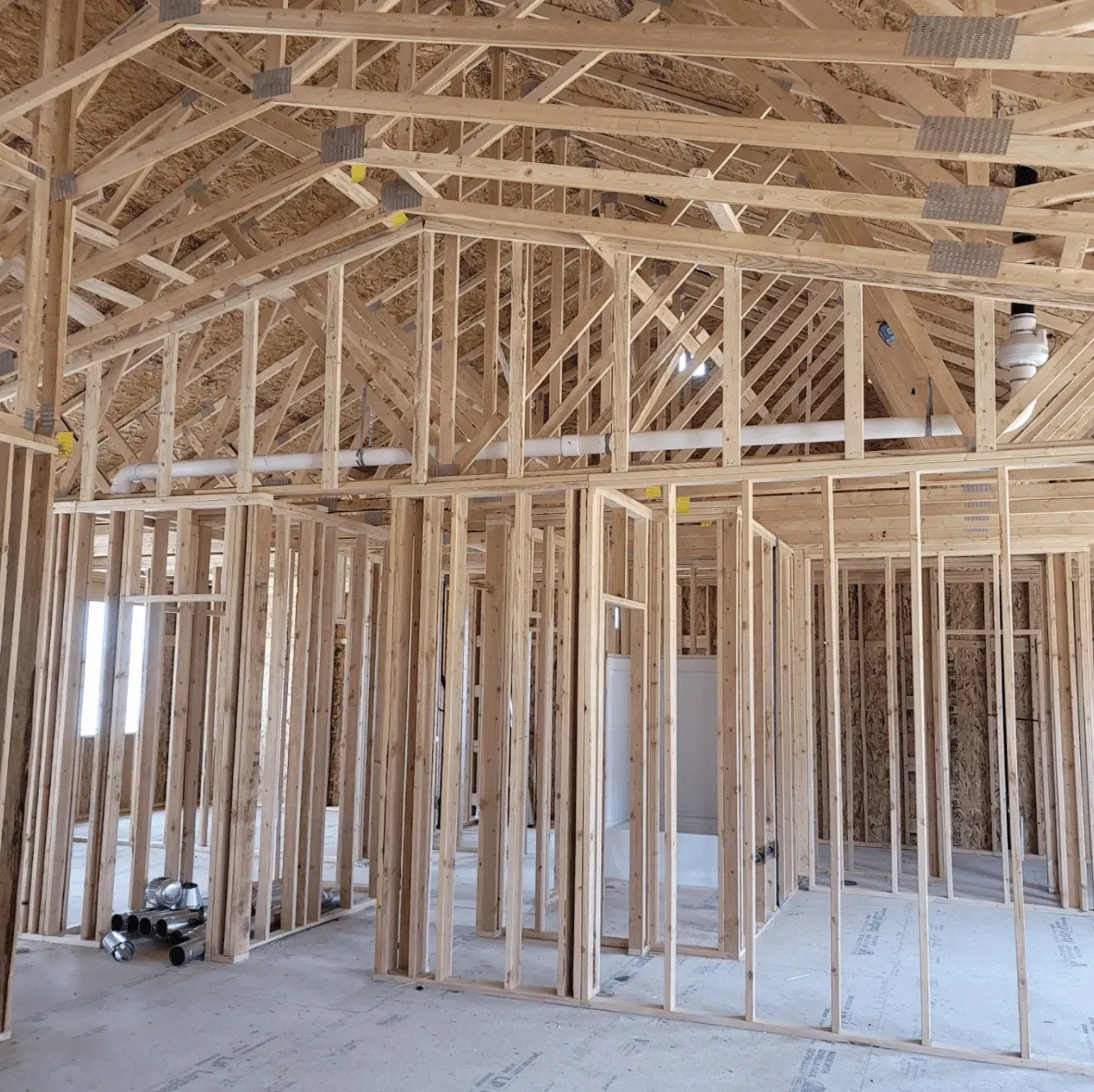
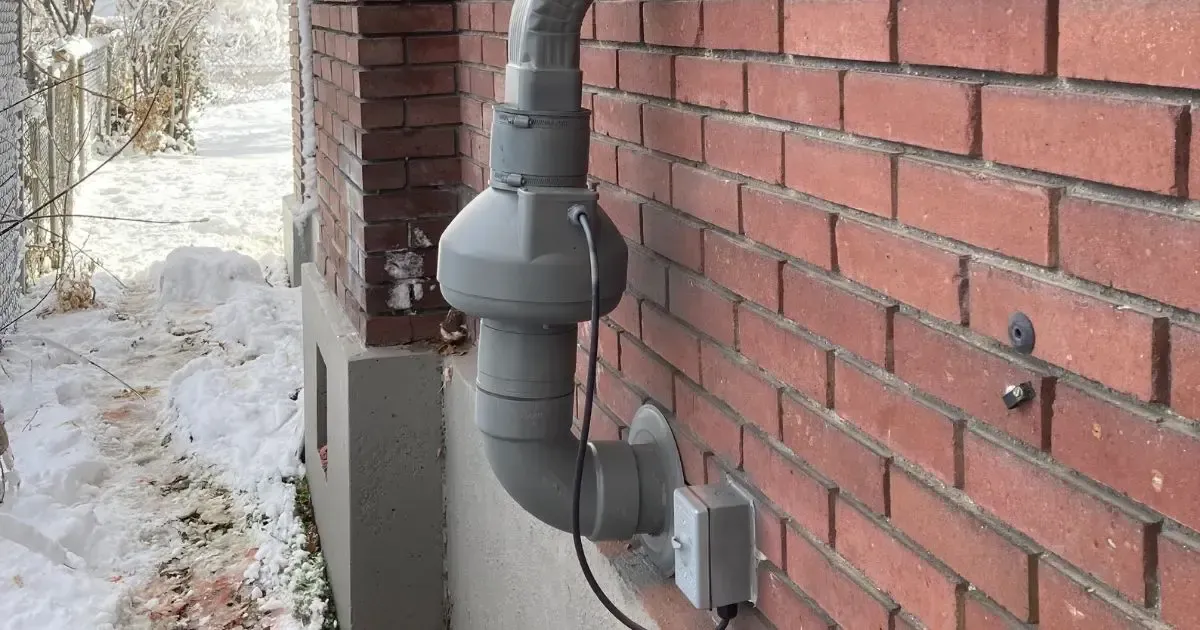
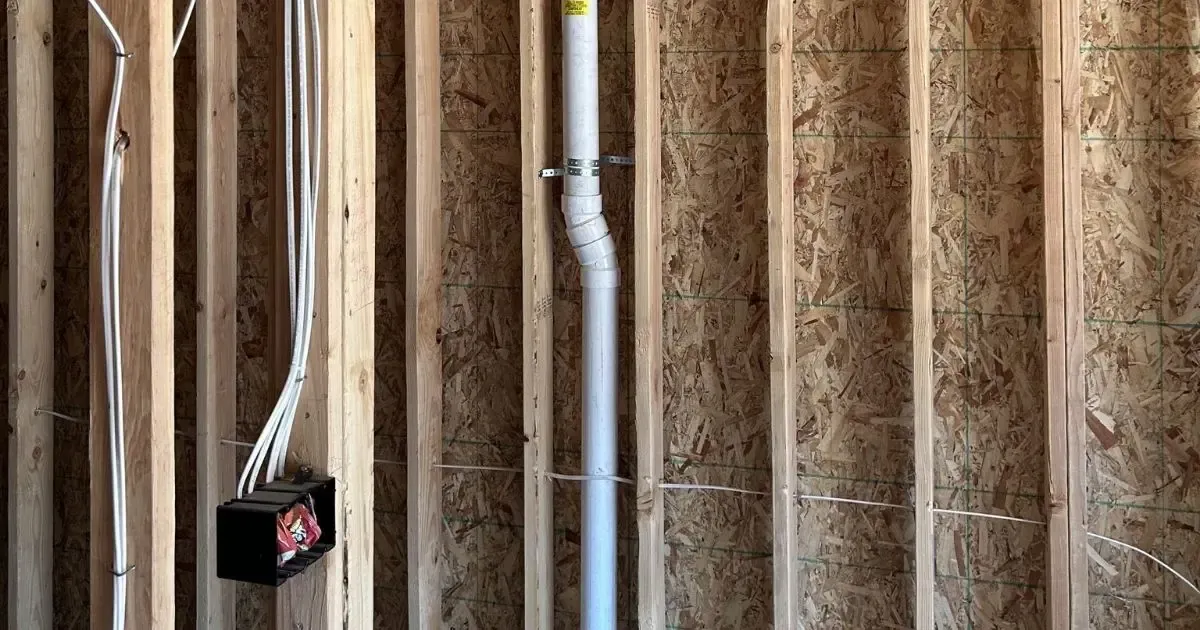
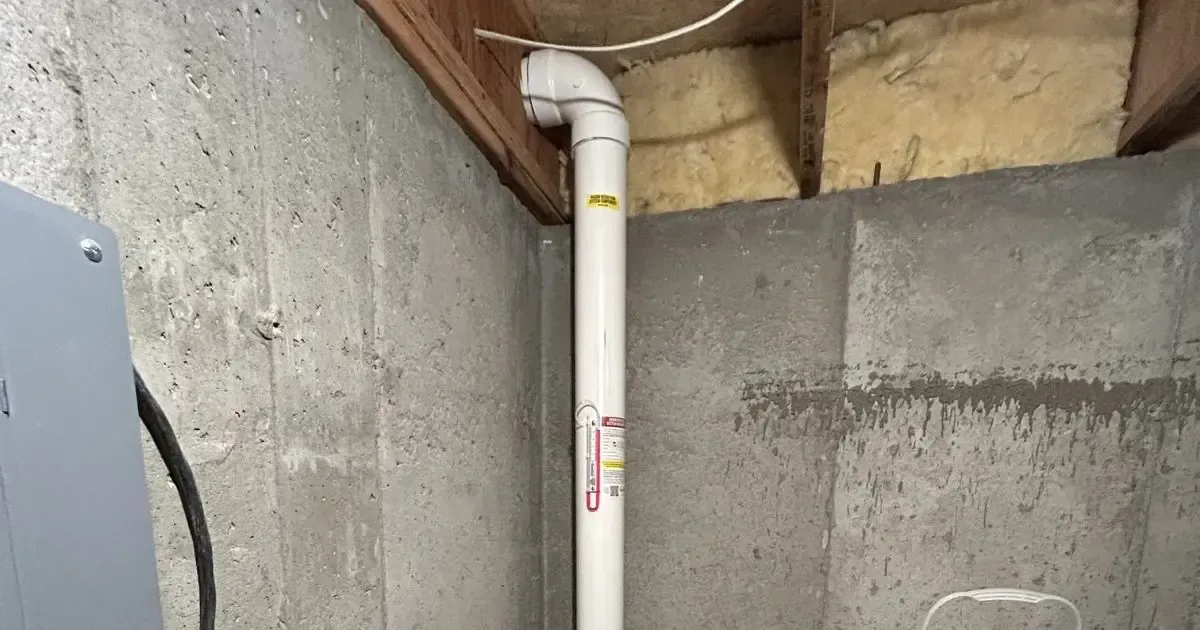
Although radon gas is a significant health risk, it can be mitigated. Radon mitigation systems are designed to reduce the levels of radon gas in your home by expelling the gas outside. A typical radon mitigation system includes a fan and a vent pipe that is installed beneath your home’s foundation. The fan pulls the radon gas from beneath your home and expels it outside, where it is dispersed harmlessly into the air.
Radon is Dangerous and Must be Mitigated
In conclusion, radon gas is a significant health risk that can be present in any home. Hopefully these interesting radon facts have helped you understand the danger and risks of radon. It is essential to test your home for radon levels regularly and have a radon mitigation system installed if necessary. Radon gas is odorless, colorless, and heavier than air, making it difficult to detect without specialized equipment. Radon is a leading cause of lung cancer, but it can be mitigated with the use of a radon mitigation system. By taking steps to test your home for radon and mitigate any levels found, you can help protect your health and the health of your family.
Order a Test Kit today and test your home for radon gas. If you find that the level is high,
contact Radon Be Gone for our professionally installed radon mitigation systems.
Get a Free Quote
![Blue periodic table tile for radon, element 86, with symbol Rn and mass [222].](https://le-cdn.hibuwebsites.com/09c3a4288d5947b58ca8220076f73b94/dms3rep/multi/opt/radon-periodic-table-rn-86-radon-be-gone-1920w.webp)