New Construction Homes and Radon: Why New Doesn’t Mean Safe
New Construction Homes and Radon: Why New Doesn’t Mean Safe
When considering a new construction home, many buyers assume that modern building codes and techniques guarantee complete safety from environmental hazards. However, one significant concern that often goes overlooked is the potential for elevated radon levels. Despite the pristine appearance and advanced construction methods, new homes are not inherently immune to radon exposure.
This article delves into why new-construction homes may still be at risk, how radon enters homes, and the importance of radon testing and mitigation strategies. Understanding these factors is crucial for homeowners, prospective buyers, and builders alike, as it challenges common perceptions and highlights a pressing public health issue.
Understanding Radon
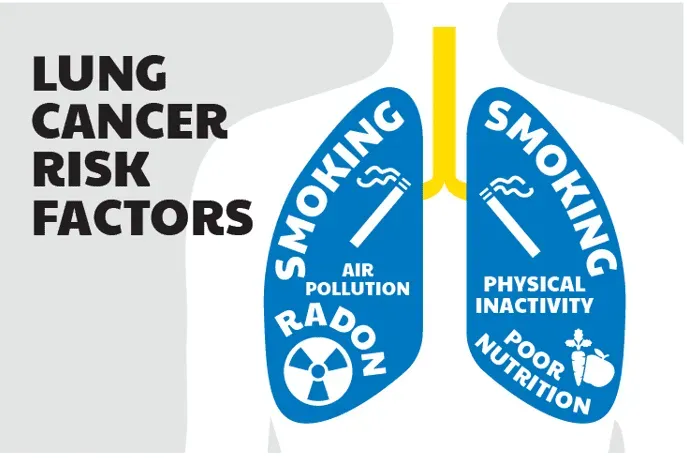
Radon is a naturally occurring radioactive gas that originates from the breakdown of uranium in soil, rock, and water. It is colorless, odorless, and tasteless, which makes it nearly impossible to detect without specialized testing equipment. When radon gas accumulates in indoor spaces, it can significantly increase the risk of lung cancer. This risk is notably relevant in residential environments where prolonged exposure to high radon levels has been linked to serious health outcomes.
How Radon Affects Health
Research has consistently shown that radon exposure is the second leading cause of lung cancer in the United States, after smoking. The gas decays into radioactive particles that can be inhaled, leading to damage in the lung tissue over time. Several factors influence the risk, including:
- Duration of exposure
- Concentration of radon gas indoors
- The smoking status of occupants
Understanding these dynamics is essential, especially for those who believe that new construction automatically minimizes these risks.
Why New Construction Homes Might Be at Risk
Many new construction homes are built with the assumption that the latest building standards suffice to protect residents from common environmental hazards. However, various factors can contribute to increased radon levels even in the newest structures.
Building Techniques and Material Choices
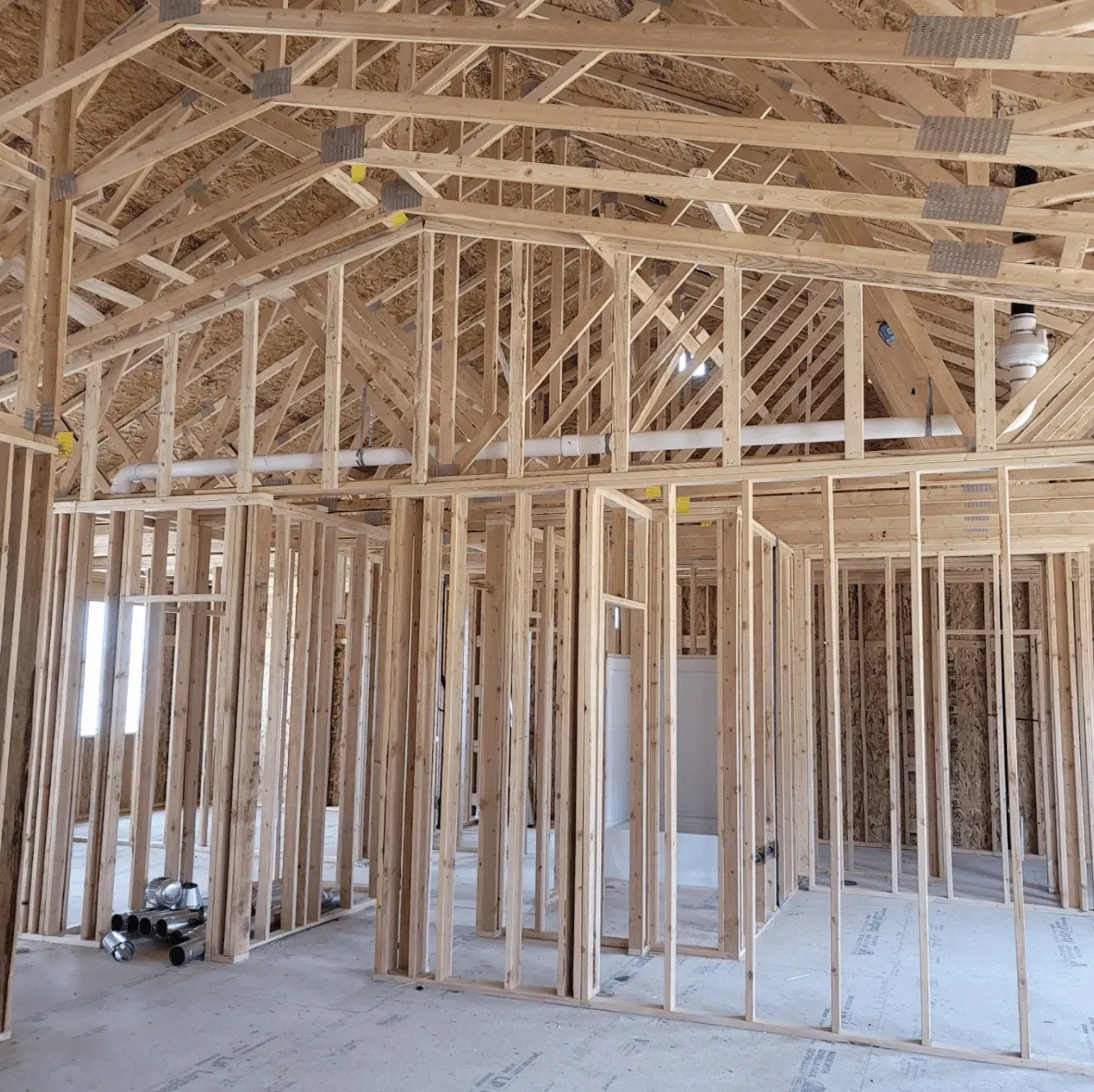
Modern construction uses advanced techniques that focus primarily on energy efficiency and cost-effectiveness. While these techniques offer numerous benefits, they can often reduce natural ventilation. Key points to consider include:
- Air Tightness: New homes are typically designed to be highly airtight to conserve energy. This quality, while beneficial for heating and cooling efficiency, can hinder the dispersion of radon gas if it enters the home.
- Insulation and Sealing: Effective insulation protects the indoors from external temperature fluctuations; however, excessive sealing may prevent radon from escaping, allowing it to accumulate.
- Material Considerations: The foundation materials used in new construction can also contain traces of uranium, which, over time, may be a source of radon gas production.
Design Innovations That Can Contribute to Risk
While design innovations tend to focus on aesthetics and efficiency, they sometimes inadvertently create conditions ripe for radon accumulation. For example:
- Basement and Crawl Space Designs: Many new homes include sealed basements or crawl spaces to optimize space usage and energy savings. Without proper ventilation, these areas can become traps for radon gas.
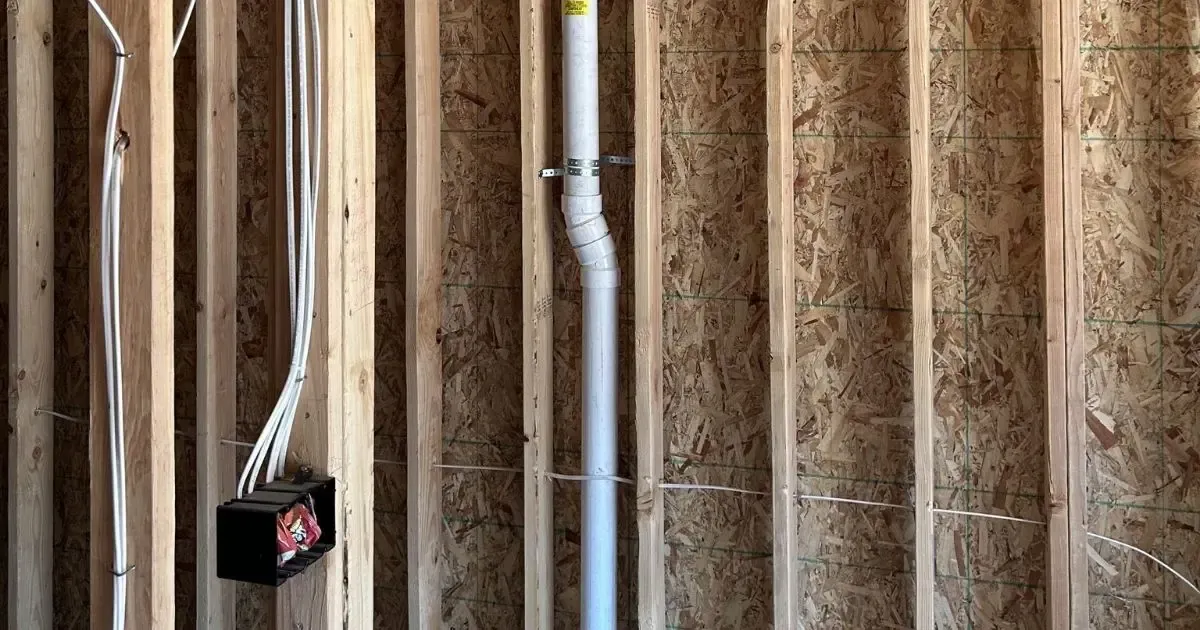
- Sub-slab Vacuum Systems: Although some homes include pre-installed radon drainage systems, not all new construction integrates these features comprehensively. Some systems may be insufficient or improperly maintained over time.
- Closed-Loop Heating and Cooling Systems: The use of HVAC systems designed for closed environments can circulate indoor air without introducing fresh air from outside, further promoting radon build-up.
Factors Contributing to Elevated Radon Levels in New Homes
Understanding why radon can be prevalent in new construction involves a deep dive into the factors that contribute to radon infiltration and accumulation. These include geological, structural, and process-related elements.
Geological Factors
The journey of radon from the soil into a home is primarily dictated by geological factors. These factors include:
- Soil Composition: Areas with a high concentration of uranium-rich soils are more likely to produce radon. Even with modern construction, the presence of these soils means that radon can seep upward.
- Water Supply: In some cases, radon can be present in groundwater. Homes that use well water collected from radon-rich aquifers are particularly susceptible if proper treatment systems are not in place.
Construction and Structural Considerations
Many of the building practices aimed at maximizing energy efficiency inadvertently contribute to a home’s radon risk:
- Foundation Integrity: Small cracks or gaps in the foundation can become entry points for radon gas from the soil. Even a well-constructed home in a low-risk area may develop micro-fractures over time.
- Ventilation Systems: Inadequate or improperly designed ventilation can lead to stagnant air conditions where radon concentrations can increase significantly.
- Inspection Oversights: With the focus on energy efficiency and aesthetic design, the role of installing and maintaining effective radon barriers may be overlooked during the construction process.
Regulatory Gaps and Oversights
In many regions, building codes primarily focus on energy conservation and structural integrity rather than environmental hazards like radon. This regulatory focus can leave a gap in ensuring that new homes are adequately protected against radon accumulation. Builders and developers might not implement radon-resistant construction techniques unless local regulations mandate it.
The Importance of Radon Testing
Regardless of the home’s age or construction quality, testing for radon is a critical step in ensuring a safe living environment. Testing is essential because it not only confirms the presence of radon but also establishes the concentration levels within the home. Regular testing allows homeowners to take proactive measures if radon levels are found to be above the recommended action levels.
When to Test
It is advisable to test for radon at various stages of a property’s lifecycle:
- Before Purchase: Prospective buyers should request radon testing as part of the home inspection process. This precaution can influence the purchase decision or negotiation terms.
- After Construction: Homeowners should conduct a radon test soon after moving in, as radon levels may change with seasonal variations and home occupancy.
- After Renovation: Any significant changes to the home’s structure, especially those affecting the basement or foundation, should prompt a retest to ensure that radon levels remain safe.
Testing Methods
There are several established methods for radon testing. Each method has its merits and is suited to specific scenarios:
- Short-Term Testing: These tests typically last between 2 to 90 days and are ideal for real estate transactions or when a quick assessment is necessary.
- Long-Term Testing: Lasting more than 90 days, long-term tests provide a more accurate representation of year-round radon levels and account for seasonal fluctuations.
A comprehensive radon test involves placing specialized testing devices in the lowest level of the home and following up with a professional evaluation if initial readings are high. Some radon testing kits are available for home use, but a professional assessment ensures more reliable results.
Radon Mitigation Strategies for New Homes
For homeowners who discover high radon levels in their new construction, several mitigation strategies can be employed to reduce radon concentrations to safe levels. Implementing these measures early can help prevent long-term health risks.
Active Soil Depressurization (ASD)
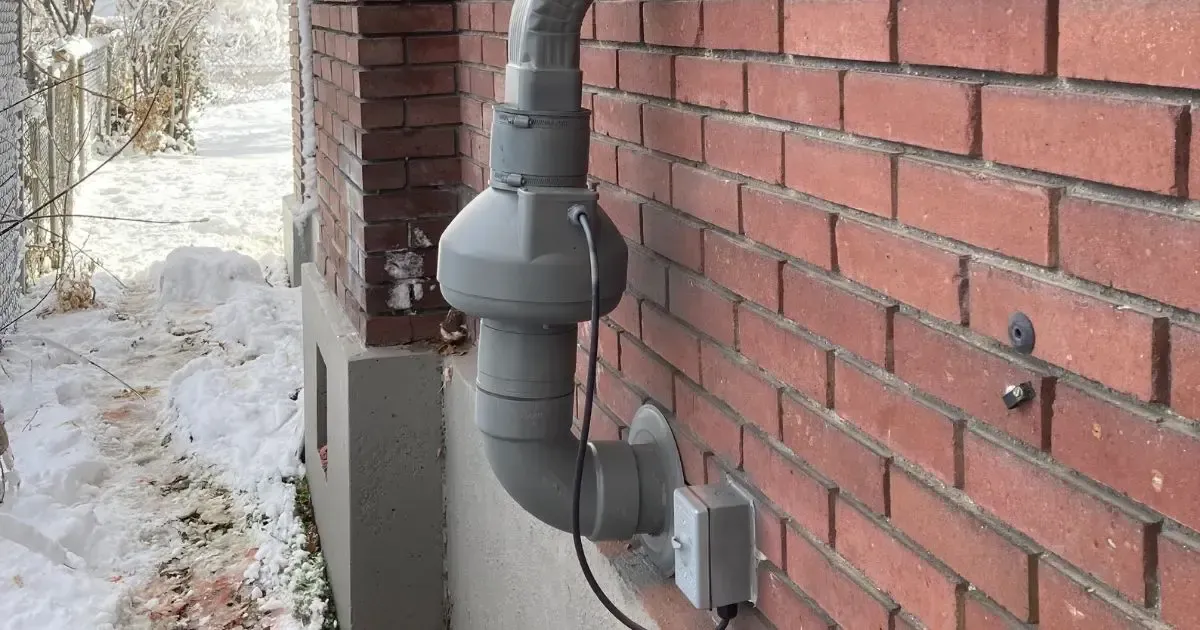
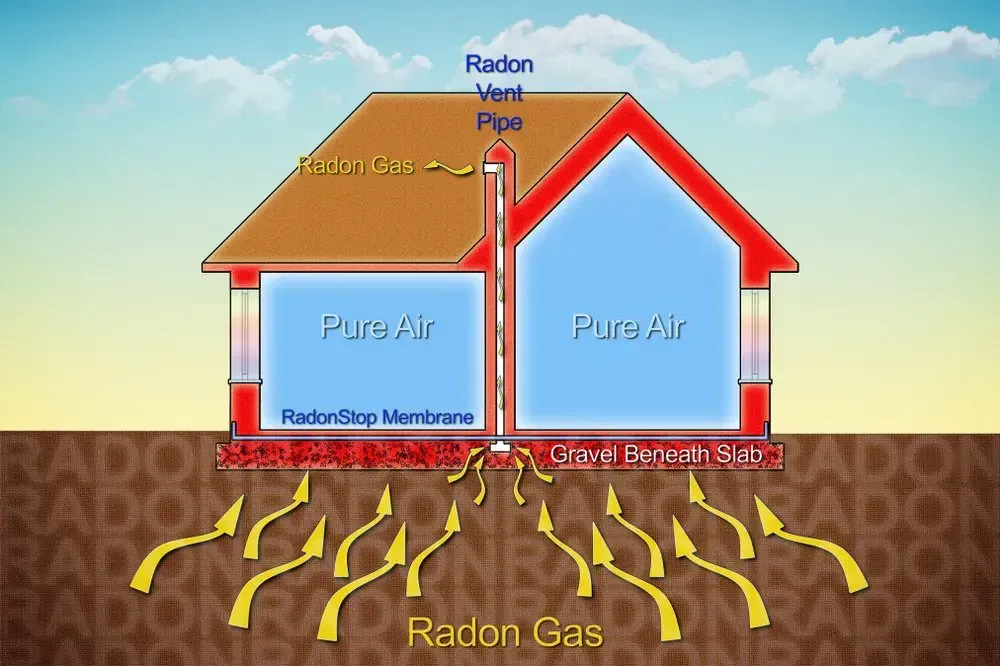
Active Soil Depressurization is one of the most effective methods for reducing radon levels in homes. This system involves:
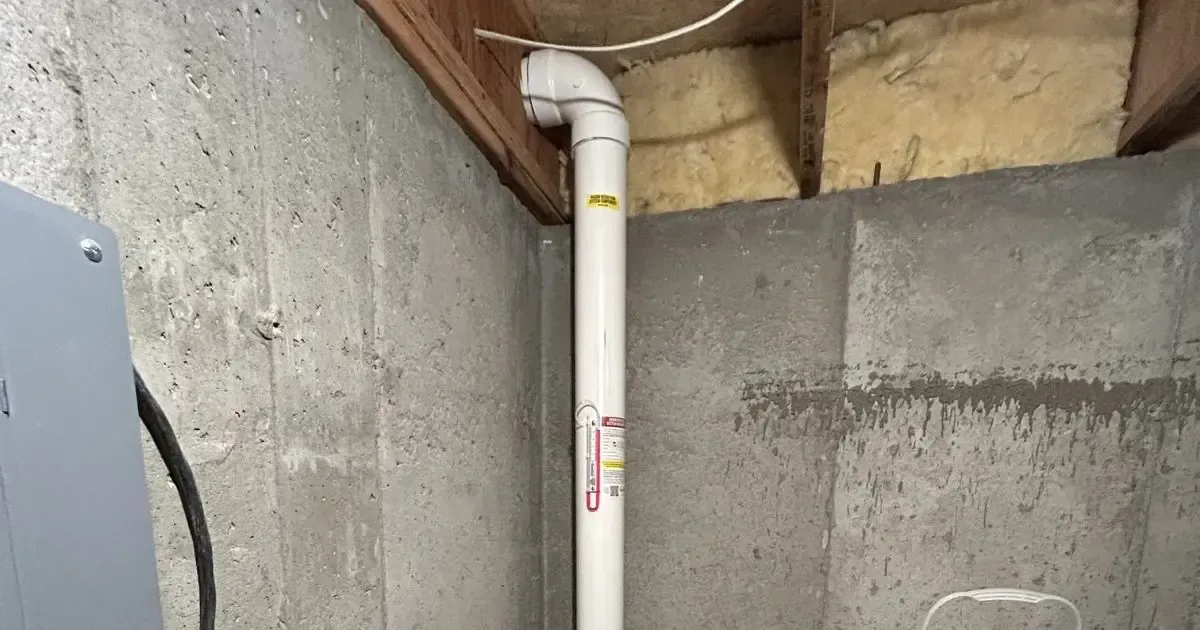
- Installation of a Sub-Slab Vent Pipe: A vent pipe is installed through the slab into the soil, which draws radon from beneath the home.
- Fan System: A continuously operating fan creates negative pressure, ensuring that radon gas is expelled outdoors rather than seeping into the living space.
- Monitoring: Regular monitoring ensures that the system is working effectively and radon levels remain below recommended limits.
This method is particularly beneficial for new construction, where integrating a radon mitigation system during the building process can be more cost-effective than retrofitting later.
Sealing Entry Points and Improving Ventilation
Another crucial method of radon mitigation involves preventing radon from entering the home at all and improving interior air quality. These steps include:
- Sealing Cracks and Gaps: Homeowners should ensure that any openings in the foundation or walls are properly sealed to minimize radon infiltration.
- Improving Ventilation: Increasing the exchange rate of indoor and outdoor air can help reduce the accumulation of radon gas. This may involve installing mechanical ventilation systems or improving natural ventilation pathways.
- Sub-Slab Venting: As mentioned earlier, integrating a sub-slab vent system not only mitigates radon but creates an ongoing barrier against further radon entry.
Additional Mitigation Options
For homes where standard mitigation techniques may not be sufficient, additional strategies might be considered:
- Radon-Resistant New Construction (RRNC): Builders can incorporate RRNC techniques during the construction phase to proactively address potential radon issues. This includes installing radon vents, gas-permeable layers, and moisture barriers under the slab.
- Alternate Ventilation Strategies: In cases where traditional methods are inadequate, consulting with radon mitigation professionals to design custom ventilation solutions can ensure optimal radon reduction.
Integrating Radon Mitigation and Testing into Home Ownership
For many homeowners, a layered approach to radon safety involves both preventive measures during the construction phase and continuous monitoring once the home is occupied. By integrating radon-resistant construction practices with regular testing, homeowners can achieve a significantly safer living environment. As the market for new construction continues to expand, homeowners mustn’t forego the importance of radon awareness, regardless of a property’s age or modern design.
Benefits of Proactive Mitigation
Adopting proactive strategies for radon testing and mitigation offers multiple benefits, such as:
- Health Protection: Reducing prolonged exposure to radon helps lower the risk of lung cancer, ensuring the long-term well-being of you and your family.
- Increased Home Value: Homes that demonstrate compliance with radon safety standards and have documented mitigation measures in place tend to score more favorably during resale evaluations.
- Peace of Mind: Knowing that potential environmental hazards have been addressed is reassuring and fosters confidence in your home’s safety.
Common Misconceptions About New Construction and Radon
It is a common misconception that new construction homes are built with inherent radon safety in mind. While modern technology does provide advantages in building efficiency and aesthetics, it does not automatically account for natural phenomena such as radon emission. Key points to reconsider include:
- “New is Always Safer”: New construction can still harbor elevated radon levels due to structural and environmental factors.
- “Code Compliance Means Complete Safety”: Building codes may not enforce comprehensive radon-resistant features unless mandated by local regulations or industry best practices.
- “Radon is Only a Problem in Older Homes”: The evidence shows that radon can affect any home, regardless of the construction date, making regular testing essential.
Action Steps for Homeowners and Buyers
If you are considering purchasing a new construction home or already own one, taking the following action steps can help safeguard your living environment:
- Schedule a Radon Test: Contact a certified radon assessment professional to perform both short-term and long-term tests as needed.
- Consult with Builders: Ask developers about the radon-resistant features of the home. It is beneficial to have a clear understanding of any pre-installed mitigation systems.
- Plan for Mitigation: If radon levels are above the recommended threshold, invest in mitigation systems immediately. This proactive approach can shield you from long-term health risks and potential financial impacts.
- Stay Informed: Regularly review local building codes, health advisories, and advances in radon mitigation technology. An informed homeowner is better equipped to manage potential risks.
Additional Resources
For further reading and to explore additional insights on radon, we recommend the following resources:
- Environmental Protection Agency (EPA): Information on radon risks, testing guidelines, and mitigation recommendations.
- Radon Mitigation Professionals: Access directories and case studies from certified professionals specializing in radon reduction.
- Local Health Departments: Your local health department can provide updates on regulation changes and regional radon level statistics.
Final Thoughts
New construction homes are not automatically safeguarded from potential radon exposure. Despite the promise of modern building practices, radon can infiltrate even the most recent constructions due to geological factors, construction methods, and inherent regulatory gaps. Homeowners, prospective buyers, and builders must recognize that testing and proactive mitigation are critical components of home safety.
By taking advantage of radon testing services, implementing effective mitigation techniques, and remaining vigilant about indoor air quality, you can ensure that your new home remains a safe and healthy environment for years to come. Do not be misled by the assumption that “new” always means “safe”—make radon awareness and management a priority in your journey towards a secure home.
Remember, when it comes to radon, knowledge is more than power—it is a vital shield against potential long-term health risks. Stay proactive, stay informed, and take action today.
![Blue periodic table tile for radon, element 86, with symbol Rn and mass [222].](https://le-cdn.hibuwebsites.com/09c3a4288d5947b58ca8220076f73b94/dms3rep/multi/opt/radon-periodic-table-rn-86-radon-be-gone-1920w.webp)