When buying or selling a home, there are numerous factors to consider to ensure a smooth and secure transaction. One often overlooked but critically important factor is radon—a naturally occurring, odorless, and colorless gas that can pose serious health risks. Understanding radon, its implications, and the steps to address it can make a significant difference in your real estate experience.
What is Radon?
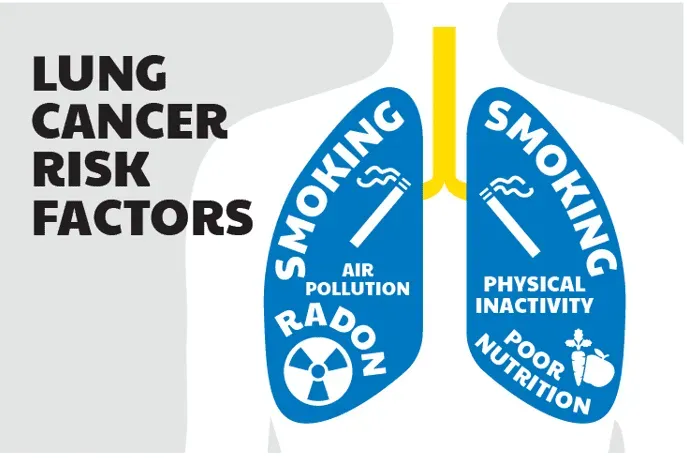
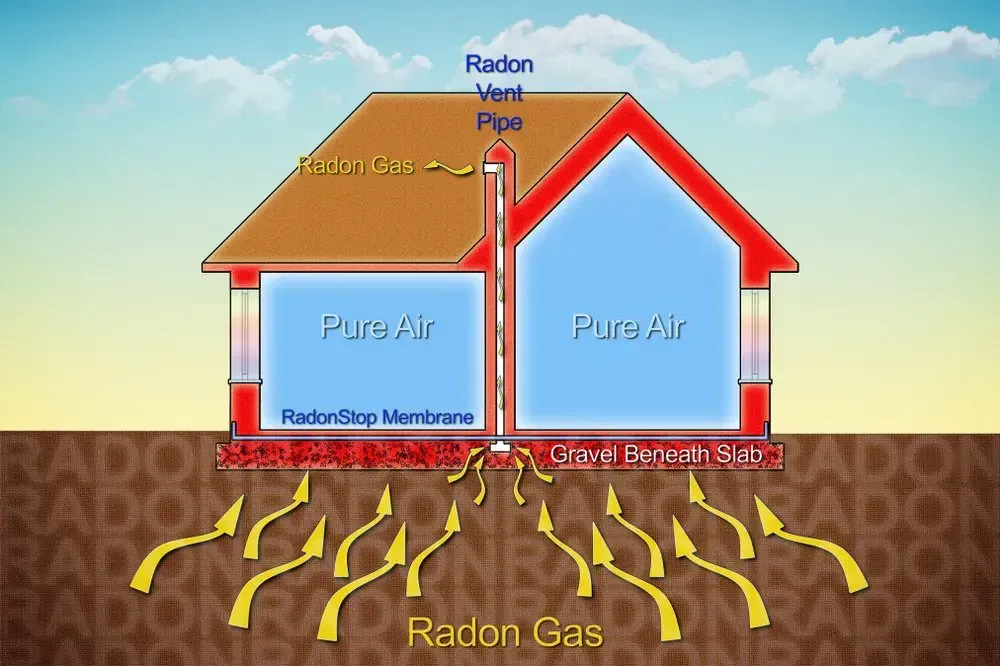
Radon is a radioactive gas formed from the natural decay of uranium in soil, rock, and water. It can seep into homes through cracks and openings in the foundation, accumulating to levels that may be harmful over time. The Environmental Protection Agency (EPA) has classified radon as the second leading cause of lung cancer in the United States, only after smoking.
Why Radon Matters in Home Transactions
Whether you’re buying or selling a home, addressing radon is crucial for several reasons:
- Health Concerns: Prolonged exposure to high radon levels increases the risk of lung cancer.
- Legal Requirements: Some states have disclosure laws requiring sellers to inform buyers about radon levels.
- Home Value: A home with high radon levels may be harder to sell or could lose value unless mitigated.
Understanding radon ensures you make informed decisions, protect your health, and maintain the value of your property.
Get a FREE Quote
Testing for Radon
Before you can address radon, you need to know if it’s present in your home.
Testing is straightforward and essential for both buyers and sellers.
How to Test for Radon
- Purchase a Test Kit: Available at hardware stores or online, these kits are user-friendly.
- Place the Kit in a Suitable Location: Typically, the lowest lived-in level of the house, away from doors and windows.
- Follow Instructions Carefully: Each kit may have specific instructions for accurate results.
- Send the Kit for Analysis: Labs will analyze the sample and provide results, usually within a few weeks.
Types of Radon Tests
- Short-Term Tests: Last between 2 to 90 days and provide a quick snapshot of radon levels.
- Long-Term Tests: Extend from 90 days to one year, offering a more accurate annual average radon level.
Interpreting Radon Levels
After testing, you’ll receive radon level readings measured in picocuries per liter (pCi/L):
- Below 2 pCi/L: Minimal risk; no action required.
- 2 to 4 pCi/L: Consider mitigation; the EPA recommends fixing homes with levels at or above 4 pCi/L.
- Above 4 pCi/L: High risk; immediate mitigation is advised.
Understanding these levels helps determine the necessary steps to ensure a safe living environment.
Mitigating Radon in Your Home
If testing reveals elevated radon levels, mitigation is essential. Homeowners can take proactive measures to reduce radon concentrations effectively.
Common Radon Mitigation Techniques
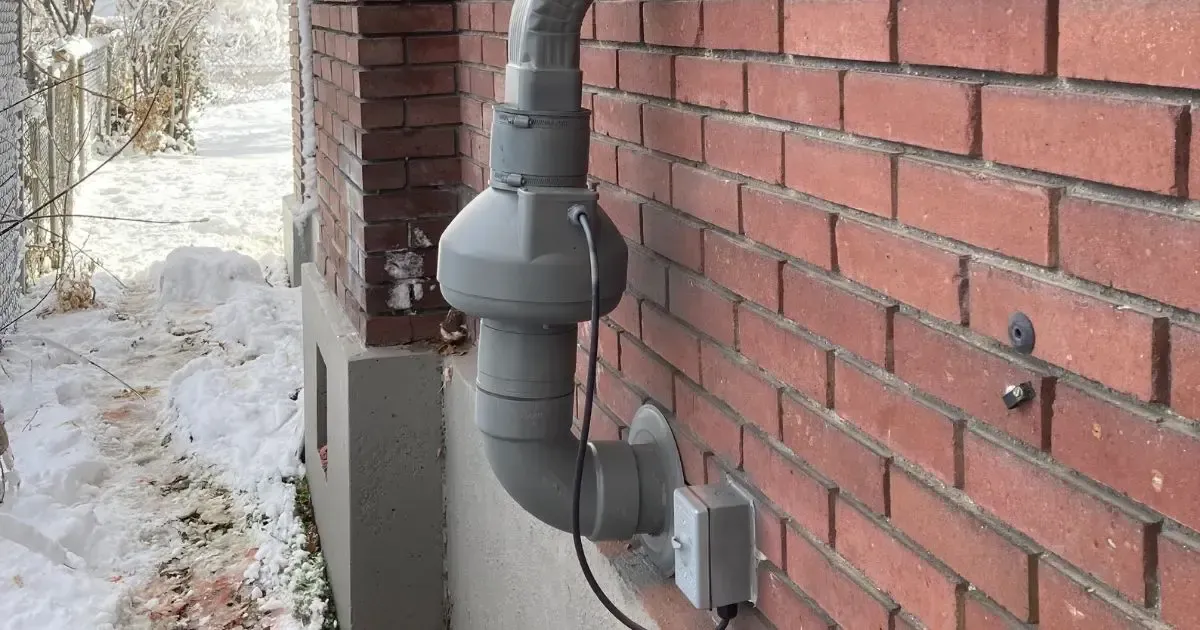
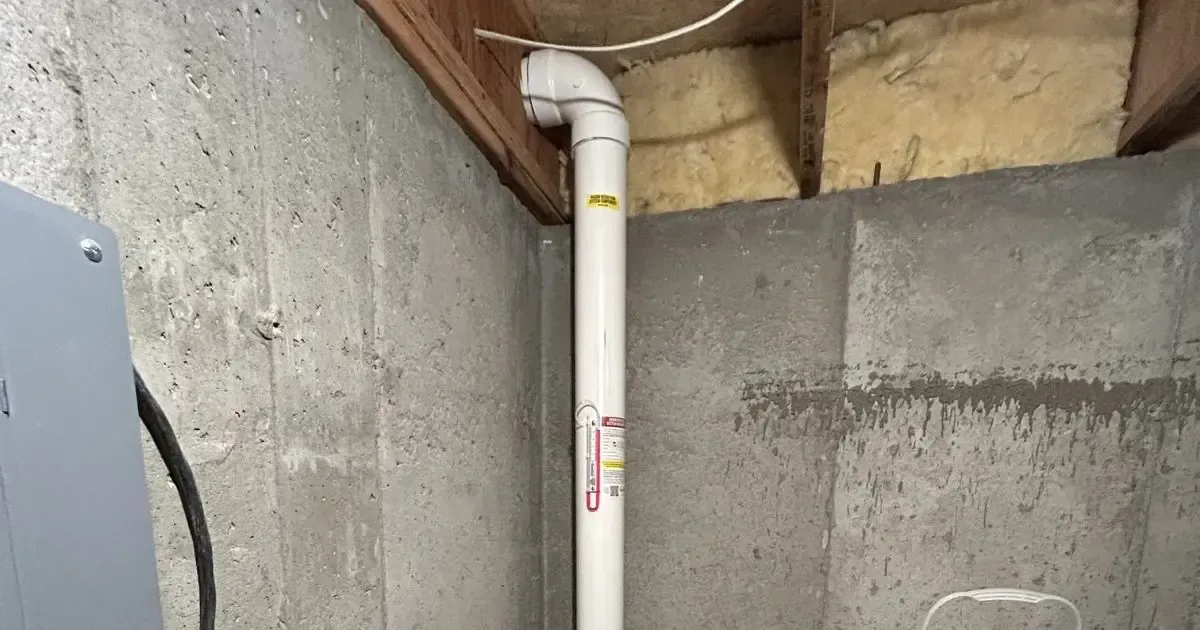
- Sub-Slab Depressurization: Involves installing a vent pipe and fan system to draw radon from beneath the foundation and vent it outside.
- Sealing Cracks and Openings: Reduces radon entry points, enhancing the effectiveness of other mitigation systems.
- Ventilation Improvements: Increasing airflow in the home can lower indoor radon levels.
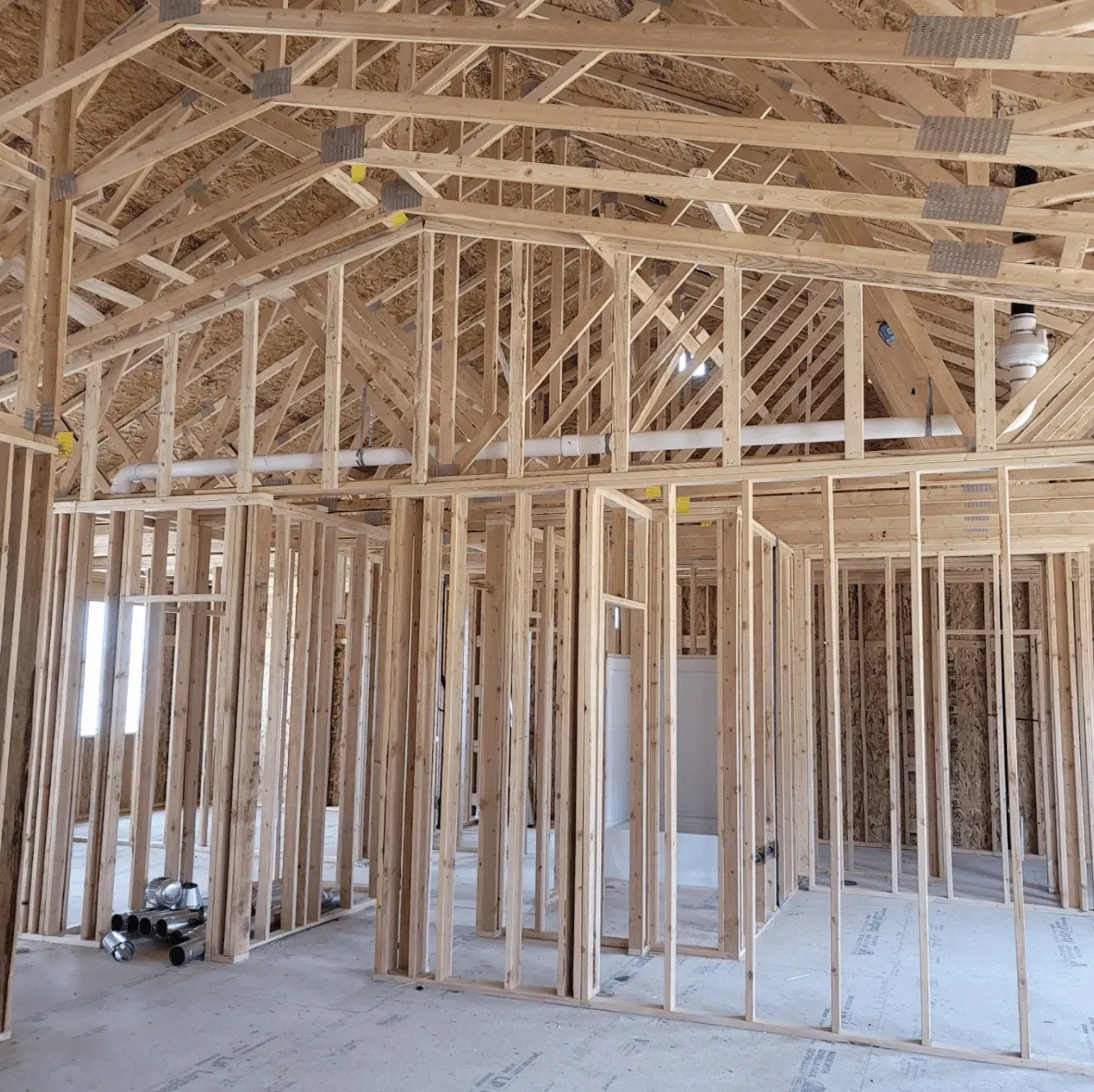
- Building Additional Barriers: Installing radon-resistant materials during construction can prevent radon ingress.
Choosing a Radon Mitigation Professional
Selecting a
certified and experienced professional ensures effective mitigation. Look for:
- Certification: Ensure the
technician is certified by recognized bodies like the National Radon Proficiency Program (NRPP) or the National Radon Safety Board (NRSB).
- Experience: An established track record in radon mitigation.
- Transparent Pricing: Clear and upfront costs without hidden fees.
The Role of Radon in Home Buying
For homebuyers, radon awareness is a critical component of due diligence. Here’s how to navigate radon considerations during the buying process.
Steps for Buyers
- Request a Radon Test: If the seller hasn’t provided recent results, arrange for an independent test.
- Review the Results: Understand the radon levels and what they mean for your potential new home.
- Negotiate If Necessary: If high radon levels are detected, discuss with the seller about mitigation costs or adjust the sale price accordingly.
- Ensure Mitigation is Completed: If mitigation is agreed upon, verify that it’s done by a certified professional before finalizing the purchase.
Benefits for Buyers
- Health Assurance: Ensures a safe living environment free from harmful radon levels.
- Informed Decision-Making: Empowers you to make educated choices about your investment.
- Long-Term Savings: Prevents future costs associated with unwanted health issues or home devaluation.
The Seller’s Responsibility with Radon
For sellers, addressing radon proactively can facilitate a smoother sale and potentially increase property value.
Steps for Sellers
- Conduct a Pre-Sale Radon Test: Identifies any radon issues before listing the property.
- Provide Transparency: Disclose radon levels to potential buyers as required by law.
- Offer Mitigation Solutions: Proactively mitigate high radon levels to reassure buyers.
- Highlight Mitigation: If already mitigated, showcase this improvement as a selling point.
Benefits for Sellers
- Faster Sale: Reduces buyer concerns, leading to quicker transactions.
- Higher Home Value: Mitigation enhancements can increase property appeal and value.
- Legal Compliance: Ensures adherence to state disclosure laws, avoiding potential legal issues.
Get a FREE Quote
Cost of Radon Mitigation
Understanding the financial aspect of radon mitigation is essential for both buyers and sellers. While costs can vary, here’s a general overview.
Average Mitigation Costs
- Single-Family Homes: Typically range from $800 to $2,500.
- Multi-Story Homes: May cost between $1,000 and $3,500 due to increased complexity.
- Additional Features: Incorporating exterior ventilation systems or sealing more cracks can increase costs.
Factors Influencing Costs
- Foundation Type: Basements and slab foundations may require different mitigation strategies.
- Home Size: Larger homes often need more extensive systems.
- Accessibility: Easier access to the foundation can reduce labor costs.
Financial Assistance and Incentives
Some regions offer grants, rebates, or financing options to help offset mitigation costs. Check with local health departments or environmental agencies for available programs.
The Importance of Ongoing Radon Monitoring
Mitigation isn’t a one-time fix. Regular monitoring ensures that radon levels remain safe over time.
How to Monitor Radon Post-Mitigation
- Install a Continuous Monitoring System: Provides real-time radon level data and alerts.
- Conduct Periodic Tests:
Annual testing can help verify the effectiveness of mitigation efforts.
- Maintain Mitigation Systems: Regular inspections and maintenance of fans and vents ensure continued performance.
Benefits of Ongoing Monitoring
- Peace of Mind: Continuous assurance that your home remains safe.
- Early Detection: Identifies any issues promptly, allowing for quick resolution.
- Compliance: Meets any local regulations or requirements for radon levels.
Choosing the Right Radon Service Provider
Selecting a reputable and reliable radon service provider is crucial for effective mitigation and peace of mind.
What to Look For
- Certification and Licensing: Ensure the company is certified by recognized organizations and holds necessary licenses.
- Experience and Reputation: Look for providers with proven expertise and positive customer reviews.
- Comprehensive Services: Choose a company that offers testing, mitigation, and ongoing monitoring services.
- Transparent Communication: Providers should offer clear explanations, detailed quotes, and responsive customer service.
Questions to Ask Potential Providers
- Are you certified by the NRPP or NRSB?
- Can you provide references from past clients?
- What is your process for testing and mitigation?
- What warranties or guarantees do you offer on your work?
- How do you price your services, and are there any additional fees?
Get a FREE Quote
Frequently Asked Questions About Radon
Is Radon Only a Problem in Certain Geographical Areas?
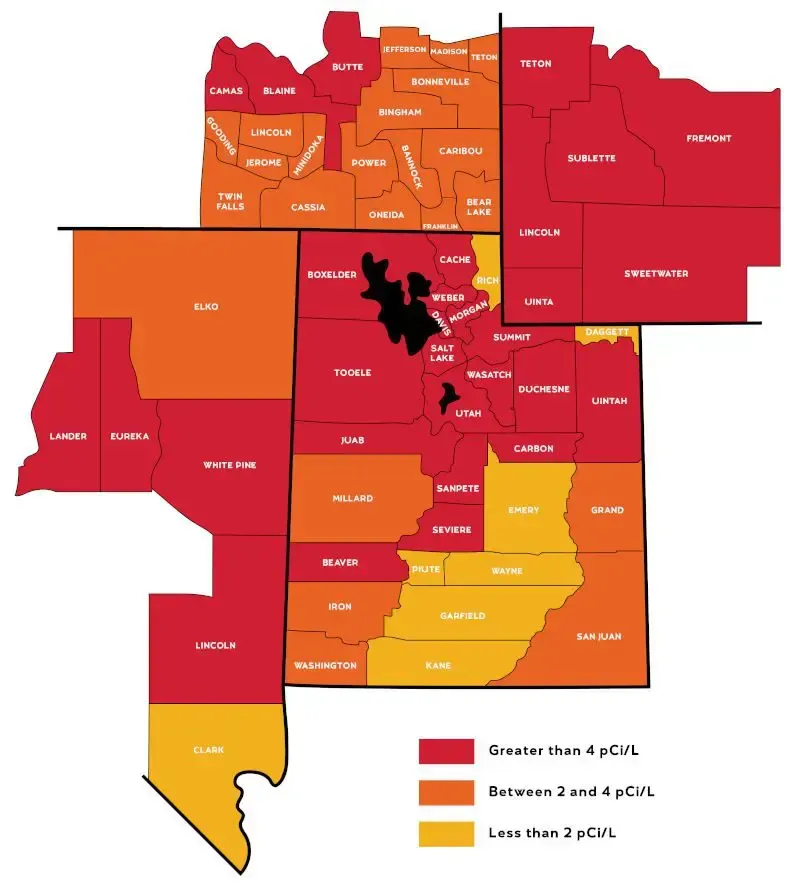
Radon levels can vary widely depending on local geology. However, it can be a concern in any region. Testing is the only way to know for sure.
Can Radon Levels Fluctuate Throughout the Year?
Yes, radon levels can change due to factors like weather, temperature, and ventilation practices. This makes long-term testing crucial for accurate assessment.
Does Radon Affect All Areas of the Home Equally?
Radon typically accumulates in lower areas of a home, such as basements and ground floors, where it can seep in from the ground.
Is Radon Treatment Expensive?
While initial mitigation costs can range from $800 to $2,500, many homeowners find the investment worthwhile for health benefits and property value protection. Additionally, financial assistance programs may be available.
Take Action Today
Understanding and addressing radon is a vital step in ensuring a safe and healthy home environment. Whether you’re buying or selling, proactive radon management can enhance your real estate experience and peace of mind.
Ready to Test Your Home for Radon?
Don’t wait until it’s too late. Contact our certified radon specialists today to schedule a comprehensive radon test and receive expert guidance on maintaining safe home air quality.
Conclusion
Radon is an invisible hazard that can significantly impact your health and your home’s value. By staying informed, conducting necessary tests, and engaging professional mitigation services, you can navigate the complexities of radon in your real estate transactions with confidence. Ensure your home is a safe haven by taking proactive steps against radon today.
Get a FREE Quote
![Blue periodic table tile for radon, element 86, with symbol Rn and mass [222].](https://le-cdn.hibuwebsites.com/09c3a4288d5947b58ca8220076f73b94/dms3rep/multi/opt/radon-periodic-table-rn-86-radon-be-gone-1920w.webp)