Radon is a naturally occurring radioactive gas that can seep into your home from the ground, posing significant health risks over time. Understanding how a radon fan works within your mitigation system is crucial for ensuring your home remains safe and healthy.
In this guide, we’ll delve into the operation, installation, and upkeep of radon fans, providing you with the insights needed for effective protection against radon exposure.
Understanding Radon and the Need for Mitigation
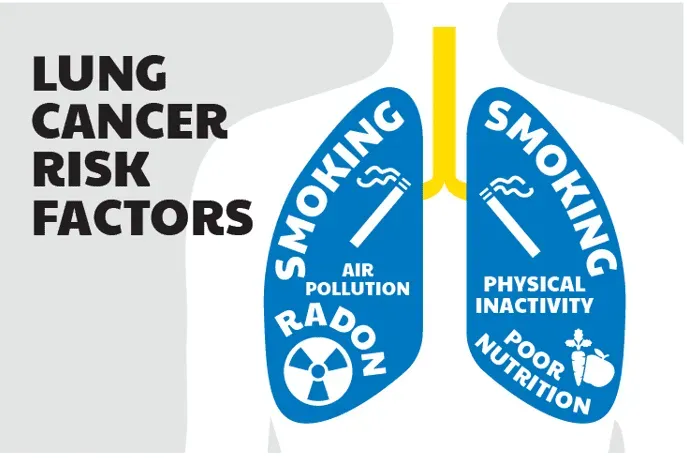
Radon is the second leading cause of lung cancer after smoking. It is colorless, odorless, and tasteless, making it impossible to detect without specialized equipment. Radon gas seeps into buildings through cracks and openings in the foundation, accumulating to dangerous levels if not properly managed.
Why Mitigate Radon?
- Health Protection: Prolonged exposure to high radon levels increases the risk of lung cancer.
- Property Value: Homes with effective radon mitigation systems are more attractive to potential buyers.
- Peace of Mind: Knowing your home is protected from radon ensures a safer living environment for you and your family.
Get a FREE Quote
What is a Radon Fan?
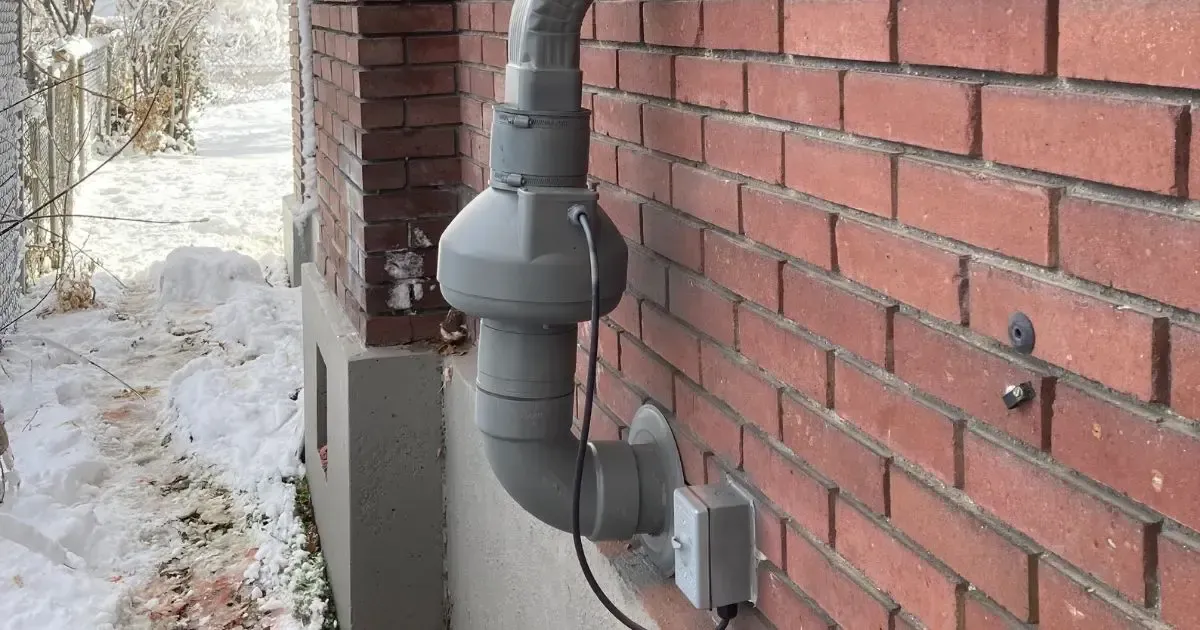
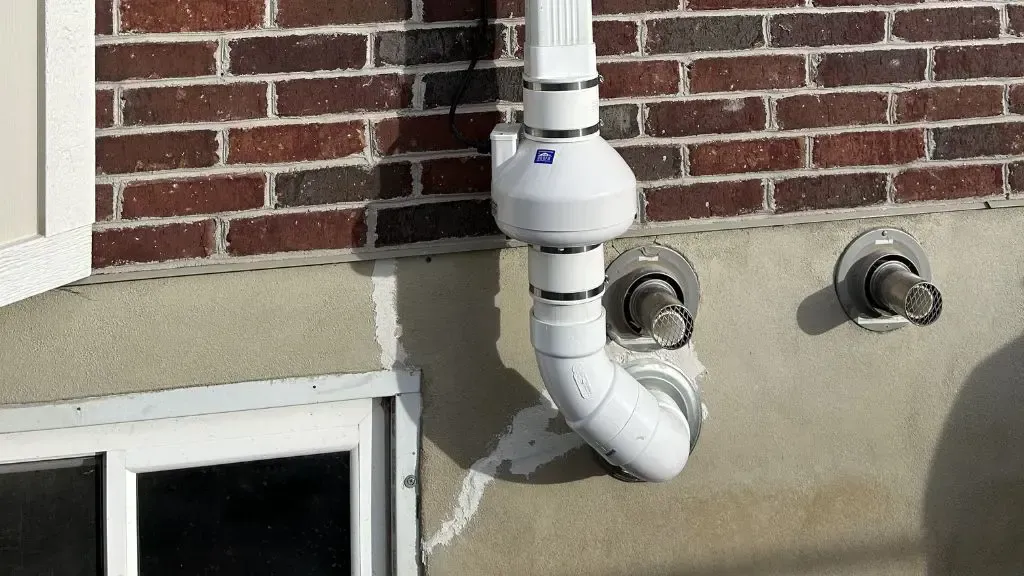
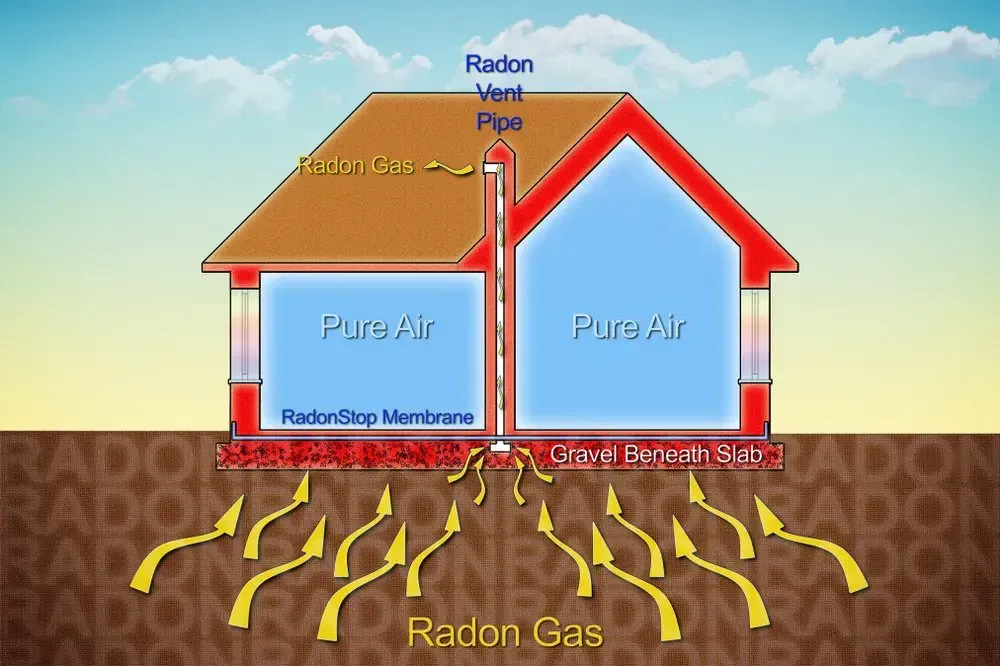
A radon fan is a critical component of a radon mitigation system designed to reduce radon gas levels in your home. It operates by creating a vacuum that extracts radon from beneath the foundation and vents it outside, preventing it from accumulating indoors.
Key Features of a Radon Fan:
- High-Efficiency Motors: Designed to operate continuously with minimal energy consumption.
- Durable Construction: Built to withstand environmental factors and ensure long-term performance.
- Quiet Operation: Engineered to run silently, maintaining the comfort of your living space.
How Does a Radon Fan Work?
The primary function of a radon fan is to facilitate the continuous removal of radon gas from beneath your home. Here’s a step-by-step breakdown of its operation:
- Sub-Slab Depressurization: The radon fan creates negative pressure beneath the foundation, preventing radon gas from entering the living areas.
- Airflow Generation: The fan pulls air from below the slab, capturing radon gas as it rises from the soil.
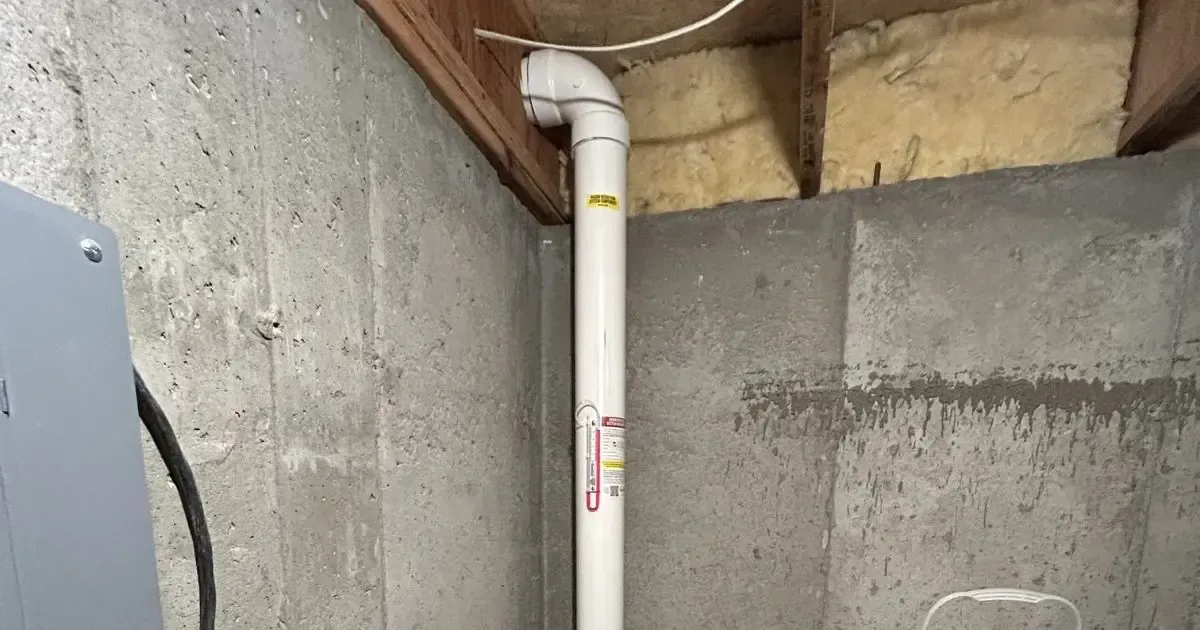
- Ventilation: The captured radon is then expelled through a vent pipe that extends above the roofline, dispersing the gas safely into the atmosphere.
- Continuous Operation: By running consistently, the fan ensures that radon levels remain low, providing ongoing protection.
Installation of a Radon Fan
Proper installation of a radon fan is essential for the effectiveness of your mitigation system. Here’s what the installation process typically involves:
Step 1: Site Assessment
A professional radon mitigation specialist conducts a thorough assessment of your home to determine the best location for the fan and ventilation system.
Step 2: Drilling and Sealing
Small holes are drilled into the foundation slab to insert suction points. These areas are then sealed to ensure that all radon gas is captured and directed towards the fan.
Step 3: Vent Pipe Installation
Pipes are installed to carry the radon gas from beneath the foundation to the exterior of the home. The vent pipe must extend at least 10 feet above ground level and 5 feet above any nearby structures to prevent radon re-entry.
Step 4: Fan Placement and Connection
The radon fan is mounted securely, often in the attic or exterior of the home, and connected to the vent pipe. Electrical connections are made to ensure continuous operation.
Step 5: System Testing
Once installed, the system is tested to confirm that radon levels have been effectively reduced. Ongoing monitoring may be recommended to maintain safety.
Maintenance and Upkeep
Maintaining your radon fan and mitigation system is vital for sustained protection against radon. Here are some key maintenance tips:
Regular Inspection:
- Check the fan for any signs of wear or damage.
- Ensure that the vent pipe remains unobstructed and intact.
Fan Replacement:
- Radon fans typically have a lifespan of 5-10 years. Schedule replacements as needed to maintain efficiency.
System Testing:
- Conduct periodic radon tests to verify that levels remain low.
- Use continuous radon monitors for real-time tracking.
Sealant Maintenance:
- Inspect and repair any cracks or gaps in the foundation sealant to prevent radon infiltration.
Professional Servicing:
- Have a certified technician service your system annually to ensure optimal performance.
Tip: Setting reminders for maintenance tasks can help you stay on top of your radon mitigation system’s upkeep.
Get a FREE Quote
Benefits of Using a Radon Fan in Your Mitigation System
Implementing a radon fan as part of your mitigation strategy offers numerous advantages:
- Effective Radon Reduction: Consistently lowers radon levels, ensuring a healthier indoor environment.
- Energy Efficiency: Modern radon fans are designed to use minimal electricity, reducing utility costs.
- Longevity: High-quality radon fans offer reliable performance for many years with proper maintenance.
- Silent Operation: Advances in technology have made radon fans quieter, enhancing comfort without sacrificing performance.
Common Questions About Radon Fans
1. How long does a radon fan last?
A well-maintained radon fan can operate efficiently for 5 to 10 years. Regular inspections and timely replacements ensure ongoing protection.
2. Can I install a radon fan myself?
While some experienced homeowners may attempt a DIY installation, it’s highly recommended to hire a certified professional to ensure proper setup and compliance with safety standards.
3. How much does a radon mitigation system cost?
Costs vary based on the size of your home and the complexity of the installation. On average, a radon mitigation system can range from $800 to $2,500.
4. Will a radon fan increase my energy bills?
Modern radon fans are designed to be energy-efficient, with minimal impact on your overall energy consumption.
5. Can a radon fan eliminate all radon from my home?
While a radon fan significantly reduces radon levels, maintaining low concentrations also depends on proper system maintenance and structural integrity of your home.
Why Choose Our Radon Mitigation Services?
Selecting the right team for your radon mitigation needs ensures that your home is protected effectively and efficiently. Here’s why our services stand out:
- Certified Experts: Our technicians are trained and certified in the latest radon mitigation techniques.
- Comprehensive Assessments: We provide thorough evaluations to tailor the perfect solution for your home.
- Quality Equipment: We use top-of-the-line radon fans and materials to guarantee long-lasting results.
- Customer Satisfaction: Your safety and satisfaction are our top priorities, backed by excellent customer service.
- Competitive Pricing: We offer affordable rates without compromising on quality or performance.
Protect Your Home Today
Don’t wait until radon levels pose a health risk. Take proactive steps to safeguard your home and loved ones with a reliable radon mitigation system. Our team is ready to help you understand how a radon fan works and implement an effective solution tailored to your needs.
Ready to reduce radon levels in your home?
Contact Us Today to schedule a free radon assessment and learn more about our comprehensive mitigation services.
Get a FREE Quote
![Blue periodic table tile for radon, element 86, with symbol Rn and mass [222].](https://le-cdn.hibuwebsites.com/09c3a4288d5947b58ca8220076f73b94/dms3rep/multi/opt/radon-periodic-table-rn-86-radon-be-gone-1920w.webp)