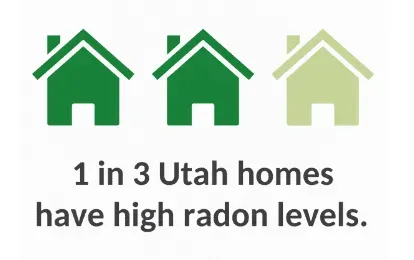
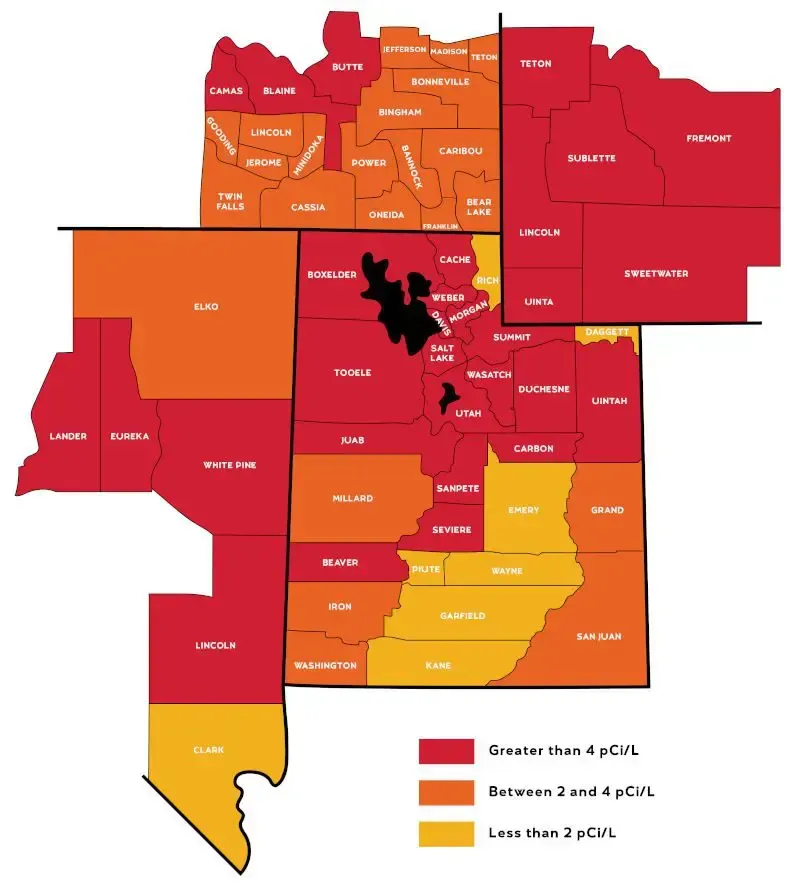
Salt Lake City sits in the EPA’s Zone 1, the highest radon risk category in the country. If your
test results came back elevated, you are past the awareness stage.
What you will find here is a straightforward breakdown of radon mitigation costs in Salt Lake City, the factors that drive those numbers, and what a legitimate installation actually includes. By the end, you will have enough information to evaluate any quote you receive and make a confident decision about your home.
Get a Free Quote
What Radon Mitigation Actually Costs in Salt Lake City
For most
single-family homes in Salt Lake City, radon mitigation runs somewhere between $800 and $2,500. The majority of straightforward residential jobs fall in the $900 to $1,500 range.
That number varies based on several real factors specific to your home. It is not arbitrary pricing. The variables that move the cost are predictable, and understanding them helps you evaluate any quote you receive.
What Affects the Cost of a Radon System in Salt Lake City
Your Home's Foundation Type
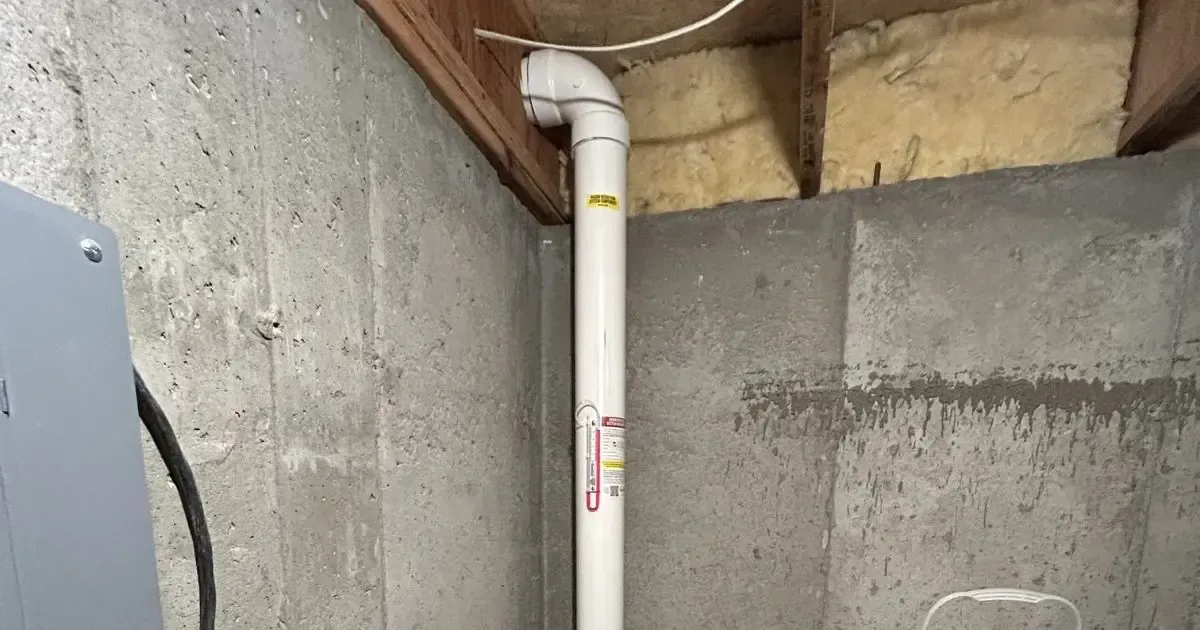
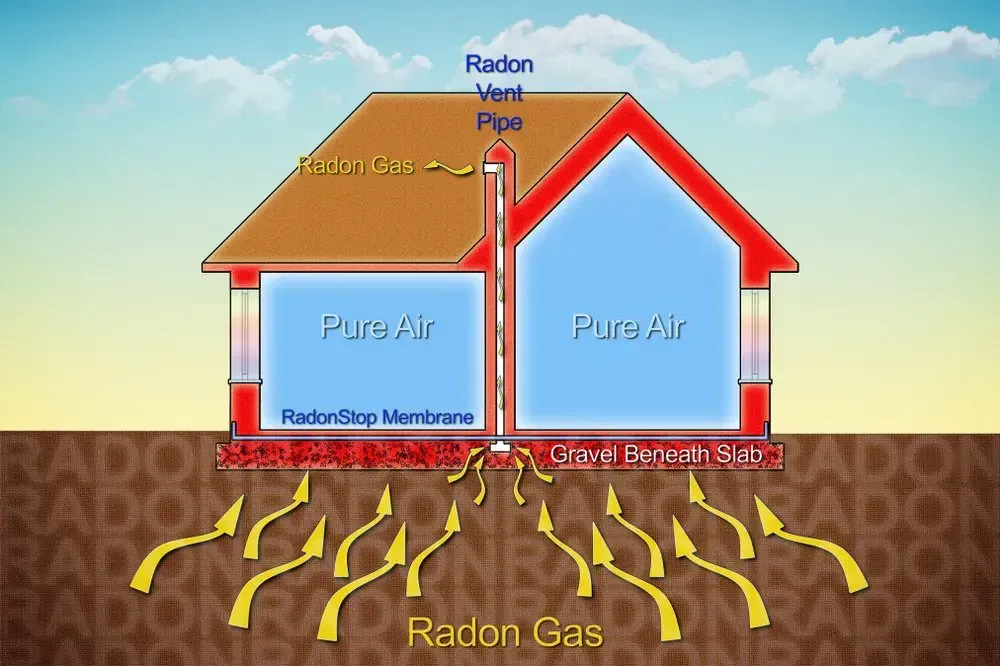
The most common mitigation method used in Utah is
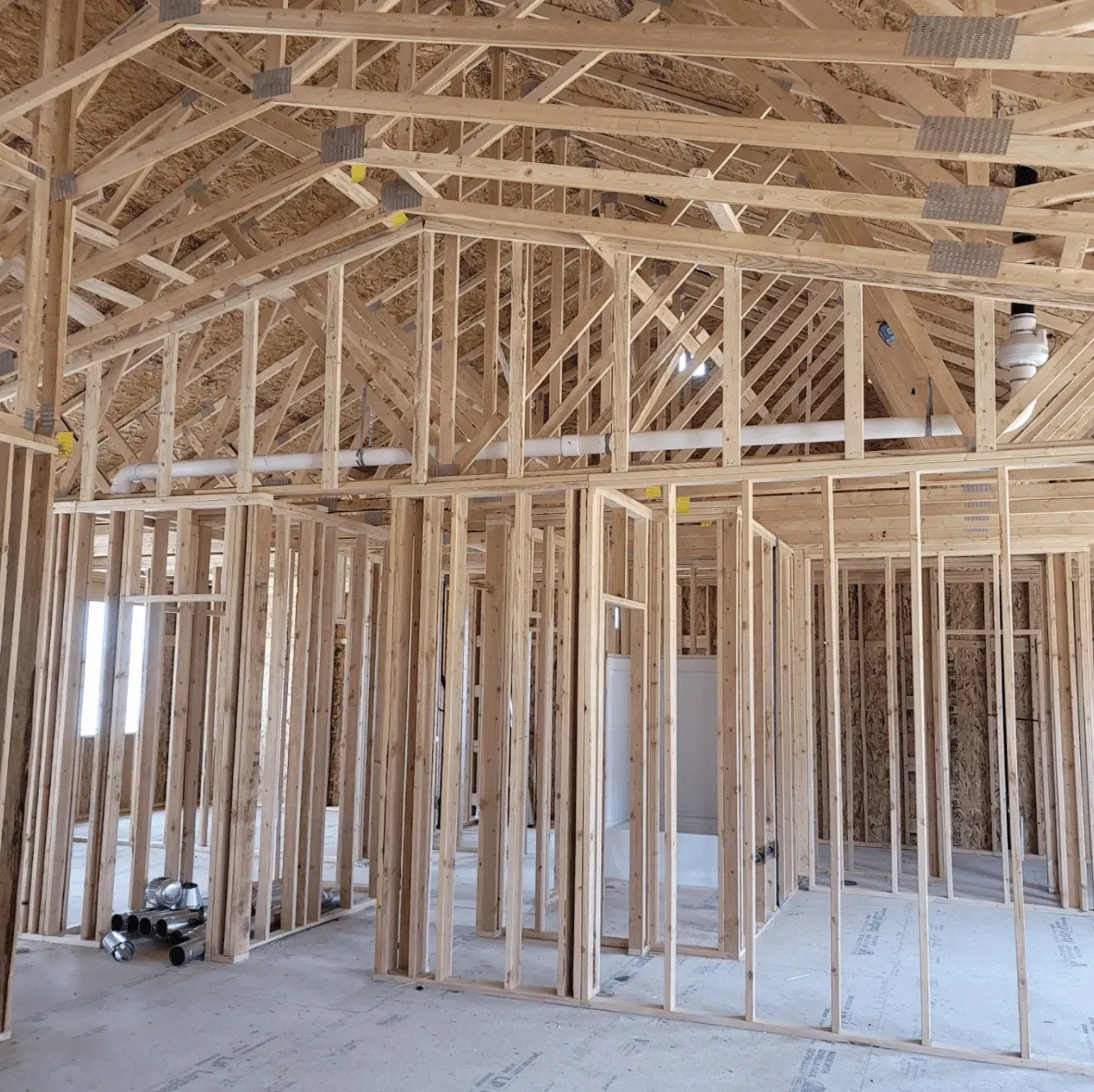
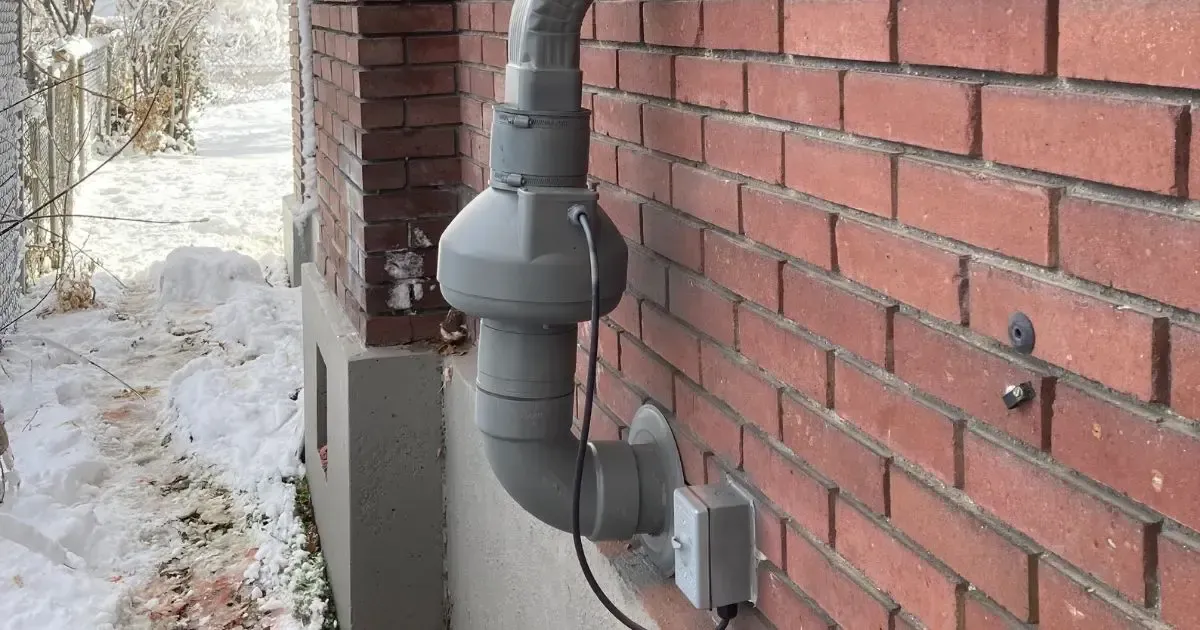
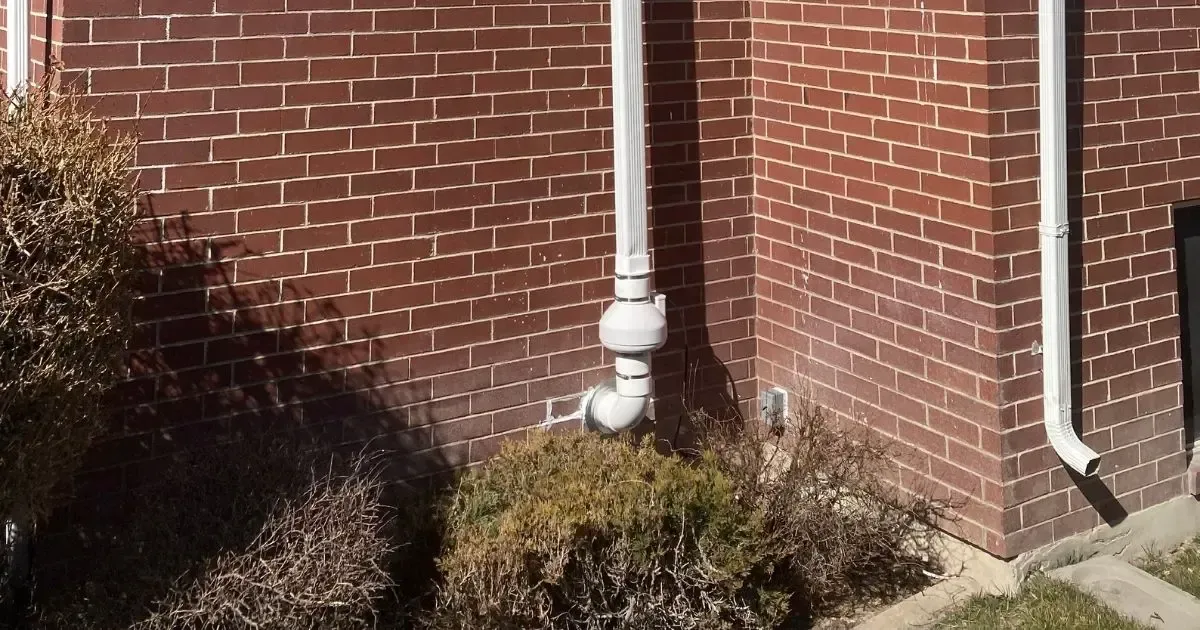
sub-slab depressurization. A technician drills through the foundation, inserts a pipe, and uses a fan to draw radon out from underneath the slab and vent it safely above the roofline. Homes with a standard poured concrete slab are generally the most straightforward to work with. Homes with
crawl spaces,
multiple foundation types, or finished basements may require a different approach or more labor, which affects the final cost.
The Number of Suction Points Needed
Some homes need one entry point to pull radon from the soil beneath the slab. Others, due to how the aggregate is packed under the concrete or how the home was built, require two or more. A qualified technician determines this during the assessment, not after the job is done. If a company quotes you a single-point price without looking at your home, that quote may change.
Where the Pipe Needs to Go
The pipe running from below your foundation needs to exit above your roofline. In some homes,
routing that pipe through interior walls is cleaner and less visible. In others, exterior routing makes more sense. Interior routing typically takes more labor. Both approaches work. The path your home allows for determines part of the cost.
Fan Selection
Not every home needs the same fan. The fan size is matched to the volume of air to be moved and the system’s resistance. A properly sized fan runs quieter, lasts longer, and keeps your energy costs low. Radon Be Gone uses fans backed by a five-year manufacturer’s warranty, and every system comes with a lifetime transferable warranty on the installation itself.
Post-installation Testing
After a system is installed, radon levels need to be verified. This step confirms the system is working as it should. At Radon Be Gone,
follow-up testing is part of the process, not an add-on. You should know your levels are down before the job is considered finished.
Why Salt Lake City Homes Have a Radon Problem Worth Taking Seriously
Utah’s geology puts it in a high-radon category. The soil and rock composition across the Wasatch Front releases uranium as it breaks down naturally, and radon gas follows.
Salt Lake City homes sit on soil that consistently produces elevated radon readings, and the EPA classifies most of Utah as Zone 1, indicating the highest potential for
radon exposure.
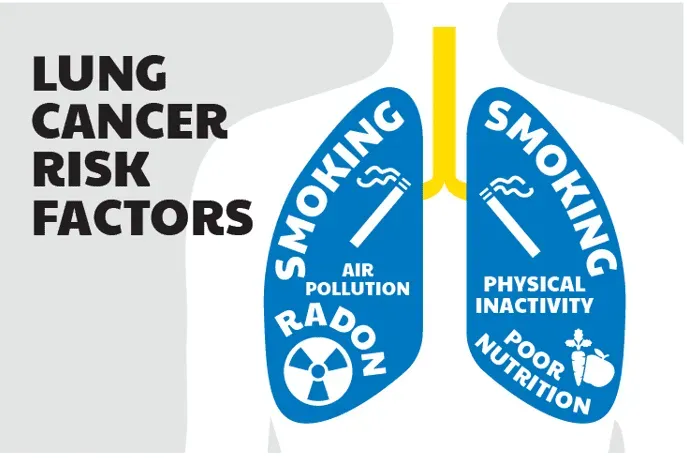
Radon is the second leading cause of
lung cancer in the United States, responsible for around 21,000 deaths annually. That statistic lands differently when your test results are sitting on the counter in front of you. The good news is that mitigation works. A properly installed system brings radon levels down reliably, and the cost of doing it is a fraction of what most homeowners spend on other home improvements.
What You Get With Radon Be Gone
Radon Be Gone has been doing this work since 2008. The team has installed more than 20,000 systems across Utah and the surrounding states, and they hold certifications through AARST and NRPP, the nationally recognized bodies for radon professionals. That is not a minor distinction. Certification means the technicians working on your home have passed rigorous testing and are held to professional standards.
Every system Radon Be Gone installs carries a lifetime transferable warranty. That means if you sell your home, the warranty goes with it. For buyers and sellers alike, that documentation carries real weight during a
real estate transaction.
The goal every time is to bring radon levels down to 2.7 pCi/L or lower. The EPA action level is 4.0 pCi/L, so Radon Be Gone is not just meeting the minimum. They are going past it.
Get a Free Quote
Frequently Asked Questions
Is the Cost of Radon Mitigation Worth It?
Yes. A working system brings radon levels down, adds documented value to your home, and gives you cleaner air in the spaces where your family spends the most time. Most homeowners say they wished they had done it sooner.
How Long Does a Radon Mitigation System Last in a Salt Lake City Home?
Most systems last
10 to 20 years. The fan is the part most likely to need replacement over time. Radon Be Gone backs every installation with a lifetime transferable warranty and a five-year manufacturer’s warranty on the fan.
Does Homeowner's Insurance Cover Radon Mitigation Costs?
Generally, no.
Most policies treat it as a home improvement rather than a covered loss. The cost is typically paid out of pocket, though buyers and sellers sometimes negotiate it during a real estate transaction.
Will I Need to Pay for Ongoing Maintenance After My System Is Installed?
Radon systems are
low-maintenance. The fan runs continuously without regular servicing.
Retesting every two years is recommended to confirm that levels are staying down.
What Happens If My Radon Levels Are Still High After Installation?
Radon Be Gone guarantees every system brings levels down to 2.7 pCi/L or lower. Follow-up testing is included. If the numbers are not where they should be, the issue gets diagnosed and corrected.
Can the Cost of Radon Mitigation Be Negotiated During a Home Sale in Salt Lake City?
Yes. If a
home inspection reveals radon above 4.0 pCi/L, buyers regularly request mitigation before closing or a credit toward the cost. Having a system already installed and documented by a certified company can keep a sale on track.
Is the Cost Different for Older Salt Lake City Homes Versus Newer Construction?
It can be. Older homes with complex foundations or crawl spaces may require more labor.
Newer homes are often more straightforward. A technician assessment before quoting is the only reliable way to know what your home needs.
Get an Accurate Quote for Your Salt Lake City Home Today!
The most reliable way to get a real number is to have someone look at your home. Radon Be Gone offers free quotes with no obligation. A certified technician will assess your foundation, your home’s layout, and the best routing for your system before giving you a price.
There are no surprise fees on installation day. What you are quoted is what you pay.
If your test results are above 4.0 pCi/L, or if you have not tested yet and want to know where your home stands, Radon Be Gone is a straightforward call or form submission away.
Get a Free Quote
Order a Test Kit
![Blue periodic table tile for radon, element 86, with symbol Rn and mass [222].](https://le-cdn.hibuwebsites.com/09c3a4288d5947b58ca8220076f73b94/dms3rep/multi/opt/radon-periodic-table-rn-86-radon-be-gone-1920w.webp)