Radon gas is a naturally occurring, colorless, odorless radioactive gas that can pose serious
health risks to homeowners when it accumulates indoors. In Utah, concerns about radon exposure have led to extensive discussion around mitigation requirements and the best practices to ensure a safe living environment. This page explores the current state laws, guidelines, and circumstances under which radon mitigation becomes not only advisable but essential..
Get a Free Quote
State Laws and Guidelines in Utah
Utah does not have a mandatory radon mitigation law for all residential properties; however, there are specific guidelines and recommendations that homeowners should consider. Various state agencies and national organizations provide insight into radon levels deemed acceptable and the actions required if levels exceed these recommendations.
Utah’s Guidelines
While there is currently no law in Utah that requires radon mitigation for all homes, state agencies advise homeowners to test and act if radon levels are above the recommended threshold. The Environmental Health Department in Utah aligns with the Environmental Protection Agency’s (EPA) action level recommendations.
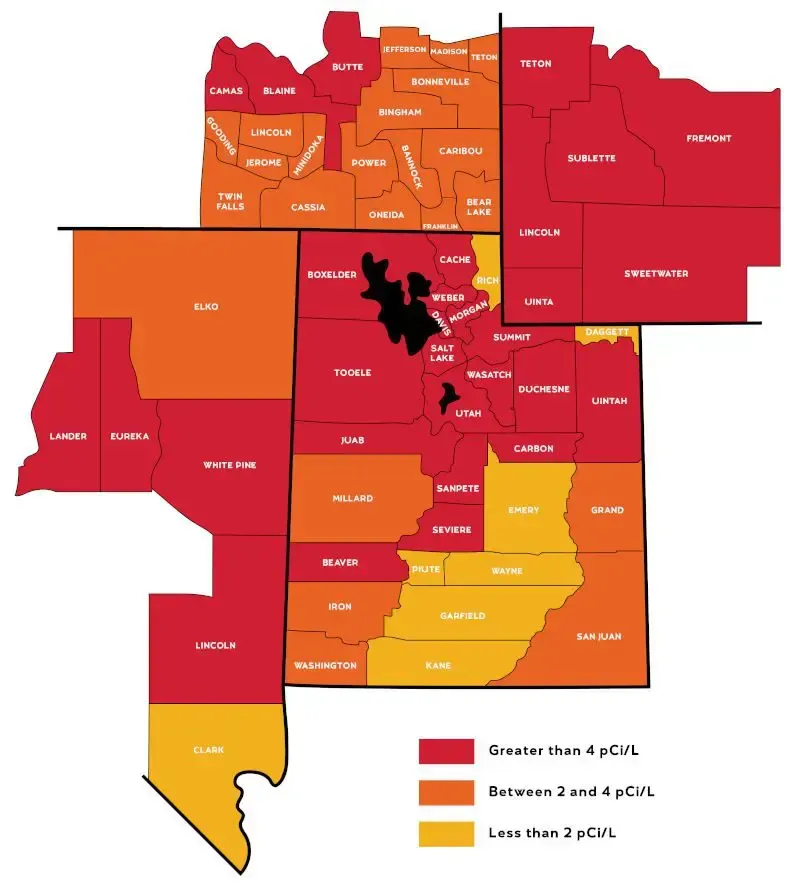
- If radon levels are below the EPA action level of 4 pCi/L (picocuries per liter), the risk is considered low, though further evaluation might be recommended during real estate transactions or property modifications.
- If testing reveals levels at or above 4 pCi/L, mitigation becomes a wise investment to reduce long-term health risks.
- Some municipalities or areas may have additional local recommendations, so verifying
local guidelines is essential.
Real Estate and Disclosure Requirements
For those buying or selling property in Utah, the presence of radon and the existence of mitigation systems can play a role in the transaction. Here are some vital points:
- Disclosure: Many real estate contracts include a radon disclosure clause. Sellers are often required to inform potential buyers about known radon levels and any remediation efforts already made.
- Testing Requirements: Buyers may choose to perform independent radon testing once a property is under contract. This sometimes even forms a condition of sale.
- Mitigation Systems: Homes that have been mitigated may have added value and provide reassurance to buyers concerned about radon exposure.
When is Radon Mitigation Necessary?
Not every property in Utah will necessitate radon mitigation immediately. However, several circumstances indicate that mitigation should be considered to ensure a safe indoor environment.
Radon Testing: The First Step
Before making decisions about mitigation, testing is essential. Homeowners can perform simple DIY radon tests or hire professionals to conduct comprehensive testing. The test results will determine whether mitigation is necessary.
Recommended steps for testing include:
- Obtain a
radon test kit approved by the relevant state or national agencies.
- Place the kit in the lowest livable area of the home.
- Follow the testing kit instructions carefully and send it to an accredited laboratory for analysis.
- Review the results and consult with a radon professional if elevated levels are detected.
When Should You Consider Mitigation?
If your radon test results show levels at or above 4 pCi/L, then it is highly recommended to pursue mitigation measures. Additional factors that influence the decision include:
- Duration of Exposure: Homes where occupants spend a maximum number of hours in enclosed spaces need immediate action.
- Occupant Health: Residents with pre-existing respiratory conditions or a family history of cancer should be extra cautious.
- Property Usage: Consideration should be given if the property is used for activities that involve prolonged indoor occupation, such as home offices or bedrooms in the basement.
Radon Mitigation Techniques in Utah
Once you conclude that your home requires radon mitigation, it is important to understand the methods available. Radon mitigation techniques have evolved over the years, with modern systems focused on reducing radon concentration efficiently and effectively.
Common Mitigation Methods
There are several techniques used by professionals to reduce indoor radon levels. The following methods are widely accepted and practiced:
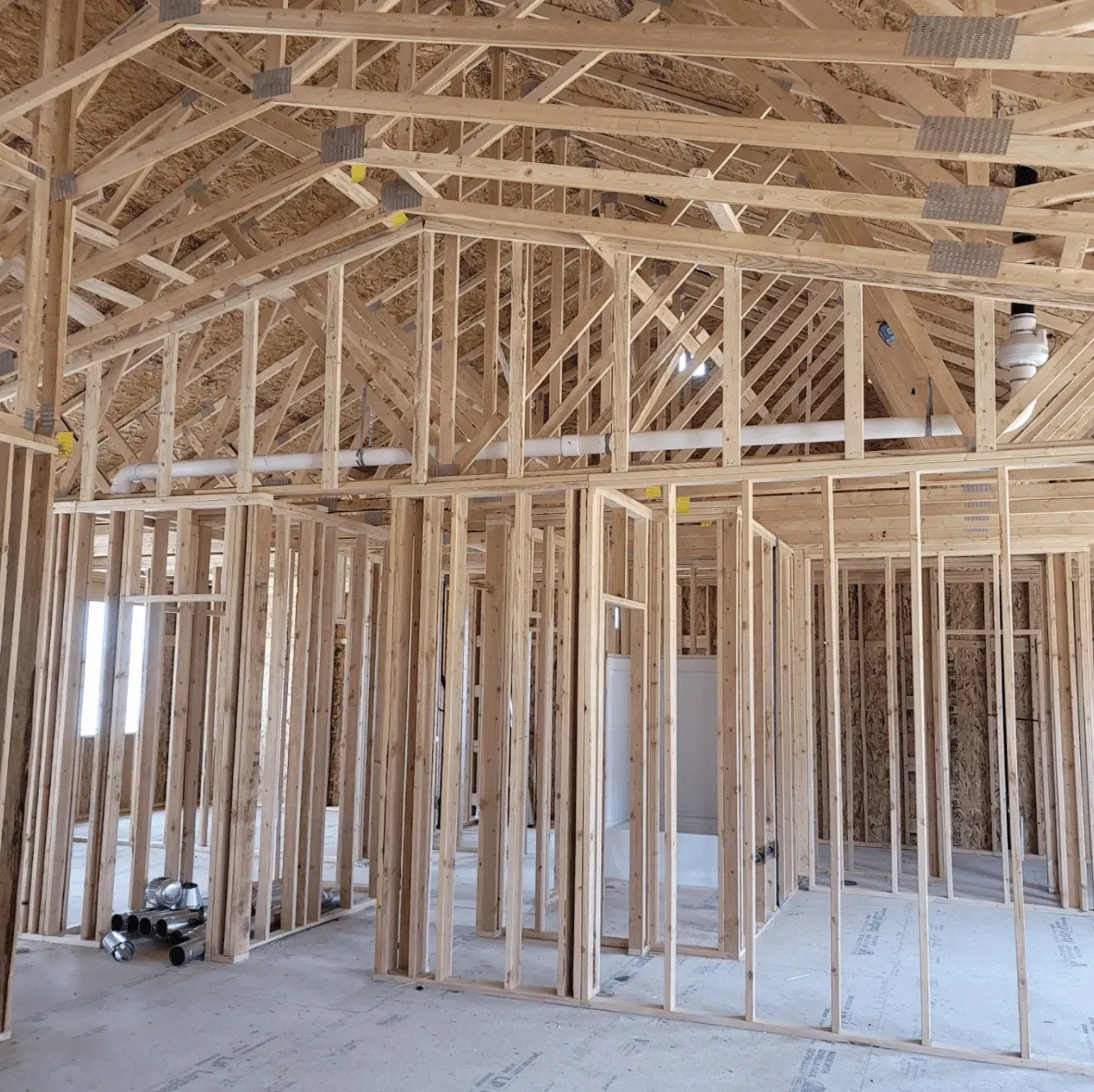
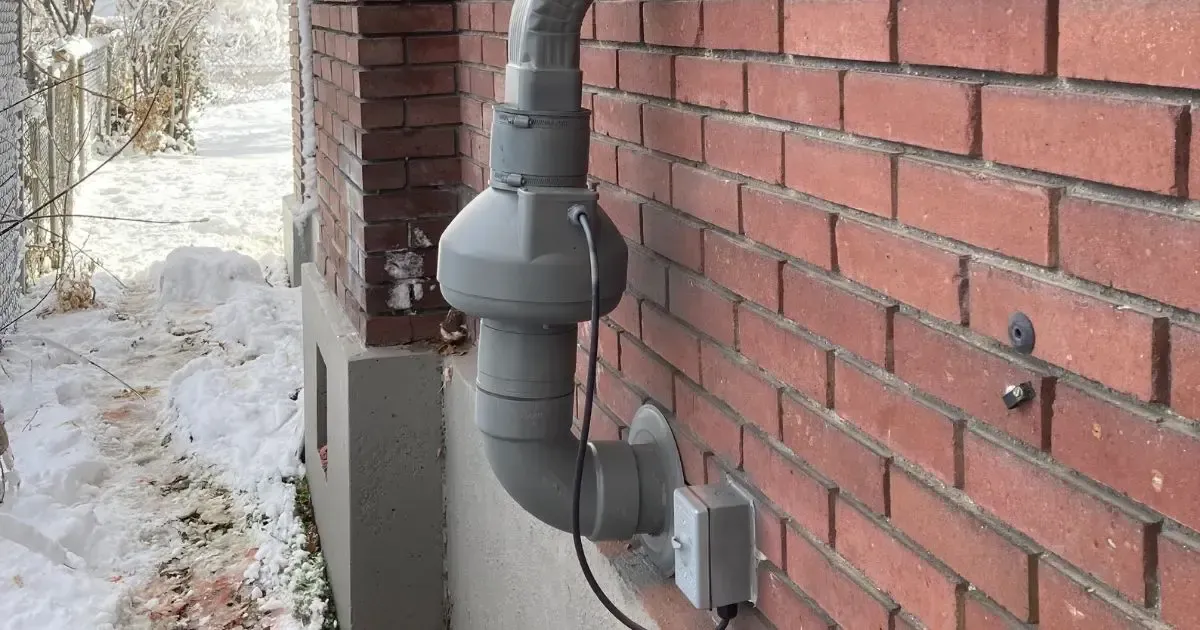
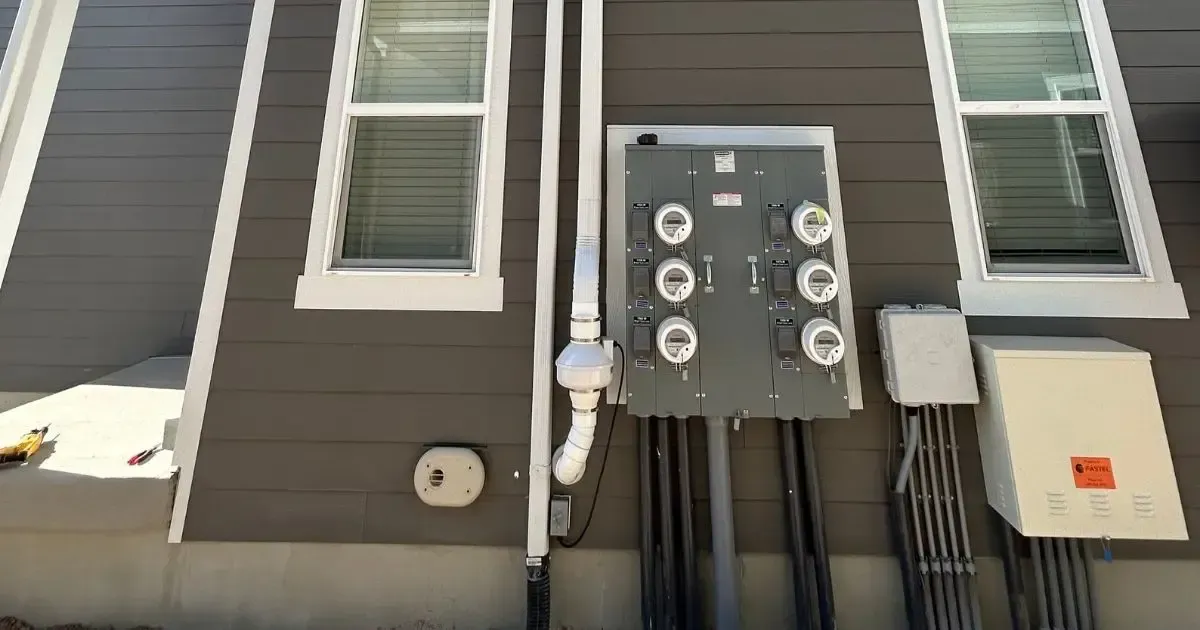
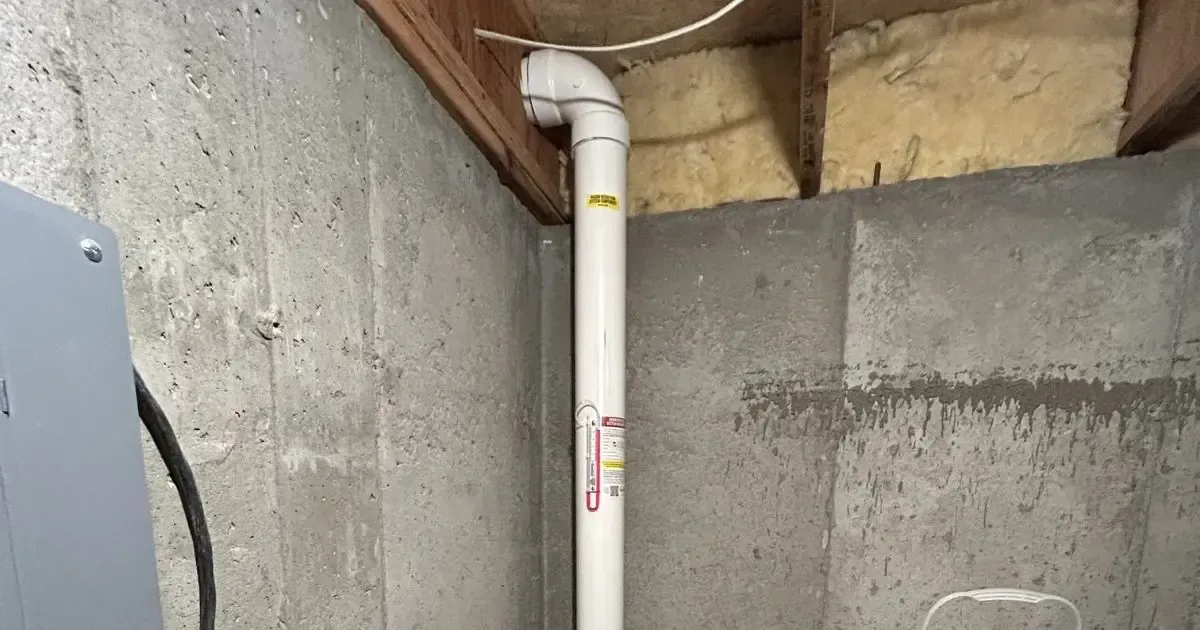
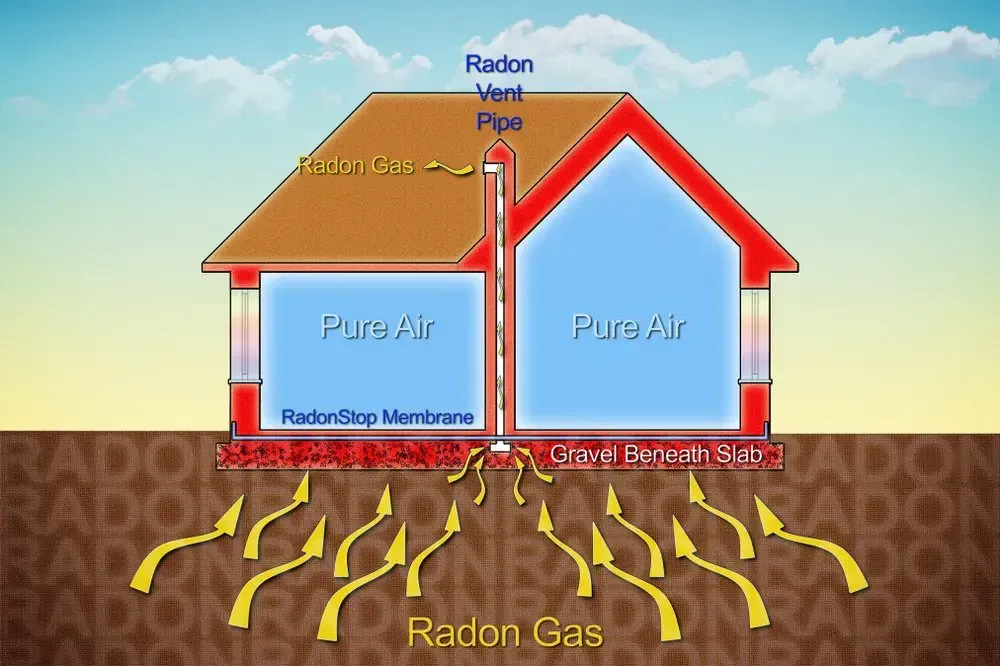
- Sub-Slab Depressurization: The most commonly used method, sub-slab depressurization, involves creating a suction point beneath the foundation to draw radon out before it enters the living space.
- Crawlspace Ventilation: For homes with crawlspaces, improved ventilation can help reduce radon build-up by circulating fresh air.
- Sealing Cracks and Openings: Sealing the cracks in floors and walls where radon enters can reduce the gas’s entry points, though this is generally used in conjunction with active systems.
- Active Ventilation: Using fans and ventilation systems to bring in outdoor air can help manage indoor radon levels, particularly in tightly sealed homes.
Professional Mitigation Services
Professional radon mitigation services offer several benefits, including:
- Accurate Testing: Professionals use calibrated equipment to measure radon levels accurately.
- Certified Installations: Mitigation systems installed by
certified professionals are more likely to comply with industry standards and local guidelines.
- Long-Term Safety: Ongoing monitoring and maintenance ensure that radon levels remain low over time.
Why Utah Homeowners Should Act
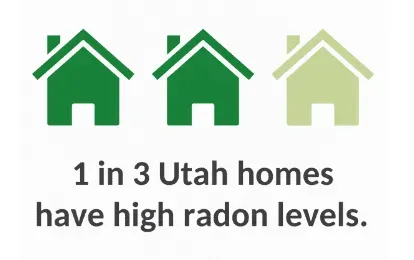
Utah’s diverse geological formations mean that radon is a possibility in many areas. Even though state laws do not mandate mitigation in every instance, the potential health risks should drive homeowners to be proactive. Ensuring your home is safe can provide peace of mind and protect your family’s long-term health.
Community and Environmental Considerations
Radon issues aren’t isolated to individual homes; they affect entire communities. By addressing radon problems at the household level, you contribute to broader public health efforts. Community initiatives and local health groups in Utah actively promote radon testing and awareness, underscoring the importance of this issue.
Real-World Impact
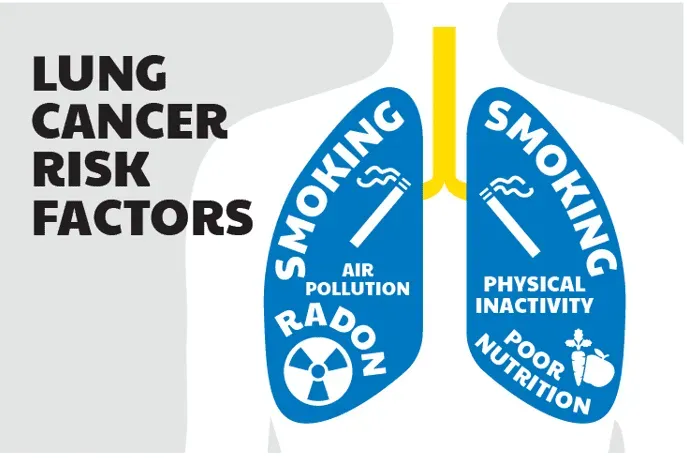
Statistics show that lung cancer remains one of the leading causes of cancer-related deaths. Exposure to elevated radon levels is one of the few preventable causes of
lung cancer. Taking active steps to mitigate radon is not just about following guidelines—it’s about protecting lives.
Expert Recommendations and Tips
In addition to professional advice, several expert recommendations can help Utah homeowners address radon issues more effectively:
- Regular Testing: Even if initial tests show low levels, periodic re-testing is advisable, particularly if home renovations or changes in ventilation occur.
- Choose Certified Professionals: When mitigating, always hire professionals who are certified and experienced in radon remediation to ensure proper system installation.
- Integration with Home Improvements: Consider integrating radon mitigation during major home improvement projects. This proactive approach often results in a more cost-effective long-term solution.
- Educate Family Members: Understanding radon and its effects can help your family recognize warning signs and the necessity of regular testing.
Frequently Asked Questions
To help clarify the critical aspects of radon mitigation in Utah, we have compiled answers to some frequently asked questions.
What is the EPA Action Level for Radon?
The EPA recommends that homes with radon levels at or above 4 pCi/L should undergo mitigation to reduce the associated health risks.
Is Radon Mitigation Legally Required in Utah?
While mitigation is not legally mandated for all residential properties in Utah, many professionals and state agencies strongly recommend taking proactive measures if radon levels are elevated. In real estate transactions, radon disclosure is often a critical requirement.
How Long Does Radon Mitigation Take?
Mitigation systems are designed to be installed efficiently, typically within a day. However, post-installation testing and follow-up may take several weeks to confirm that the system is functioning effectively.
Are There Maintenance Costs Associated with Radon Mitigation?
Maintenance costs for a radon mitigation system are generally low compared to health costs stemming from radon exposure. Regular inspections and testing are the primary ongoing expenses, helping to ensure that the system continuously performs its function.
Conclusion
While Utah does not universally mandate radon mitigation by law, the well-established health risks associated with prolonged radon exposure underscore the importance of taking control of this invisible danger. Through regular radon testing, professional consultation, and the installation of certified mitigation systems, Utah homeowners can create safer indoor environments for their families.
Investing in radon mitigation is an investment in long-term health, property value, and community safety. With clear guidelines and an array of professional services available, addressing radon concerns has become a straightforward task for Utah residents. Understanding when and why mitigation is necessary empowers you to make informed decisions that protect you and your loved ones.
Don’t wait until radon exposure becomes a significant health issue. Explore our services, get your home tested, and take proactive steps toward a safer living environment. Remember, your health is priceless, and preventing the dangers of radon today can help you avoid costly health hazards tomorrow.
Get a Free Quote
![Blue periodic table tile for radon, element 86, with symbol Rn and mass [222].](https://le-cdn.hibuwebsites.com/09c3a4288d5947b58ca8220076f73b94/dms3rep/multi/opt/radon-periodic-table-rn-86-radon-be-gone-1920w.webp)