Radon is a naturally occurring radioactive gas that poses significant health risks when accumulated in indoor environments. Understanding how radon levels change over time is crucial for maintaining a safe home or workplace. In this comprehensive guide, we’ll explore the dynamics of radon levels, their impact on health, and actionable steps you can take to monitor and mitigate radon exposure effectively.
Do Radon Levels Change Over Time?
Yes, radon levels can fluctuate over time due to various factors. Recognizing these changes is essential for ensuring continuous protection against radon exposure.
Natural Processes Affecting Radon Levels
- Geological Activity: Changes in the Earth’s crust can alter the movement of radon gas from the ground into buildings.
- Weather Patterns: Heavy rains or droughts can influence the soil moisture and pressure, affecting radon seepage rates.
Seasonal Variations
Radon concentrations often vary with seasons:
- Winter: Homes are typically sealed against cold weather, reducing ventilation and potentially increasing indoor radon levels.
- Summer: Enhanced ventilation and open windows can help disperse radon gas, leading to lower indoor concentrations.
Structural Changes in Buildings
Modifications or wear and tear in a building’s structure can impact radon levels:
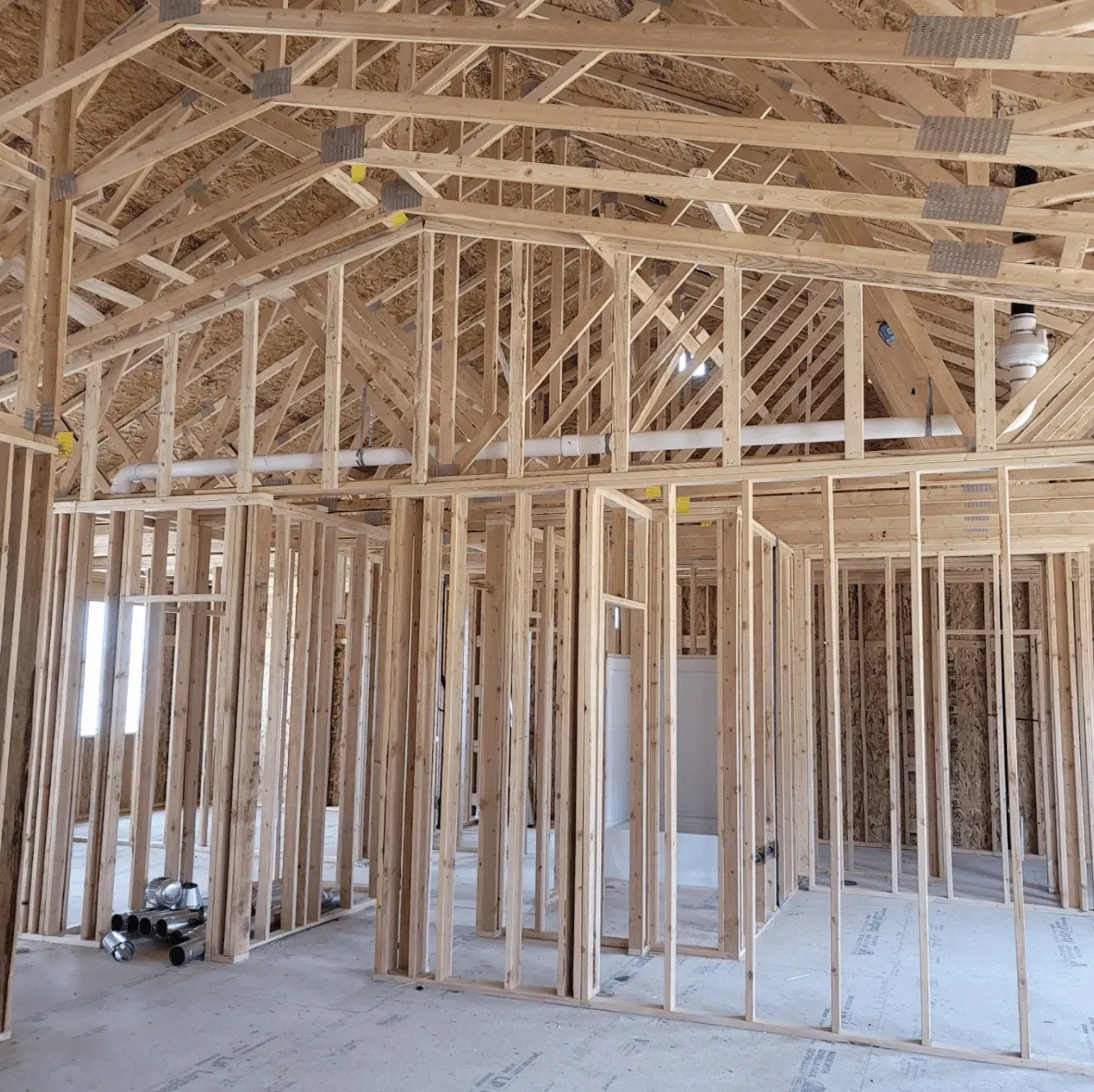
- Renovations: Installing new windows, doors, or insulation might create new pathways for radon entry.
- Foundation Settling: Over time, foundations can develop cracks, increasing radon infiltration.
Get a FREE Quote
Impact of Changing Radon Levels on Health
Consistent exposure to elevated radon levels can have severe health implications. Understanding how fluctuating radon levels influence your well-being is vital.
Health Risks Associated with Radon Exposure
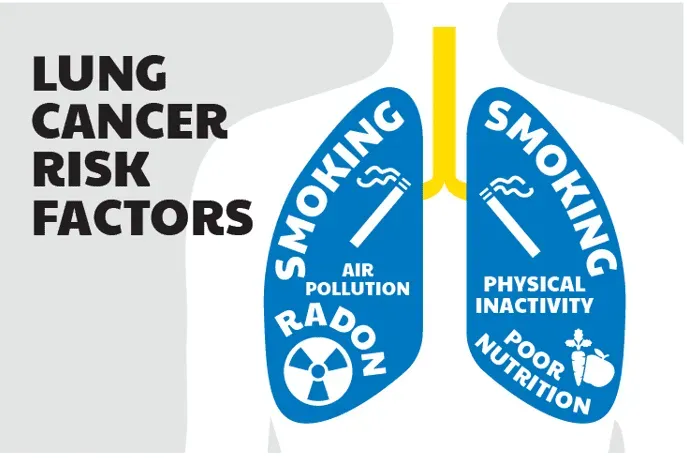
- Lung Cancer: Radon is the second leading cause of lung cancer after smoking. Prolonged exposure increases the risk significantly.
- Respiratory Issues: Even lower levels of radon can exacerbate respiratory conditions like asthma or bronchitis.
How Changing Levels Can Affect Health
- Inconsistent Exposure: Variations in radon levels can lead to unpredictably high exposures, making it challenging to assess long-term health risks.
- Cumulative Effects: Regular fluctuations without mitigation can accumulate over time, increasing cancer risks.
Monitoring Radon Levels Effectively
Regular monitoring is the cornerstone of managing radon exposure. Here’s how you can keep track of radon levels in your environment.
How to Test for Radon
- Short-term Tests: These tests remain in your home for 2-7 days and provide a quick snapshot of radon levels.
- Long-term Tests: Spanning 90 days to a year, these tests offer a more accurate representation by averaging fluctuations over time.
When to Retest
- After Structural Changes: Performing a test post-renovation ensures that new pathways haven’t increased radon levels.
- Annually: Regular annual testing can help detect any significant changes in radon concentrations.
- Seasonally: In areas with high radon fluctuations, seasonal testing provides insight into different exposure periods.
Get a FREE Quote
Understanding Changes in Radon Levels
Interpreting the variations in radon levels helps in making informed decisions about mitigation and maintaining a safe environment.
Factors Influencing Radon Level Changes
- Ventilation Changes: Increased or decreased ventilation affects radon accumulation.
- Occupancy Patterns: How and when you use different parts of your home can influence indoor radon levels.
- Building Materials: Certain materials can either trap radon or allow it to escape more easily.
Interpreting Test Results
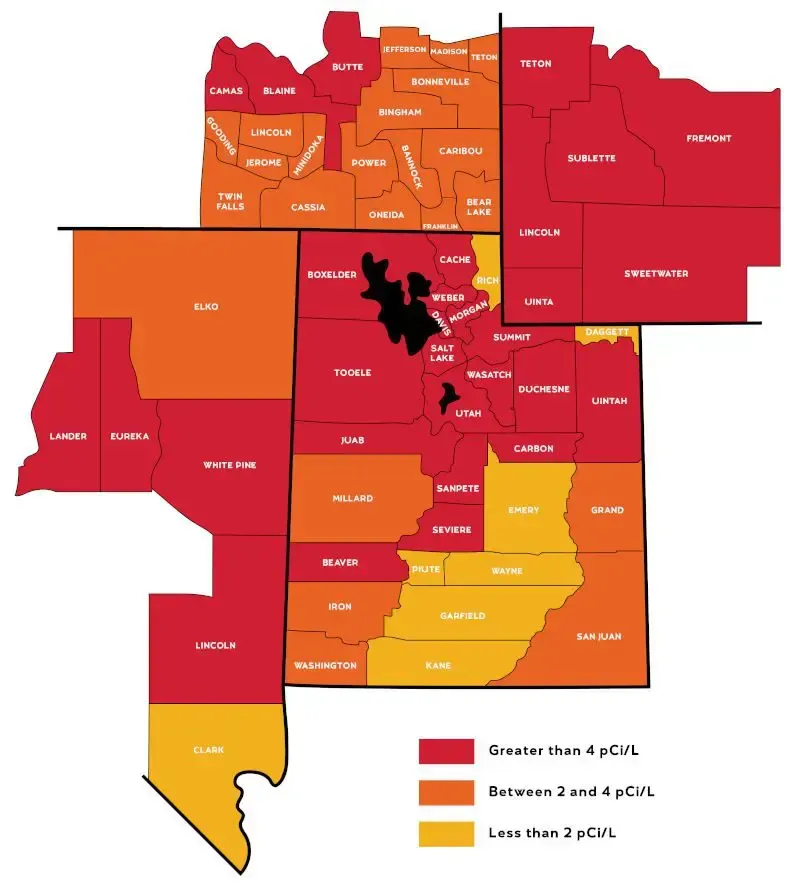
- Below 2 pCi/L: Generally considered low risk, but continued monitoring is recommended.
- Between 2-4 pCi/L: Moderate risk; consider taking steps to reduce radon levels.
- Above 4 pCi/L: High risk; immediate mitigation is advised to protect health.
What You Can Do to Ensure a Safe Environment
Taking proactive measures can help manage and reduce radon levels, ensuring a healthier living space.
Mitigation Methods
- Improved Ventilation: Increasing airflow in your home can help disperse radon gas.
- Sealing Cracks and Openings: Covering entry points in the foundation minimizes radon infiltration.
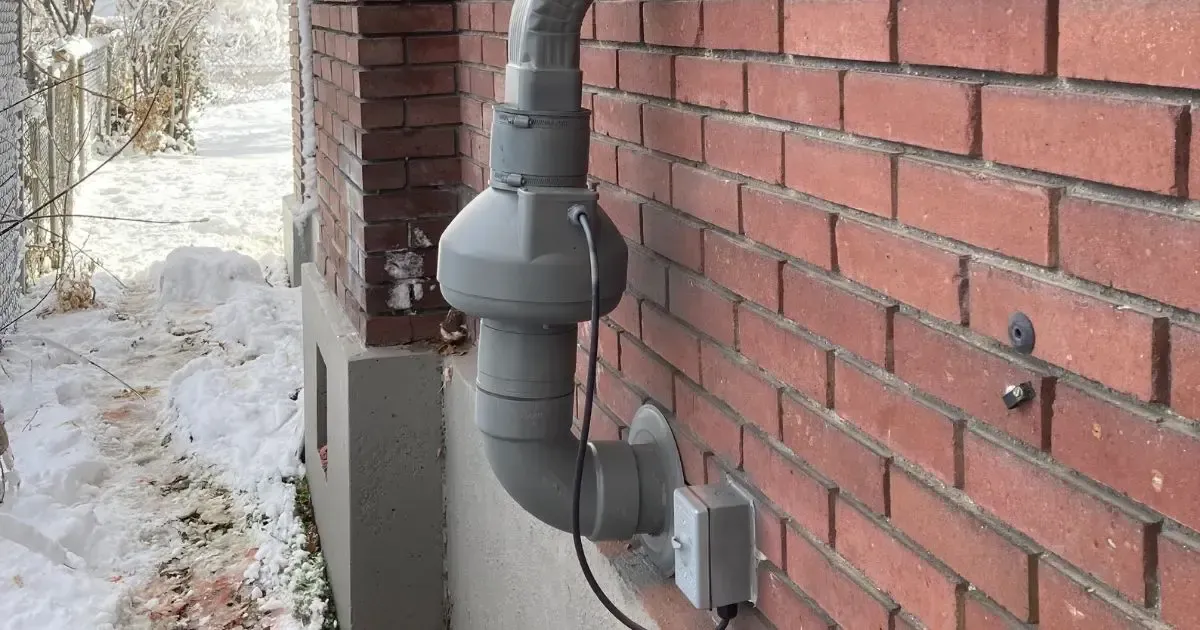
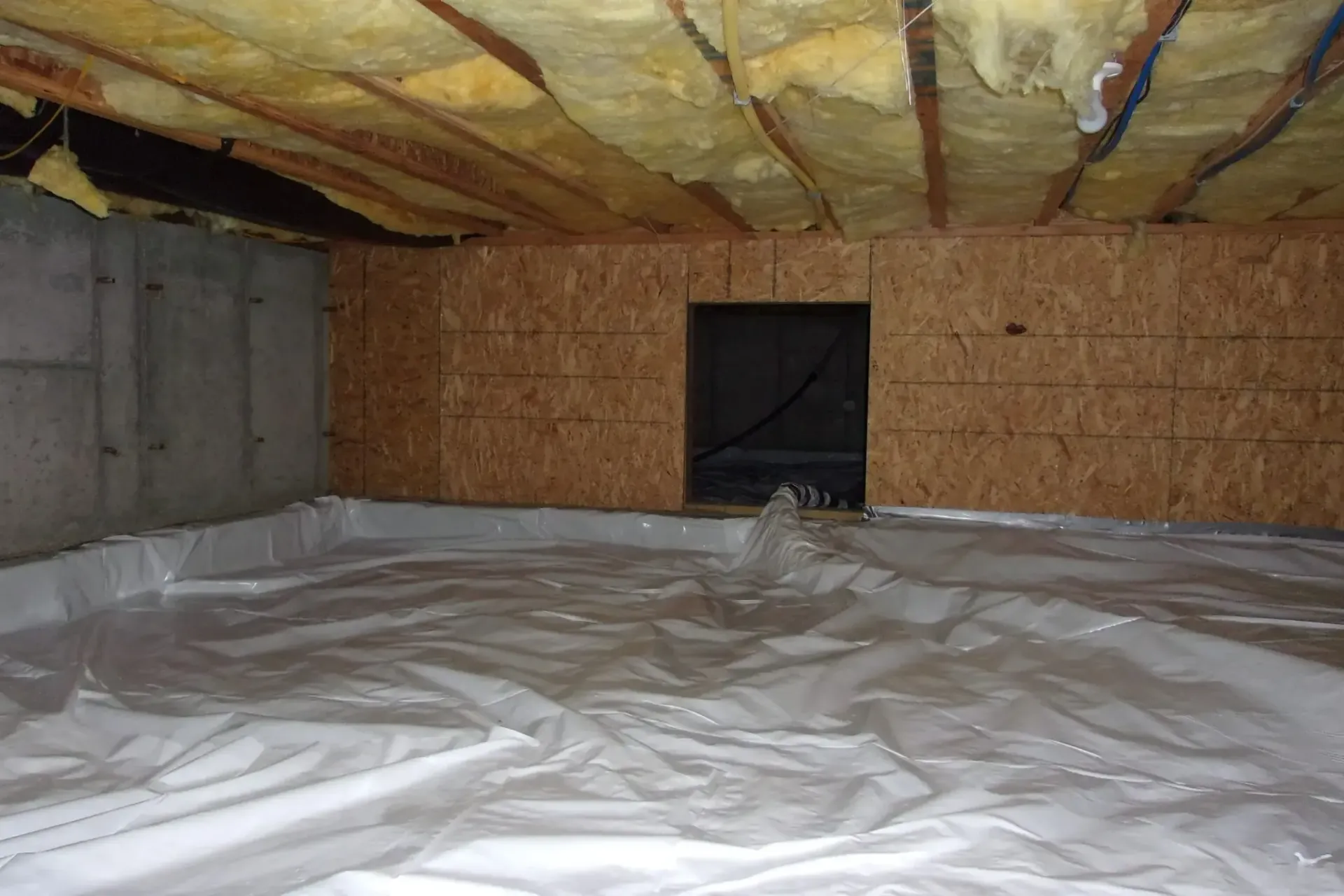
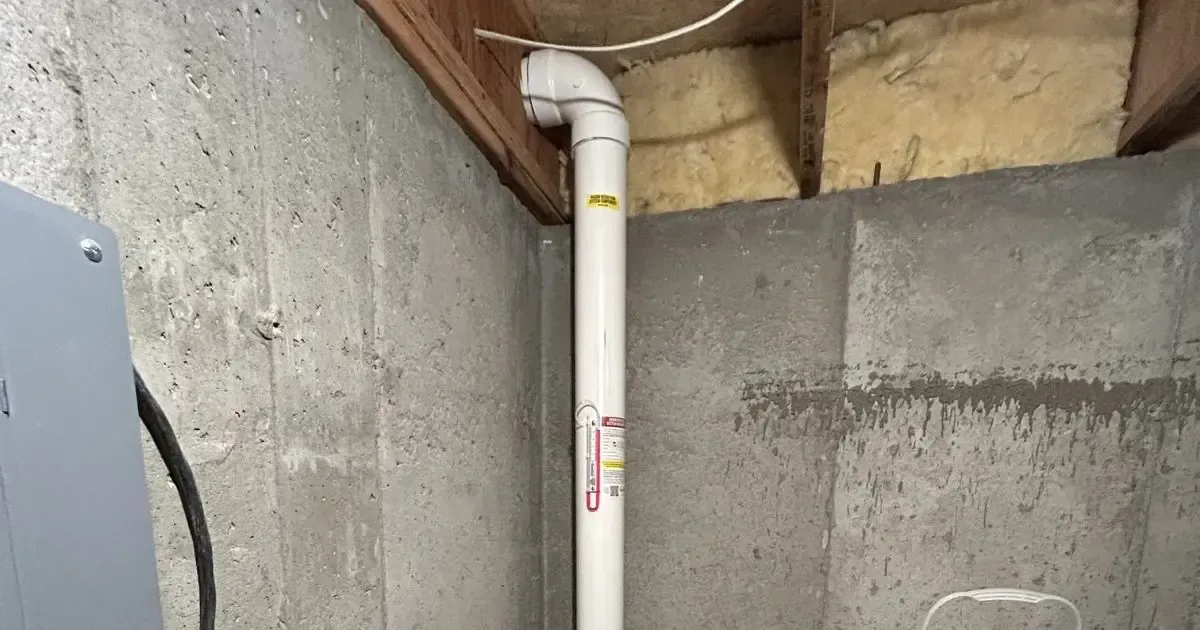
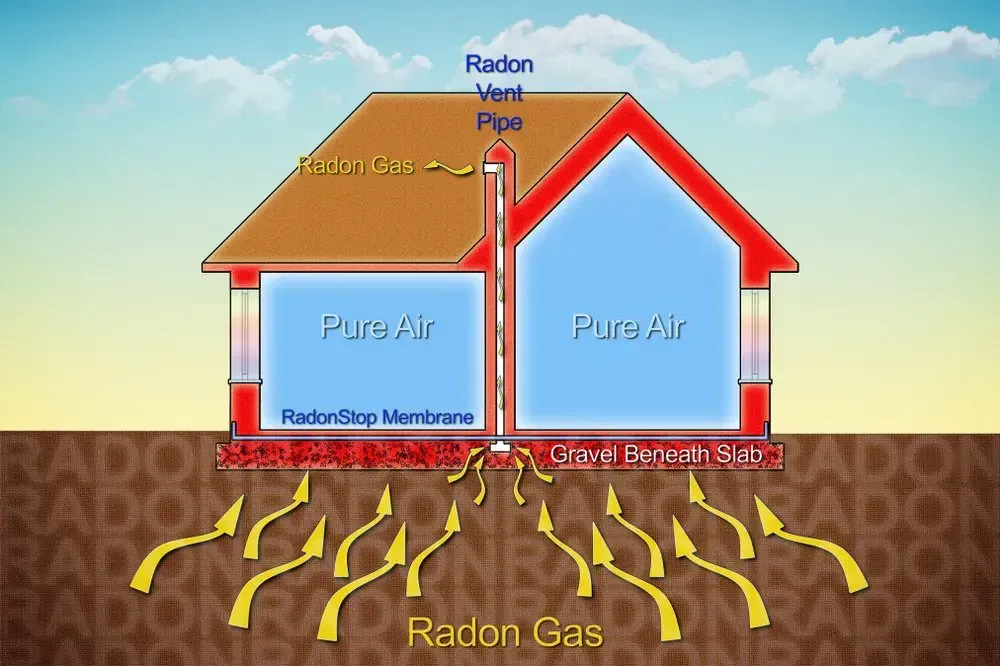
- Radon Mitigation Systems: Professional-installed systems, like sub-slab depressurization, effectively reduce indoor radon levels.
Regular Testing and Maintenance
- Consistent Monitoring: Schedule regular radon tests to stay informed about your indoor air quality.
- System Maintenance: If you have a mitigation system, ensure it’s functioning correctly through periodic checks.
Practical Steps for Homeowners
- Conduct Initial Testing: Begin with a comprehensive radon test to establish baseline levels.
- Analyze the Results: Determine whether mitigation is necessary based on the levels detected.
- Implement Mitigation Strategies: Choose the appropriate methods to reduce radon levels if needed.
- Continue Monitoring: Regularly retest to ensure that radon levels remain safe over time.
Benefits of Professional Radon Testing and Mitigation
Hiring professionals ensures accurate testing and effective reduction of radon levels, providing peace of mind and safeguarding health.
Accurate Detection
- Advanced Equipment: Professionals use sophisticated tools to detect and measure radon accurately.
- Comprehensive Assessment: Experts evaluate your home’s unique structure to identify all potential radon entry points.
Effective Mitigation Solutions
- Customized Approaches: Professionals tailor mitigation strategies to suit your specific home layout and radon levels.
- Reliable Installation: Proper installation of mitigation systems ensures long-term effectiveness in reducing radon levels.
Get a FREE Quote
Frequently Asked Questions (FAQs)
1. How quickly do radon levels change in a home?
Radon levels can fluctuate daily and seasonally, depending on factors like weather, ventilation, and structural changes in the building.
2. Can I reduce radon levels myself without professional help?
While basic steps like increasing ventilation and sealing cracks can help, professional mitigation systems are often necessary for significant radon reduction.
3. Is radon testing covered by insurance?
Some insurance policies may cover radon testing and mitigation, but it varies. It’s best to consult your insurance provider for specific coverage details.
4. How long does a radon mitigation system last?
With proper maintenance, radon mitigation systems can last for many years, often 5-10 years or more, depending on the system type and home conditions.
Take Action Today for a Healthier Tomorrow
Don’t wait until radon levels pose a serious health risk.
Contact our team today for professional radon testing and effective mitigation solutions tailored to your home or workplace. Ensure your environment remains safe and healthy for you and your loved ones.
Call us at (801) 510-8705 or
Schedule a Free Consultation to get started.
Conclusion
Radon levels are not static; they change over time influenced by various environmental and structural factors. By understanding these changes and taking proactive measures, you can effectively monitor and mitigate radon exposure, ensuring a safe and healthy indoor environment. Regular testing, professional mitigation, and informed decision-making are key to managing radon levels and protecting your health.
Remember, your safety is paramount.
Stay informed, stay proactive, and take control of your indoor air quality today.
Get a FREE Quote
![Blue periodic table tile for radon, element 86, with symbol Rn and mass [222].](https://le-cdn.hibuwebsites.com/09c3a4288d5947b58ca8220076f73b94/dms3rep/multi/opt/radon-periodic-table-rn-86-radon-be-gone-1920w.webp)