Pregnancy is a time of heightened awareness and care, as expectant mothers strive to create the safest environment for their developing babies. Amid the myriad of considerations, one often overlooked yet crucial factor is radon exposure. Radon, a naturally occurring radioactive gas, can pose significant health risks to both mother and child if not properly managed.
In this article, we’ll delve into the dangers of radon exposure during pregnancy, provide actionable safety tips, and explore effective ways to minimize this risk in your home.
What is Radon?
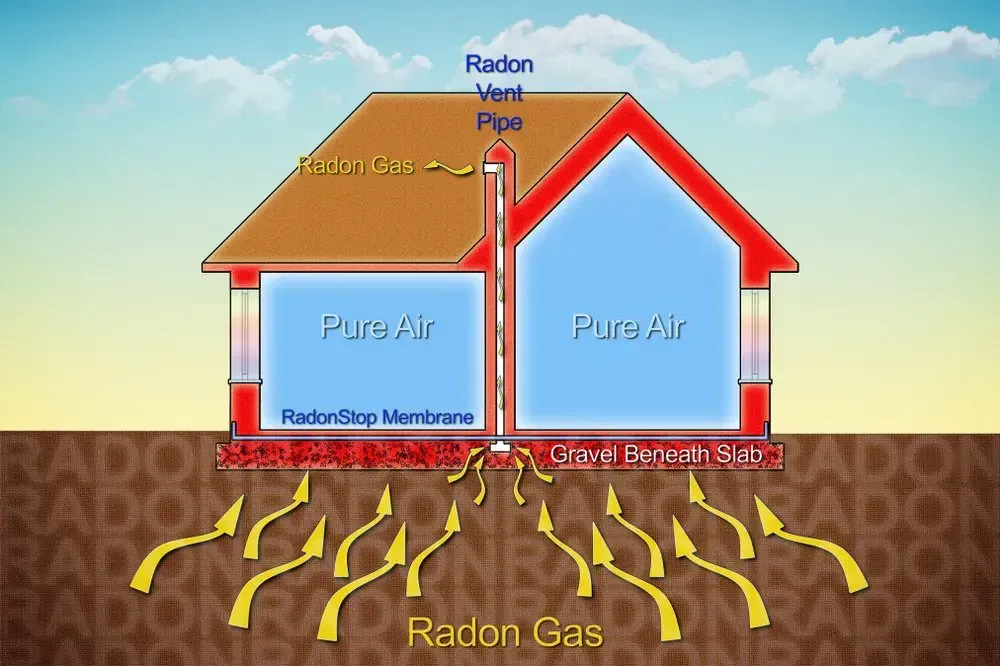
Radon is a colorless, odorless radioactive gas that forms naturally from the decay of uranium in soil, rock, and water. Because it is invisible and undetectable without specialized equipment, it often goes unnoticed in homes and buildings. Radon can seep into buildings through cracks and openings in the foundation, accumulating to levels that may pose health risks over time.
Get a FREE Quote
How Radon Exposure Affects Pregnant Women and Their Babies
During pregnancy, the body undergoes numerous changes that can make women more vulnerable to environmental hazards. Prolonged exposure to elevated radon levels has been linked to several health issues, primarily due to its radioactive properties. Here’s how radon can impact pregnant women and their unborn children:
Health Risks for Mothers
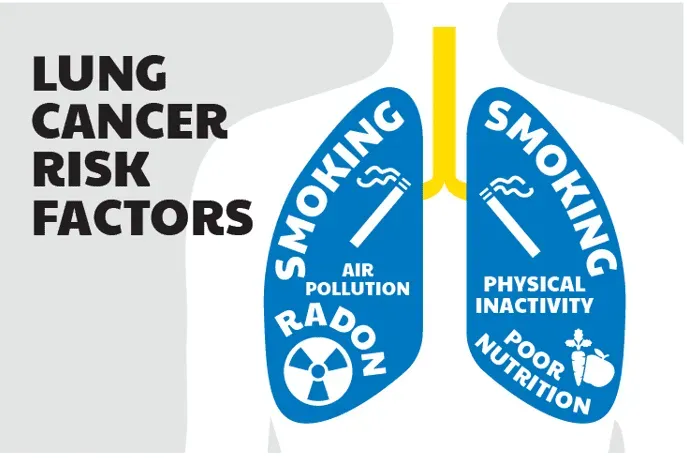
- Increased Risk of Lung Cancer: Radon is the second leading cause of lung cancer after smoking. Pregnant women exposed to high levels of radon have a heightened risk, especially if they are smokers or have a history of lung disease.
- Respiratory Issues: Chronic exposure can lead to respiratory problems, which might complicate pregnancy and overall health.
- Weakened Immune System: High radon levels can stress the immune system, making mothers more susceptible to infections and other illnesses.
Health Risks for Unborn Children
- Developmental Issues: While direct impacts on fetal development are still being studied, the overall health of the mother significantly influences the baby’s growth. Respiratory or systemic issues in the mother can indirectly affect the developing fetus.
- Increased Cancer Risk Later in Life: While the direct correlation is still under research, mitigating radon exposure reduces any potential long-term risks to the child.
Identifying Radon Exposure in Your Home
Detecting radon presence is the first step toward ensuring a safe living environment. Here are ways to identify potential radon exposure:
Signs of Radon Presence
- Frequent Dampness or Water Leaks: Radon can enter homes through moisture-rich areas.
- Visible Cracks in Walls or Floors: These cracks can serve as entry points for radon gas.
- Foundation Gaps: Gaps around pipes or exterior walls are common infiltration points.
Testing for Radon
Radon testing is the only way to determine its presence and concentration in your home. Here are the common testing methods:
- Short-Term Tests: These tests, lasting from a few days to a week, provide a quick assessment. They are ideal for initial screenings.
- Long-Term Tests: Conducted over several months, long-term tests offer a more accurate representation of radon levels, accounting for fluctuations.
- Professional Testing Services: Hiring certified professionals ensures accurate testing and interpretation of results.
Steps to Mitigate Radon Exposure
If testing reveals elevated radon levels, taking immediate action is essential, especially during pregnancy. Here are effective mitigation strategies:
1. Improve Ventilation
Enhancing airflow in your home can significantly reduce radon levels. Consider the following:
- Open Windows and Doors: Increase natural ventilation, especially in lower levels where radon accumulates.
- Install Ventilation Systems: Systems like heat recovery ventilators (HRVs) can help maintain air quality without compromising energy efficiency.
2. Seal Entry Points
Reducing radon entry involves identifying and sealing gaps and cracks in your home’s foundation. Focus areas include:
- Cracks in Floors and Walls: Use appropriate sealants to close these openings.
- Gaps Around Pipes and Sills: Ensure tight seals around all potential entry points.
3. Install Radon Mitigation Systems
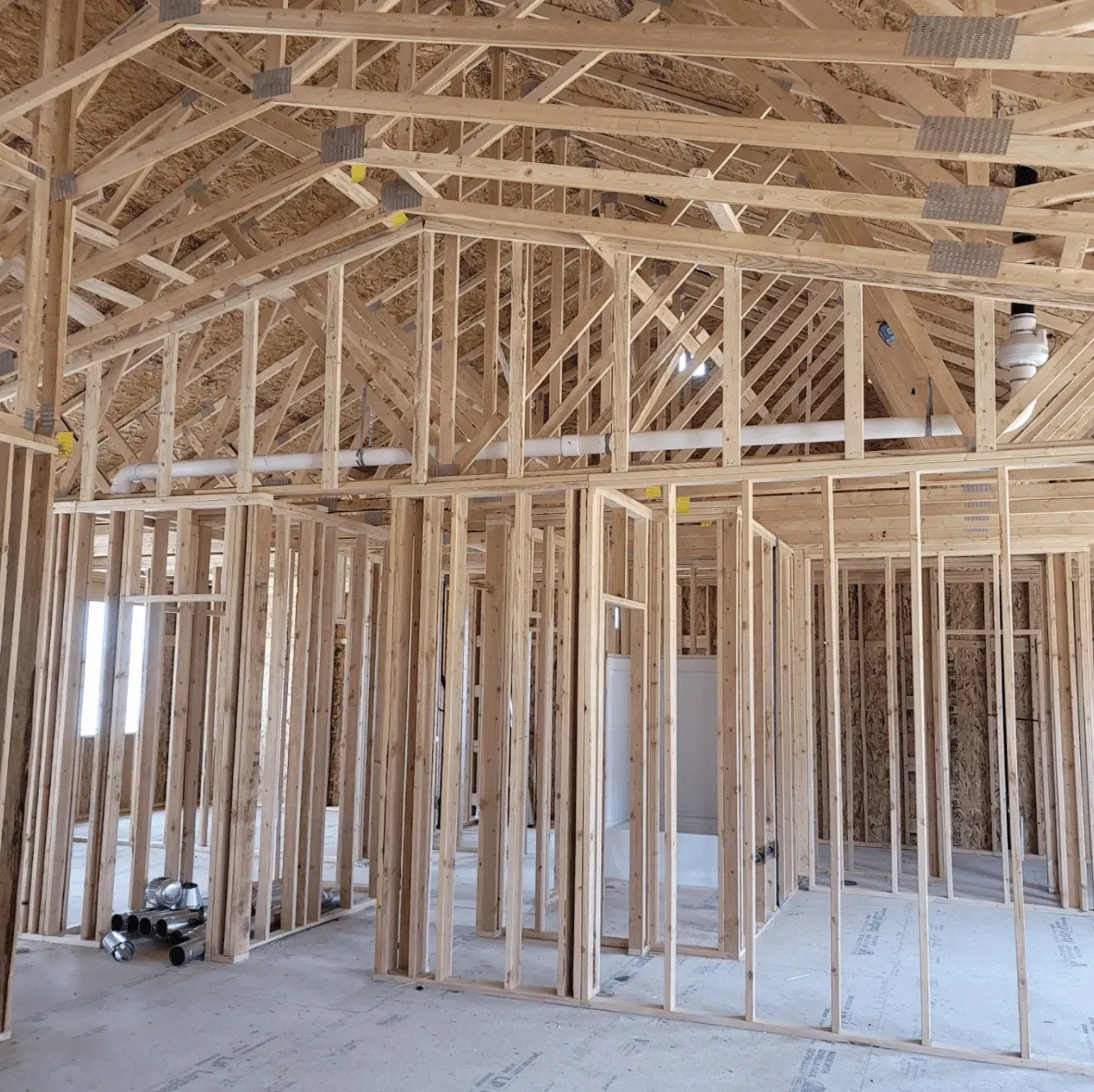
For homes with significantly high radon levels, professional mitigation systems are the most effective solution. Common systems include:
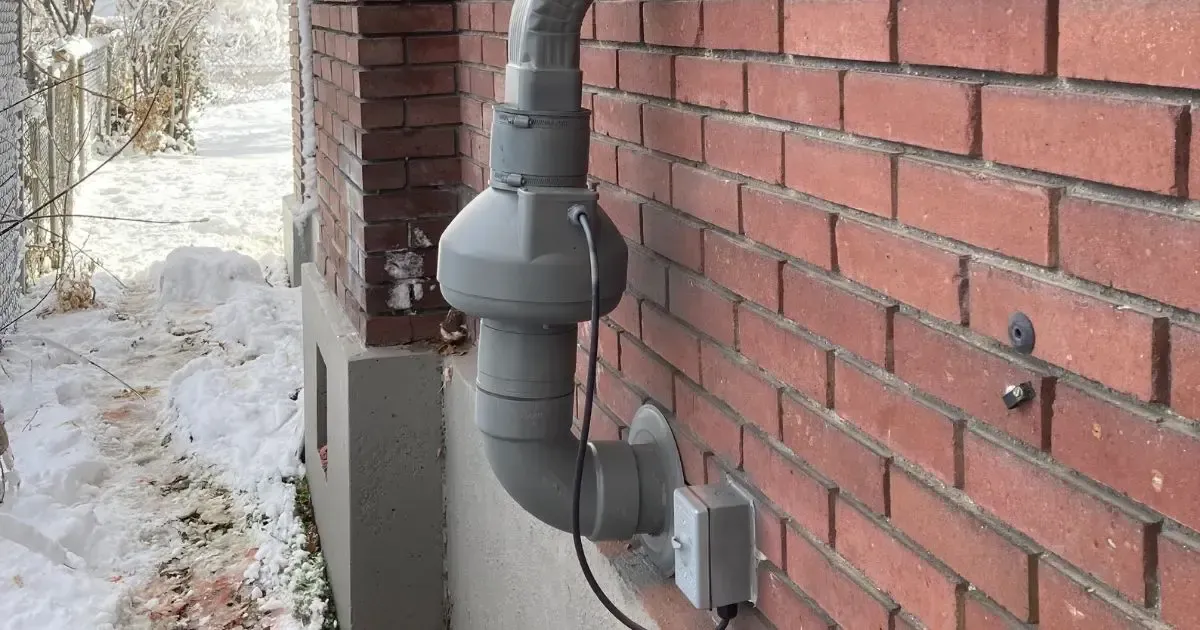
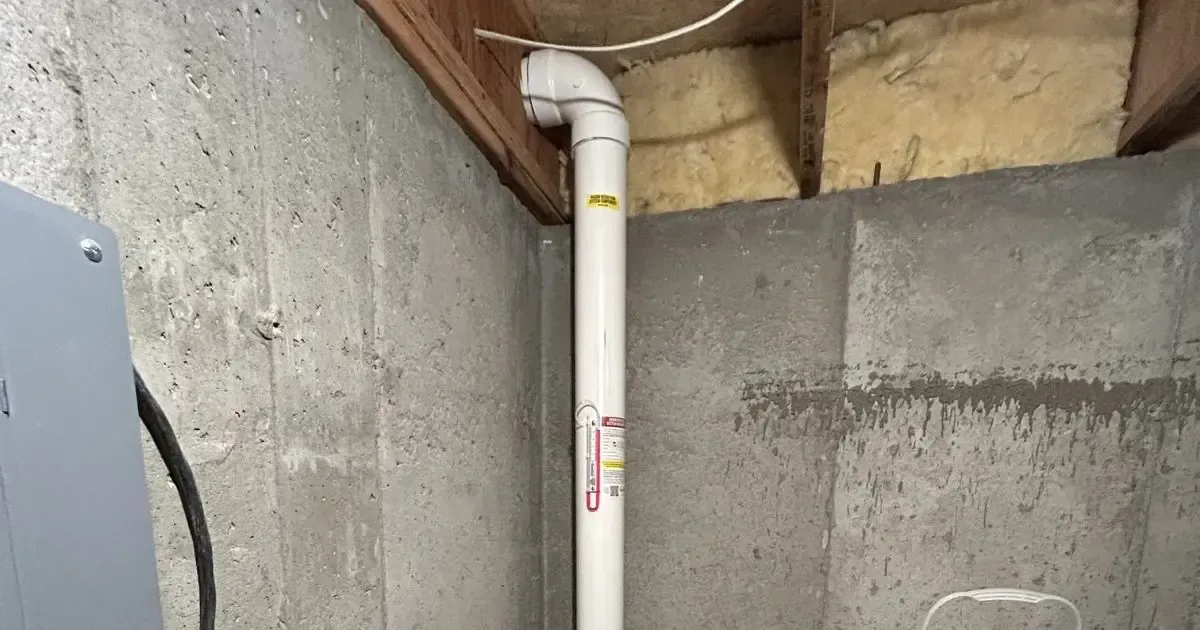
- Active Soil Depressurization (ASD): This system involves installing a vent pipe and fan to draw radon out from beneath the home and release it safely above the roofline.
- Sealed Suction Points: By sealing the points where radon enters the system, the overall radon levels within the home can be effectively reduced.
4. Regular Maintenance
Maintaining mitigation systems ensures their continued effectiveness. Schedule regular inspections and maintenance checks, especially if you’re pregnant and aiming to minimize health risks.
Get a FREE Quote
Safety Tips to Minimize Radon Exposure During Pregnancy
Beyond structural interventions, adopting certain lifestyle practices can help reduce radon exposure:
- Monitor Radon Levels Regularly: Even after initial remediation, continue testing periodically to ensure levels remain low.
- Avoid Smoking: Smoking combined with radon exposure exponentially increases the risk of lung cancer. Ensuring a smoke-free environment is crucial.
- Educate Your Family: Make sure all household members are aware of radon risks and mitigation strategies.
- Use Radon-Resistant Building Materials: If building a new home, incorporate materials and designs that minimize radon infiltration.
The Importance of Professional Assistance
While DIY mitigation steps can be effective for minor radon issues, professional expertise ensures comprehensive and lasting solutions. Professional radon mitigation specialists offer:
- Accurate Assessment: Certified experts can accurately measure radon levels and identify specific infiltration points.
- Customized Solutions: Professionals tailor mitigation strategies to fit the unique structural needs of your home.
- Ongoing Support: Regular check-ups and maintenance services keep radon levels in check, providing peace of mind during your pregnancy.
Frequently Asked Questions (FAQs)
Is Radon Only a Concern for Older Homes?
Radon can be a concern for any home, regardless of its age. However, older homes may have more cracks and openings in foundations, potentially increasing radon infiltration. Newer homes can also accumulate radon if not properly ventilated.
How Quickly Can Radon Levels be Reduced?
The timeline for reducing radon levels depends on the initial concentration and the mitigation methods employed. Simple measures like increasing ventilation may provide immediate reductions, while installing professional mitigation systems can take a few days to a week to become fully operational.
Can Radon Levels Fluctuate?
Yes, radon levels can fluctuate based on factors like weather, season, and changes in the home’s ventilation. This is why long-term testing is recommended to get an accurate assessment.
Is Radon Exposure Reversible?
While radon exposure itself is passive, mitigating the source effectively removes the risk. By reducing radon levels, you eliminate the continuous exposure, thereby lowering associated health risks.
Taking Action: Protecting Your Family
Ensuring a radon-safe home is a proactive step towards safeguarding your family’s health, especially during pregnancy. Here’s how you can take action today:
- Get Your Home Tested: Start with a radon test to determine your current exposure levels. Consider both short-term and long-term testing options for comprehensive results.
- Consult Professionals: If elevated levels are detected, reach out to certified radon mitigation specialists to discuss the best course of action.
- Implement Safety Measures: Whether it’s improving ventilation, sealing entry points, or installing a mitigation system, take immediate steps to reduce radon exposure.
- Stay Informed: Keep abreast of the latest research and guidelines on radon safety to ensure ongoing protection for yourself and your unborn child.
Why Choose Us for Your Radon Mitigation Needs?
At Radon Be Gone, we understand the unique concerns of expectant mothers and families striving for a safe living environment. Our team of certified professionals is dedicated to providing:
- Comprehensive Radon Testing: Utilizing state-of-the-art equipment to deliver accurate results.
- Tailored Mitigation Solutions: Custom strategies designed to fit your home’s specific needs.
- Ongoing Support and Maintenance: Ensuring long-term radon safety with regular check-ups and system upkeep.
- Customer-Centric Approach: Prioritizing your health and peace of mind every step of the way.
Ready to Ensure a Radon-Safe Home?
Don’t leave your family’s health to chance. Contact us today to schedule a radon test and take the first step towards a safer, healthier home environment during your pregnancy.
Conclusion
Understanding and mitigating radon exposure is a vital aspect of creating a safe home environment, particularly during pregnancy. By taking proactive measures—such as regular testing, improving ventilation, and seeking professional mitigation—you can significantly reduce the risks associated with radon. Prioritize your health and your baby’s well-being by addressing radon exposure today. With the right information and support, you can ensure a healthier, worry-free pregnancy.
Get a FREE Quote

![Blue periodic table tile for radon, element 86, with symbol Rn and mass [222].](https://le-cdn.hibuwebsites.com/09c3a4288d5947b58ca8220076f73b94/dms3rep/multi/opt/radon-periodic-table-rn-86-radon-be-gone-1920w.webp)