When you’re in the market for a new home, ensuring its safety is paramount. Among the various factors to consider, radon exposure is often overlooked but can pose significant health risks. This article explores whether home inspections check for radon, the importance of radon testing, the inspection process, and effective ways to protect your home from radon hazards.
Do Home Inspectors Check for Radon?
The short answer is:
It depends. While not all home inspectors include radon testing as part of their standard inspection package, many recognize the importance of radon assessment and offer it as an additional service.
Factors Influencing Radon Testing Inclusion
- Regional Radon Levels: Areas known for high radon concentrations are more likely to have inspectors include radon testing.
- Client Request: Homebuyers can request radon testing during the inspection process.
- Inspector’s Expertise: Some inspectors specialize in environmental assessments, including radon detection.
The Importance of Radon Testing in Home Inspections
Including radon testing in a home inspection can provide invaluable information about the safety of the property. Identifying radon issues early allows homeowners to take corrective measures, ensuring a healthier living environment.
Benefits of Radon Testing
- Health Safety: Reduces the risk of lung cancer by mitigating radon exposure.
- Property Value: Homes with radon mitigation systems may have higher resale values.
- Peace of Mind: Knowing your home is safe from radon can alleviate health-related concerns.
Get a FREE Quote
How Home Inspectors Test for Radon
Home inspectors use specific methods and equipment to detect radon levels within a property. The testing process typically involves the following steps:
Step-by-Step Radon Testing Process
Initial Assessment:
- Inspectors identify potential entry points for radon, such as cracks in the foundation or gaps around pipes.
Choosing the Testing Method:
- Short-term Testing: Lasts from 2 to 7 days using devices like charcoal canisters or alpha track detectors.
- Long-term Testing: Lasts more than 90 days for more accurate results, using continuous radon monitors.
Placement of Testing Devices:
- Devices are placed in the lowest livable area of the home, avoiding drafts and direct sunlight.
Data Collection and Analysis:
- After the testing period, devices are collected and sent to a laboratory for analysis.
Reporting Results:
- Inspectors provide a detailed report outlining the radon levels and recommended actions if mitigation is necessary.
Radon Levels and Thresholds
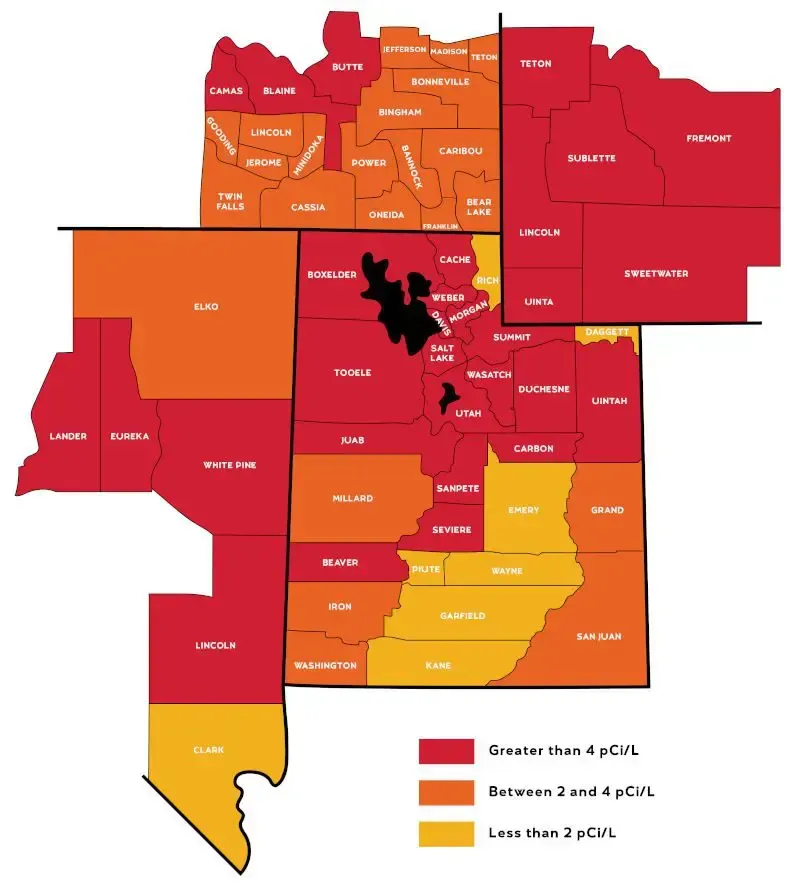
Understanding radon levels is essential for assessing the safety of a home. Radon levels are measured in picocuries per liter (pCi/L).
EPA’s Radon Level Guidelines
- Below 2 pCi/L: Minimal concern, but continued monitoring is recommended.
- 2 to 4 pCi/L: Moderate concern; consider mitigation to further reduce levels.
- Above 4 pCi/L: High concern; immediate action is advised to lower radon levels.
Mitigating Radon Risks
If radon levels exceed the recommended thresholds, several mitigation strategies can effectively reduce radon concentrations in your home.
Common Radon Mitigation Methods
Sub-slab Depressurization:
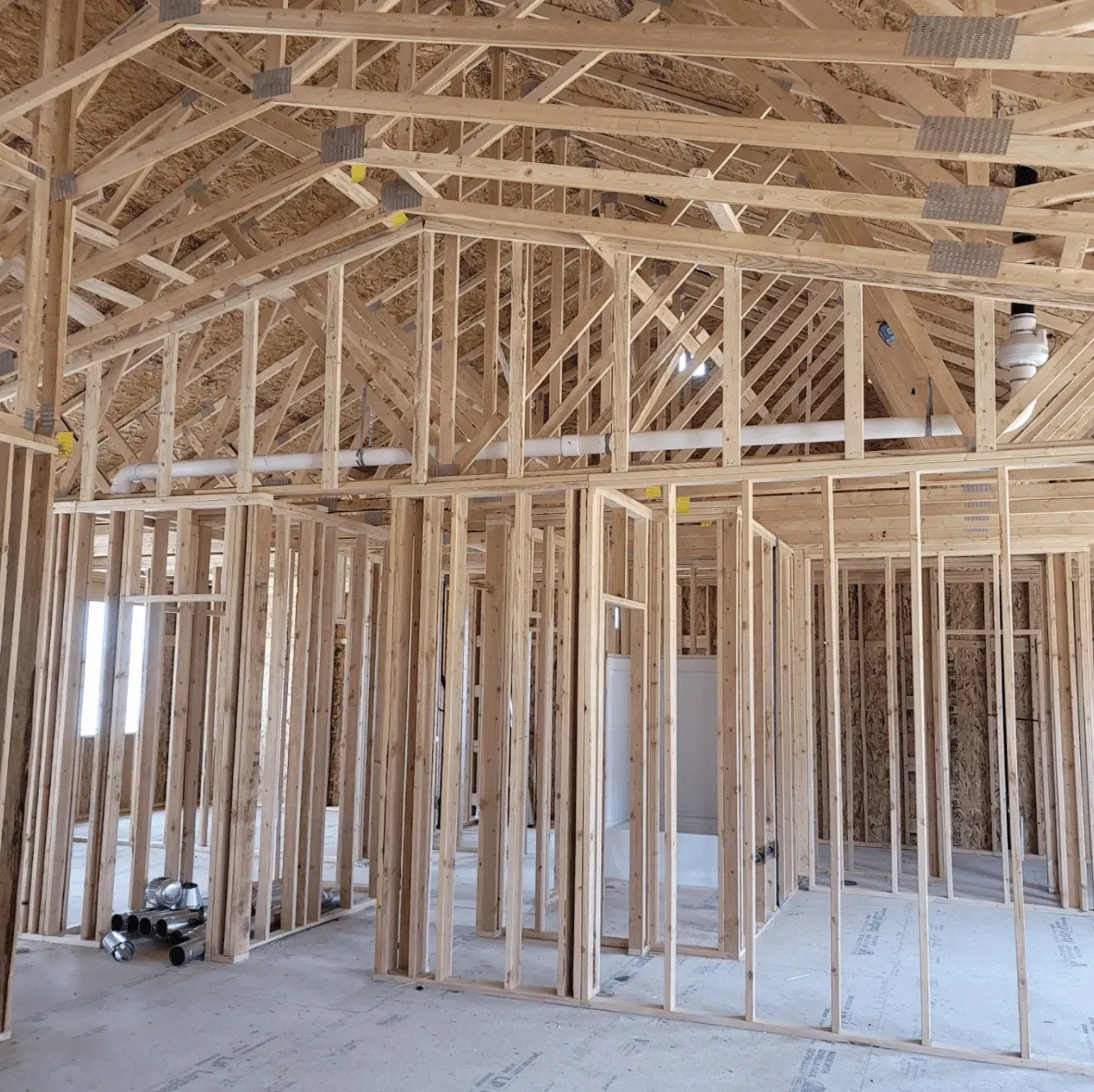
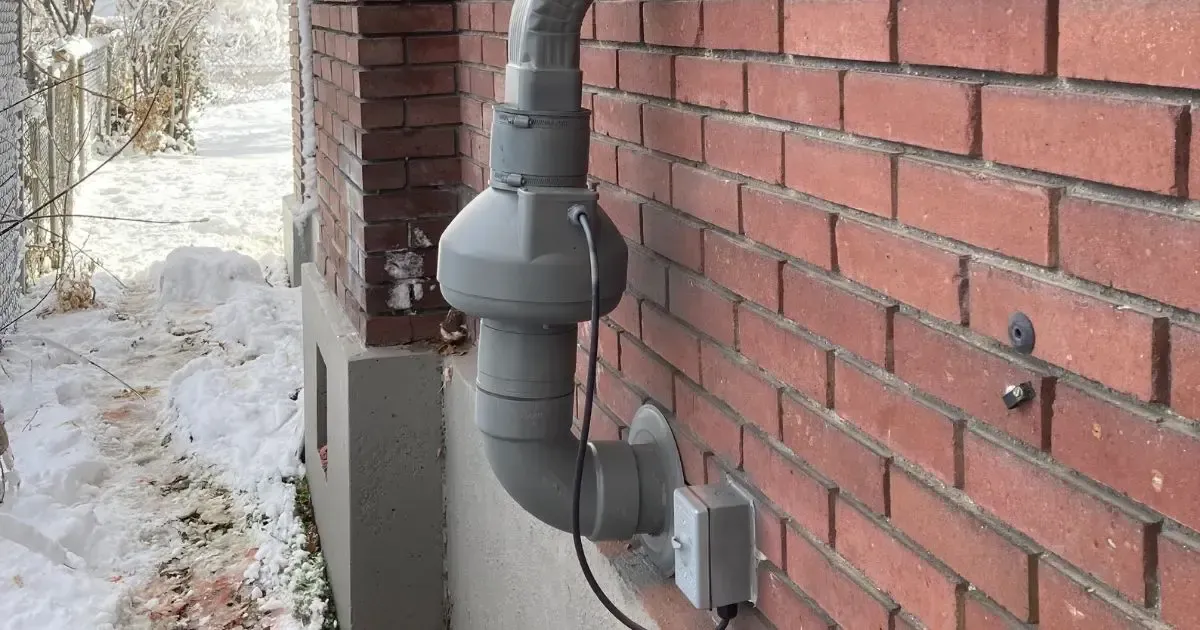
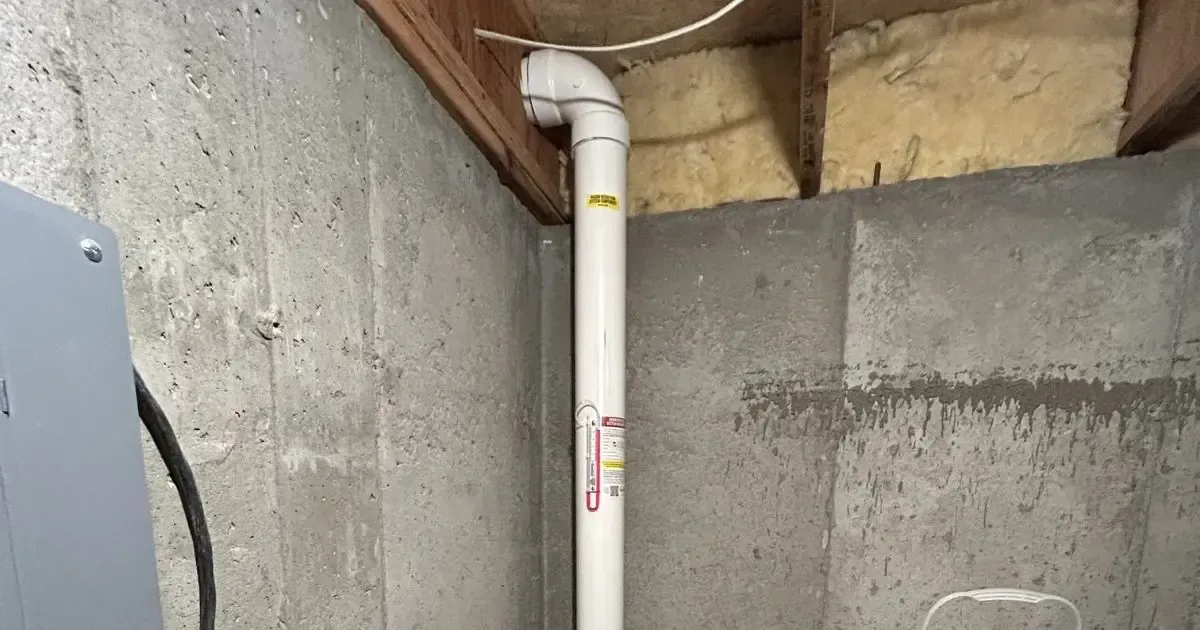
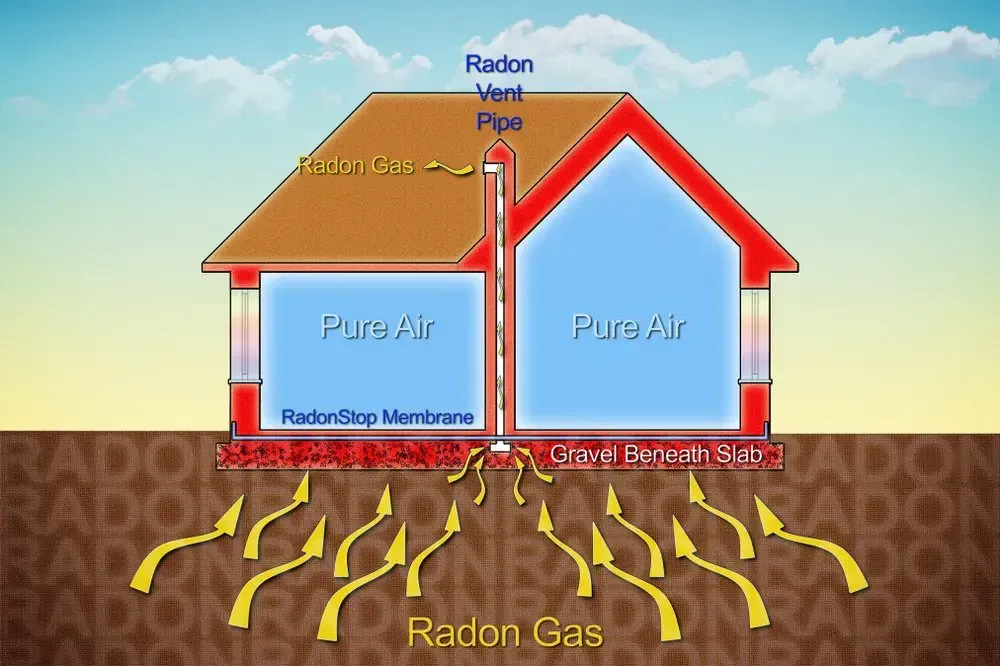
- Involves installing a vent pipe and fan system to draw radon from beneath the home’s foundation and release it outdoors.
Sealing Cracks and Openings:
- Sealing entry points in the foundation reduces radon infiltration.
Improving Ventilation:
- Enhancing airflow throughout the home helps disperse radon gas.
Water System Mitigation:
- If radon is present in water, treatment systems like granular activated carbon (GAC) filters or aeration devices can remove radon.
Choosing the Right Mitigation Method
The appropriate mitigation strategy depends on factors such as the home’s construction, radon levels, and cost considerations. Consulting with a certified radon mitigation professional ensures the most effective solution.
Get a FREE Quote
When to Retest for Radon
Radon levels can fluctuate due to changes in the environment or home modifications. Therefore, periodic retesting is essential to maintain a safe living environment.
Recommended Retesting Intervals
- After Mitigation Installation: To ensure the system is effectively reducing radon levels.
- Every Two Years: For continuous safety assurance.
- After Major Home Renovations: Structural changes can influence radon infiltration.
FAQs about Radon in Home Inspections
1. Is radon testing mandatory during home inspections?
Radon testing is not federally mandated, but some states require it. Additionally, many buyers request radon testing as part of the inspection process.
2. Can radon levels change over time?
Yes, radon levels can fluctuate due to changes in weather, home renovations, or shifting soil conditions.
3. Is radon exposure harmful if detected early?
Early detection allows for effective mitigation, significantly reducing health risks associated with prolonged exposure.
4. How long does radon mitigation take?
Most mitigation systems can be installed within a day, though some complex cases may require additional time.
5. Can radon mitigation systems be installed in any type of home?
Yes, radon mitigation systems are adaptable to various home structures, including houses, apartments, and commercial buildings.
Protecting Your Home from Radon Hazards
Ensuring your home is safe from radon requires a proactive approach. Here are steps to protect your home:
Regular Testing
- Schedule periodic radon tests, especially in high-risk areas
Professional Consultation
- Hire certified radon mitigation professionals to assess and address radon issues effectively.
Home Maintenance
- Regularly inspect and maintain your home’s foundation to prevent radon infiltration.
Ventilation Enhancements
- Improve the home’s ventilation system to reduce radon accumulation.
Conclusion
Radon exposure is a serious health concern that should not be overlooked during home inspections. While not all inspectors include radon testing by default, it’s a crucial step in ensuring a safe and healthy living environment. By understanding the importance of radon testing, recognizing the signs of radon presence, and knowing the mitigation strategies, homeowners can take proactive measures to protect their families.
Take Action Today!
Don’t leave your home’s safety to chance. Schedule a professional radon test with our certified inspectors and ensure your home is radon-free.
Contact Us today to book your inspection or learn more about our radon mitigation services.
Contact Us Today
![Blue periodic table tile for radon, element 86, with symbol Rn and mass [222].](https://le-cdn.hibuwebsites.com/09c3a4288d5947b58ca8220076f73b94/dms3rep/multi/opt/radon-periodic-table-rn-86-radon-be-gone-1920w.webp)