In the realm of building safety, one issue often overlooked is radon. While many associate radon concerns primarily with residential properties, commercial buildings are equally susceptible. Understanding radon and implementing effective mitigation strategies is crucial to maintaining safe and healthy environments for both employees and visitors.
What is Radon?
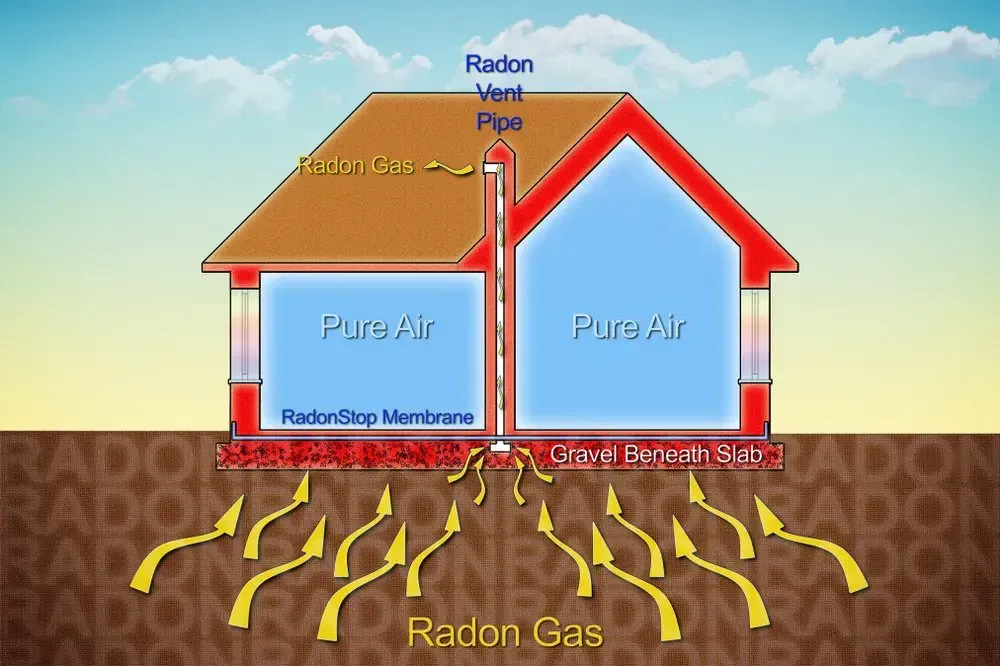
Radon is a colorless, odorless, and tasteless radioactive gas that originates from the natural decay of uranium in soil, rock, and water. It can seep into buildings through cracks in floors, walls, and foundations, accumulating to levels that may pose significant health risks over time.
Sources of Radon
- Geological formations rich in uranium.
- Groundwater sources.
- Building materials containing natural radionuclides.
Health Effects
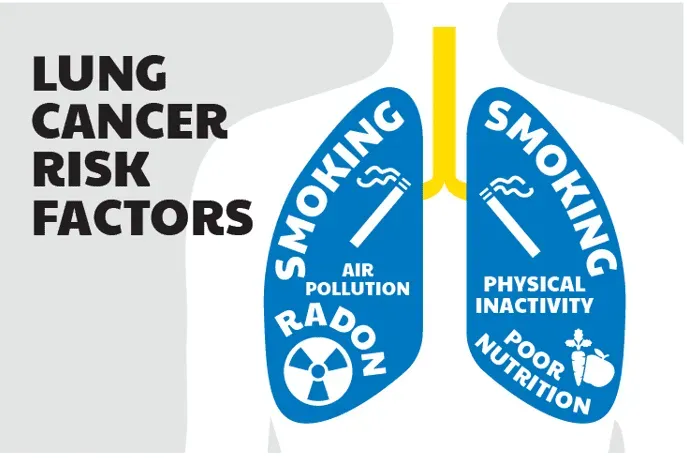
Prolonged exposure to elevated radon levels is the second leading cause of lung cancer after smoking. Even at low concentrations, continuous exposure can be detrimental to health, making it imperative to address radon presence in commercial settings.
Get a FREE Radon Quote
Is Radon Required in Commercial Buildings?
While radon itself is not a requirement for commercial buildings, its presence can be unavoidable depending on geographical and structural factors. Commercial buildings, especially those with lower levels of ventilation or those constructed on radon-prone soil, may inadvertently accumulate radon gas.
Regulations and Standards:
Adhering to these regulations not only ensures legal compliance but also promotes a healthier environment for all building occupants.
Testing for Radon in Commercial Buildings
Identifying radon levels is the first critical step in addressing the problem. Regular testing ensures that any necessary mitigation measures are implemented promptly.
Importance of Testing:
- Health Safety: Protects employees and visitors from long-term health risks.
- Regulatory Compliance: Meets local and federal safety standards.
- Property Value: Maintains and potentially enhances the value of the building by ensuring it is safe.
How Testing is Conducted:
- Activated Charcoal Detectors: Simple and cost-effective for initial assessments.
- Continuous Radon Monitors: Provide detailed data over extended periods.
- Professional Testing Services: Engage certified professionals for accurate and comprehensive evaluations.
Who Should Conduct Testing:
- Certified Radon Professionals: Trained and accredited to perform thorough assessments.
- Building Managers: Coordinate testing efforts and address any identified issues.
Radon Mitigation Strategies
Once elevated radon levels are confirmed, implementing effective mitigation strategies is essential to reduce and manage radon concentrations within the building.
Improving Ventilation
- Increase Airflow: Enhance natural ventilation by opening windows and using fans.
- HVAC Adjustments: Optimize heating, ventilation, and air conditioning systems to facilitate better air exchange.
Sealing Foundation Cracks:
- Identify Entry Points: Inspect foundations, floors, and walls for cracks and openings.
- Seal Effectively: Use appropriate sealants to close gaps, preventing radon from entering the building.
Installing Radon Mitigation Systems:
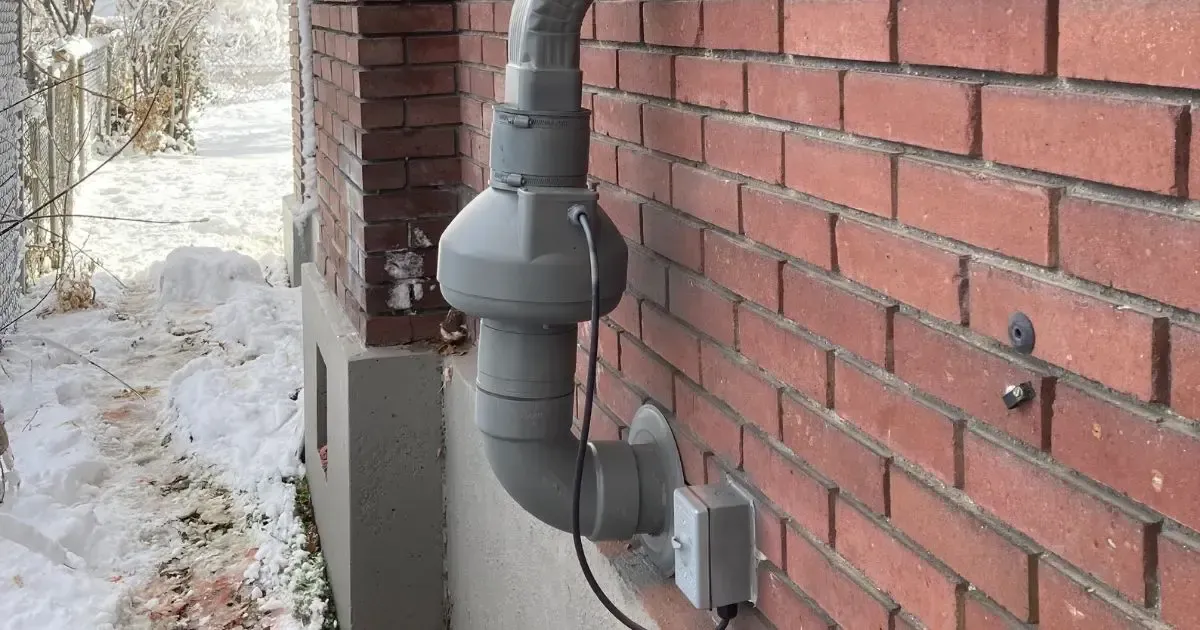
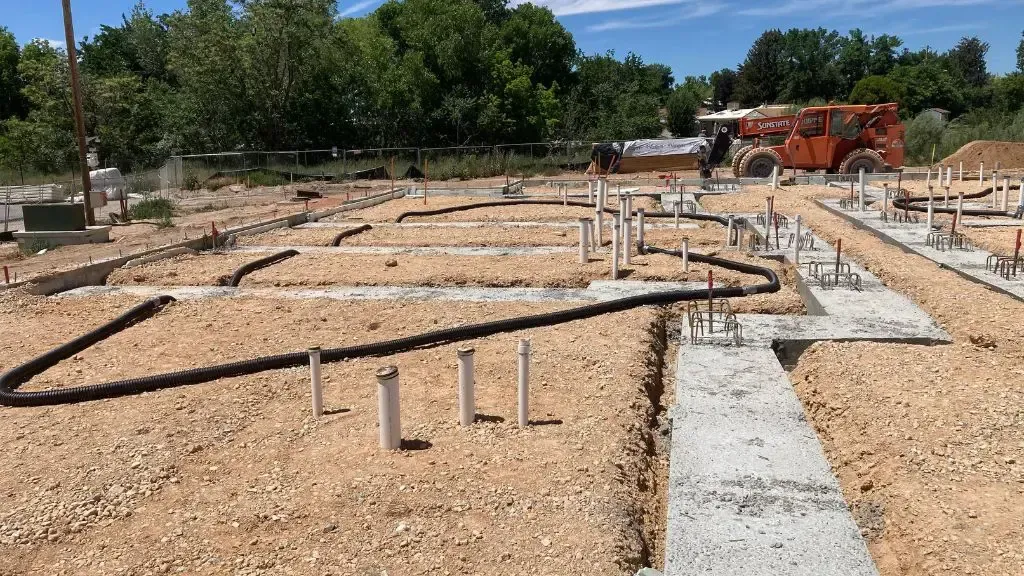
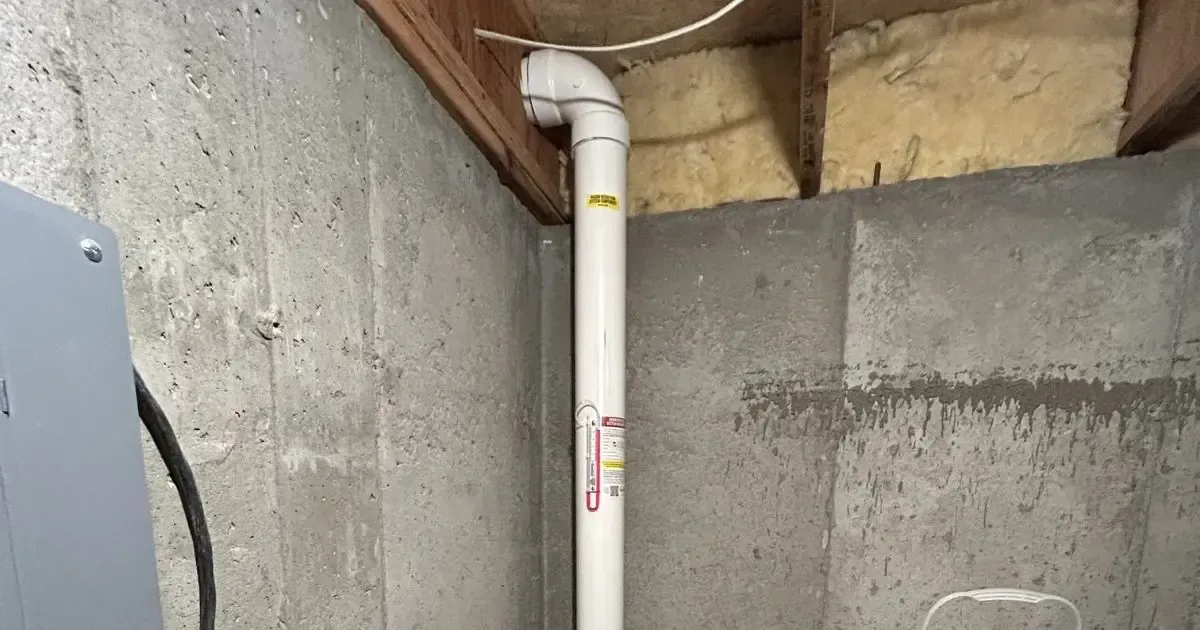
- Active Soil Depressurization (ASD): Employs a fan to draw radon from beneath the building and vent it outside.
- Sealing and Ventilation Systems: Combine sealing techniques with enhanced ventilation to reduce radon levels.
Regular Maintenance
- System Checks: Periodically inspect mitigation systems to ensure they are functioning correctly.
- Adjustments as Needed: Make necessary adjustments to maintain optimal radon levels.
Get a FREE Radon Quote
Implementing an Effective Radon Mitigation Plan
Creating a comprehensive radon mitigation plan involves several key steps to ensure successful implementation and long-term effectiveness.
Assessment
- Conduct thorough radon testing to determine the extent of the problem.
- Analyze building design and ventilation systems to identify potential weaknesses.
Planning
- Develop a tailored mitigation strategy based on assessment findings.
- Allocate necessary resources and budget for mitigation efforts.
Execution
- Implement chosen mitigation techniques, such as installing ASD systems or sealing cracks.
- Coordinate with professional contractors to ensure high-quality workmanship.
Monitoring
- Continuously monitor radon levels post-mitigation to verify effectiveness.
- Adjust strategies as needed based on ongoing measurements.
Maintaining Safe Building Standards
Ensuring ongoing safety requires a proactive approach to radon management. Regular monitoring and adherence to health and safety protocols are paramount.
Ongoing Monitoring:
- Continuous Radon Monitoring Systems: Provide real-time data on radon levels.
- Periodic Testing: Schedule regular tests to detect any fluctuations in radon concentrations.
Health and Safety Protocols:
- Employee Training: Educate staff about radon risks and safety measures.
- Emergency Procedures: Develop protocols for addressing elevated radon levels promptly.
Benefits of Radon Mitigation in Commercial Buildings
Addressing radon not only safeguards health but also offers several other advantages for commercial properties.
Health Benefits
- Reduces the risk of lung cancer for employees and visitors.
- Promotes a healthier workplace environment.
Compliance Benefits
- Ensures adherence to local and federal regulations.
- Avoids potential fines and legal liabilities associated with non-compliance.
Property Value
- Enhances the building’s reputation as a safe and healthy space.
- Increases property value by addressing environmental safety concerns.
Why Choose Our Radon Mitigation Services
At Radon Be Gone, we specialize in comprehensive radon mitigation solutions tailored to commercial buildings. Our team of certified professionals is dedicated to ensuring your property meets the highest safety standards.
- Expertise: Years of experience in radon testing and mitigation.
- Customized Solutions: Tailored strategies to address the unique needs of your building.
- Quality Assurance: Commitment to using the latest technologies and best practices.
- Customer Support: Ongoing assistance and monitoring to maintain optimal safety.
Get a FREE Radon Quote
Implementing Building Safety Tips for Radon Control
Beyond mitigation, adopting proactive safety measures can help control radon levels effectively.
Regular Inspections
- Schedule routine inspections of building foundations and ventilation systems.
- Address any identified issues promptly to prevent radon accumulation.
Enhancing Ventilation
- Install additional ventilation points in areas prone to radon ingress.
- Use exhaust fans in high-risk areas like basements and crawl spaces.
Community Engagement
- Inform building occupants about radon risks and safety measures.
- Encourage a culture of safety and awareness regarding environmental hazards.
Bullet List Suggestion:
- Routine Testing: Conduct radon tests annually or after significant building changes.
- System Maintenance: Regularly service mitigation systems to ensure ongoing effectiveness.
- Educational Programs: Provide resources and training for employees on radon safety.
The Role of Building Design in Radon Prevention
Integrating radon prevention measures into building design can significantly reduce the risk of radon accumulation from the outset.
Design Strategies:
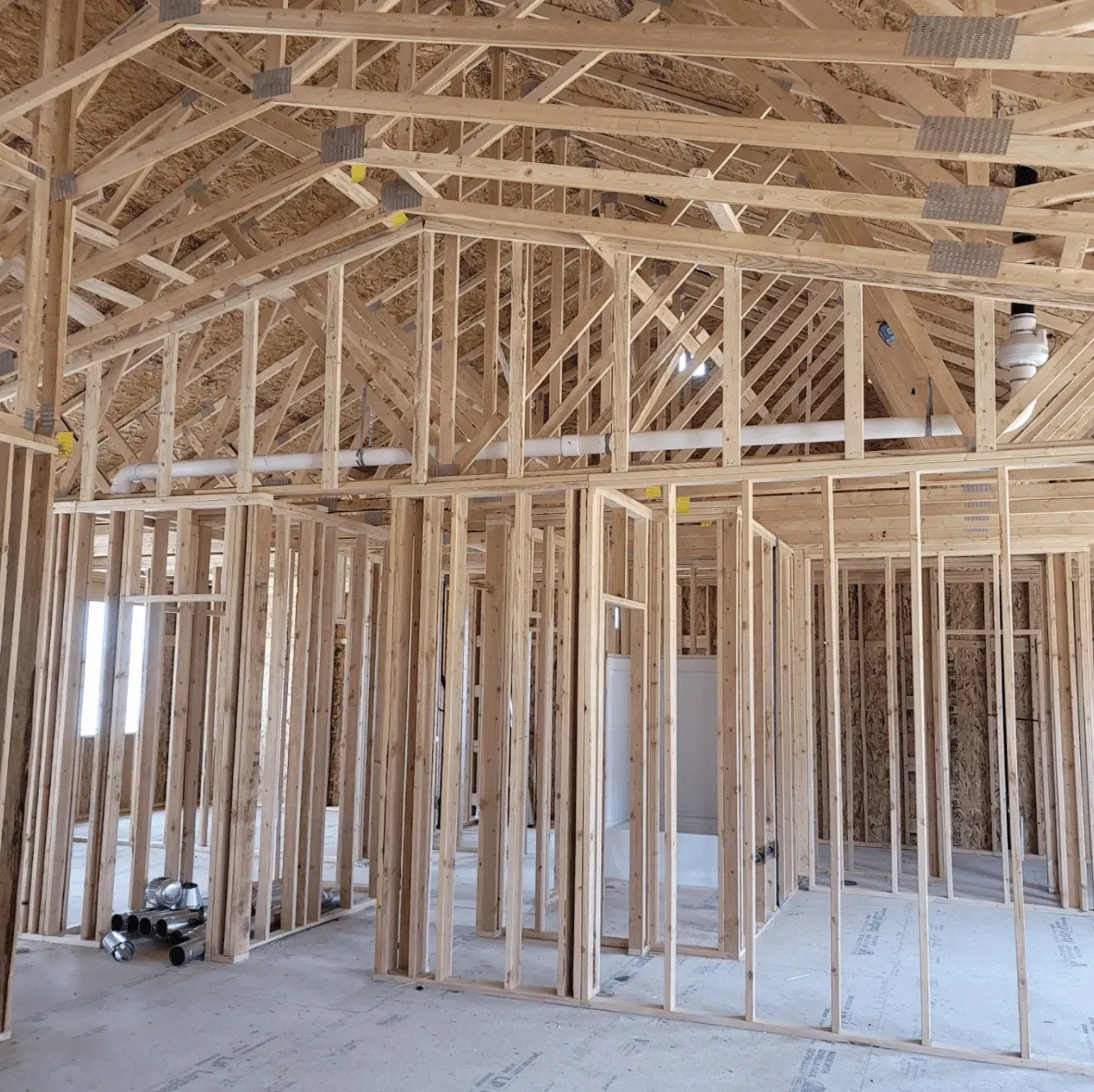
- Radon-Resistant Construction Techniques: Incorporate features like gas-permeable layers, sealing of foundation openings, and vent pipes during the construction phase.
- Material Selection: Use building materials that minimize radon release and ingress.
- Site Assessment: Choose building sites with lower radon potential based on geological surveys.
Cost-Effective Radon Mitigation Solutions
Investing in radon mitigation not only protects health but can also be cost-effective in the long run by preventing potential health issues and ensuring compliance with regulations.
Cost Factors to Consider:
- Initial Testing and Assessment: Essential for identifying the extent of radon presence.
- Mitigation System Installation: Varies based on building size and chosen mitigation techniques.
- Ongoing Maintenance: Regular upkeep ensures sustained effectiveness of mitigation systems.
Benefits of Early Mitigation:
- Avoids higher costs associated with health-related claims.
- Prevents potential fines for non-compliance with safety regulations.
- Enhances the overall value and reputation of the property.
Partnering with Certified Professionals
Engaging with certified radon mitigation experts ensures that your commercial building’s radon issues are addressed comprehensively and effectively.
Why Certification Matters:
- Quality Assurance: Certified professionals adhere to industry standards and best practices.
- Comprehensive Services: From testing to mitigation and ongoing monitoring, certified experts offer a full suite of services.
- Peace of Mind: Knowing that qualified professionals are handling your radon concerns allows you to focus on your core business operations.
Conclusion
Radon is a silent threat that can compromise the safety and well-being of everyone in a commercial building. By understanding its risks, implementing effective mitigation strategies, and maintaining ongoing vigilance, building owners and managers can ensure a healthy, compliant, and safe environment. Don’t wait until radon becomes a larger issue—take proactive steps today to safeguard your commercial property and its occupants.
Contact Our Experts
![Blue periodic table tile for radon, element 86, with symbol Rn and mass [222].](https://le-cdn.hibuwebsites.com/09c3a4288d5947b58ca8220076f73b94/dms3rep/multi/opt/radon-periodic-table-rn-86-radon-be-gone-1920w.webp)