Ensuring the safety of your home is paramount, and testing for radon is a crucial step in maintaining a healthy living environment. Radon, a naturally occurring radioactive gas, can seep into your home from the ground and accumulate to dangerous levels without your knowledge.
Fortunately, you can take proactive measures today by purchasing a reliable radon test kit. In this guide, we’ll explore where you can buy radon test kits, what to look for in a quality kit, and how to get started with effective home radon testing.
Why Choose a Radon Test Kit?
Investing in a radon test kit is a straightforward and effective way to monitor the radon levels in your home. Here’s why a radon test kit is a smart choice:
- Early Detection: Identify high radon levels before they become a significant health hazard.
- Cost-Effective: Testing is relatively inexpensive compared to the potential costs associated with health issues caused by radon exposure.
- Peace of Mind: Knowing your home’s radon levels provide reassurance and allow you to take necessary actions if needed.
- Ease of Use: Modern radon test kits are user-friendly, making them accessible for homeowners of all backgrounds.
With these benefits in mind, let’s explore where you can buy reliable radon test kits.
Order Radon Test Kit Now
Where to Buy Radon Test Kits
Purchasing a radon test kit is easier than ever, with various options available both online and in physical stores. Here are some of the most common places to buy radon test kits:
1. Online Retailers
Online shopping offers convenience and a wide selection of radon test kits. Some of the top online platforms include:
- Radon Be Gone: A trusted source for radon testing and mitigation solutions, offering reliable test kits with expert support.
- Amazon: Amazon offers a vast array of radon test kits from various brands, often with customer reviews to help you make an informed decision.
- Home Depot: Home Depot’s website features radon test kits alongside other home improvement products, making it easy to find everything you need in one place.
- Lowe’s: Similar to Home Depot, Lowe’s online store provides a selection of radon test kits with detailed product descriptions.
Advantages of Buying Online:
- Convenience: Shop from the comfort of your home at any time.
- Variety: Access a broader range of products and brands.
- Customer Reviews: Benefit from the experiences of other buyers to guide your purchase.
2. Home Improvement Stores
Physical stores offer the advantage of seeing products in person and getting immediate assistance from store staff.
- Home Depot: Located across the country, Home Depot stores typically carry multiple types of radon test kits.
- Lowe’s: Another major home improvement chain, Lowe’s offers various radon testing solutions in their stores.
- Ace Hardware: Smaller than Home Depot and Lowe’s, Ace Hardware may still stock radon test kits or can order them for you.
Advantages of Buying in Store:
- Immediate Purchase: No waiting for shipping; take your kit home the same day.
- Personal Assistance: Get help from knowledgeable staff who can answer your questions.
- Hands-On Inspection: Physically examine the kit before buying to ensure it meets your needs.
3. Specialty Environmental Testing Suppliers
For those seeking professional-grade equipment or specific testing solutions, specialty suppliers may be the best option.
Advantages of Specialty Suppliers:
- Expertise: Benefit from specialized knowledge and guidance.
- High-Quality Products: Access advanced testing kits designed for accuracy and reliability.
- Customized Solutions: Find kits that cater to unique testing requirements or larger properties.
4. Direct from Manufacturers
Purchasing directly from the manufacturer ensures you’re getting the latest model and full support.
Advantages of Buying Directly:
- Latest Products: Access the newest models and technologies.
- Warranty and Support: Benefit from manufacturer warranties and direct customer support.
- Authenticity: Ensure you’re getting genuine products without middlemen.
Order Radon Test Kit Now
Choosing the Right Radon Test Kit
With so many options available, selecting the right radon test kit can seem overwhelming. Here are some factors to consider to help you make the best choice:
Type of Test Kit
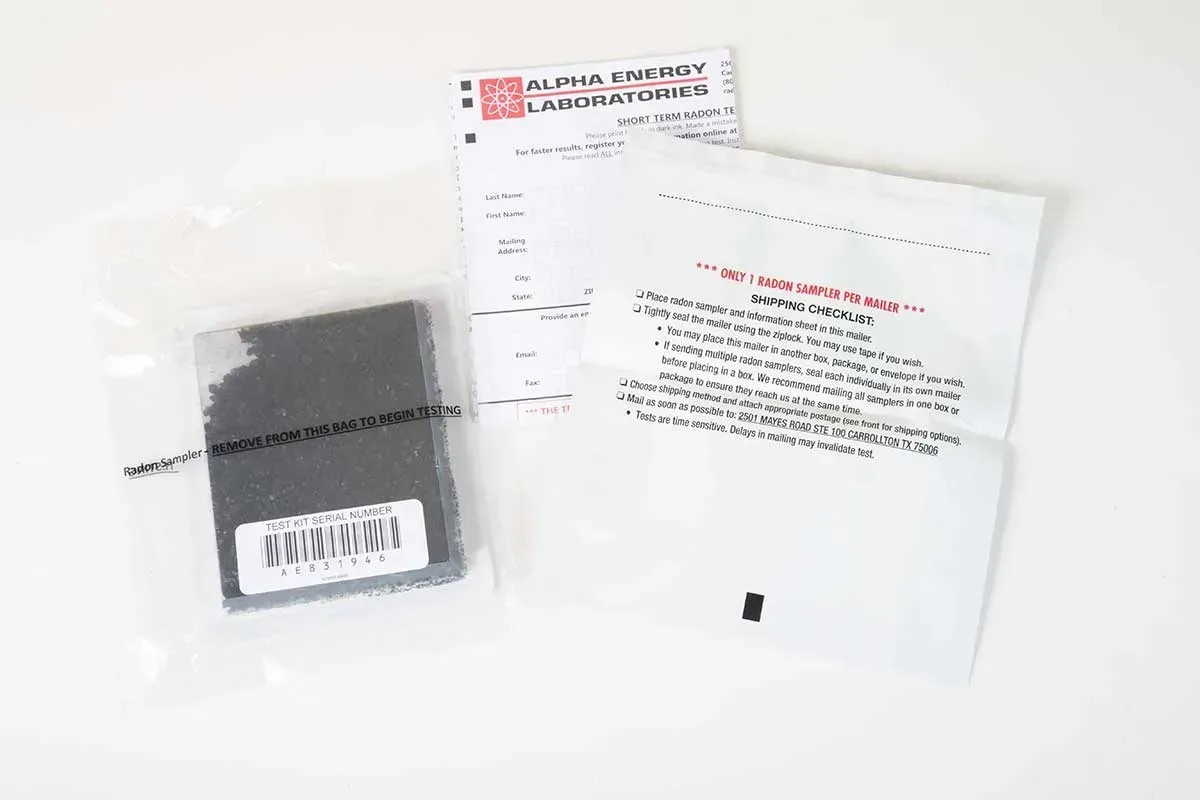
- Short-Term Kits: Ideal for getting a quick snapshot of radon levels. Typically used for preliminary assessments.
- Long-Term Kits: Provide a more accurate average radon level over several months, accounting for seasonal changes.
Ease of Use
Look for kits that are user-friendly and come with clear instructions. Some kits require minimal setup, while others might need more detailed placement and handling.
Accuracy and Reliability
Choose kits from reputable brands known for their accuracy. Check for certifications from organizations like the
National Radon Proficiency Program (NRPP) or the
National Environmental Health Association (NEHA).
Price
Radon test kits range in price based on features and brand. Consider your budget, but remember that investing in a reliable kit is essential for your health and safety.
Customer Support
Opt for brands that offer robust customer support, including guidance on using the kit and interpreting results.
Additional Features
Some kits come with additional features like digital displays, data logging, or smartphone connectivity for real-time monitoring.
How to Use a Radon Test Kit
Once you’ve purchased your radon test kit, using it correctly is crucial for obtaining accurate results. Here’s a step-by-step guide to help you through the process:
1. Read the Instructions Carefully
Each kit may have specific instructions, so take the time to read through them before beginning.
2. Choose the Right Location
- Ground Level: Place the kit in the lowest level of your home where you spend time, such as the basement or ground floor.
- Away from Drafts: Avoid areas near windows, doors, or ventilation systems to prevent air currents from affecting the results.
- Central Area: Choose a location that represents your home’s average radon levels.
3. Set Up the Kit
Follow the instructions to place the kit correctly. Some kits require simple placement, while others may need to be secured or connected to power sources.
4. Wait for the Testing Period
- Short-Term Kits: Typically require 2 to 7 days.
- Long-Term Kits: May need to remain in place for 90 days or more.
5. Send the Kit for Analysis
After the testing period, follow the instructions to send the kit to the designated lab for analysis or use the included equipment to read the results.
6. Interpret the Results
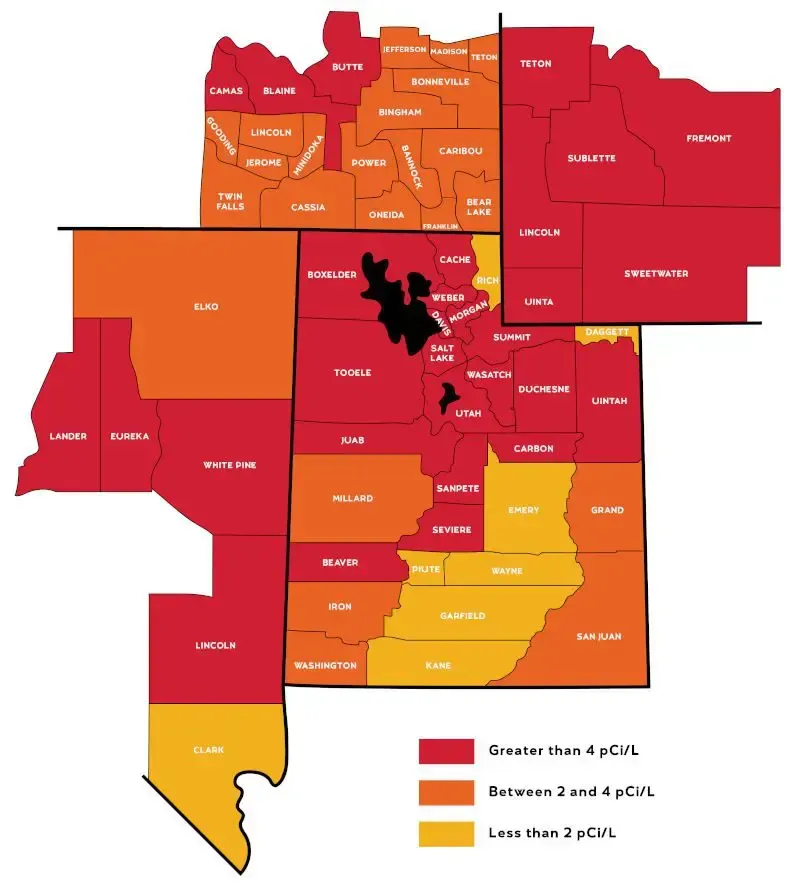
Radon levels are measured in picocuries per liter of air (pCi/L). The EPA recommends taking action if your home’s radon level is 4 pCi/L or higher.
7. Take Necessary Actions
If high levels are detected, consider radon mitigation methods such as improving ventilation or sealing entry points to reduce radon levels.
Order Radon Test Kit Now
Benefits of Professional Radon Testing
While DIY radon test kits are effective, professional radon testing offers additional benefits:
- Expertise: Professionals can accurately assess radon levels and identify specific entry points.
- Comprehensive Solutions: Professionals can design and implement effective mitigation systems if needed.
- Certification: Certified testers adhere to industry standards, ensuring reliable results.
If you’re uncomfortable using a DIY kit or have experienced high radon levels in the past, hiring a professional may be the best option for your peace of mind.
Common Mistakes to Avoid When Testing for Radon
Ensuring accurate results is essential for effective radon testing. Here are some common mistakes to avoid:
1. Incorrect Placement of the Test Kit
Placing the kit near drafts, windows, doors, or heating systems can skew results. Follow the placement guidelines carefully.
2. Not Testing Long Enough
Short-term tests provide a snapshot, but long-term tests offer a more accurate average. Ensure you follow through with the necessary testing duration.
3. Ignoring Seasonal Variations
Radon levels can fluctuate with seasonal changes. Testing over multiple seasons provides a comprehensive understanding of your home’s radon levels.
4. Failing to Follow Instructions
Each kit has specific instructions to ensure accurate results. Skipping steps or misinterpreting instructions can lead to unreliable data.
5. Not Taking Action After High Levels Are Detected
Testing is only the first step. If high radon levels are found, take immediate action to mitigate and protect your home’s air quality.
Taking Action: Radon Mitigation Solutions
If your radon test reveals high levels, don’t panic. There are effective mitigation solutions available to reduce radon levels and safeguard your home:
1. Soil Suction Radon Reduction
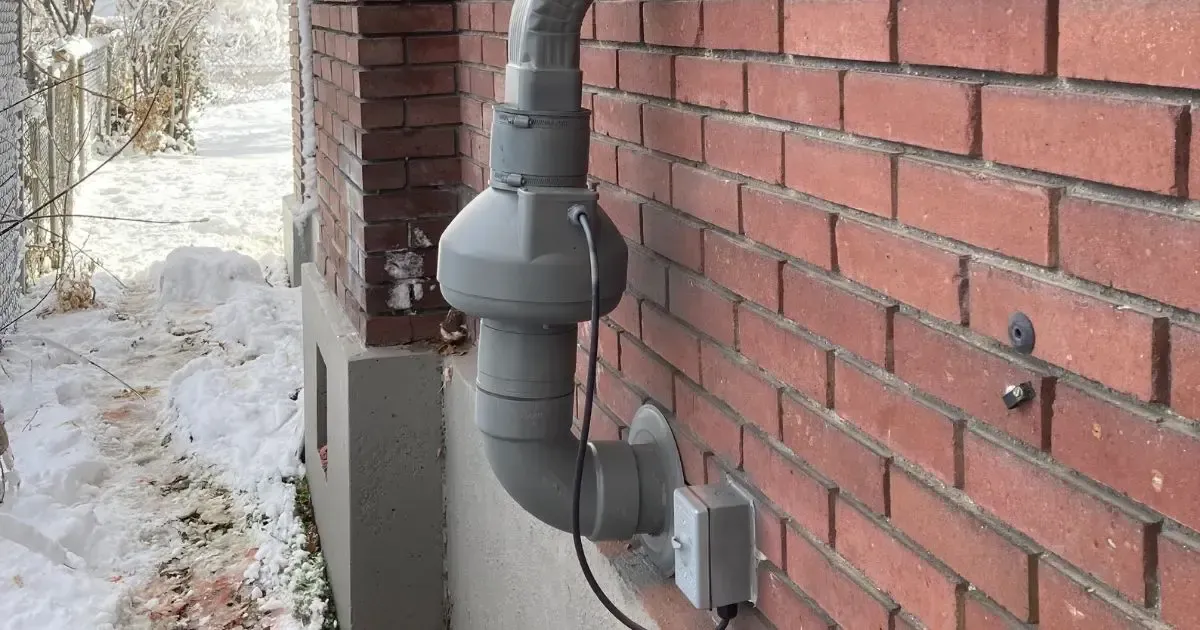
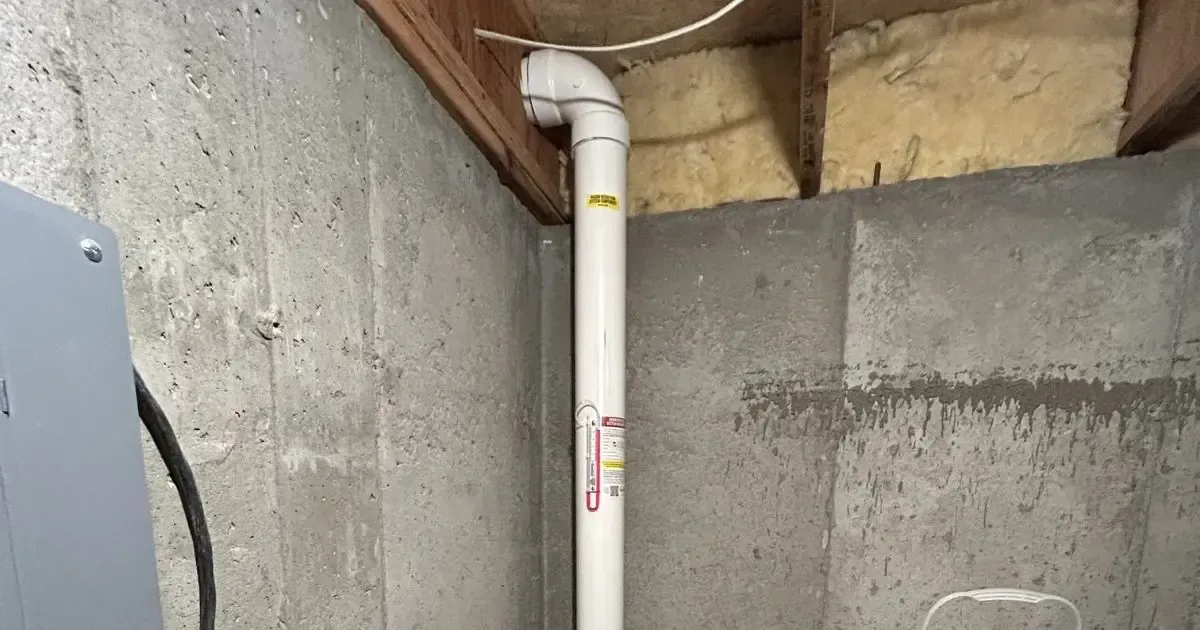
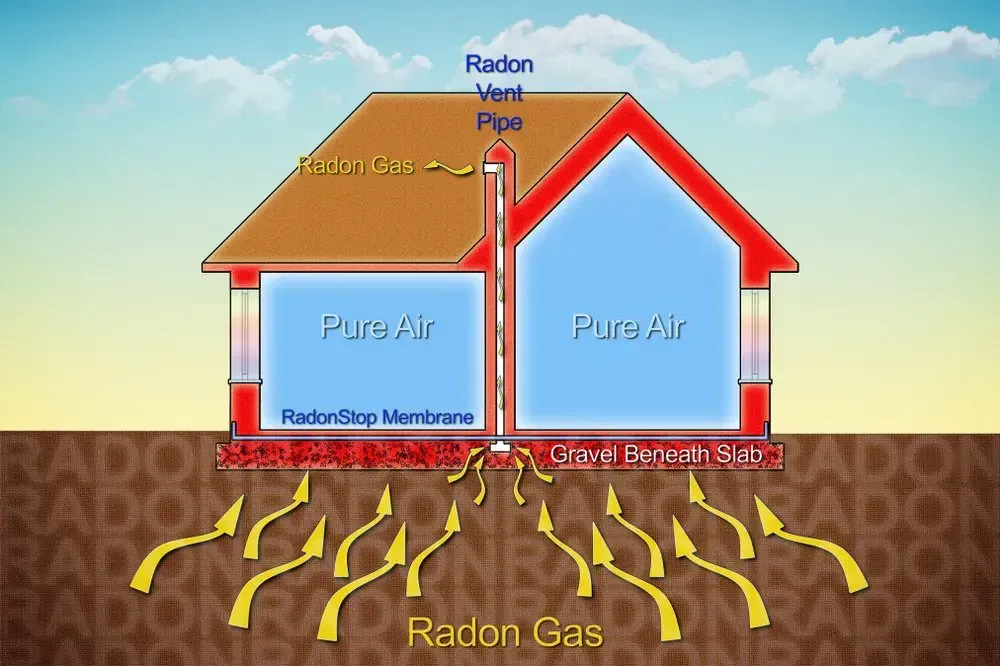
- How It Works: A vent pipe system and fan draw radon from beneath the house and vent it to the outside.
- Effectiveness: Highly effective, reducing radon levels by up to 99%.
2. Sealing Cracks and Openings
- How It Works: Seal cracks and openings in the foundation to limit radon entry.
- Effectiveness: A temporary solution that should be combined with other methods for maximum effectiveness.
3. Improving Home Ventilation
- How It Works: Increase air flow in the home to dilute radon concentrations.
- Effectiveness: Can help reduce radon levels but may not be sufficient alone for high concentrations.
4. Installing a Radon Mitigation System
- How It Works: Comprehensive systems designed and installed by professionals to address radon issues.
- Effectiveness: Tailored solutions that effectively reduce radon levels to safe ranges.
Maintaining a Radon-Safe Home
After mitigating radon levels, it’s essential to maintain your home’s safety by regularly monitoring radon levels and ensuring that mitigation systems remain effective.
Regular Testing
- Frequency: Test your home every two years or after making significant changes to your home’s structure or HVAC system.
- Method: Use a radon test kit or hire a professional to conduct the testing.
System Maintenance
- Inspections: Have your radon mitigation system inspected annually by a certified professional.
- Repairs: Address any issues promptly to ensure the system continues to function correctly.
Home Upkeep
- Seal New Cracks: Regularly inspect and seal any new cracks or openings in your home’s foundation.
- Enhance Ventilation: Maintain adequate ventilation to help keep radon levels low.
Frequently Asked Questions (FAQs)
1. How much does a radon test kit cost?
Radon test kits typically range from $15 to $50, depending on the type and brand. Long-term kits and professional-grade kits may cost more.
2. Can I test for radon myself?
Yes, radon test kits are designed for easy use by homeowners. Follow the instructions carefully to obtain accurate results.
3. How long do I need to test for accurate results?
For a reliable average, long-term tests conducted over 90 days are recommended. Short-term tests can provide quick insights but may not account for seasonal variations.
4. What should I do if my radon levels are high?
If high radon levels are detected, consult a certified radon mitigation professional to discuss effective reduction solutions like soil suction or ventilation improvements.
5. Is radon testing covered by insurance?
While some insurance policies may cover radon testing and mitigation, it’s best to check with your insurance provider for specific coverage details.
Take Control of Your Home’s Air Quality Today
Don’t wait until it’s too late to ensure your home’s safety. Purchasing a radon test kit today is a simple yet powerful step towards protecting your family’s health. Whether you choose to buy online, visit a local home improvement store, or consult a specialty supplier, reliable radon test kits are readily available to meet your needs.
Ready to get started?
Purchase your radon test kit now and take the first step towards a safer, healthier home. If you have any questions or need assistance selecting the right kit, our team of experts is here to help. Contact us today for personalized guidance and support in your radon testing journey.
Order a Radon Test Kit Now
![Blue periodic table tile for radon, element 86, with symbol Rn and mass [222].](https://le-cdn.hibuwebsites.com/09c3a4288d5947b58ca8220076f73b94/dms3rep/multi/opt/radon-periodic-table-rn-86-radon-be-gone-1920w.webp)