Radon is a naturally occurring gas that can seep into your home, posing serious risks when accumulated indoors. As a homeowner, ensuring that your radon system works efficiently each year is essential to protect your family’s health and maintain your property’s safety.
In this guide, we will explore everything you need to know about annual radon system checks—from fan inspections and manometer readings to visual checks and when to call in professional help. This information is presented in an informative and casual tone, making it easy to understand and implement.
Get a Free Quote
Understanding the Importance of Radon System Maintenance
Radon is invisible and odorless, which makes it even more dangerous since you might not notice anything until it has already become a problem. An efficient radon system is your first line of defense and requires regular maintenance. The primary reasons to keep up with annual checks include:
- Health Safety: Prolonged exposure to high radon levels can lead to serious health issues.
- System Efficiency: Regular maintenance ensures your system is running optimally, reducing energy costs and prolonging the equipment’s lifespan.
- Peace of Mind: Scheduled checks eliminate the worry that your home may be at risk.
We encourage you to schedule your annual radon system check today to keep your home safe.
Contact us for professional service so you can be confident in your home’s air quality.
The Annual Radon System Maintenance Checklist
Following a structured checklist can help guarantee every component of your radon system is performing as it should. Here is a comprehensive list of the most critical aspects of your annual check:
1. Radon Fan Inspections
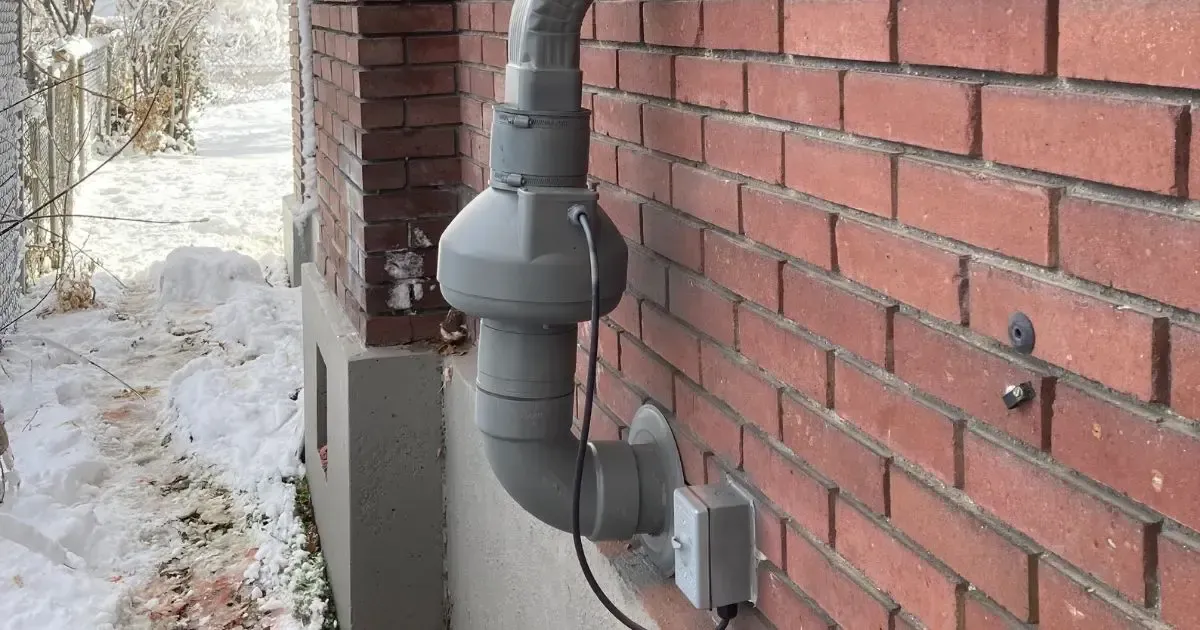
The radon fan is the heart of your system. Its job is to continuously vent radon out of your home. A well-functioning fan is vital for protecting your home from dangerous radon levels.
- Listen for Abnormal Noises: Unusual sounds could be a sign of wear or damage.
- Check for Vibration: Excessive vibration may suggest imbalance or a failing motor.
- Visual Inspection: Look for signs of dust buildup or corrosion on and around the fan exterior. A clean and well-insulated fan not only works better but typically lasts longer.
If you
notice any irregularities with your radon fan, it’s an immediate signal to take action.
Consider these steps:
- Clean the area around the fan to remove dust and debris.
- If the noise persists or vibrations are noted, call in a professional to further assess the problem.
2. Manometer Readings
A
manometer is a simple instrument connected to your radon system that measures pressure changes. This measurement helps you know whether your system is venting properly.
When reading the manometer:
- Record the Baseline Value: Compare the current reading with previous readings. A sudden change might indicate obstruction or an equipment problem.
- Ensure Consistency: It’s important to check that the readings remain within the acceptable range specified by your radon system manufacturer.
- Take Corrective Action: If readings are off-target, it might be due time to clean or replace components of the system.
If you are uncertain about interpreting manometer readings, consulting a professional can provide clarity and confidence in the safety of your radon system. Visual cues such as a stable needle on the manometer can often serve as reassurance that the system is working as it should.
3. Visual System Checks
An
overview visual check can reveal possible cracks, loose parts, or other issues that might otherwise go unnoticed. Conducting these checks can save you from more extensive repairs in the future.
Focus on these areas during your visual inspection:
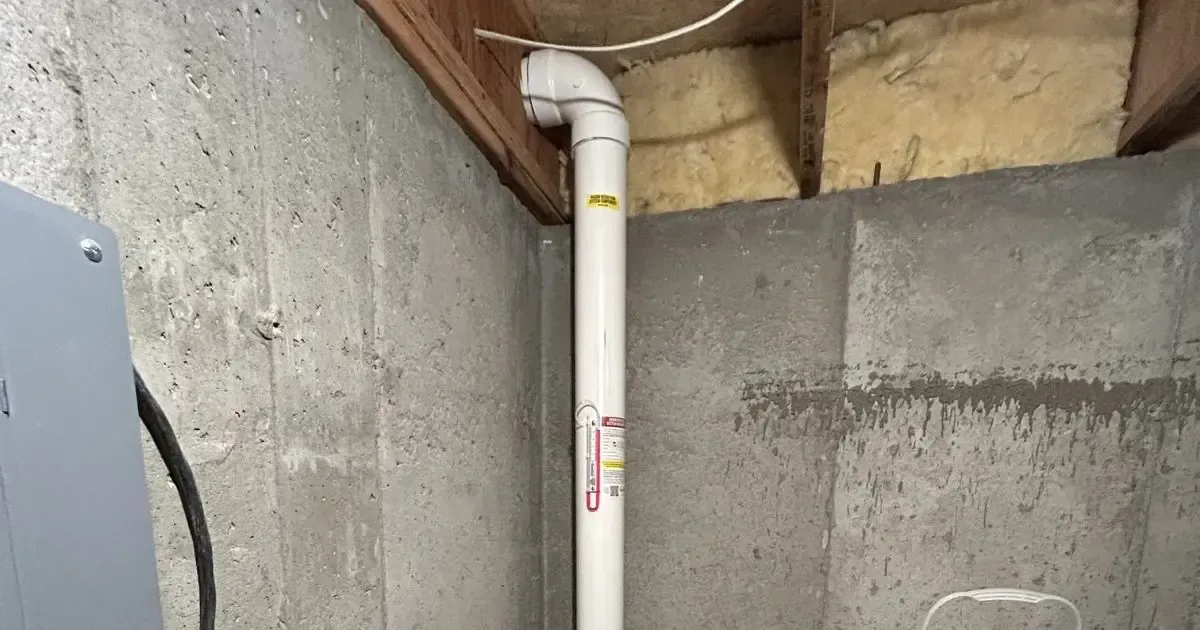
- Inspect all visible piping for any signs of wear, damage, or leaks.
- Verify that all seals, gaskets, or connections are secure and intact.
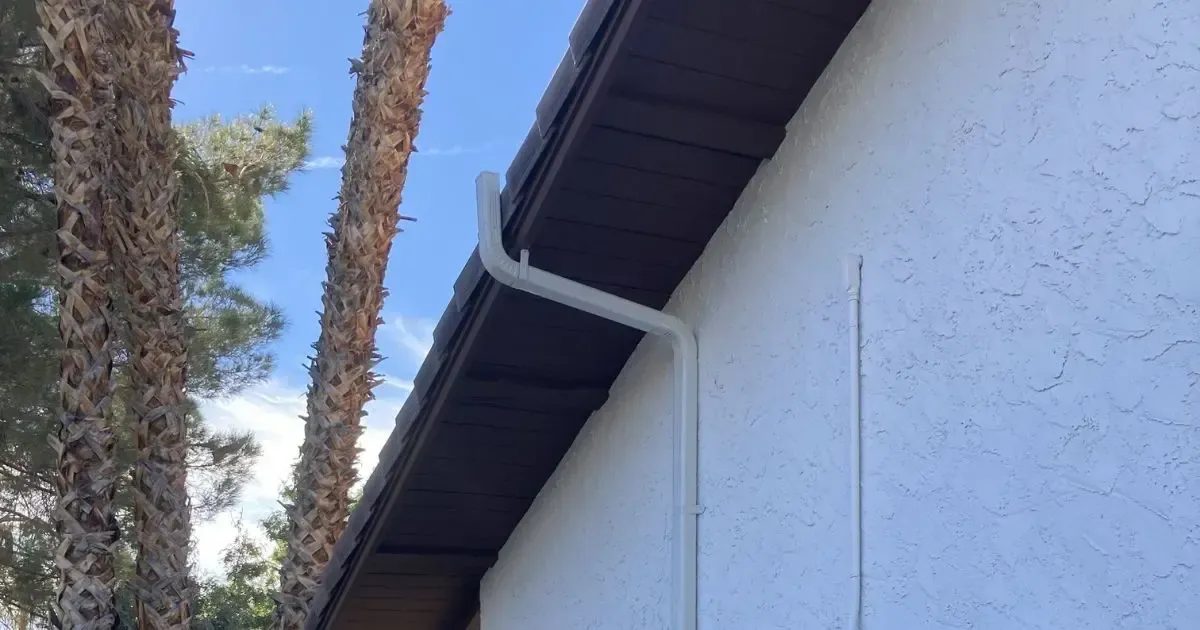
- Ensure that the radon vent is not obstructed by debris, plant growth, or other external factors.
- Check for any rust or corrosion on accessible metal parts.
Even minor damage can lead to significant problems if left unattended. If your visual check reveals any concerning issues, scheduling a service call with a radon expert becomes necessary.
4. Maintenance of the Sealing and Ventilation System
The integrity of the sealing and overall ventilation system is essential for the radon mitigation process to work. The following key areas should be periodically reviewed:
- Seals and Gaskets: Inspect for wear; replace if any degradation is noticed, as a faulty seal can compromise the entire system.
- Air Flow: Ensure that air is moving unobstructed through the intake and exhaust points. Blocked ventilation can disrupt the entire operation of the system.
- External Vents and Grilles: Make sure external vents and grilles are clean and free of blockages. These components can often become clogged with leaves or other debris.
Regular attention to these details not only protects your indoor air quality but also enhances the overall effectiveness and durability of the radon mitigation system.
Additional Situations When Professional Help Is Necessary
While many annual tasks can be performed by homeowners, there are situations where professional servicing is highly recommended:
- Unresolved
Fan Issues: When abnormal noises, vibrations, or temperature increases are detected and persist after basic cleaning.
- Persistent Unusual Manometer Readings: If evidence suggests that your system is not maintaining a stable pressure differential.
- Visible Cracks or Corrosion: Damage observed during visual checks should always be addressed by professionals who have the proper tools and experience.
- Post-Repair or System Upgrades: After the radon system has undergone major repairs or component replacements, an expert review can ensure the work was completed correctly.
In many cases, a professional can conduct more precise tests and offer specialized insight into the system’s overall performance. Although periodic do-it-yourself inspections are valuable, do not hesitate to seek professional help when needed for a comprehensive evaluation.
Steps to Take if Issues Are Discovered
Discovering issues during your annual checks can be daunting, but knowing the next steps can help ease the process. Here are some guidelines you can follow to address any concerns:
- Document Your Findings:
Keep an accurate log of the date, components checked, and any discrepancies observed. This log can also help when scheduling a service call. - Take Preliminary Action:
If you suspect a minor issue (e.g., dust buildup or a small leak), clean the affected area or tighten connections if comfortable doing so. However, more critical issues should immediately be referred to a professional. - Call a Licensed Professional:
If any readings or inspections seem out of the norm, call a radon mitigation expert. Be sure to share your documented observations to help them quickly diagnose and address the situation. - Schedule Periodic Re-checks:
Even if your system initially appears to work correctly after addressing an issue, schedule another check within a few weeks to ensure that the repair was successful.
These steps not only provide structure to your maintenance routine but also help build a record of your system’s long-term performance, which is beneficial during any home resale or appraisal process.
Get a Free Quote
Preventative Measures and Long-Term Benefits
The benefits of maintaining a radon mitigation system extend far beyond simply ensuring that immediate health risks are minimized. Some long-term advantages are:
- Reduced Repair Costs: Early detection of issues is often less expensive to repair than more significant problems that develop later.
- Extended Equipment Life: Regular maintenance ensures the radon mitigation system operates at peak efficiency, prolonging its service life.
- Home Value Retention: A well-maintained home, including its safety systems, adds value and appeal during real estate transactions.
- Energy Efficiency: A properly functioning system reduces energy waste, contributing to overall cost savings on your energy bill.
Taking a proactive approach to radon management not only protects your home’s occupants but also supports your long-term investment. The practice of annual checks is an investment in safety, efficiency, and peace of mind.
Documenting and Tracking Your Radon System Health
Maintaining records of your radon system’s performance is key in catching long-term trends and identifying recurring problems. Consider these tips for tracking your system health:
- Keep a Maintenance Log: Write down the date of each check, the readings observed, and any actions taken to remedy issues. This record will help you notice patterns over time.
- Use Digital Tools: Consider using a spreadsheet or a dedicated app to track your manometer readings and other important metrics. Regularly updating this log can make it easier for professionals to diagnose problems if they arise.
- Before and After Photographs: Capturing images of your system during different check-ups can provide visual evidence of any wear or damage, which might be helpful during repairs.
- Regular Reviews: Aim to review your log at least once a year to assess overall performance and plan for any upcoming preventive maintenance.
This documentation will not only assist in keeping your system safe but also prove beneficial during property sales should you ever decide to move. Prospective buyers appreciate homes with well-documented safety measures.
Additional Benefits of Regular Radon System Checks
Beyond the immediate safety benefits, maintaining your radon system has several additional advantages that can have a profound impact on your home and lifestyle. These benefits include:
- Cost Savings: Preventative maintenance reduces the likelihood of unexpected breakdowns and expensive repair bills. Keeping minor issues at bay can extend the life of your equipment, saving you money.
- Improved Indoor Air Quality: A effectively operating radon mitigation system ensures cleaner, healthier air within your home, reducing allergens and contaminants.
- Environmental Impact: An efficiently running system consumes less energy, reducing your home’s carbon footprint.
- Homeowner Empowerment: Taking an active role in your home’s safety can be extremely satisfying and minimizes the stress of unexpected hazards.
Regular maintenance not only secures your home environment but also provides peace of mind. Knowing that you have an effective system in place ensures that you and your loved ones can focus on enjoying your home rather than worrying about unseen dangers.
Final Thoughts
Maintaining a radon mitigation system may sound technical, but a proactive approach to care, combined with routine annual checks, can make all the difference. In summary:
- Regular Fan Inspections: Listen for unusual noises and check visually.
- Manometer Readings: Track pressure differentials and compare them over time.
- Visual Checks: Examine your piping, seals, and external vents for any obstructions or damage.
- Seasonal Considerations: Adjust your maintenance strategy according to the weather.
- Professional Servicing: Schedule a consultation when necessary to ensure that your system is operating efficiently and safely.
By following this detailed guide and integrating the steps into your annual home maintenance routine, you are taking valuable steps towards a safer, healthier home environment. Whether you opt for do-it-yourself maintenance or professional servicing, consistency is key to the longevity and effectiveness of your radon system.
For further assistance or to schedule a radon system evaluation, please
reach out to our team of experts. We are here to help you keep your home safe and your air quality optimal.
Get a Free Quote
![Blue periodic table tile for radon, element 86, with symbol Rn and mass [222].](https://le-cdn.hibuwebsites.com/09c3a4288d5947b58ca8220076f73b94/dms3rep/multi/opt/radon-periodic-table-rn-86-radon-be-gone-1920w.webp)