Radon is a naturally occurring radioactive gas that can be found in many homes. While it cannot be seen or smelled, its presence can pose significant
health risks if concentrations become too high over time. In this guide, we explore the primary sources of radon in homes, such as soil, groundwater, and building materials, and detail how radon enters your living space. With this detailed information, you’ll be well-informed about radon exposure and learn actionable steps to reduce it, ensuring a safer environment for your family.
Get a Free Quote
Main Sources of Radon in Homes
Radon enters homes from three principal sources: soil, groundwater, and building materials. By understanding how each source contributes to indoor radon levels, homeowners can adopt strategies to mitigate exposure.
1. Soil
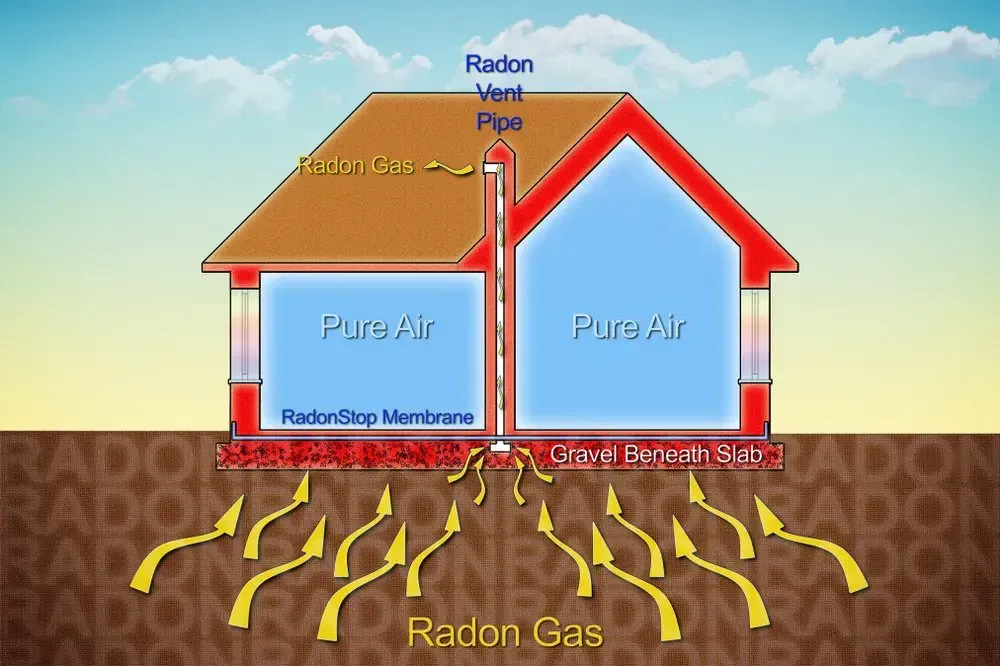
Soil is the most common source of radon entering residential buildings. The gas is naturally emitted from soil and rock beneath your home. The following factors contribute to this radon influx:
- Soil Composition: Areas rich in uranium-bearing minerals tend to generate higher amounts of radon.
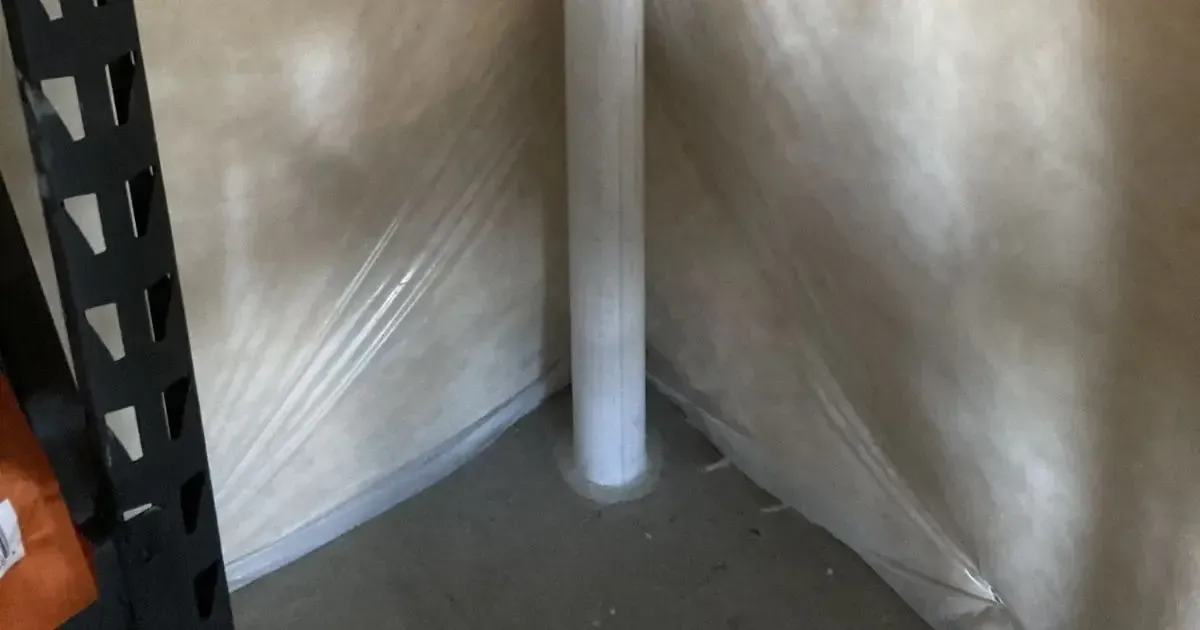
- Cracks and Openings: Any openings in the foundation, such as cracks, gaps around service pipes, or construction joints, provide pathways for radon to seep into a home.
- Pressure Differentials: Differences in air pressure between the inside of the home and the surrounding soil can draw radon gas upward into living spaces.
For many homeowners, soil gas infiltration is the primary reason for elevated radon levels in their basements and
crawl spaces. Screening and sealing these entry points, along with installing a radon mitigation system, can markedly reduce indoor radon levels.
2. Groundwater
Groundwater can sometimes contain higher concentrations of radon, particularly in regions where geological formations are rich in natural uranium. When this water is used in the home—for instance, in showers, sinks, and appliances—the radon gas can be released into the indoor air. Key points to consider:
- Water Supply Source: Homes that rely on well water may encounter radon exposure if the water supply contains radon.
- Radon Release During Use: Activities like showering or washing dishes can help aerosolize radon, contributing to higher indoor air concentrations.
- Treatment Options: Specific water treatment systems, such as aeration or granular activated carbon filters, can help reduce radon levels in drinking water, although these treatments are typically more common in areas with severe radon-in-water problems.
If your water comes from a private well or another local source, it is advisable to have radon concentrations checked in both your water and the indoor air of your home. This dual approach will help ensure that radon levels remain within safe limits.
3. Building Materials
Certain building materials that contain trace amounts of uranium or thorium can also emit radon. While the radon levels from these materials are typically lower compared to soil gas, they can add to overall radon exposure when combined with other sources. Consider the following details:
- Common Materials: Materials such as granite, concrete, and some types of tile or insulation might emit small amounts of radon.
- Material Age and Condition: Older buildings may have materials that, over time, release more radon, especially if there have been changes in humidity or temperature.
- Accumulation Effect: Even when individual emissions are low, the cumulative effect in a poorly ventilated space could be significant over long exposure periods.
While radon from building materials is not usually the primary concern in most modern homes, considering its presence as part of a comprehensive radon management strategy is important—especially if you live in an older house or one constructed with natural stone elements.
How Radon Enters Your Home
Understanding the pathways by which radon infiltrates your home can help you find effective methods to prevent or reduce its accumulation. Here are the primary mechanisms:
- Cracks in Foundation Walls: Small or large cracks in the foundation provide ample pathways for radon gas to enter from the soil beneath.
- Crawl Spaces and Basements: Homes with basements or crawl spaces can see elevated radon levels as the gas gets trapped in these areas due to limited ventilation.
- Pipes and Utility Openings: Gaps around water pipelines, electrical conduits, or service vents may also serve as entry points.
- Pressure Differences: The stack effect, where warm air rises in a building causing lower air pressure at the base, can pull radon from the underlying soil into the home.
If you suspect that your home is at risk of high radon levels, consider hiring a professional to a conduct a thorough inspection. Visual assessments and radon testing are key in locating the most significant entry points that may require remediation.
Detailed Look at Soil-Related Radon Issues
Because soil is the primary contributor for most homes, a closer inspection can better illustrate how radon migrates from the earth into your living spaces.
The process begins with the concentration of radon in the soil. Regions with granite and shale formations may naturally emit higher levels of radon due to increased uranium content. Over time, natural weather patterns combined with the presence of moisture can widen existing fissures in the soil, allowing more gas to accumulate. This gas then finds its way into homes through even the smallest structural gaps. In many instances, homeowners do not notice the gradual build-up, which is why periodic testing, especially after structural renovations or significant weather changes, is recommended.
Further considerations include:
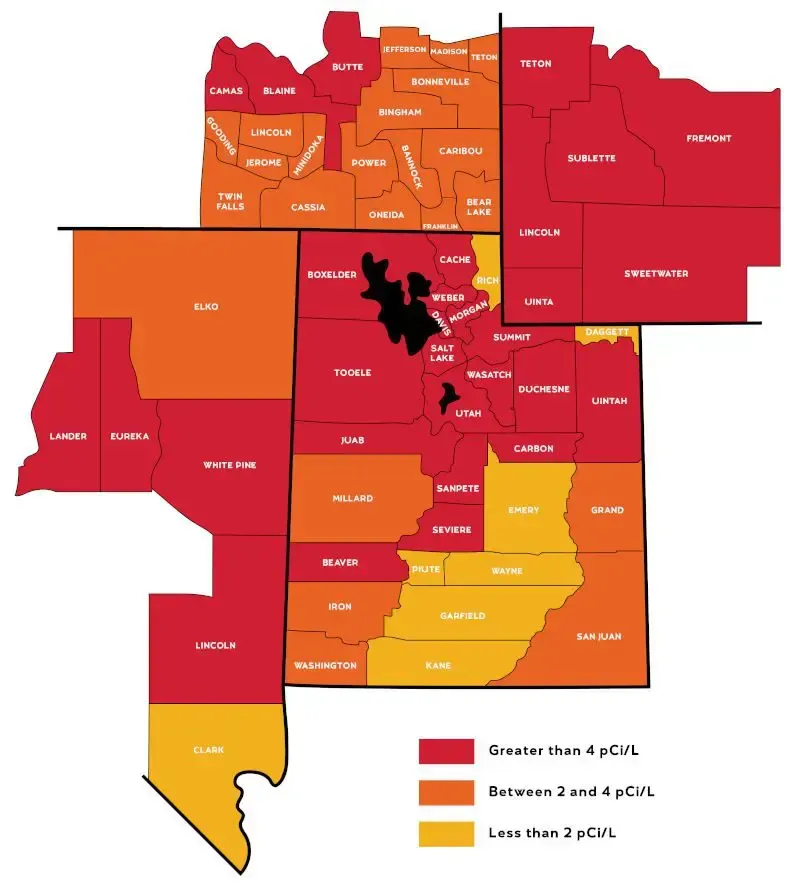
- Local Geology: Homes built in areas with certain geological features may be more prone to radon because of the higher presence of uranium-rich rocks. Consulting local geological maps can offer insight into whether your region might carry a higher risk.
- Foundation Type: The
design and construction quality of your home’s foundation directly influences radon entry. Homes with basements and crawl spaces are more vulnerable, while slab-on-grade constructions might see less radon accumulation but are not entirely immune.
- Seasonal Variations:
Radon levels can vary by season, often increasing during colder months when homes are sealed against the weather, reducing ventilation.
A well-sealed home, despite being energy efficient, may trap radon inside, underscoring the necessity for an integrated approach to both energy conservation and indoor air quality.
Get a Free Quote
Understanding Groundwater’s Role
Groundwater is a lesser-known source of radon that some homeowners might overlook. If your home utilizes groundwater – often sourced from a private well – it is essential to consider how radon might interact with your living environment.
Radon dissolved in water is released into the air during everyday household activities. This phenomenon is known as degassing, and it can contribute to indoor radon accumulation. For example:
- Showering: Hot water and steam can expedite the release of radon gas, raising its concentration in your bathroom and adjacent areas.
- Laundry: Washing clothes in radon-rich water can also contribute to an increase in indoor radon levels, particularly when using hot water cycles.
- Cooking: The use of water in cooking may similarly release radon, though this is generally a less significant contributor compared to activities that generate steam or vapor.
Testing your water can be a crucial part of managing radon risks. Homeowners with confirmed radon in their drinking water might want to consider installing specialized radon mitigation systems for water. This step not only enhances water quality but also reduces the chance of indoor airborne radon accumulation.
Impact of Building Materials on Radon Levels
Though often less significant than soil and groundwater, the materials used in construction can also play a role in radon presence. This is particularly relevant in areas where building materials are sourced from regions with higher natural radiation levels.
The factors that influence radon emission from building materials include:
- Natural Stone: Granite and other natural stones, when used in countertops or facades, may emit low levels of radon. While these emissions are generally minor, they can contribute cumulatively over time.
- Concrete and Bricks: Common modern building materials such as concrete and bricks may contain trace amounts of radioactive elements. These emissions are usually minimal but can be more pronounced in older constructions.
- Age and Wear: Over time, as buildings age and cracks form in walls and foundations, radon emissions from these materials might contribute to indoor radon levels.
Even though radon from building materials tends to be lower, it is a piece of the overall indoor air quality puzzle. Homeowners concerned about cumulative radon exposure should consider all possible sources in their mitigation strategy.
Additional Considerations for a Safer Home
In addition to direct radon mitigation measures, there are a number of complementary strategies that can enhance your overall indoor air quality. Some of these approaches include:
- Regular HVAC System Checks: Ensure that your heating, ventilation, and air conditioning systems are well-maintained and operating efficiently to provide consistent air circulation.
- Energy Efficiency Upgrades: When performing energy retrofits, work with professionals who understand the balance between sealing your home for energy efficiency and ensuring adequate ventilation to mitigate radon.
- Outdoor-Air Integration: Consider installing air exchangers or other systems that introduce outdoor air into your home without causing temperature fluctuations, further reducing radon concentration risk.
- Awareness and Education: Stay informed about local radon levels and any recent changes in building codes or recommendations that might affect radon exposure mitigation strategies. Local health departments and environmental agencies often provide up-to-date radon risk assessments for your area.
Combining these strategies with targeted radon mitigation efforts not only protects against the health hazards associated with radon but also contributes to a healthier overall living environment.
Frequently Asked Questions
Below are answers to some common questions about radon and its impact on your home:
What is The Safe Level of Radon in a Home?
Most health organizations recommend that radon levels in homes should remain below 4 pCi/L. Levels above this threshold trigger further investigation and prompt mitigation measures.
How Long Does it Take to Test For Radon?
Radon testing can vary depending on the type of kit used. Short-term tests can be completed within 2 to 7 days, while long-term tests, which provide a more accurate average level, last for 90 days or more.
Can Radon Mitigation Affect The Value of my Home?
Investing in radon mitigation not only improves your family’s health and safety but can also enhance the value of your home, as prospective buyers often view a radon-mitigated property as a safer, more secure investment.
Do All Homes Require Radon Mitigation?
No, not every home will have elevated radon levels. However, testing is recommended because you cannot detect radon without specialized equipment. Even homes in low-risk areas should conduct periodic tests to ensure safety.
Conclusion
Understanding where radon comes from—whether it is soil, groundwater, or building materials—is crucial for maintaining a safe home environment. By knowing the sources and pathways through which radon enters your home, you can take informed and proactive steps to minimize exposure. We’ve outlined some essential strategies, including testing, sealing gaps, improving ventilation, and professional mitigation, all of which work together to protect your health.
Now is the time to act. Ensure regular radon testing, especially if you live in areas known for higher natural uranium content, use appropriate mitigation techniques, and stay vigilant about changes in your home’s structure or environment. With the right approach, you can significantly reduce the risk of radon exposure and make your home a safer place for everyone.
For more resources and updated information on radon, feel free to explore our website. Thank you for taking the time to learn more about radon sources in homes and the steps necessary to reduce its impact on your life.
Get a Free Quote
![Blue periodic table tile for radon, element 86, with symbol Rn and mass [222].](https://le-cdn.hibuwebsites.com/09c3a4288d5947b58ca8220076f73b94/dms3rep/multi/opt/radon-periodic-table-rn-86-radon-be-gone-1920w.webp)