Radon mitigation is not a job for guesswork. A poorly designed system can leave your home’s radon level barely changed. Worse, it can mask the problem just enough that no one thinks to check again. The specialist you choose determines the difference between real protection and a fan bolted to the roof.
This guide walks through what separates a qualified radon specialist from someone who simply owns a drill and a pipe. Certifications, licensing, insurance, warranties, the right questions to ask, and the red flags that should send you looking elsewhere.
Get a Free Quote
Why Choosing the Right Contractor Matters
Radon is invisible, and so is a bad mitigation job until the next test comes back high.
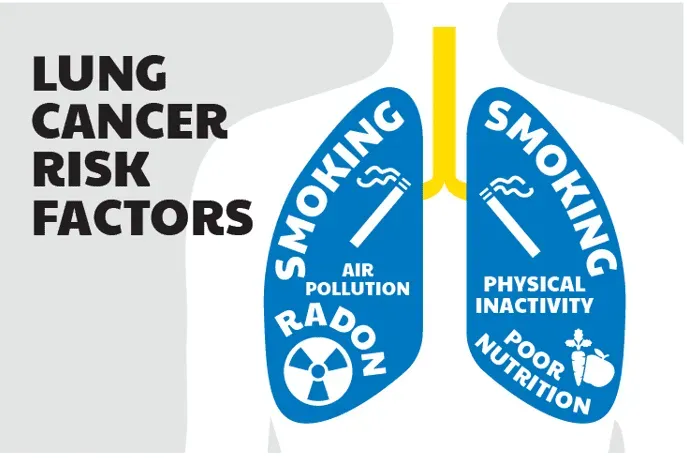
Radon exposure carries real health risks. A mitigation system exists to solve that problem permanently.
The Cost of Getting It Wrong
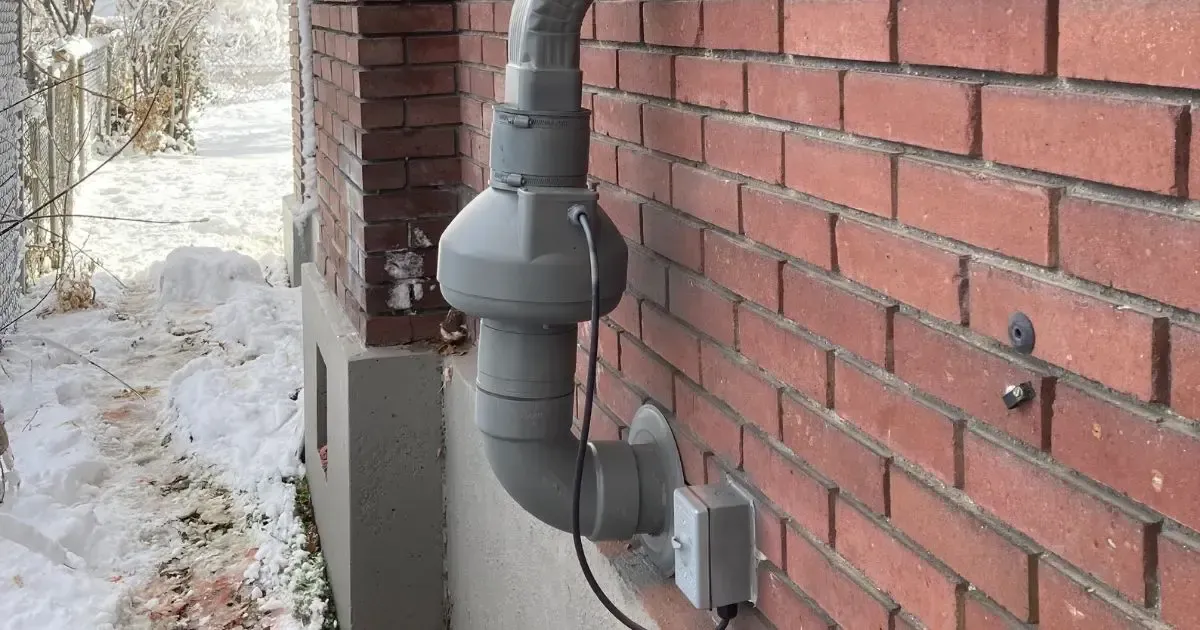
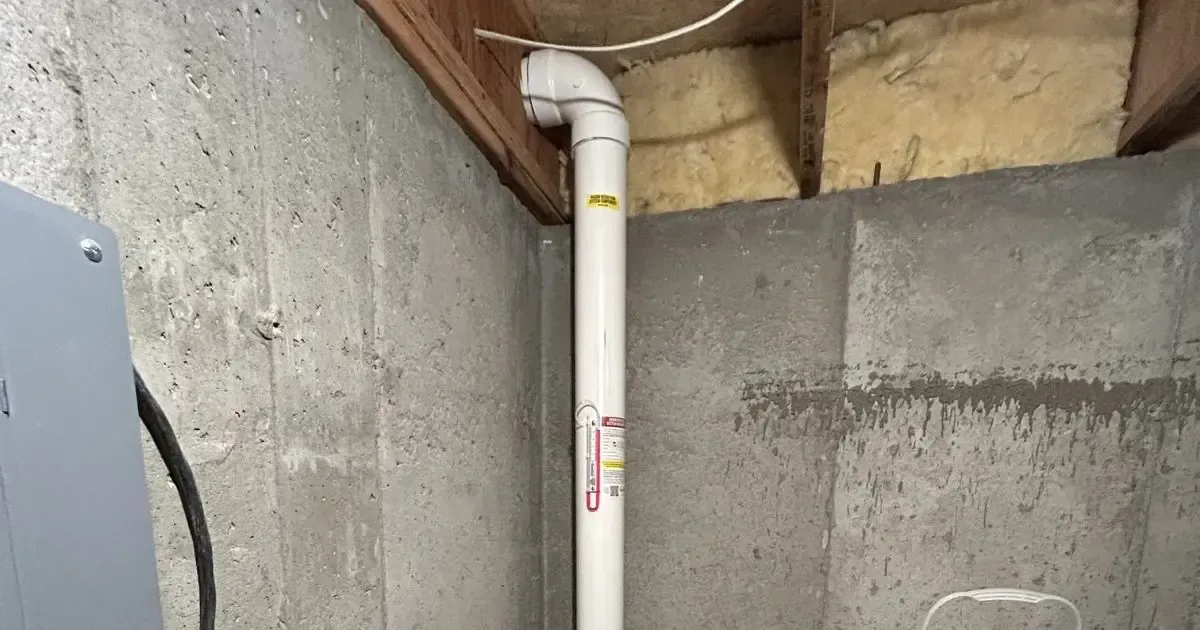
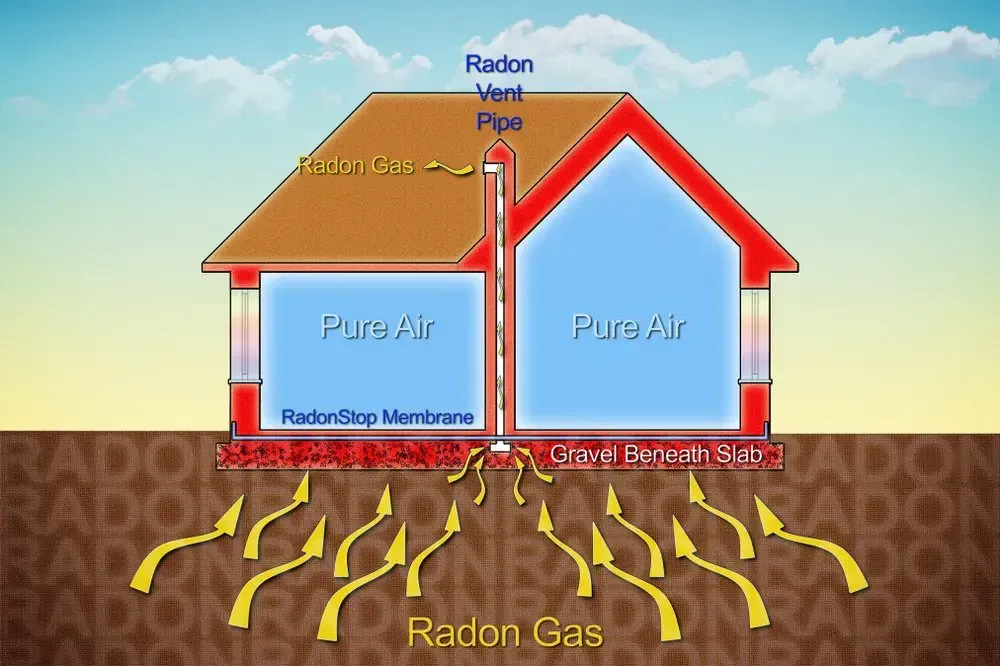
A poorly installed system can pull air from the wrong location or use an undersized fan. It can also leave gaps in the seal that let radon slip past the pipe entirely. Homeowners sometimes discover this only when they sell the house.
A buyer’s inspection turns up an elevated reading, despite a “completed” mitigation system already in place. Fixing a bad installation almost always costs more than doing it right the first time.
What a Qualified Specialist Actually Changes
A properly trained specialist assesses your home’s specific foundation type, soil conditions, and radon entry points before choosing a system design. That assessment determines your final reading: safely below 4.0 pCi/L, or hovering just under the line. The right contractor treats your home as a unique structure.
NRPP Certification
The
National Radon Proficiency Program (NRPP) is one of two nationally recognized credentialing bodies for radon professionals in the United States.
NRPP certification requires technicians to complete approved coursework and pass a proficiency exam. It also requires ongoing continuing education to keep the credential current. Separate certifications exist for testing (Radon Measurement Professional) and mitigation (Radon Mitigation Specialist). A contractor may hold one, both, or neither.
An NRPP-certified specialist has demonstrated a working knowledge of radon physics, testing protocol, and system design standards. Ask directly if your contractor holds an active NRPP certification, and ask for their certification number. A legitimate specialist will provide it without hesitation.
AARST Standards
The
American Association of Radon Scientists and Technologists (AARST) develops the technical standards guiding how radon testing and mitigation should be performed nationwide.
AARST standards cover system design specifications, fan placement, pipe sizing, labeling requirements, and post-installation testing protocols. These standards exist for a reason. A mitigation system installed in Utah should follow the same baseline quality as one installed anywhere else in the country.
A contractor who builds systems to AARST standards will label the system clearly and place warning devices where they’re visible. They’ll also document the installation in a way that holds up during a future home sale. If a contractor cannot explain how their work aligns with AARST guidelines, that’s worth noting.
Licensing
Utah requires radon mitigation contractors to hold a valid state contractor’s license, separate from any national certification.
Utah Licensing Requirements
A radon mitigation contractor operating in Utah needs an active license through the
Utah Division of Professional Licensing (DOPL). The specific radon license classification confirms they are authorized to perform mitigation work in the state, not just general contracting.
How to Verify a License
You can look up any contractor’s license status directly through the
DOPL license lookup tool. Confirm the license is active, matches the business name on your quote, and has no disciplinary history attached. A specialist with nothing to hide will not object to you checking.
Insurance
Licensing confirms legal authorization to do the work. Insurance protects you if something goes wrong during it.
General Liability Coverage
General liability insurance covers property damage that might occur during installation. This includes a damaged foundation, a punctured pipe, or accidental harm to your home’s structure. Ask to see a current certificate of insurance rather than simply taking a contractor’s word for it.
Workers' Compensation
Workers’ compensation coverage protects you from liability if a technician gets injured while working on your property. Without it, an injury on your job site could become your financial responsibility. This is an easy detail to overlook until it becomes a problem.
Experience
Certifications establish a baseline. Experience shows how a contractor performs when a home doesn’t match the textbook example.
Years in Business
Longevity in the radon industry signals more than survival. It reflects a track record of returning customers, referrals, and consistent results across changing regulations and building codes. Ask how long the company has operated specifically in radon mitigation, not just construction in general.
Volume and Range of Completed Projects
A specialist who has installed systems in a few hundred homes has seen far fewer edge cases. Compare that to one who has installed systems in tens of thousands. Older homes, slab-on-grade construction, crawl spaces, finished basements, and commercial buildings all present different mitigation challenges. Broad experience across home types translates directly into fewer surprises during your own installation.
Reviews
Certifications and licenses tell you what a contractor is authorized to do. Reviews tell you how they actually treat customers.
Where to Look
Check reviews across multiple platforms rather than relying on testimonials posted on the company’s own website. Google Business Profile, the Better Business Bureau, and independent review sites each surface different kinds of feedback. A pattern across all of them carries more weight than a handful of curated quotes.
What to Read For
Look past the star rating and read the actual comments. Pay attention to how the company responds to negative reviews. Note if customers mention punctuality and cleanliness, and if people report that their radon levels actually dropped after installation. A specialist confident in their work will have a visible response history, not silence on complaints.
Warranties
A warranty is a contractor’s way of putting their money behind their claims. The stronger the warranty, the more confidence they have in their own system design.
System Performance Warranties
A performance warranty guarantees your radon level will stay below a specific threshold after installation. It should also specify what happens if a later test shows otherwise. Some companies guarantee levels below the EPA’s 4.0 pCi/L action level. Others, including Radon Be Gone, guarantee results below 2.7 pCi/L, a meaningfully tighter standard.
Equipment and Workmanship Warranties
Separate from performance, look for warranty coverage on the physical components. That means the fan, the piping, and the roof jack where the pipe exits the house. A five-year manufacturer’s warranty on the fan protects one of the most common points of mechanical failure. A no-leak warranty on the roof jack covers the other.
Testing After Installation
Installation is not the finish line. A mitigation system only proves itself once a test confirms it actually worked.
A contractor should test your home again after the system is running, typically using a continuous radon monitor. This confirms the reading dropped as expected. Skipping this step leaves you with an assumption instead of a documented result.
Ask for a copy of the post-installation test report, not just a verbal confirmation. That documentation matters during a future home sale. It gives you concrete proof that the system delivered on its promise rather than simply running.
Questions to Ask
A short, direct list of questions can reveal more about a contractor than an hour of sales talk.
- What certifications do you currently hold, and can I see your certification number?
- How many systems have you installed in homes similar to mine?
- Are you licensed through the Utah Division of Professional Licensing?
- What radon level do you guarantee after installation?
- Will you test the home after installation, and will I receive a written report?
- What does your warranty cover, and for how long?
- Can you complete the installation in a single visit, or will it require multiple trips?
Pricing and Behavior Red Flags
Most bad radon contractors give themselves away early if you know what to watch for.
A quote that comes in far below every other estimate you’ve received often means corners will get cut somewhere, in materials, testing, or follow-up. Be equally cautious of high-pressure discounts that expire “today only,” since urgency tactics rarely belong in a home safety decision.
Watch for contractors who cannot produce proof of certification or avoid answering direct questions about licensing or insurance. The same goes for anyone who refuses to guarantee a specific post-installation radon level. A specialist who hesitates on any of these basics is telling you something important before the job even starts.
Why Radon Be Gone Meets Every Standard
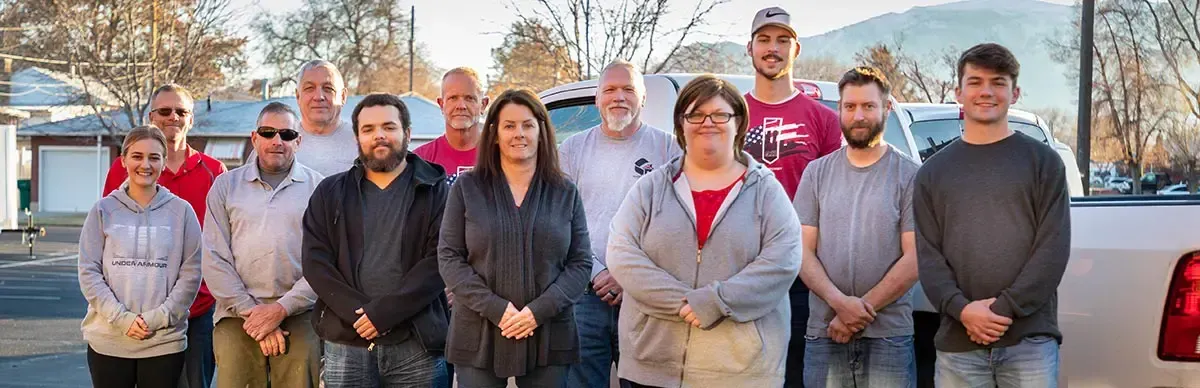
Every item on this list is designed to help you distinguish a qualified specialist from a risk. Radon Be Gone has built its reputation in Utah since 2008 by meeting each one directly.
Our technicians hold both NRPP and AARST certification. We’re fully licensed through the state of Utah and insured for every project we take on.
We’ve installed more than 20,000 systems across Utah and the Rocky Mountain region. That volume means we’ve handled nearly every foundation type and construction era the state has to offer.
We guarantee post-mitigation levels below 2.7 pCi/L, well under the EPA’s 4.0 pCi/L threshold. That guarantee comes backed by a lifetime transferable warranty on the system, a five-year manufacturer’s warranty on fans, and a five-year no-leak warranty on roof jacks. Every installation includes post-installation testing with a tamper-proof continuous monitor, so you get documented proof, not just a promise. Most systems go in within a single day. We’re BBB Accredited, too, with a public track record you can verify before you ever pick up the phone.
Frequently Asked Questions
Is NRPP certification legally required to perform radon mitigation in Utah?
Utah requires a state contractor’s license for radon mitigation work. NRPP certification is also a widely recognized industry credential held by many reputable contractors. Checking for both gives you a stronger indication of qualification than either alone.
How do I verify a contractor's license in Utah?
You can search any contractor’s license status directly through the
Utah Division of Professional Licensing’s online lookup tool. It shows license status, classification, and any disciplinary history on record.
What radon level should a mitigation system guarantee?
The EPA’s action level is 4.0 pCi/L, so any credible guarantee should promise results at or below that number. Some specialists, including Radon Be Gone, guarantee levels below 2.7 pCi/L for an added margin of safety.
Should I get more than one quote before choosing a specialist?
Comparing two or three quotes helps you spot outliers. That includes unusually low bids that may signal cutting corners, and unusually high ones that may not reflect better quality. Use the certification, licensing, and warranty criteria above to judge each quote, not price alone.
How long does a typical radon mitigation installation take?
Most residential systems can be installed in a single day by an experienced crew. Homes with unusual foundation types or multiple radon entry points may require additional time.
Can I install a radon mitigation system myself?
Technically yes, but a self-installed system without proper diagnostic testing, correct fan sizing, and post-installation verification carries a real risk of underperforming. Given the health stakes involved, most homeowners find professional installation worth the investment.
Get a Free Quote
Order a Test Kit
![Blue periodic table tile for radon, element 86, with symbol Rn and mass [222].](https://le-cdn.hibuwebsites.com/09c3a4288d5947b58ca8220076f73b94/dms3rep/multi/opt/radon-periodic-table-rn-86-radon-be-gone-1920w.webp)