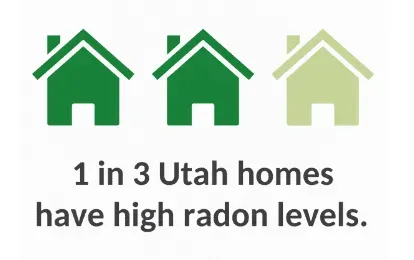
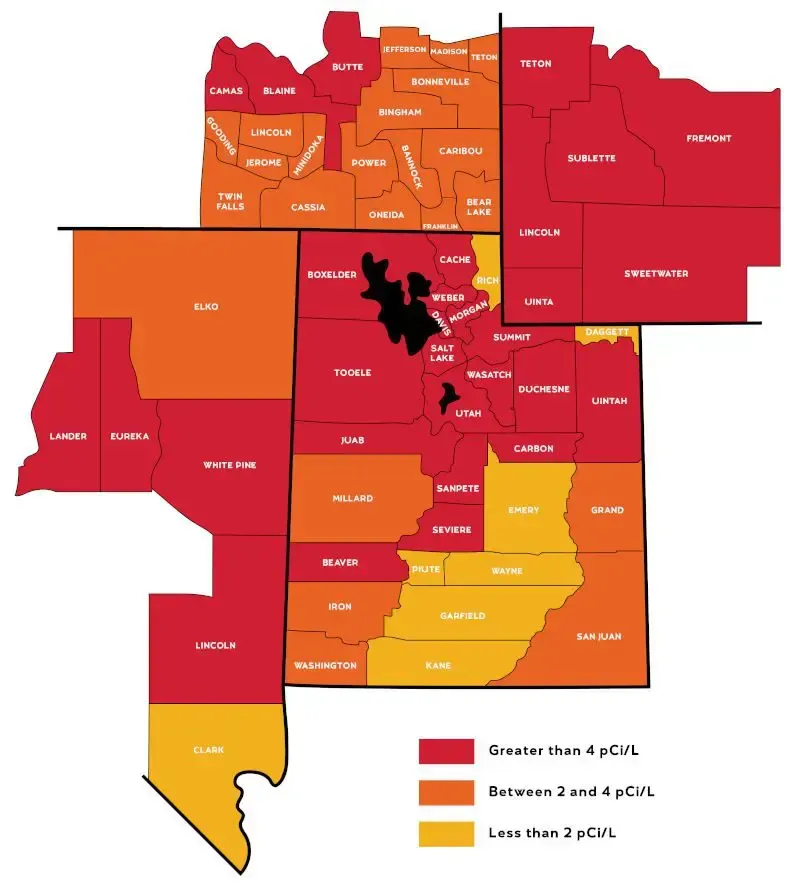
Utah has some of the highest radon levels in the country, with close to one in three homes above the
EPA action level of 4.0 pCi/L. Given that, homeowners are often surprised to learn how little Utah law actually requires. Here is the straight answer on what is required, what is recommended, and what the state leaves entirely up to you.
Get a FREE Quote
Is Radon Testing Required by Law in Utah?
No. Utah does not require homeowners, buyers, or sellers to test a home for radon at any point, including during a real estate transaction. Buyers and sellers decide for themselves whether to test.
This puts Utah behind several other states that have built testing into the home-sale process. Because testing is optional, a buyer who wants radon data has to request it directly, either by asking the seller for past results or by ordering an independent test during the inspection period.
What Utah's Disclosure Law Actually Requires
Utah’s one real disclosure obligation comes through the standard Seller’s Property Disclosure form, which includes a “Hazardous Conditions” question asking whether the seller knows of any radon gas in the house or well. The
Utah Department of Environmental Quality’s guidance on real estate transactions walks through this in detail. A few points matter here:
- The seller answers based on their
current actual knowledge, not a fresh test.
- If a home was tested years ago, or never tested at all, the seller can honestly answer “no” or “do not know,” even if the home currently has elevated levels.
- If the seller has test results, they are expected to share them with the buyer.
- There is no requirement to disclose radon information early in the transaction, so it sometimes only comes up once the disclosure form is signed.
In short, disclosure law in Utah covers what a seller already knows, not what they are required to find out.
Is Radon Mitigation Required in Utah?
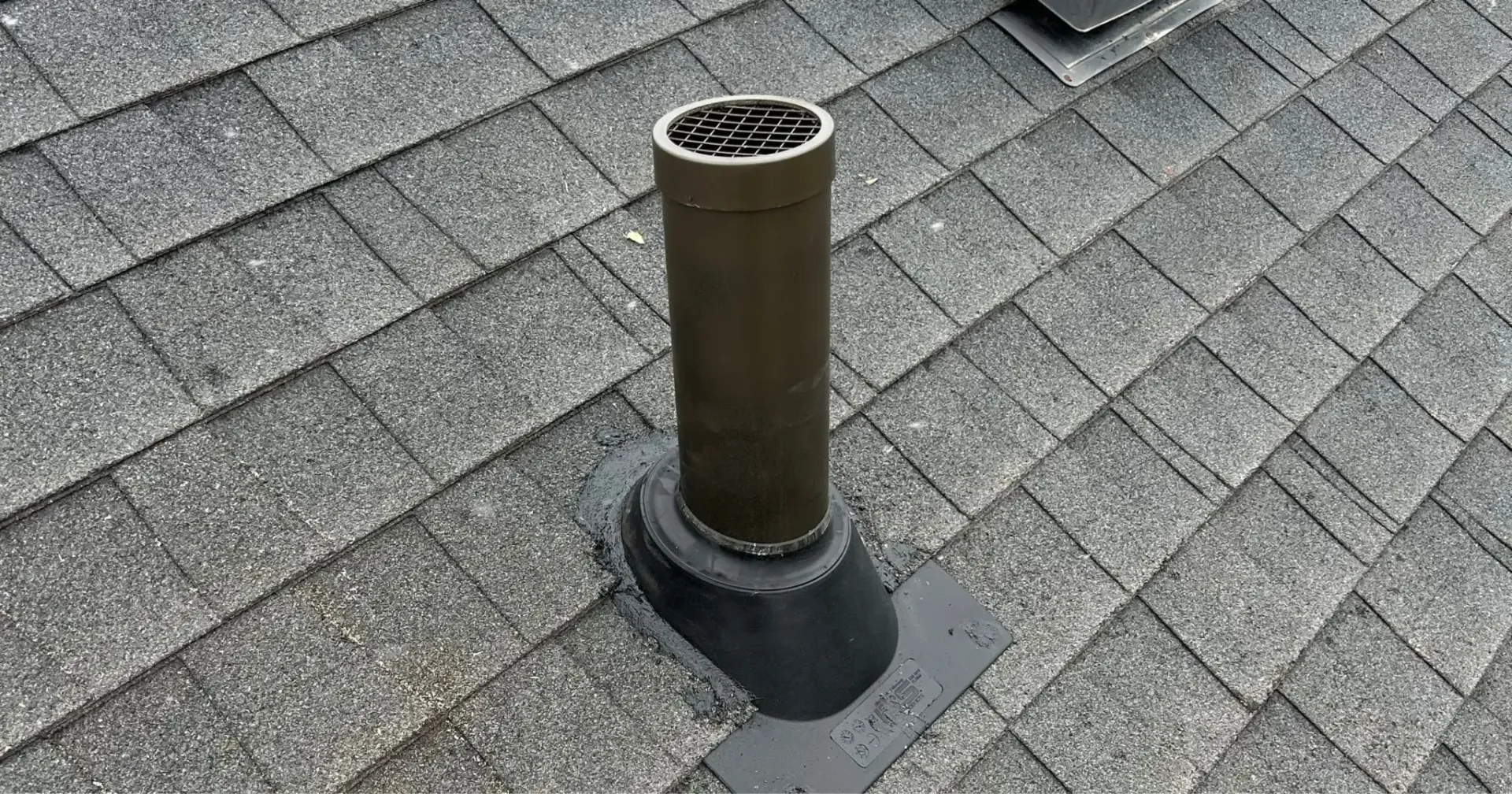
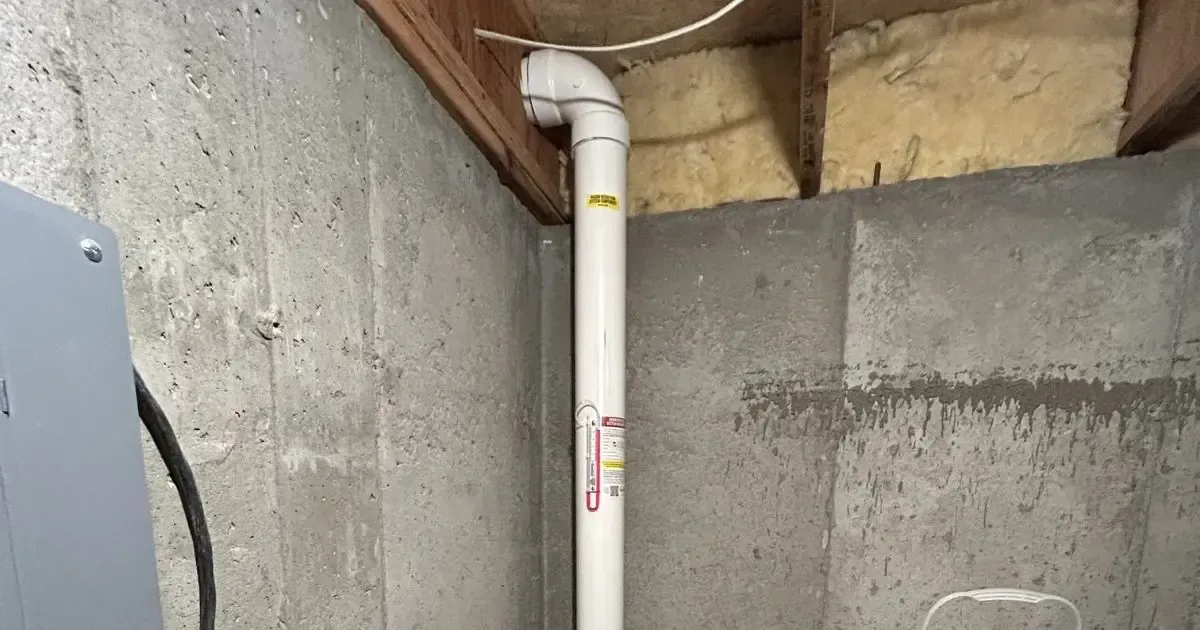
No, not for existing homes. If a test comes back at or above 4.0 pCi/L, the EPA and Utah’s own
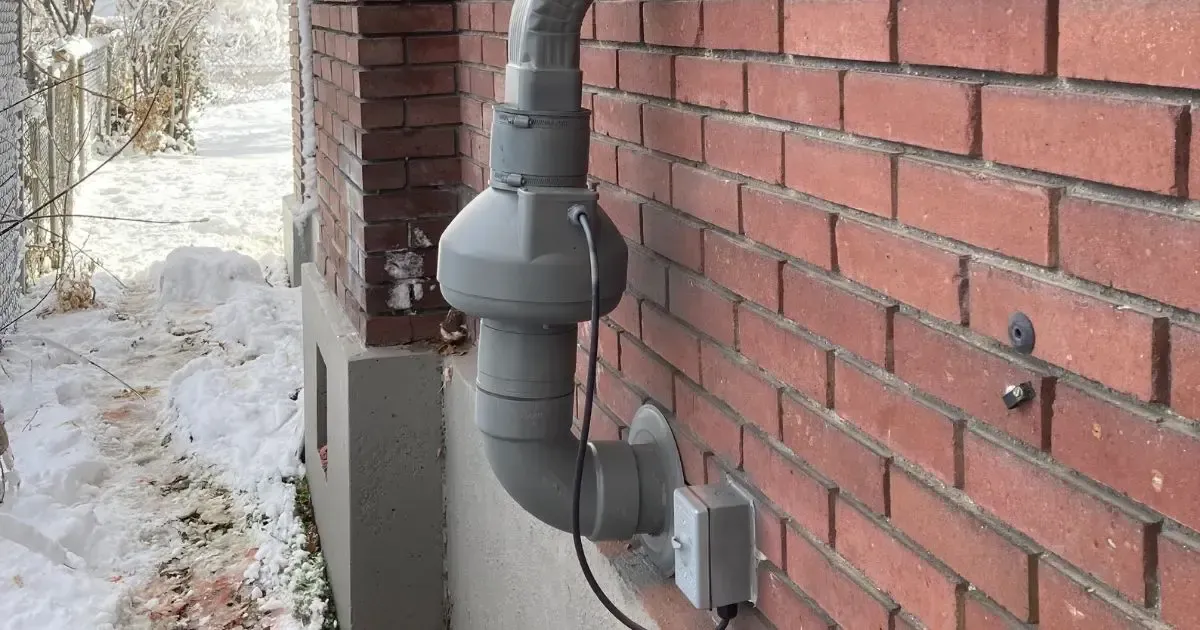
Department of Environmental Quality Radon Program strongly recommend installing a mitigation system, but state law doesn’t force a homeowner to act on the result.
Mitigation only becomes a practical requirement in specific situations, such as:
- A buyer negotiating mitigation as a condition of the sale
- A mortgage lender requesting it based on inspection findings
- A homeowner choosing to install one proactively before listing
New Construction: The One Partial Exception
New home construction is where Utah’s rules get more specific, though still not statewide. The
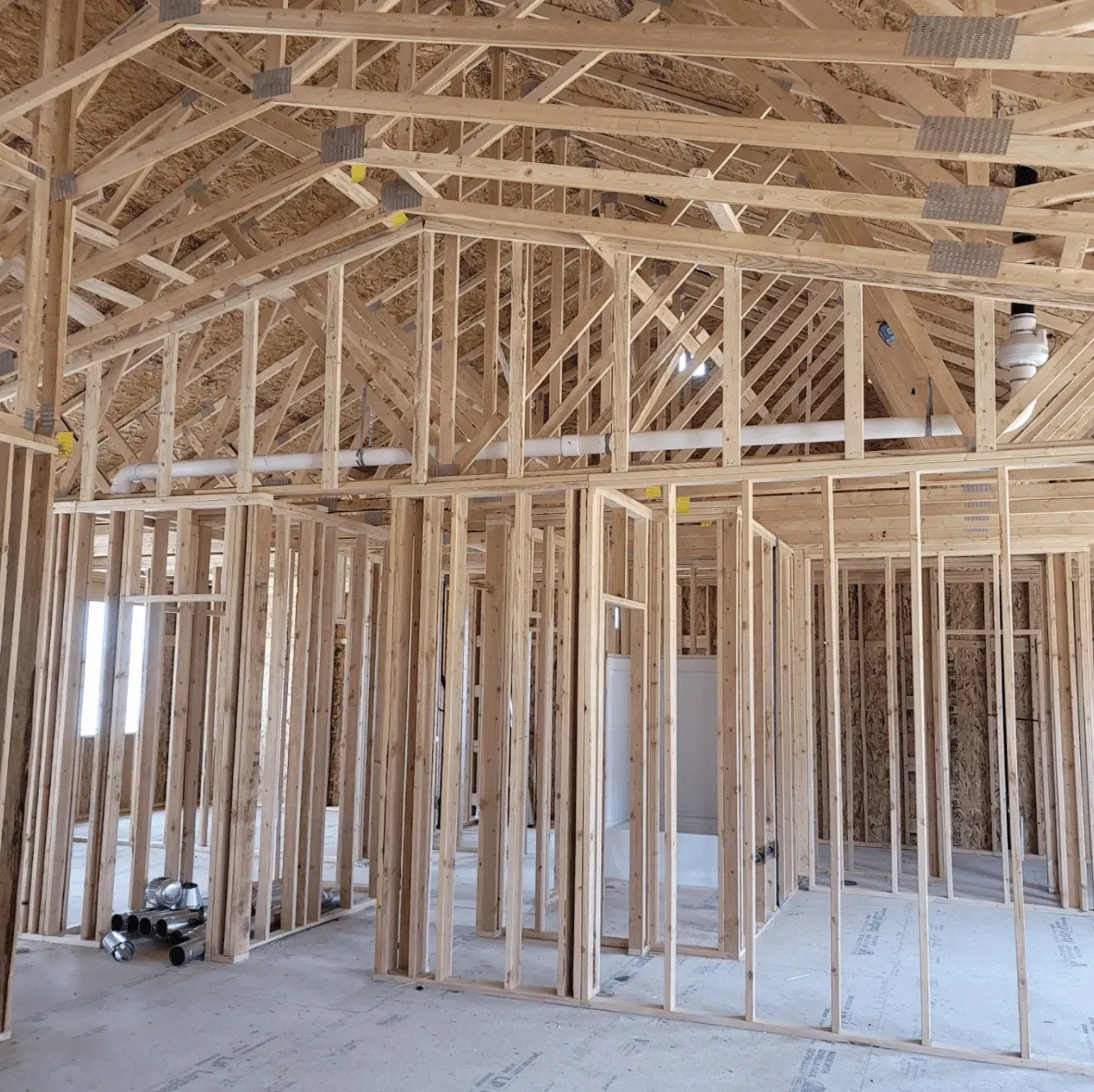
2021 Utah State Residential Code includes Appendix AF, covering radon control methods for new builds. This appendix only applies in jurisdictions that carry a Zone 1 radon designation and that have chosen to adopt it locally. That means a new home in one county may be built with radon-resistant features as a code requirement, while a new home in another county may not include them at all unless the builder adds them voluntarily.
If you are buying new construction anywhere in Utah, it is worth asking the builder directly whether radon-resistant features were included, rather than assuming they are standard.
The Two Laws Utah Does Have
Setting aside all the things Utah doesn’t require, two real legal requirements do exist:
- Seller disclosure of known radon information, as covered above.
- Licensed contractor requirement for mitigation work. A
certified contractor must handle any mitigation system installation, following national standards set by the
National Radon Proficiency Program or the
National Radon Safety Board. This protects homeowners from unqualified installations, even though the decision to install one in the first place remains optional.
What Utah Law Does Not Cover
A few gaps are worth knowing about, since homeowners sometimes assume protections exist that don’t:
- Rental properties:
Utah does not require landlords to test for or disclose radon levels to tenants.
- Schools and daycares: Utah does not require radon testing in schools, daycare centers, or other public buildings.
- Public buildings generally: Even where testing reveals elevated levels, mitigation is not mandated.
- Early disclosure: Sellers are not required to raise radon early in a transaction, only to answer honestly when the disclosure form comes up.
Since 2023: Property Tax Notices
As of September 2023,
Utah requires county treasurers to include radon awareness and testing information along with annual property tax notices. This is one of the more recent additions to Utah’s radon-related requirements, and it applies statewide regardless of a home’s actual radon level.
Why This Still Matters Even Without a Legal Mandate
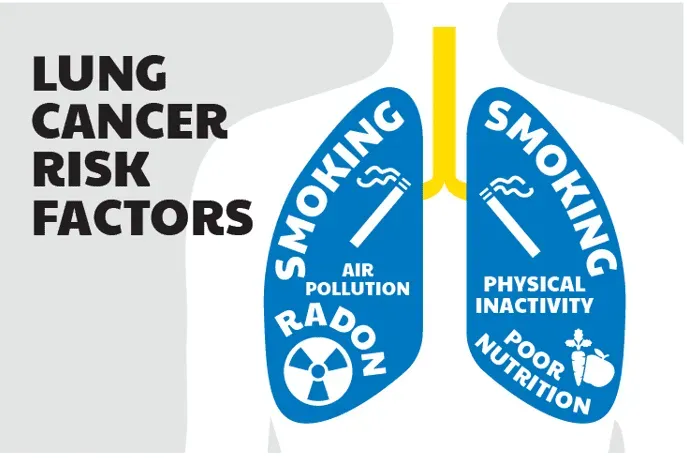
The absence of a testing or mitigation mandate doesn’t reflect the actual risk. Utah’s radon levels remain among the highest in the nation, and radon is the leading cause of lung cancer in non-smokers. Buyers and sellers who treat testing as optional in the legal sense, but essential in the practical sense, tend to avoid surprises.
A pre-listing test gives sellers time to address a problem before it becomes a negotiation point, and a buyer-ordered test during inspection gives buyers real data instead of relying on a seller’s disclosure answer alone.
Helpful Resources
Frequently Asked Questions About Radon
Do I have to test my home for radon before selling it in Utah?
No. Testing is not required, but many sellers choose to test anyway to avoid last-minute negotiations during closing.
Can a seller legally say "No" to the radon question without ever testing?
Yes, as long as they are answering based on their current actual knowledge. This is a known gap in the disclosure system.
Does Utah require radon testing in rental homes?
No. Landlords are not required to test or disclose radon levels to tenants.
Are new homes in Utah required to have a radon mitigation system installed?
Only in jurisdictions with a Zone 1 designation that have adopted Appendix AF locally. It is not a statewide requirement, so ask the builder directly.
Who is allowed to install a radon mitigation system in Utah?
Only certified contractors following national standards, typically through NRPP or NRSB certification. This is one of the two actual radon laws in the state.
Is there any government requirement related to radon that applies to every Utah homeowner?
Yes. Since September 2023, county treasurers must include radon information with annual property tax notices, regardless of a home’s test history.
Get a Straight Answer from Radon Be Gone
Utah law may not require testing or mitigation, but a high radon level in your home carries the same health risk with or without a legal mandate behind it. Radon Be Gone has helped Utah homeowners test, understand, and fix radon problems, using certified professionals and mitigation systems that bring levels down for good.
If you’re buying, selling, or simply want to know what’s in the air you breathe every day, Radon Be Gone can get you tested and, if needed, send a certified team to install a system.
Schedule your radon test with Radon Be Gone and know exactly where your home stands.
Get a Free Quote
Order a Test Kit
![Blue periodic table tile for radon, element 86, with symbol Rn and mass [222].](https://le-cdn.hibuwebsites.com/09c3a4288d5947b58ca8220076f73b94/dms3rep/multi/opt/radon-periodic-table-rn-86-radon-be-gone-1920w.webp)