4. Interpreting the Results
Understanding what the measurements mean is pivotal for making informed decisions about radon mitigation.
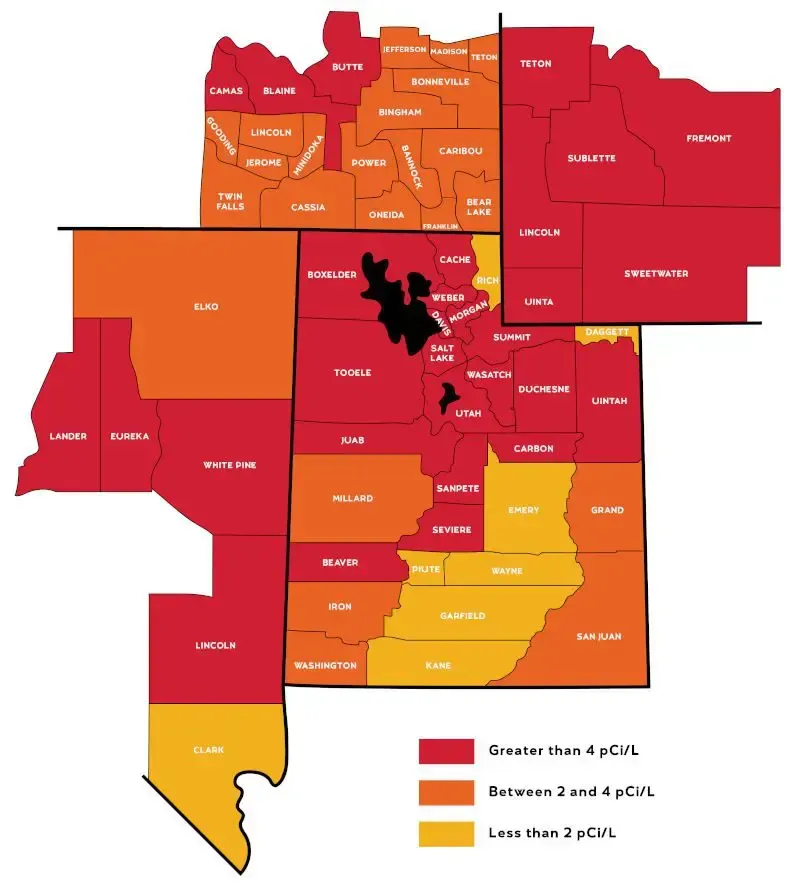
- EPA Recommended Levels: The Environmental Protection Agency (EPA) recommends taking action if radon levels are 4 pCi/L or higher.
- Understanding the Scale:
- Levels below 2 pCi/L are generally considered low risk.
- Levels between 2-4 pCi/L are moderate and may require monitoring.
- Levels above 4 pCi/L indicate a need for immediate mitigation efforts.
5. Taking Action Based on Measurements
Depending on the radon levels recorded, appropriate actions should be taken to ensure a safe environment.
- Levels Below 2 pCi/L:
- Continue regular monitoring.
- Maintain ventilation in the building.
- Levels Between 2-4 pCi/L:
- Investigate potential sources of radon ingress.
- Consider installing radon mitigation systems if levels trend upward.
- Levels Above 4 pCi/L:
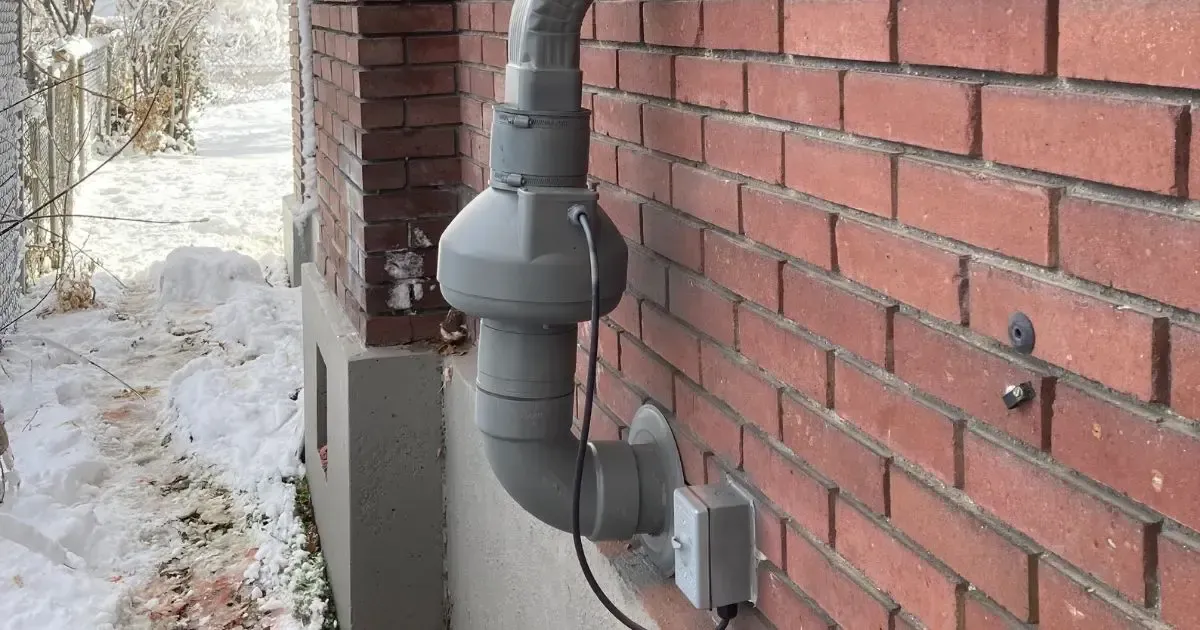
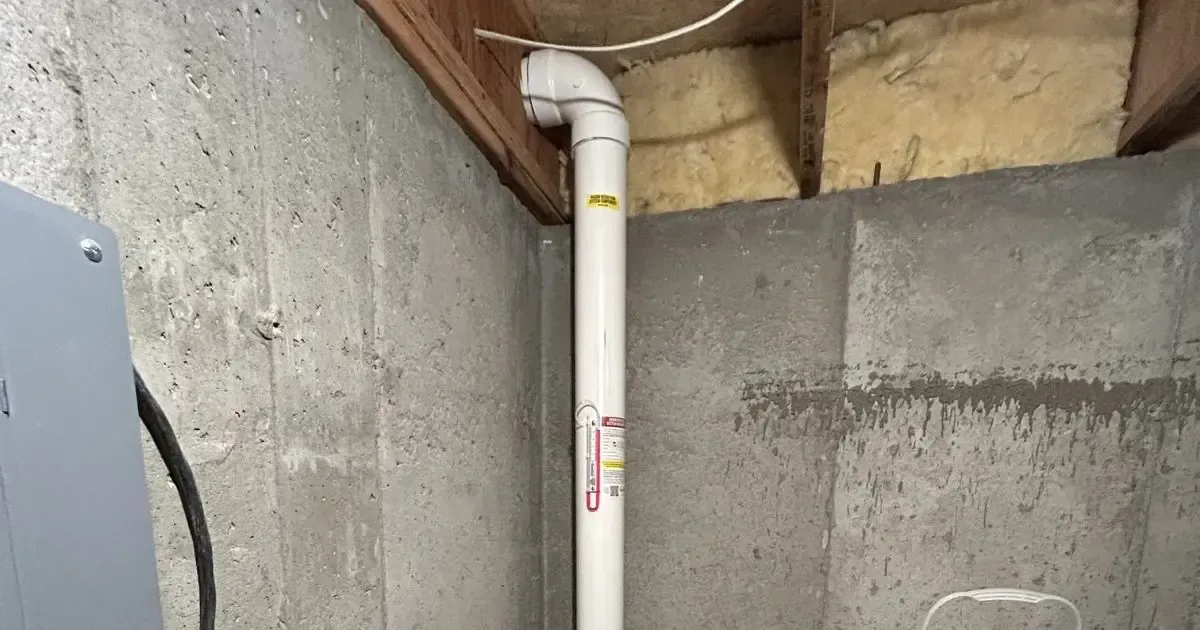
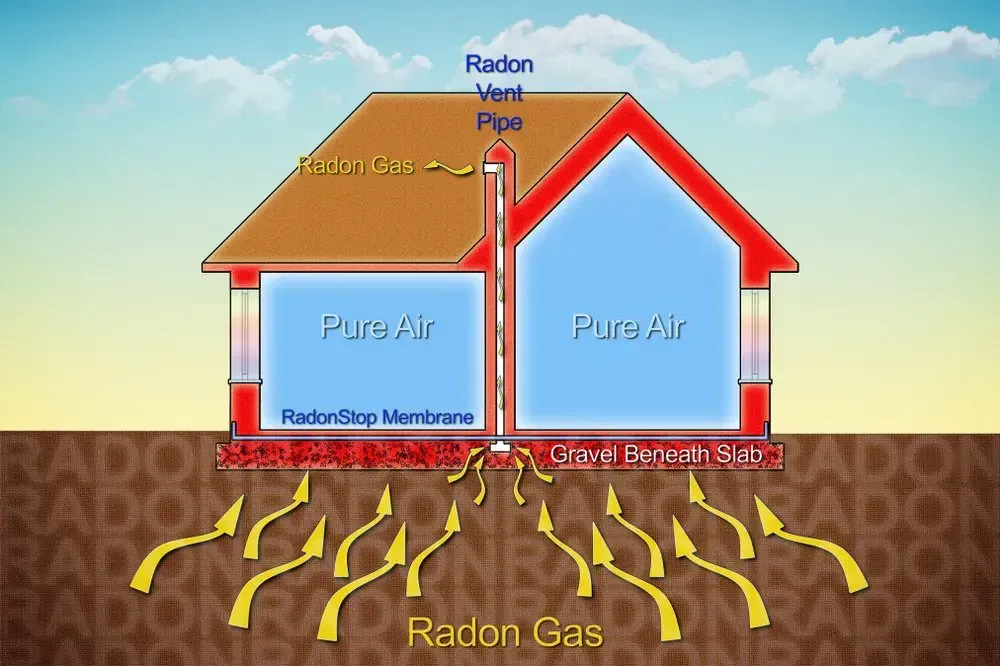
- Implement immediate radon reduction measures.
- Consult with radon mitigation professionals for effective solutions.
Tips for Accurate Radon Manometer Readings
Ensuring the accuracy of your radon measurements involves following best practices and maintaining your equipment properly.
- Regular Calibration: Calibrate your manometer as per the manufacturer’s guidelines to maintain accuracy.
- Consistent Placement: Place the manometer in a central location, away from extreme temperatures, direct sunlight, and drafts.
- Avoid Interference: Keep the device away from appliances or electronics that may emit gases or interfere with readings.
- Monitor Environmental Changes: Keep the device away from appliances or electronics that may emit gases or interfere with readings.
When to Seek Professional Assistance
While a radon manometer provides valuable insights, there are scenarios where professional help is necessary.
- Persistent High Radon Levels: If measurements consistently exceed safe levels despite mitigation efforts.
- Uncertainty in Measurements: If you’re unsure about the readings or the functionality of your manometer.
- Complex Building Structures: Buildings with unique architectural features may require specialized mitigation techniques.
Get a Free Quote
Frequently Asked Questions (FAQs)
How frequently should I test for radon?
It’s recommended to test for radon at least every two years or after significant changes to your home’s structure or ventilation system.
Can I read radon levels myself without a manometer?
While basic test kits are available, using a radon manometer provides more accurate and immediate readings, enabling timely decisions.
Does radon exposure affect pets?
Yes, pets can also be affected by high radon levels, similar to humans. It’s important to ensure a radon-safe environment for all inhabitants.
What is the lifespan of a radon manometer?
Most radon manometers are designed to last several years with proper maintenance, including regular calibration and battery replacements as needed.
Conclusion
Reading a radon manometer accurately is a vital step in safeguarding your health and maintaining a safe indoor environment. By following this step-by-step guide, you can confidently measure radon levels, interpret the results, and take appropriate actions to mitigate potential risks. Regular monitoring and timely interventions ensure that your living or working space remains free from the dangers of radon exposure.
For expert assistance and comprehensive radon solutions, reach out to our dedicated team today. Protect your health and peace of mind with accurate radon monitoring and effective mitigation strategies.
Get a Free Quote
![Blue periodic table tile for radon, element 86, with symbol Rn and mass [222].](https://le-cdn.hibuwebsites.com/09c3a4288d5947b58ca8220076f73b94/dms3rep/multi/opt/radon-periodic-table-rn-86-radon-be-gone-1920w.webp)