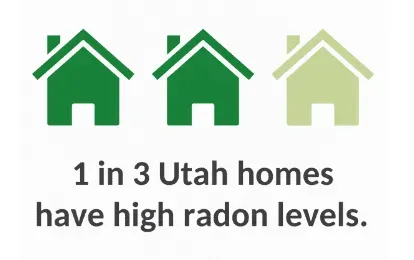
Radon is a silent threat lurking in many homes across Utah, posing significant health risks to residents. Understanding where radon levels are highest can empower homeowners to take proactive measures in safeguarding their families. This guide delves into the top five radon hotspots in Utah, shedding light on the regions most affected and offering comprehensive strategies for effective radon mitigation.
Get a Free Quote
Understanding Radon and Its Risks
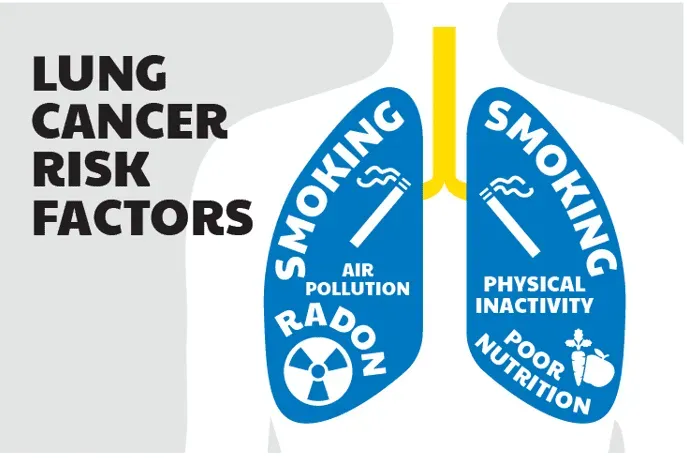
Radon is a naturally occurring radioactive gas formed from the decay of uranium in soil, rock, and water. It is colorless, odorless, and tasteless, making it undetectable without specialized testing. Prolonged exposure to high levels of radon can lead to
lung cancer, making it the second leading cause of lung cancer after smoking.
Key Points to Consider:
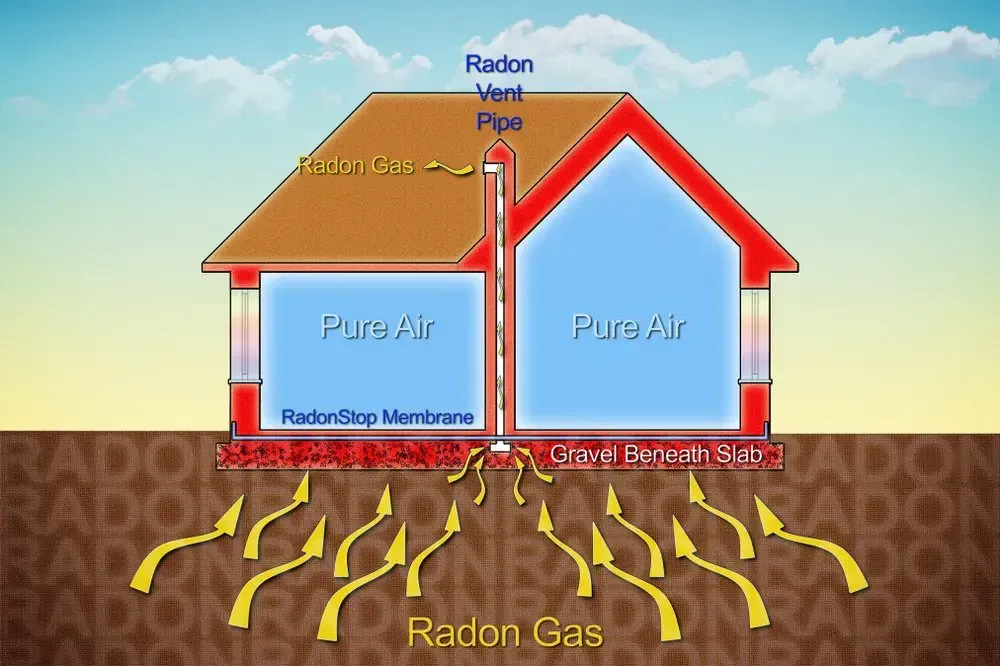
- Radon seeps into homes through cracks in foundations and walls.
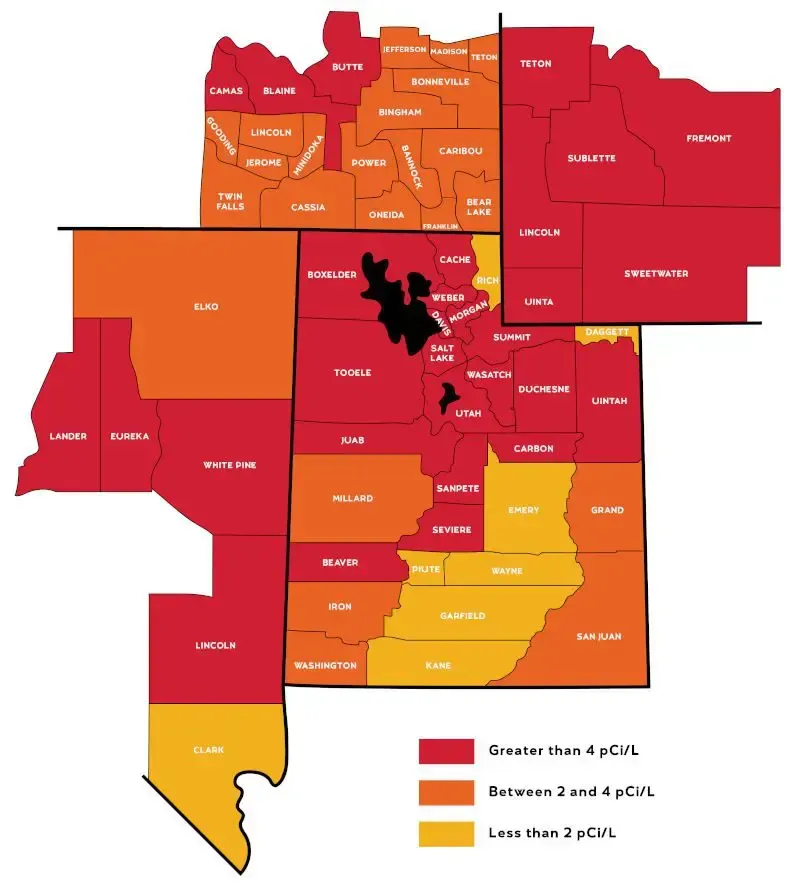
- The concentration of radon can vary significantly from one area to another.
- Testing is the only way to determine radon levels accurately.
The Top 5 Radon Hotspots in Utah
Utah’s diverse geology contributes to varying radon levels across the state. Below are the top five regions where radon concentrations are notably high:
1. Salt Lake City
Salt Lake City stands out as one of Utah’s most prominent radon hotspots. The region’s underlying geological formations, particularly the presence of granitic rocks, facilitate the accumulation of radon gas.
- Average Radon Level: 8.0 pCi/L
- Mitigation Requirement: Homes exceeding 4.0 pCi/L must implement radon reduction systems.
2. Ogden
Located in northern Utah, Ogden experiences elevated radon levels due to its unique soil composition and older residential structures that may lack modern radon barriers.
- Average Radon Level: 7.5 pCi/L
- Mitigation Requirement: Ensure testing in older homes and consider active mitigation systems.
3. Provo
Provo’s combination of mountainous terrains and sedimentary rocks contributes to higher radon readings. The city’s expansion has seen many new constructions, making radon awareness crucial.
- Average Radon Level: 7.2 pCi/L
- Mitigation Requirement: Incorporate radon-resistant construction techniques in new builds.
4. St. George
St. George’s warm climate and underlying volcanic rocks result in significant radon presence. While the area is less densely populated, new developments should prioritize radon testing.
- Average Radon Level: 6.8 pCi/L
- Mitigation Requirement: Regular testing recommended, especially in newer subdivisions.
5. Logan
In Logan, the interplay between soil types and local water sources can lead to variable radon levels.
Seasonal changes may also affect radon concentrations, necessitating periodic testing.
- Average Radon Level: 6.5 pCi/L
- Mitigation Requirement: Implement both passive and active mitigation methods tailored to seasonal variations.
The Dangers of High Radon Levels
Exposure to elevated radon levels is a pressing health concern. Understanding the risks associated with radon can motivate timely testing and mitigation.
Health Risks:
- Increased risk of lung cancer.
- No known safe level of radon exposure.
- Risks are magnified for smokers and individuals with compromised lung health.
Get a Free Quote
How to Test for Radon in Your Home
Testing is the first step in identifying and addressing radon issues. Here’s how homeowners in Utah can effectively test their homes:
- Purchase a Radon Test Kit:
- Available at hardware stores or online.
- Types include short-term and long-term test kits.
- Place the Test Kit Strategically:
- Position in the lowest living area of your home.
- Avoid areas with high moisture or drafts.
- Follow Testing Duration Guidelines:
- Short-term tests: 2-7 days.
- Long-term tests: 90 days to one year.
- Send the Kit for Analysis:
- Follow the kit instructions for mailing or delivery.
- Interpret the Results:
- Levels above 4.0 pCi/L indicate a need for mitigation.
Radon Mitigation Methods
Once high radon levels are confirmed, implementing effective mitigation strategies is essential to ensure a safe living environment.
Passive Mitigation Systems
Designed for homes with lower radon levels, these systems rely on natural ventilation to reduce radon concentration.
- Installation: Involves sealing foundation cracks and enhancing ventilation.
- Cost: Generally less expensive but may be less effective in very high radon areas.
Active Mitigation Systems
For homes with significant radon issues, active systems offer a more robust solution by actively removing radon gas.
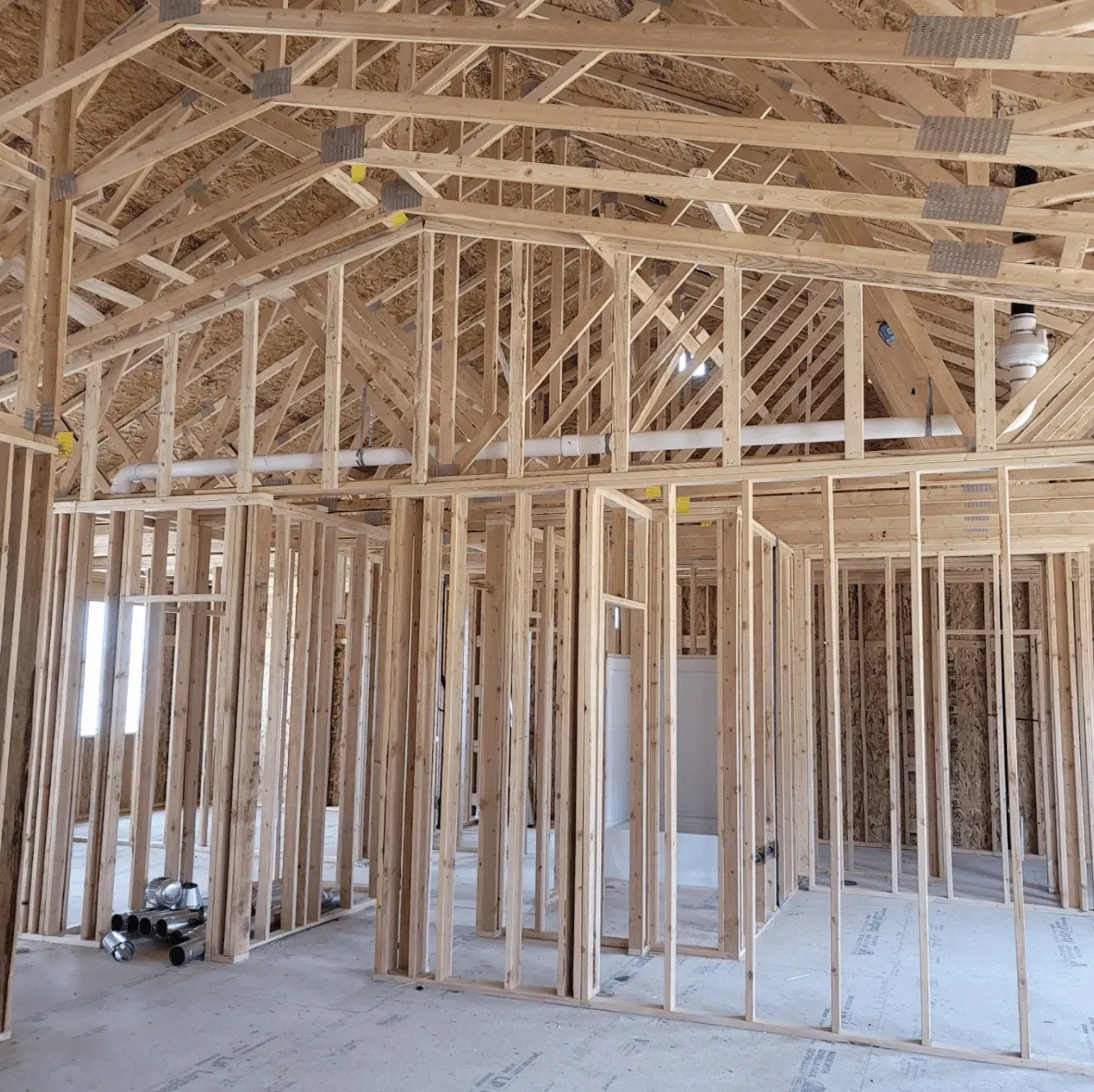
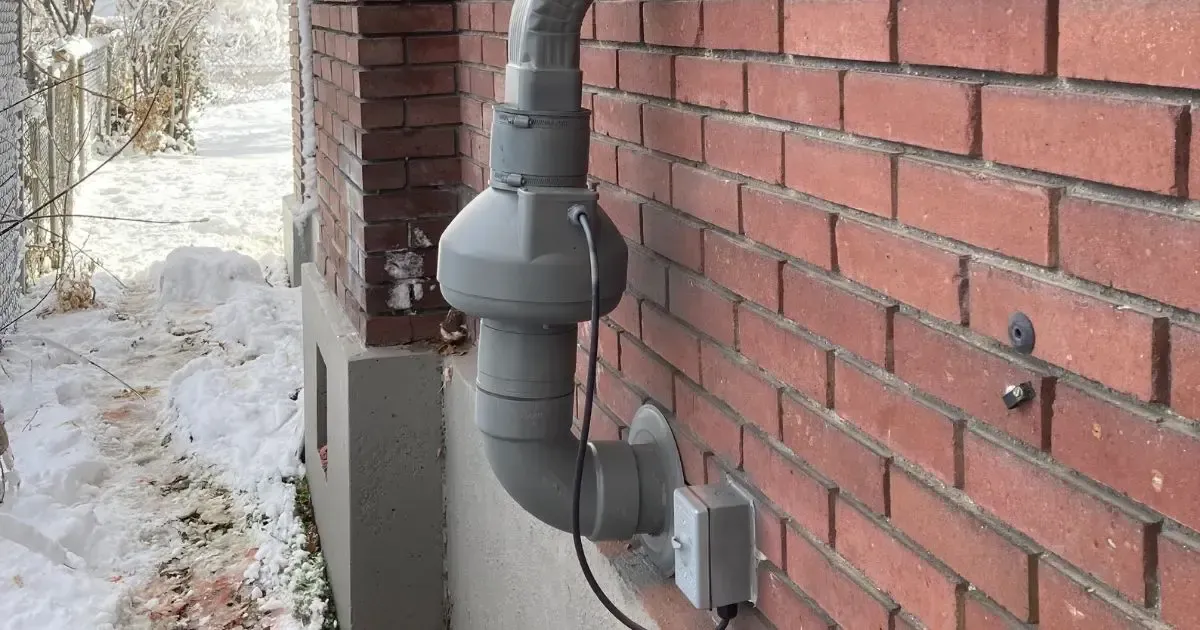
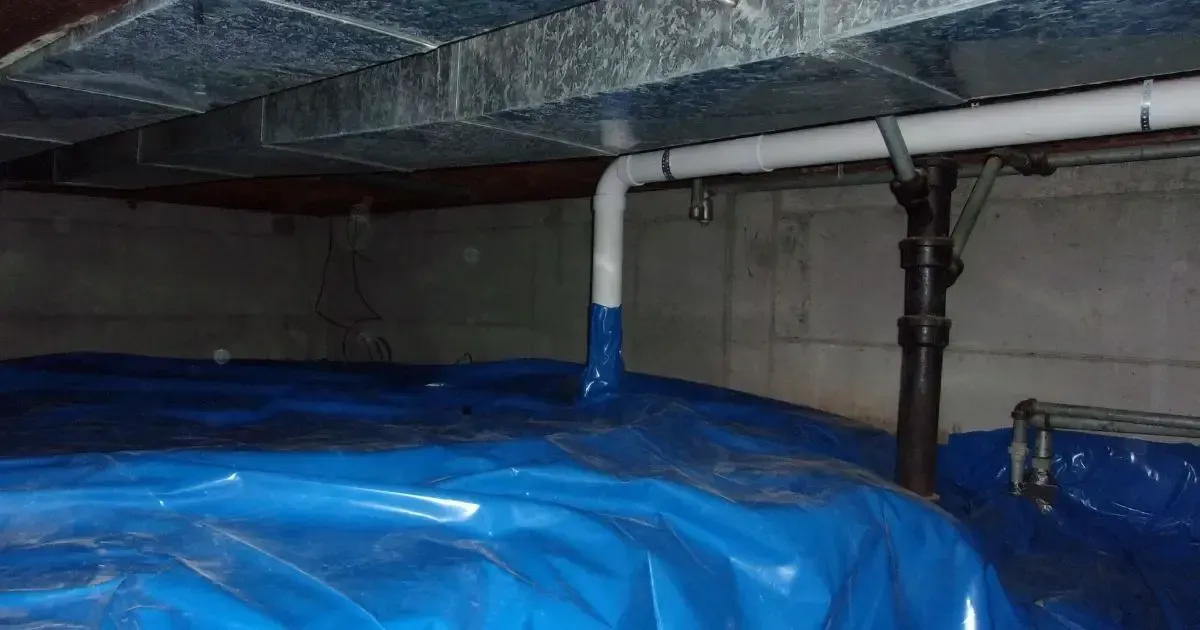
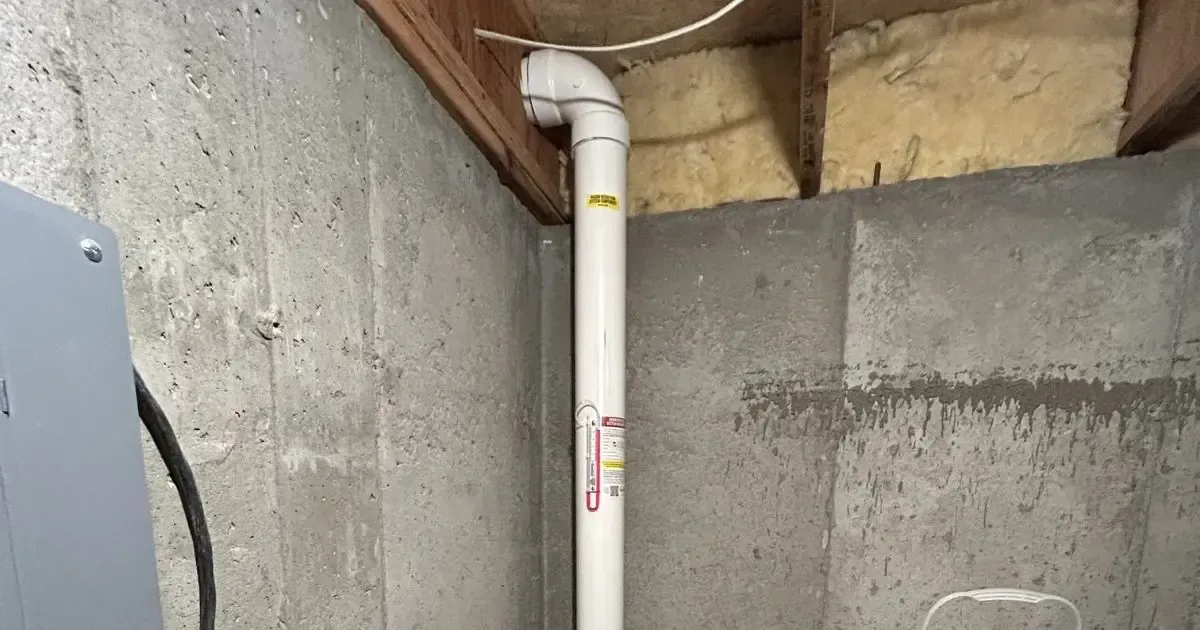
- Sub-Slab Depressurization: Involves installing a vent pipe and fan system to draw radon from beneath the foundation.
- Sump Hole Suction: Utilizes existing sump pumps to extract radon gas.
- Drain Tile Suction: Similar to sub-slab systems, but targets specific drainage systems.
Advantages of Active Systems:
- More effective in reducing radon levels.
- It can be combined with other home improvement projects.
Why Choose Our Radon Mitigation Services
Selecting a reputable and experienced radon mitigation company is crucial for effective radon reduction. Here’s why our services stand out:
- Certified Professionals: Our team is trained and certified in the latest radon mitigation techniques.
- Comprehensive Assessments: We provide thorough evaluations to determine the
best mitigation strategy for your home.
- Quality Equipment: Using state-of-the-art equipment ensures efficient, long-lasting radon reduction.
- Customer-Centric Approach: We prioritize your safety and satisfaction, offering personalized solutions and ongoing support.
Taking Action Against Radon
Protecting your home from radon is an investment in your family’s health. Whether you’re
purchasing a new home or seeking to mitigate radon in your current residence, timely action can make a significant difference.
Steps to Safeguard Your Home:
- Get Your Home Tested: Use a reliable testing kit or
hire a professional radon specialist in Utah.
- Consult with Experts: If elevated levels are detected, reach out to certified radon mitigation professionals.
- Implement Mitigation Solutions: Choose the appropriate system based on your home’s needs.
- Regular Monitoring: Ensure radon levels remain low through
annual radon system checks.
Get a Free Quote
Frequently Asked Questions About Radon in Utah
What Causes High Radon Levels in Certain Utah Regions?
Geological factors, such as the presence of uranium-rich rocks, soil permeability, and construction practices, contribute to elevated radon levels in specific areas.
Is Radon Testing Required for Homes in Utah?
While
not mandated by state law, testing is highly recommended, especially in known hotspots, to ensure the safety and health of occupants.
Can Radon Levels Change Over Time?
Yes, factors like home renovations, changes in ventilation, and natural ground shifts can
affect radon concentrations. Regular testing ensures ongoing protection.
Final Thoughts
Radon is an invisible hazard that requires proactive measures to protect your home and loved ones. By understanding the top radon hotspots in Utah and implementing effective mitigation strategies, you can ensure a safe and healthy living environment. Don’t wait until it’s too late, take action today to secure your home’s air quality.
Get a Free Quote
![Blue periodic table tile for radon, element 86, with symbol Rn and mass [222].](https://le-cdn.hibuwebsites.com/09c3a4288d5947b58ca8220076f73b94/dms3rep/multi/opt/radon-periodic-table-rn-86-radon-be-gone-1920w.webp)