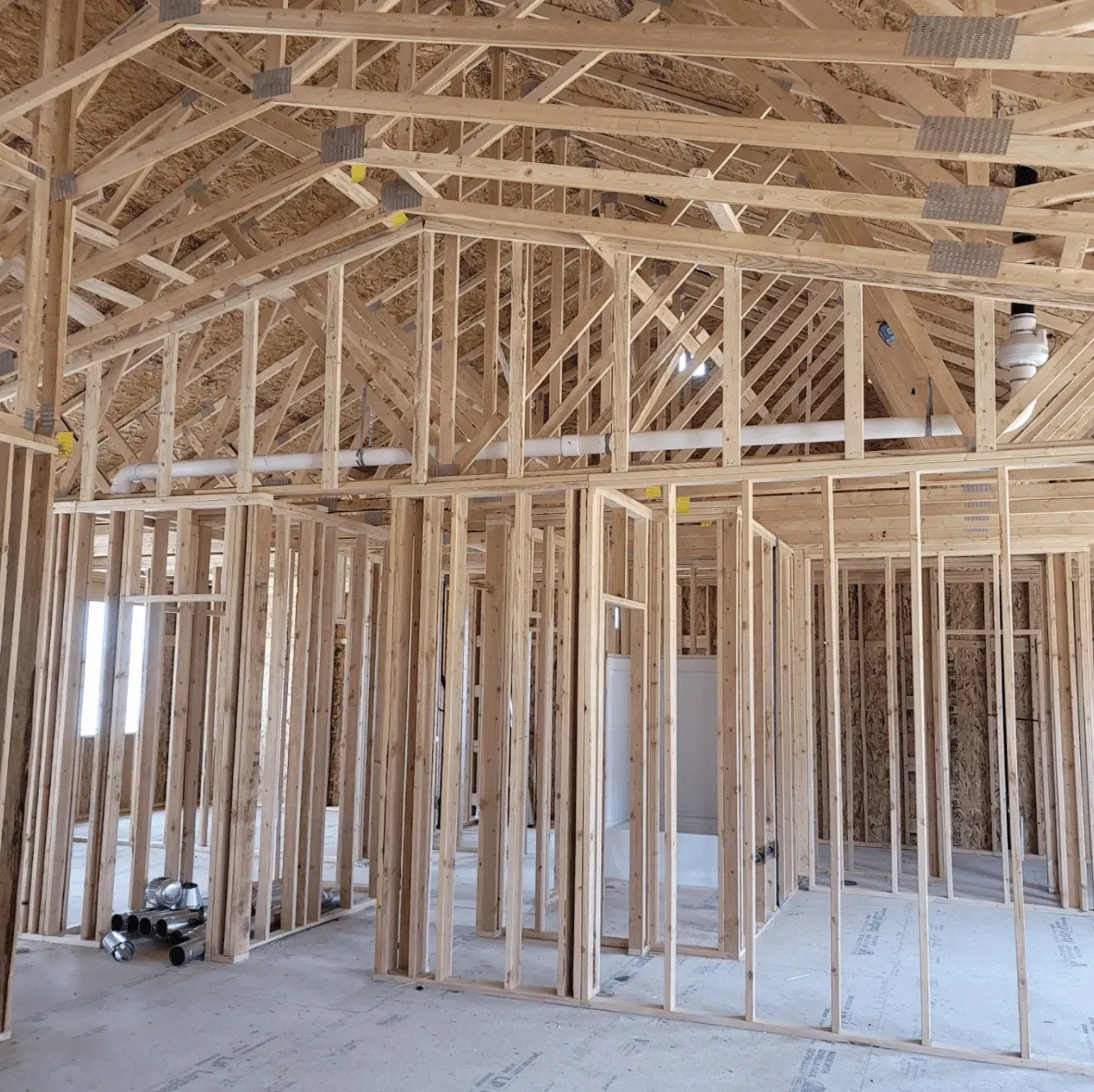
Ensuring the safety of your home is paramount, and one often-overlooked aspect of home safety is radon mitigation, especially if you have a crawl space. Radon, a colorless and odorless gas, can seep into your home from the ground, posing serious health risks over time. In this comprehensive guide, we’ll walk you through everything you need to know about radon mitigation in a crawl space, the best methods available, and how professional services can help protect your home and loved ones.
Understanding Radon and Its Risks
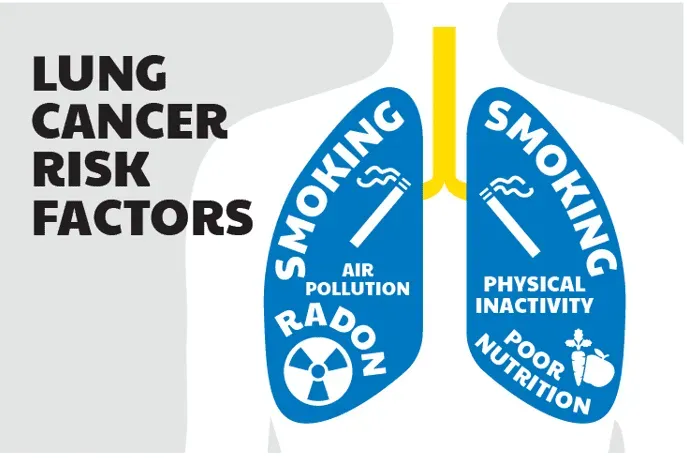
Radon is a naturally occurring radioactive gas that forms from the decay of uranium in soil, rock, and water. It’s invisible, tasteless, and odorless, making it impossible to detect without proper testing. Prolonged exposure to high levels of radon can lead to
serious health issues, including lung cancer. The risk is especially concerning for homes with crawl spaces, as these areas can be prime entry points for radon.
Why Crawl Spaces Are Vulnerable
Crawl spaces are often damp, dark, and poorly ventilated, creating an ideal environment for radon accumulation. Cracks in the foundation, gaps around pipes, and other entry points can allow radon gas to seep into your living spaces. Understanding the unique challenges posed by crawl spaces is the first step in effective radon mitigation.
Get a FREE Quote
Detecting Radon Levels in Your Crawl Space
Before embarking on radon mitigation, it’s crucial to determine the radon levels in your crawl space. Here’s how you can do it:
- Professional Radon Testing: Hiring a certified professional ensures accurate measurement. They’ll place detectors in key areas of your crawl space to monitor radon levels over a specified period.
- DIY Testing Kits: Available at hardware stores, these kits allow you to collect samples and send them to a lab for analysis. While more affordable, they might not be as comprehensive as professional testing.
- Continuous Monitoring: For ongoing assurance, continuous radon monitors can provide real-time data, helping you keep track of radon levels and the effectiveness of mitigation efforts.
Effective Radon Mitigation Methods for Crawl Spaces
Once you’ve confirmed elevated radon levels, it’s time to implement mitigation strategies. Here are the most effective methods tailored for crawl spaces:
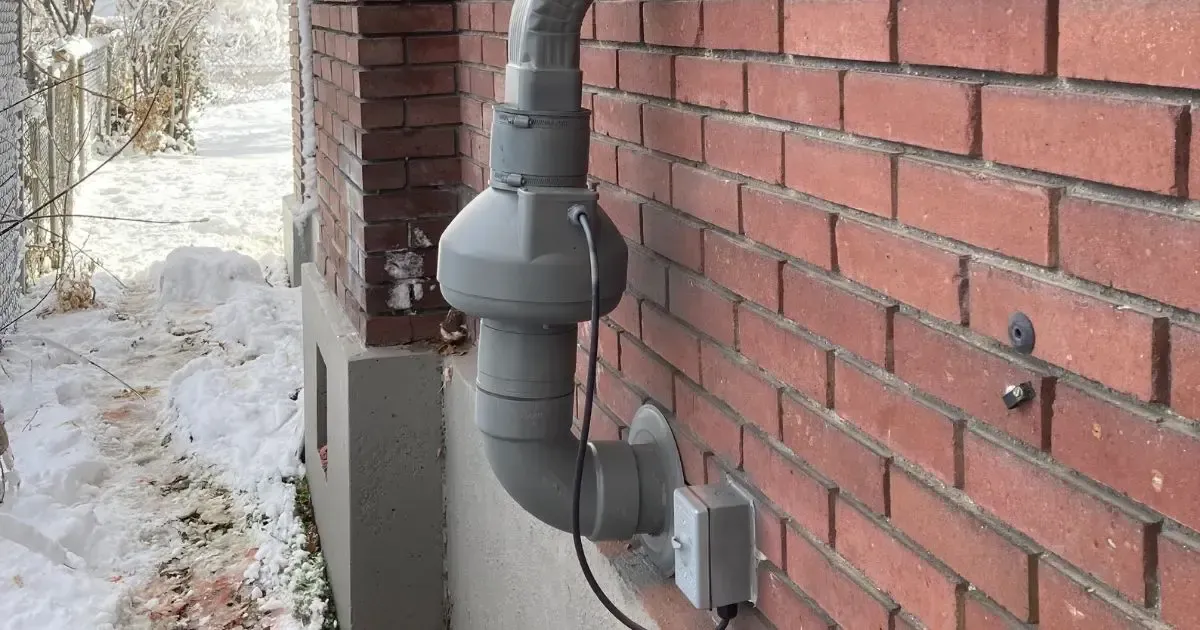
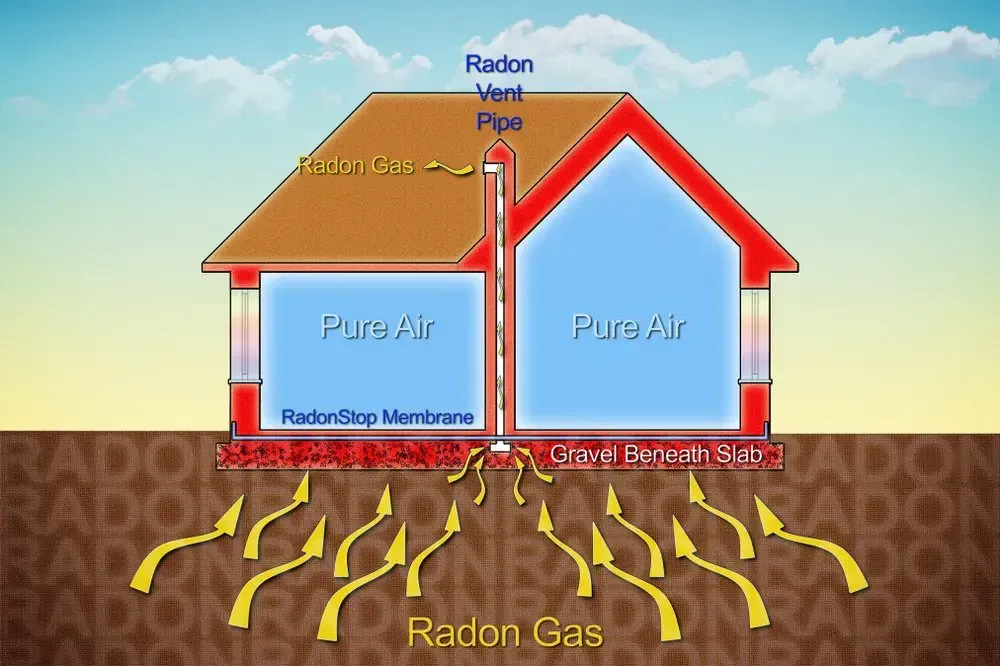
This is the most common and effective method for radon mitigation in crawl spaces. It involves:
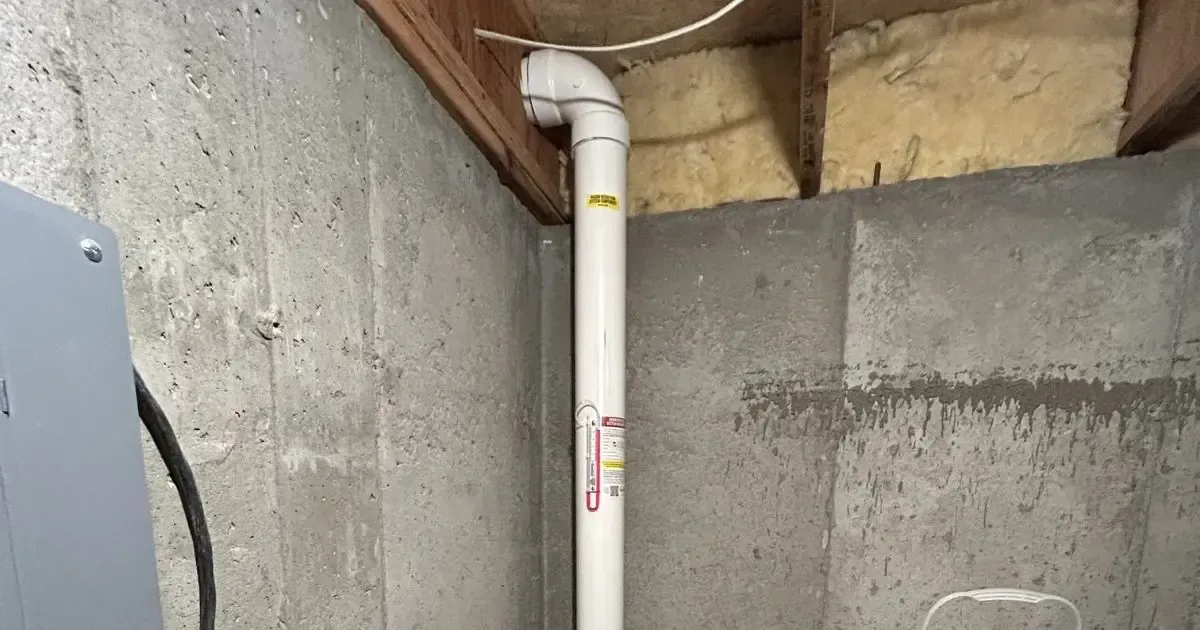
- Installation of a Vent Pipe: A pipe is inserted through the foundation and extends above the roofline to allow radon to escape.
- Fan Installation: A powerful fan is placed in the vent pipe to continuously draw radon gas from beneath the crawl space and expel it safely outside.
Benefits:
- Highly effective in reducing radon levels.
- Long-lasting solution with minimal maintenance.
2. Sealing Cracks and Openings
Sealing entry points prevents radon from entering your home. This includes:
- Crack Sealing: Filling cracks in the foundation with appropriate sealants.
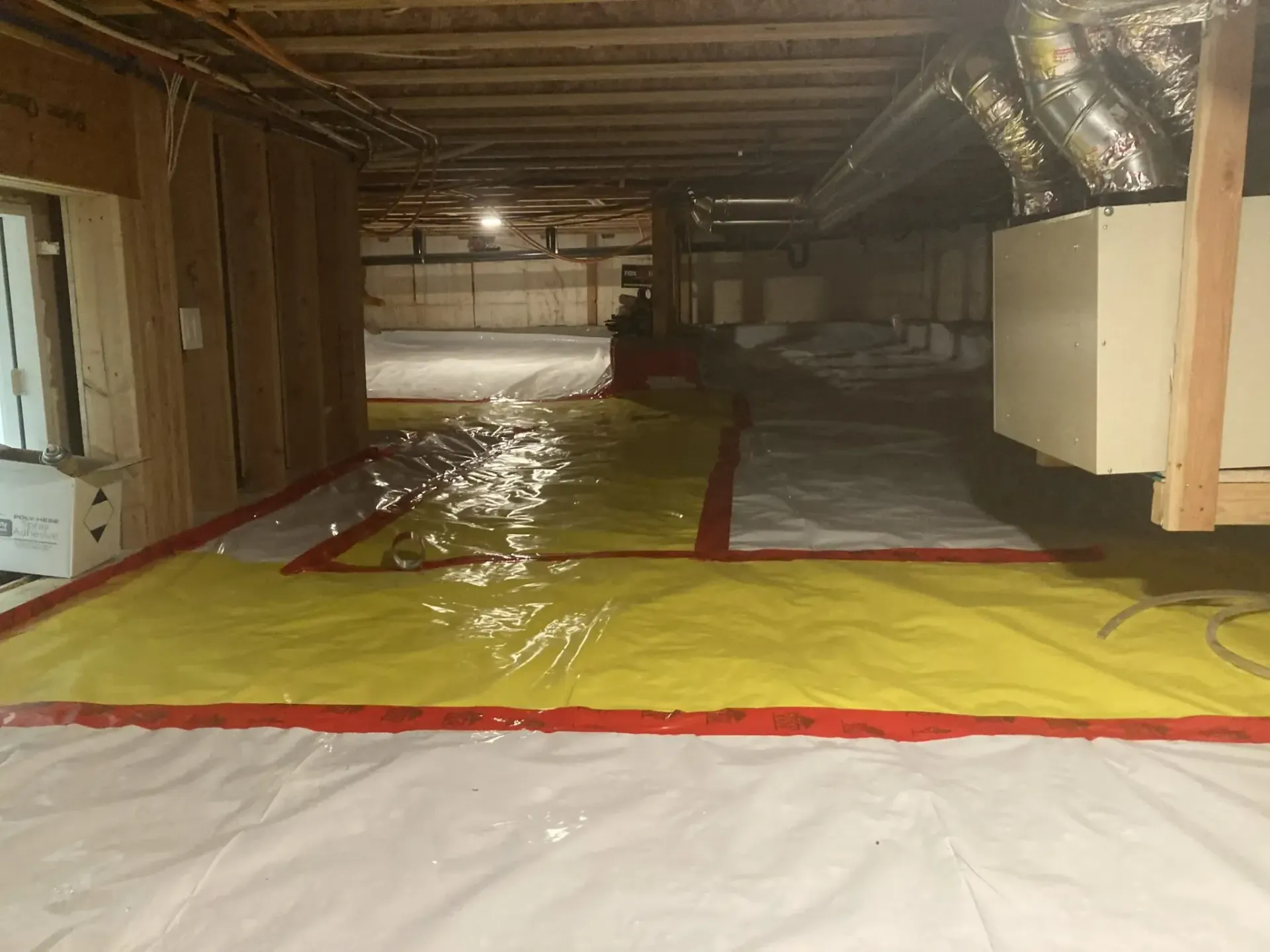
- Covering Crawl Space Floors and Walls: Using heavy-duty plastic sheeting or other materials to reduce radon infiltration.
Benefits:
- Enhances the overall effectiveness of the mitigation system.
- Reduces moisture and improves crawl space conditions.
3. Improving Ventilation
Enhancing airflow in your crawl space can help disperse radon gas. Methods include:
- Installing Ventilation Fans: These fans increase air movement, reducing radon concentration.
- Ventilation Systems: Comprehensive systems that manage airflow more efficiently.
Benefits:
- Improves air quality in the crawl space.
- Complements other mitigation techniques.
4. Encapsulation
Encapsulation involves completely sealing the crawl space to prevent radon entry. This includes:
- Installing Vapor Barriers: Covering the floor and walls with materials that block radon.
- Sealing all Gaps and Openings: Ensuring no entry points remain.
Benefits:
- Maximizes radon mitigation effectiveness.
- Adds a layer of protection against moisture and pests.
Choosing Professional Radon Mitigation Services
While DIY methods might seem tempting, professional radon mitigation services offer several advantages:
Expertise and Experience
Certified professionals have the knowledge and experience to assess your specific situation accurately. They can identify all potential radon entry points and implement the most effective
mitigation strategies.
Customized Solutions
Every home is unique, and a professional service will tailor their approach to address the specific needs of your crawl space, ensuring maximum effectiveness.
Long-Term Assurance
Professional installations come with warranties and guarantees, providing peace of mind that your radon mitigation system will perform as expected over the long term.
Compliance with Standards
Certified professionals ensure that all mitigation efforts comply with local regulations and safety standards, avoiding potential legal issues down the line.
Get a FREE Quote
Maintenance and Monitoring
Once your radon mitigation system is installed, regular
maintenance and monitoring are essential to ensure continued effectiveness:
Have your system inspected by professionals at least once a year to check for any wear and tear or operational issues.
System Cleaning
Keep the vent pipes and fans clean to prevent obstructions and maintain optimal performance.
Continuous Monitoring
Consider installing a continuous radon monitor to keep track of radon levels and receive alerts if they rise unexpectedly.
Frequently Asked Questions (FAQs)
To further assist you, here are answers to some commonly asked questions about radon mitigation in crawl spaces:
How Long Does a Radon Mitigation System Last?
Most systems are designed to last for many years, often 10-20 years or more, with proper maintenance and occasional inspections.
Can I Install a Radon Mitigation System Myself?
While DIY kits are available, professional installation is recommended to ensure effectiveness and compliance with safety standards.
Does Radon Mitigation Increase Energy Costs?
Effective mitigation can improve energy efficiency by reducing moisture and improving airflow, potentially lowering energy costs.
Is Radon Only a Concern in Older Homes?
Radon can affect any home, regardless of age. Modern homes can also have radon issues if not properly ventilated.
Taking the Next Step: Protect Your Home Today
Radon mitigation is an essential investment in your family’s health and your home’s safety. By understanding the risks, detecting radon levels, and implementing effective mitigation strategies, you can ensure a safe living environment.
Why Choose Radon Be Gone?
- Certified Professionals: Our team is trained and certified in the latest radon mitigation techniques.
- Customized Solutions: We tailor our services to meet the unique needs of your crawl space and home.
- Comprehensive Support: From testing to installation and maintenance, we provide end-to-end services.
- Customer Satisfaction: We prioritize your comfort and safety, ensuring top-quality service and support.
Final Thoughts
Radon mitigation in a crawl space is a crucial step in safeguarding your home and loved ones from the dangers of radon exposure. By partnering with professional services, you can implement effective solutions that provide long-term safety and peace of mind. Remember, timely detection and mitigation can make all the difference in maintaining a healthy living environment. Take action today to ensure your home is radon-free and secure for years to come.
Get a FREE Quote
![Blue periodic table tile for radon, element 86, with symbol Rn and mass [222].](https://le-cdn.hibuwebsites.com/09c3a4288d5947b58ca8220076f73b94/dms3rep/multi/opt/radon-periodic-table-rn-86-radon-be-gone-1920w.webp)