Welcome to our in-depth guide on how thoughtful landscaping techniques can naturally reduce radon levels around your home. In this article, we explore the connection between outdoor design and indoor air quality, provide expert tips, and explain how minor adjustments in your yard can lead to significant benefits. Our goal is to help you create a safe and attractive environment, protect your home, and ultimately keep your family healthy.
Get a Free Quote
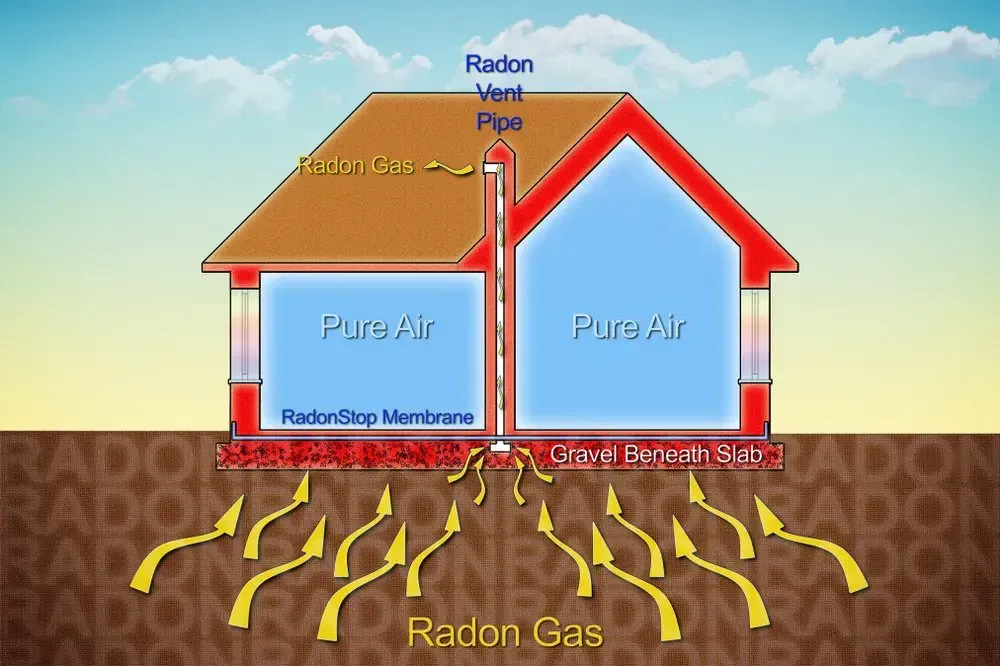
How Landscaping Influences Radon Levels
The installation of walkways, retaining walls, drainage systems, and even the types of vegetation you choose can help manage water flow and air movement near your foundation. Here’s how landscaping elements influence radon levels:
- Water Management: Proper drainage minimizes water accumulation near your home, reducing soil saturation. Saturated soil can create pressure differences that encourage radon migration indoors.
- Foundation Protection: Well-planned landscaping can help prevent soil erosion around your foundation, keeping structural cracks to a minimum.
- Natural Barriers: Certain ground cover and vegetation can act as a natural barrier, discouraging radon movement from your yard into your home.
- Soil Ventilation: Techniques that promote better soil aeration can help disperse radon gas before it enters basements or ground-level living spaces.
By paying attention to water flow, soil structure, and plant selection, you can influence the natural movement of radon outside your home. This strategic approach helps maintain a balance between enjoying your outdoor spaces and protecting your indoor air quality.
Landscaping Techniques for Radon Reduction
Innovative landscaping techniques can serve as a natural barrier against radon infiltration. Below are some practical methods that homeowners can implement:
1. Optimize Drainage Systems
Effective drainage is essential to prevent water accumulation and soil saturation. When soil becomes too wet, radon may be pushed upward through pressure differences. Consider these suggestions to optimize your drainage:
- Install French Drains: A French drain system collects and directs water away from the foundation. This helps keep the soil dry and minimizes radon pressure changes.
- Grade Your Yard: Make sure your yard slopes away from the house. This grading prevents water from pooling near the foundation, a critical first step in radon reduction.
- Use Permeable Pavers: In patios or walkways, choose pavers that allow water to seep through. This reduces runoff and encourages proper soil absorption.
Consider scheduling a consultation with a local drainage expert to ensure your yard’s slope and drainage system are optimized.
2. Incorporate Retaining Walls and Barriers
Retaining walls and physical barriers can control soil movement and limit radon pathways. Here’s how they work:
- Soil Stabilization: Retaining walls stabilize areas of your landscape that are prone to erosion. This stabilization reduces the likelihood that shifting soil will open up new radon pathways.
- Radon Deflection: These walls serve as a deterrent by redirecting the underground gas away from the home’s foundation, creating a buffer zone.
- Design Aesthetics: Modern retaining walls can be designed with aesthetics in mind, complementing your overall landscaping theme while serving a functional purpose.
We recommend discussing design options with a professional landscaper who understands both structural stability and radon management concepts.
3. Enhance Soil Ventilation
Improving the drainage and ventilation of soil can help disperse radon gas, reducing its buildup. Enhance ventilation by:
- Incorporating Organic Matter: Addition of compost or mulch not only enriches soil fertility but also aids in maintaining soil structure conducive to ventilation.
- Regular Aeration: Aerating your lawn helps break up compacted soil, encouraging better airflow and moisture dispersion, thereby reducing radon accumulation.
- Plant Root Management: Deep-rooted plants can help to create channels in the soil. These natural channels facilitate radon dispersion away from your home.
Seasonal aeration treatments are a simple step that can lead to long-term benefits. Check with your local garden center for optimal times and techniques in your region.
4. Strategic Planting Choices
The selection of plant species for your garden is not just an aesthetic decision; it can also influence radon control. Here are some considerations for choosing the right plants:
- Deep-Rooted Plants: Trees and shrubs with deep root systems can help create a natural network that aids in soil air distribution. This network acts as a ventilation system, dispersing radon gas before it reaches your foundation.
- Ground Covers: Low-growing plants can form a dense carpet that helps stabilize the soil surface and control moisture levels.
- Native Species: Opting for native plants ensures that your garden will thrive with less water and fertilizer. Healthier soil conditions generally translate to better radon dispersion.
Consider consulting local horticultural experts to select plants best suited to your local climate. A balanced mix of trees, shrubs, and ground covers can provide both beauty and functional radon protection.
5. Regular Maintenance to Support Radon Reduction
Even the best landscaping plans require ongoing care to remain effective. Regular maintenance plays an essential role in long-term radon management:
- Inspect Drainage Systems: Routinely check and clear drains from debris to ensure water is effectively diverted away from your home.
- Monitor Soil Moisture: During heavy rainfall or seasonal changes, keep an eye on soil conditions around your foundation. Adjust your watering schedule and irrigation systems to prevent saturation.
- Trim Overgrowth: Excessive vegetation can sometimes trap moisture near the foundation. Regular pruning and trimming will help maintain proper airflow and reduce the risk of radon accumulation.
Keep a seasonal checklist to ensure your yard remains in optimal condition for radon management.
Get a Free Quote
How to Evaluate Your Landscaping for Radon Safety
Understanding how well your current landscaping techniques are protecting your home from radon is crucial. Here are some steps you can take to evaluate and enhance your strategy:
- Schedule a Professional Radon Test: Before making major landscaping changes, it’s important to know your baseline indoor radon levels. Certified radon professionals can conduct reliable tests and provide you with detailed results.
- Assess Drainage Patterns: Walk around your home during a rainstorm or after heavy rainfall. Observe where water accumulates and consider how these areas might affect radon migration.
- Inspect the Foundation: Look for signs of soil erosion, cracks, or moisture accumulation near the foundation. Any damage or exposure could be pathways for radon infiltration.
- Consult with Experts: Both landscapers and radon mitigation experts can offer valuable insights. Sometimes, a fresh pair of eyes is all you need to identify areas for improvement.
One effective approach is to combine a radon test with a professional landscaping inspection. This dual examination provides a comprehensive understanding of indoor radon threats and outdoor factors that may contribute to these levels.
Additional Considerations in Landscaping for Radon Reduction
While standard techniques are effective, there are additional considerations that can help boost the natural radon mitigation process:
- Seasonal Adjustments: Adjusting watering and maintenance schedules during wet or dry seasons can have a big impact on soil moisture levels and ventilation conditions.
- Combining Systems: In some cases, integrating landscaping solutions with traditional radon mitigation systems (like sub-slab depressurization) can create a synergistic effect. Natural methods paired with engineered solutions often provide the best results.
- Wildlife Considerations: Land features that attract certain wildlife may affect soil conditions. For example, burrowing animals can change soil composition and structure. Managing these elements can prevent unexpected changes in radon flow patterns.
By taking a holistic approach, you can make smarter decisions that benefit both the environment around your home and your indoor air quality.
Frequently Asked Questions
As radon continues to be a concern for many homeowners, a few frequently asked questions often arise:
Can landscaping eliminate radon exposure entirely?
While proper landscaping can greatly reduce radon entry, it should be seen as part of a holistic approach including regular radon testing and, when necessary, additional mitigation systems.
How often should I inspect my landscaping for radon safety?
It is advisable to inspect your yard at least once a year, and more frequently after extreme weather events, such as heavy rain or prolonged drought.
Do native plants really make a difference?
Yes, native plants are adapted to local soil and weather conditions, which helps maintain optimal soil moisture and aeration levels. This contributes to reducing the conditions that facilitate radon accumulation.
If you have any unresolved questions or need professional guidance, please do not hesitate to
contact us. Our team is always ready to assist you in creating a safer, healthier home environment.
Final Thoughts
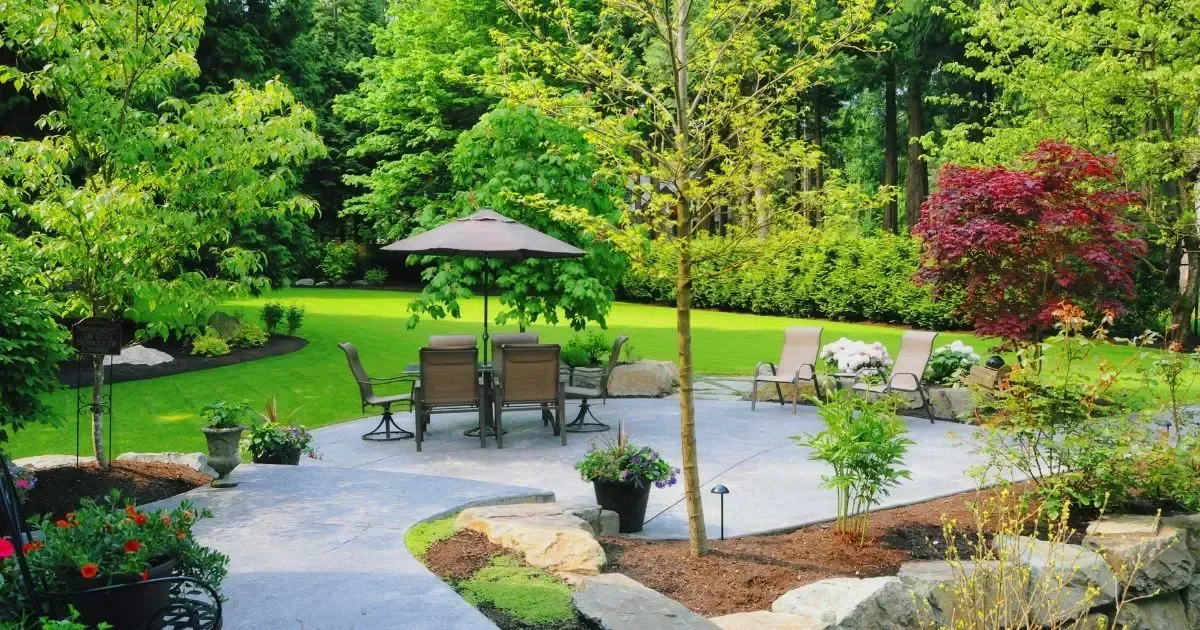
Landscaping is more than an aesthetic enhancement—it plays a fundamental role in managing radon levels around your home. By adopting techniques that promote proper drainage, soil ventilation, and plant management, you’re taking proactive steps to reduce potential hazards. Remember, ensuring that your home remains a safe haven is an ongoing process that involves regular inspections, expert consultations, and informed modifications.
To recap, here are the main takeaways:
- Optimize your drainage systems to prevent water accumulation.
- Incorporate retaining walls and strategic barriers to control soil movement.
- Enhance soil ventilation through organic amendments and aeration.
- Choose plants wisely: deep-rooted and native species can naturally help disperse radon.
- Stay proactive with regular maintenance and professional evaluations.
By integrating these practices, you make your home not only visually appealing but also safer from radon exposure.
We hope this guide has provided you with valuable insights and practical steps toward effective radon management through landscaping. Remember, every small change counts, and with expert guidance, you can achieve a harmonious balance between a beautiful yard and a safe living space.
Get a Free Quote
![Blue periodic table tile for radon, element 86, with symbol Rn and mass [222].](https://le-cdn.hibuwebsites.com/09c3a4288d5947b58ca8220076f73b94/dms3rep/multi/opt/radon-periodic-table-rn-86-radon-be-gone-1920w.webp)