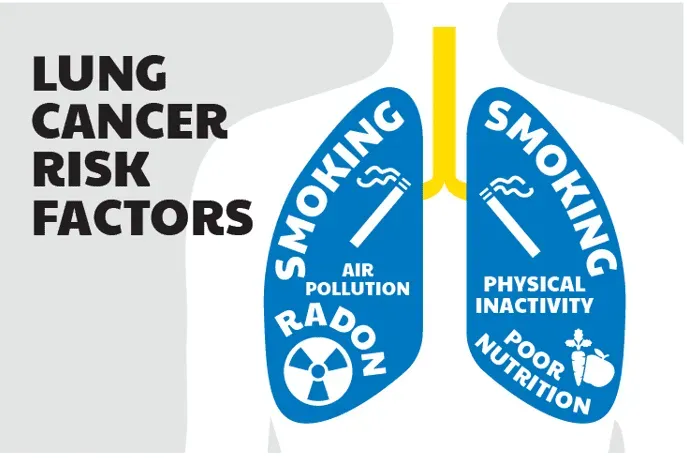
Home is where you feel safest, and as concerns about indoor air quality rise, it’s increasingly important to consider the hidden threat of radon gas, a naturally occurring substance that can seep into your home and pose serious health risks. In this guide, we dive deep into radon-resistant home renovations, exploring the benefits of mitigation systems, vapor barriers, and improved ventilation. Whether you’re planning a full-scale renovation or incorporating radon-resistant techniques into your next upgrade, this guide will equip you with the information you need to protect your family and your investment.
Get a Free Quote
Why Radon-Resistant Renovation?
Older homes and those with non-sealed foundations often present higher radon infiltration risks. In a renovation project, opportunities abound to install radon barriers, sub-slab depressurization systems, and dedicated ventilation paths that lower radon concentration and ensure safer indoor air quality. These techniques not only provide health benefits but can also add value to your property. Homeowners who invest in radon-resistant features often see improved resale value and peace of mind knowing that critical safety measures are in place.
Benefits of a Radon-Resistant Renovation Include:
- Improved indoor air quality
- Reduced long-term health risks
- Increased property marketability
- Enhanced overall comfort in your home
Getting Started With Radon-Resistant Renovation
Before beginning any renovation project, it is crucial to assess your home for radon. The following steps are recommended:
1. Test for Radon Levels
- Purchase a radon test kit or hire a certified professional to assess your home’s radon concentration.
- Short-term tests provide initial insight, while long-term testing can track fluctuations over time.
2. Consult With Experts
- Work with certified radon mitigation professionals who understand both residential renovations and radon behavior dynamics.
- Review radon-resistant construction techniques and determine the best strategy for your existing setup.
Understanding Radon Mitigation Systems
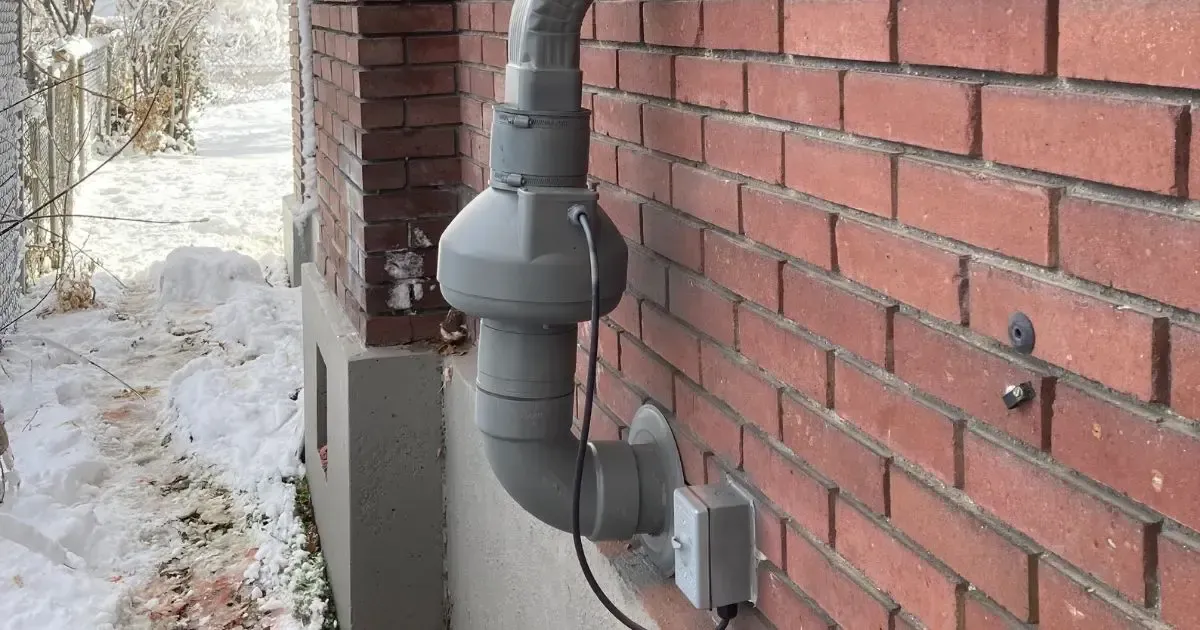
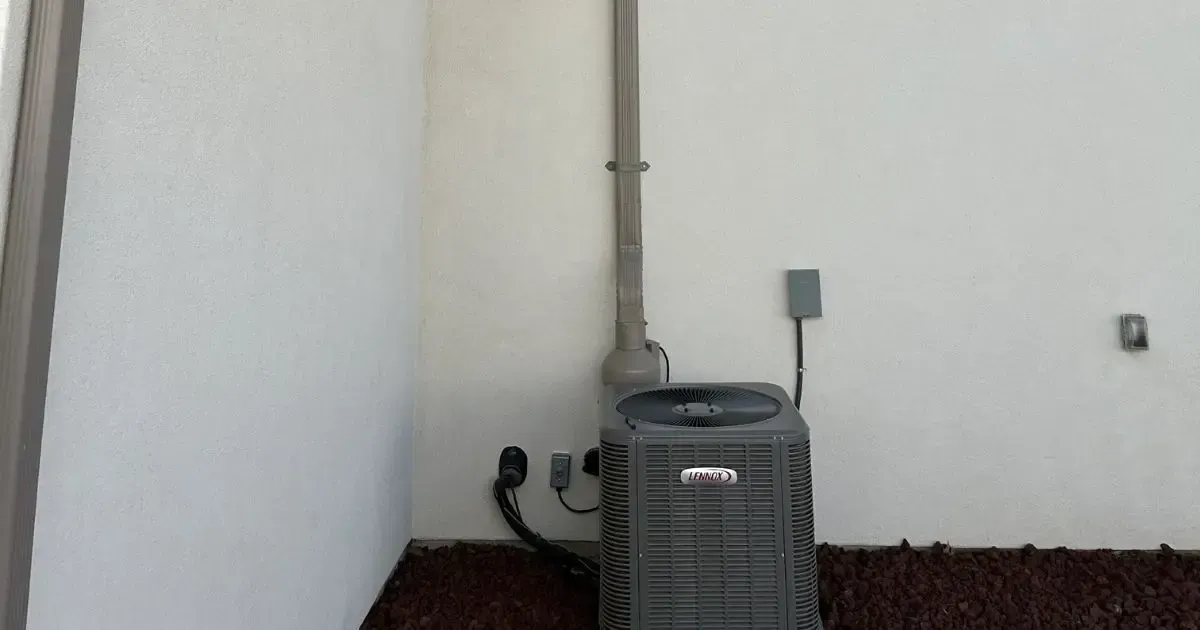
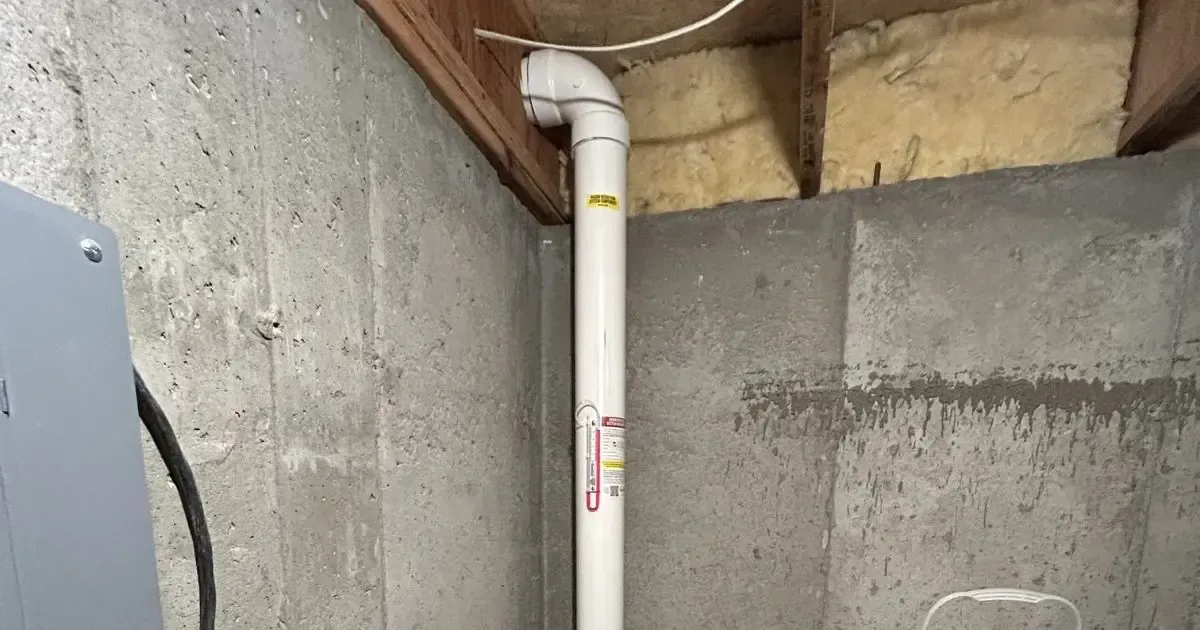
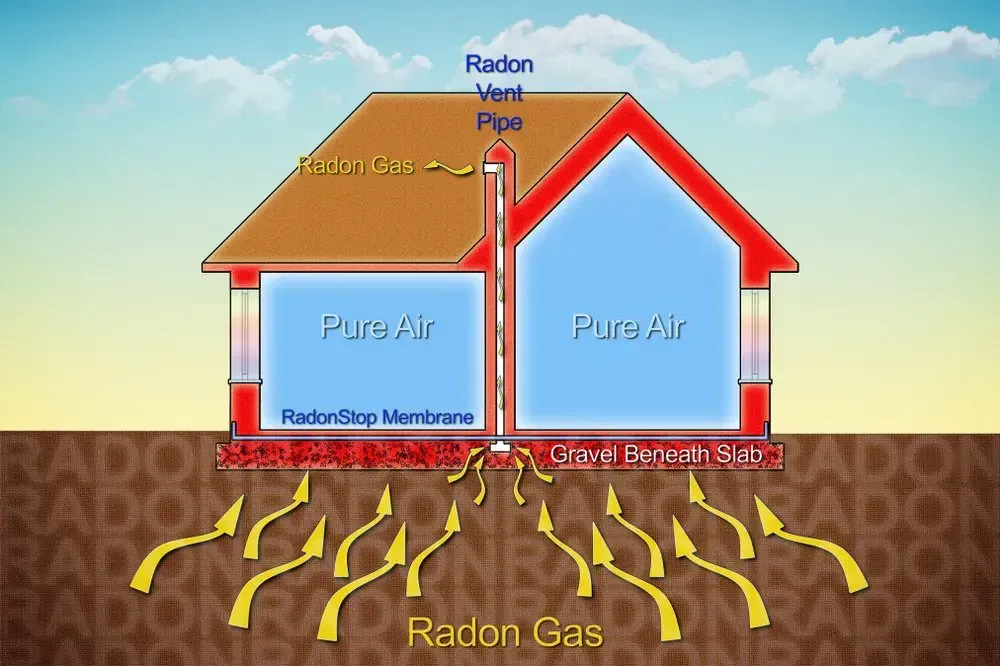
Radon mitigation systems provide a robust solution in homes at risk. One of the most effective methods used in renovations is the sub-slab depressurization system, which acts by drawing radon gas from beneath the building and venting it safely above the roofline, so it disperses harmlessly into the atmosphere.
Steps Involved in a Mitigation System Installation:
- Assess and identify potential radon entry points in your foundation.
- Install a suction point under the slab or concrete floor.
- Connect a vent pipe that channels the gas from underneath your home out through the roof.
- Use an in-line fan positioned outside the living area, ensuring any potential noise is minimized and the system operates efficiently.
Key aspects of a successful radon mitigation system include proper installation, regular maintenance checks, and periodic radon retesting. It is recommended that you monitor the system periodically, particularly after significant construction work or changes to the home’s layout.
Vapor Barriers and Sealing Techniques
A vapor barrier is a key component in some radon-resistant renovations. This barrier is typically a durable plastic or foil material installed during construction or renovation beneath concrete slabs or over dirt floors. Its primary function is to act as a physical hindrance, preventing the migration of radon gas and moisture from the soil into the home’s interior.
Advantages of Installing Vapor Barriers:
- Reduces radon penetration from the ground
- Limits the in-migration of moisture which can foster mold growth
- Enhances the structural longevity of your foundation
When installing vapor barriers, certain best practices should be followed:
- Ensure continuous, uninterrupted application beneath the slab.
- Use high-quality, puncture-resistant materials.
- Seal all overlaps and edges with appropriate tape or sealant.
- Regularly inspect for damage, especially after renovations that affect the foundation.
Improving Home Ventilation
Besides structural interventions, proper ventilation plays a vital role in maintaining a healthy indoor environment. Ventilation methods help dilute and remove radon before it can accumulate to harmful levels. Modern mechanical ventilation systems, such as heat recovery ventilators (HRVs) and energy recovery ventilators (ERVs), can improve air exchange while maintaining energy efficiency.
Key Steps to Enhance Ventilation:
- Evaluate your current home ventilation setup and identify areas with restricted airflow.
- Incorporate additional windows, vents, or mechanical systems designed for air purification.
- Use smart, automated systems that adjust according to indoor air quality readings.
- Ensure regular service of ventilation systems, including cleaning filters and checking duct integrity.
Mechanical vs. Natural Ventilation:
Mechanical Ventilation:
- Provides consistent airflow independent of outdoor conditions.
- Ideal for sealed, energy-efficient homes where natural air exchange may be limited.
Natural Ventilation:
- Utilizes windows, vents, and architectural features.
- More cost-effective but reliant on weather and external conditions.
Benefits of enhanced ventilation extend beyond radon reduction. Improved air circulation helps lower humidity levels, reduce allergens, and create a more comfortable living environment overall.
Get a Free Quote
Integrating Radon-Resistant Features Into Your Renovation Plan
When planning your renovation, work closely with your architect, contractor, and radon mitigation specialist to integrate the appropriate radon-resistant features. Here’s how you can incorporate these strategies into your renovation project:
1. Pre-Construction Planning
- Conduct a comprehensive home inspection focusing on both the structural integrity and radon susceptibility of the dwelling.
- Determine which areas would benefit most from vapor barriers, sealing, or enhanced ventilation.
- Develop a timeline that aligns with both construction needs and radon mitigation testing.
2. During Construction or Renovation
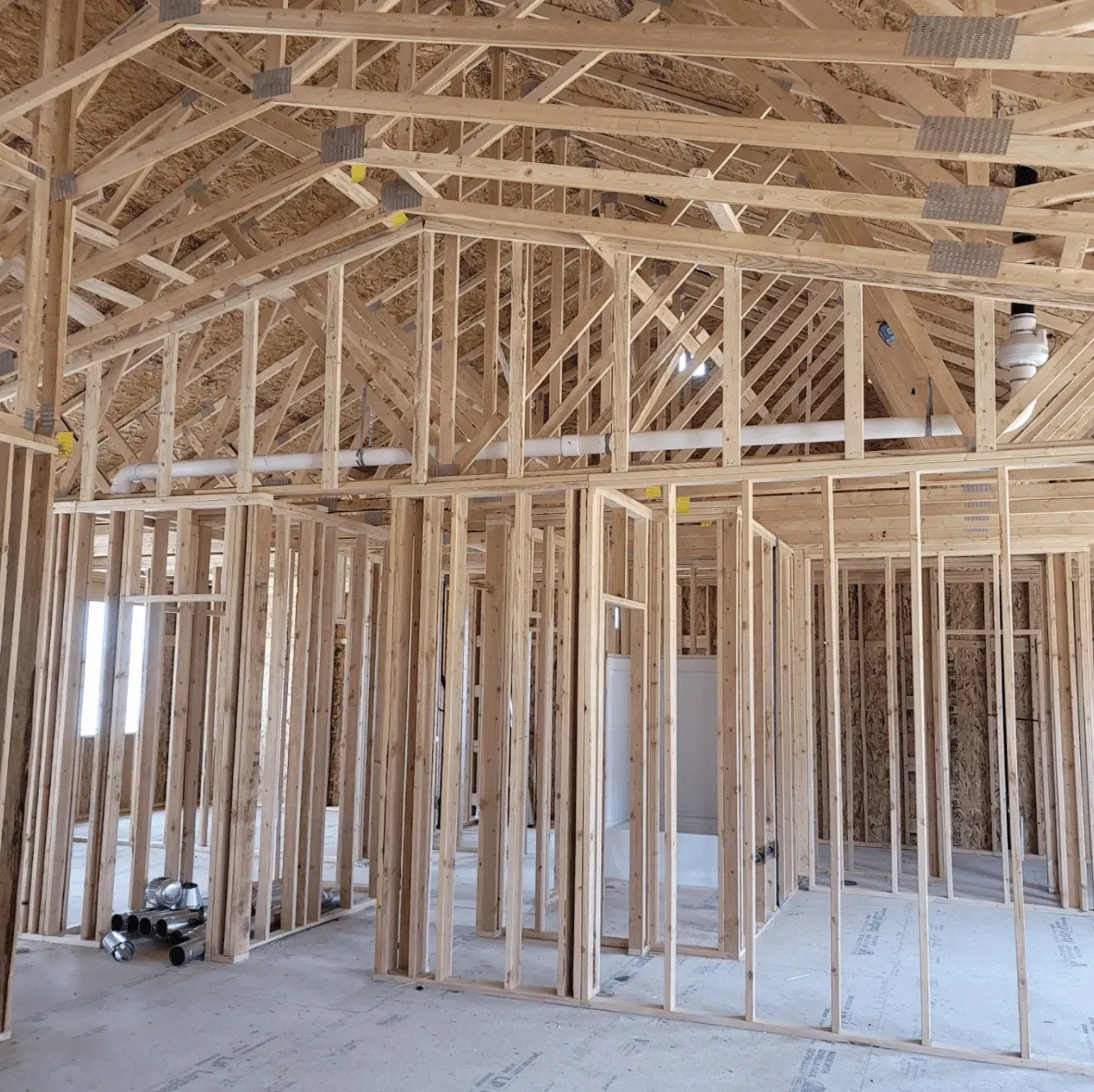
- Install radon-resistant membranes and vapor barriers during the foundation or basement work.
- Integrate sub-slab depressurization systems as part of the home’s infrastructure.
- Work closely with all contractors to ensure that radon mitigation features are not compromised by other construction activities.
3. Post-Renovation Follow-up
- Re-test your home for radon once all construction is complete.
- Monitor the performance of installed systems through regular maintenance checks.
- Keep detailed records of radon levels and any mitigation system adjustments for future reference.
Why Choose Expert Assistance for Your Renovation?
The process of integrating radon-resistant features into your home renovation is multifaceted; it involves structure, engineering, and environmental assessment. Here is why working with professionals can make all the difference:
- Experts provide tailored assessments of your property’s specific risks.
- Certified radon mitigation professionals have the training and tools needed to implement effective systems.
- Integrated project management ensures that the radon-resistant features work harmoniously with other renovation components.
- Ongoing maintenance services allow you to focus on enjoying your improved home while professionals handle technical follow-ups.
Building a Safer Future, One Renovation at a Time
Renovating your home with radon-resistant features is an investment in your health, well-being, and property value. By employing advanced mitigation systems, vapor barriers, and improved ventilation, you transform your living space into an environment that actively safeguards against the unseen dangers of radon.
Every step from initial testing to the final post-renovation follow-up—ensures that your home is better prepared to prevent radon exposure. As radon-resistant renovations become more common, homeowners are empowered with the knowledge and tools necessary to protect their families while enjoying the comfort, efficiency, and aesthetic appeal of their improved homes.
Final Thoughts
Radon poses a hidden threat that can linger just beneath your home’s foundation, impacting the air you breathe and your family’s long-term health. With informed planning, expert execution, and ongoing vigilance, radon-resistant renovations offer a proactive way to manage this risk effectively.
By taking the necessary preventative measures, whether through installation of sub-slab depressurization systems, application of vapor barriers, or enhancement of your home’s ventilation, you not only comply with safety standards but also provide a nurturing, healthy environment for your loved ones. Armed with the detailed strategies outlined in this comprehensive safety guide, you can approach your home renovation project with confidence and peace of mind, knowing that every step is aimed at creating a safer, healthier future.
Get a Free Quote
![Blue periodic table tile for radon, element 86, with symbol Rn and mass [222].](https://le-cdn.hibuwebsites.com/09c3a4288d5947b58ca8220076f73b94/dms3rep/multi/opt/radon-periodic-table-rn-86-radon-be-gone-1920w.webp)