Radon gas is a naturally occurring radioactive gas that can seep into your home and pose a serious
health risk over time. Installing a radon mitigation system is essential in reducing your exposure to radon, but many homeowners often ask, “How long do radon mitigation systems last?”
This comprehensive guide will cover everything from the lifespan of these systems, their key components, essential maintenance tasks, to the signs that your system may require professional attention. Our aim is to provide you with an informative and authoritative resource to help you protect your home and family.
Get a Free Quote
Understanding the Lifespan of Radon Mitigation Systems
When considering the investment in a radon mitigation system, understanding the lifespan is a crucial factor. Generally, most radon mitigation systems are built to last between 5 to 15 years, depending on several factors:
- Quality of Installation: A system installed by certified professionals using high-quality materials can perform better and last longer.
- Environmental Conditions: Regions with extreme temperatures or high humidity might accelerate the wear and tear on certain components.
- Maintenance Frequency: Regular inspections and timely maintenance can extend the system’s service life considerably.
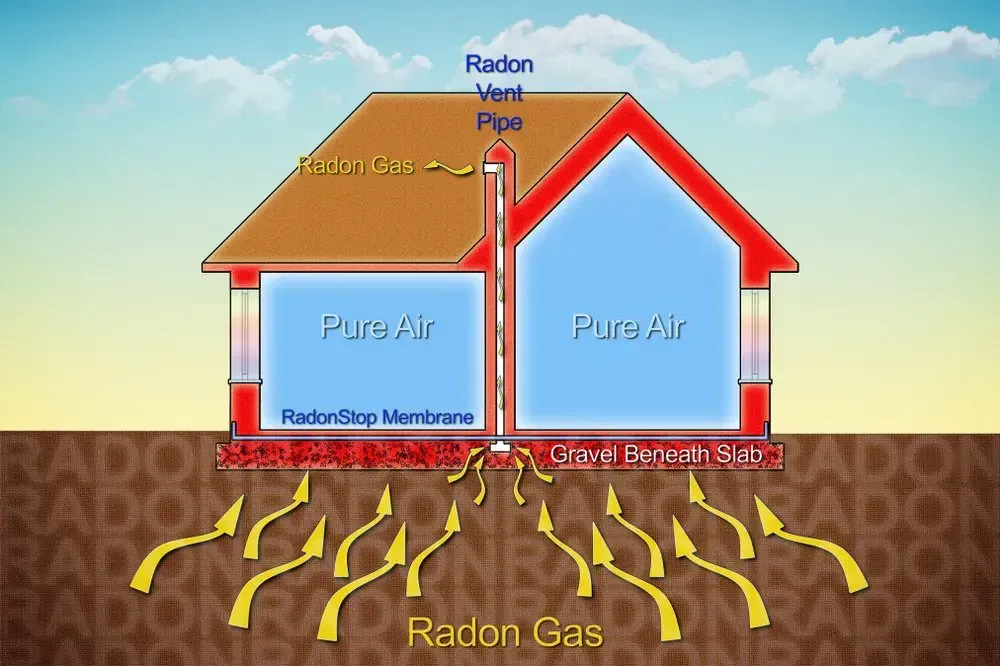
- System Design: The method and design chosen (sub-slab depressurization, block wall depressurization, etc.) can have different longevity profiles.
While many systems have a life expectancy of up to 10 years, routine maintenance and occasional repairs can extend performance effectively beyond this range. In extreme cases, with proper attention and periodic upgrades of key components, a radon mitigation system can function efficiently for up to 15 years or longer.
Key Components of Radon Mitigation Systems and Their Lifespan
Understanding how each component plays a role can give you insight into the overall lifespan of the system. The key components are:
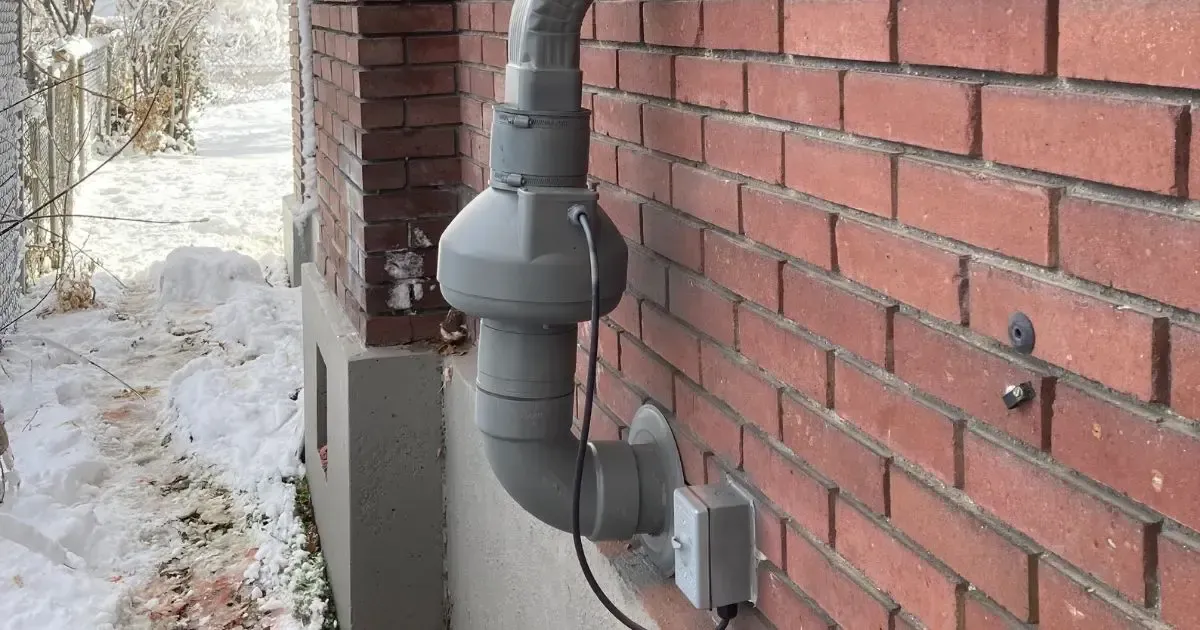
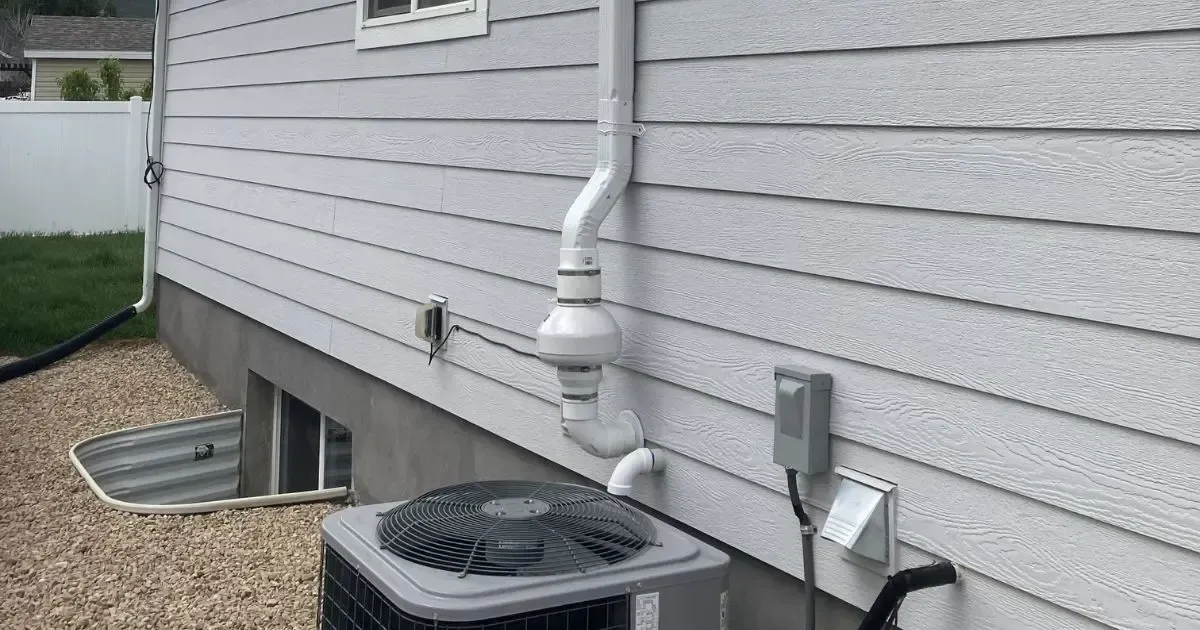
- Fan Unit: This is the heart of the mitigation system. The fan’s performance is crucial for reducing radon levels. Most high-quality fans come with warranties of 5 to 10 years, but proper care can extend their life.
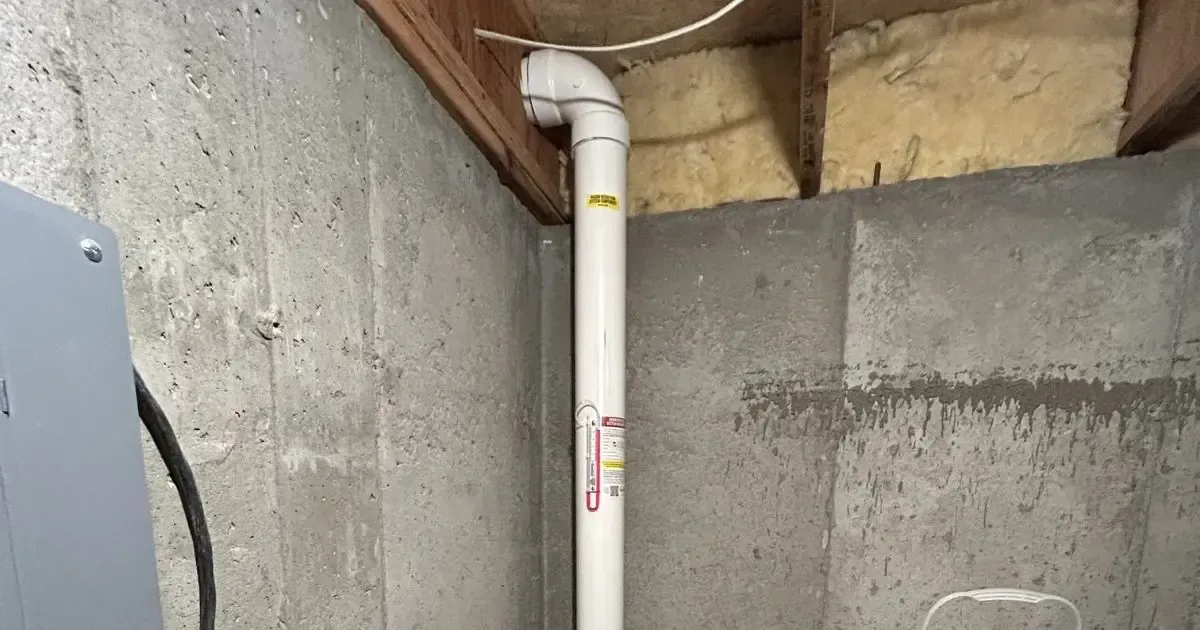
- Piping System: The network of pipes that draws radon from beneath the floor. These are generally made from durable materials such as PVC, which can last many years if not exposed to environmental stressors.
- Sealing and Membrane Layers: These include sealants and membranes used to modify the soil gas entry points. Their longevity depends largely on exposure to moisture and temperature variations.
- Monitoring Sensors: Some advanced systems include sensors to monitor radon levels continuously. While these sensors offer real-time feedback, they may require periodic recalibration or replacement.
For homeowners, understanding the durability of each element is essential. Not only can it help plan for replacements, but it also reminds us of the importance of regular checks and maintenance.
Essential Maintenance Tasks for Longevity
Routine maintenance is key to ensuring that your radon mitigation system continues to perform effectively over its expected lifespan. Below are various tasks that should be carried out periodically:
Scheduled Inspections
A professional inspection at least once a year is recommended to ensure:
- Fan Performance: A visual check of the unit for any blockages, wear on the motor, or unusual sounds that might indicate a malfunction.
- Piping Integrity: Ensuring that no cracks or leaks have developed in the piping system.
- Sealant Condition: Checking seals and membranes to verify that they remain intact, properly adhered, and fully effective at preventing soil gas infiltration.
- Sensor Accuracy: If equipped, ensuring that any monitoring sensors are calibrated correctly for precise readings.
Note: Consider scheduling a professional system check after any significant natural events (e.g., heavy rainfall, earthquakes) that might have affected your home’s infrastructure.
Cleaning and Dust Removal
Dust build-up and debris can reduce the efficiency of your mitigation system, particularly around the fan unit. Regular cleaning of accessible parts is recommended to:
- Ensure unobstructed airflow and optimal performance of the fan.
- Help maintain the overall cleanliness and hygiene of the system.
While the specialized cleaning of the inside of the pipes should be performed by professionals, homeowners can often take a few actions on their own:
- Dust the external surfaces of the fan unit lightly with a soft, dry cloth.
- Avoid the use of strong chemicals that might damage the equipment.
Component Upgrades
In some cases, specific components within a radon mitigation system may require replacement or upgrades before the entire system is due for a replacement. For example:
- A fan that has a noticeably degraded performance might be replaced independently.
- Sensors that have become less accurate over time can be upgraded to more modern models.
Regularly monitoring the performance of your system can help identify these issues early. When in doubt, consult a professional for an evaluation.
Signs Your Radon Mitigation System Needs Attention
Even with regular maintenance checks, there are clear warning signs that indicate your radon mitigation system may need professional attention or component replacement. Understanding and identifying these symptoms early can save you from more expensive repairs or exposure to radon.
- Noticeable Changes in Indoor Air Quality: A sudden or gradual shift in indoor air quality could signal that your system is not functioning optimally.
- Increased System Noise: Unusual sounds coming from the fan unit may indicate mechanical stress or imminent failure.
- Unexpected Radon Level Fluctuations: If your home’s radon readings begin to fluctuate or rise, it can be a strong indicator that the mitigation system is not adequately controlling radon entry.
- Visible Physical Damage: Cracks in piping, damaged sealants, or visible wear at the fan unit are clear signs of degradation.
- Error Codes on Monitoring Devices: For systems equipped with digital monitors, error messages can indicate the need for recalibration or replacement of these devices.
If you observe any of these signs, consider reaching out to our professional radon specialists immediately by visiting our
contact page. Early detection and prompt repair can minimize risks to your health and ensure continued system performance.
A Homeowner’s Checklist for Radon Mitigation System Maintenance
Below is a handy checklist to help you remember important maintenance tasks throughout the lifespan of your radon mitigation system:
- Annual Professional Inspection:
- Fan performance and condition
- Piping integrity check
- Sealant and membrane integrity
- Sensor calibration and function verification
- Quarterly Visual Inspections:
- Look for any visible signs of wear or damage around accessible components.
- Ensure that the fan outlet is clear of debris.
- Biannual Cleaning:
- Gently dust the fan unit and any external components.
- Inspect and clean any accessible areas around the system.
- Monitor Radon Levels:
- Keep an eye on your radon detector readings for any unexpected changes.
- Record readings over time to spot patterns that may suggest system inefficiency.
- Post-Natural Event Checks:
- Inspect your mitigation system after heavy storms, earthquakes, or floods.
- Contact professionals if any component is suspected to be compromised.
This checklist can serve as a user-friendly reminder for scheduled maintenance, ensuring that your system remains an effective safeguard against radon exposure.
Frequently Asked Questions (FAQ)
Below are some frequently asked questions to further assist you in understanding and maintaining your radon mitigation system:
How Often Should I Have My Radon Mitigation System Inspected?
It is generally recommended to have the system inspected once a year by a certified professional, along with more frequent visual checks by the homeowner.
Can I Perform Any Maintenance Myself?
Homeowners can perform light cleaning and seasonal visual inspections. However, any component repairs or in-depth maintenance should be done by trained professionals.
What Should I Do If I Notice Elevated Radon Levels?
If your radon detector indicates an increase in radon levels, immediately schedule a service call with a radon mitigation expert for a comprehensive check and any necessary repairs.
Is It Worth Upgrading My Radon System After 10 Years?
Upgrading can be beneficial, especially if technological advances offer greater efficiency and reliability. Evaluating the cost-effectiveness of repairs versus replacement is key. Consult with your service provider for advice tailored to your situation.
Conclusion
In summary, while radon mitigation systems require careful oversight and periodic maintenance, their longevity makes them a valuable investment in your home’s safety. An informed homeowner who appreciates the importance of regular inspections, quality upgrades, and professional maintenance will always be steps ahead in protecting their residence.
We hope this guide has served as a useful resource in answering your questions about the lifespan of radon mitigation systems. Your path to a safer, healthier home starts with knowledge and proactive care. Thank you for reading our homeowner’s guide and please remember to reach out to us for any further assistance or to schedule your next inspection.
Get a Free Quote
![Blue periodic table tile for radon, element 86, with symbol Rn and mass [222].](https://le-cdn.hibuwebsites.com/09c3a4288d5947b58ca8220076f73b94/dms3rep/multi/opt/radon-periodic-table-rn-86-radon-be-gone-1920w.webp)