Radon gas is a naturally occurring radioactive gas that can seep into homes and buildings through cracks, gaps, and porous spaces in the foundation. Although it is invisible and odorless, long-term exposure to radon can pose significant
health risks.
In this article, we explore the sub slab depressurization system—a leading method recommended by radon mitigation experts—to safeguard your home and your family. Whether you are a current homeowner or planning a new build, understanding this system can help you make informed decisions about indoor air quality and structural safety.
Get a Free Quote
Understanding Radon and Its Impact
Radon is produced from the decay of uranium, a naturally occurring element found in soil and rock. As the gas moves through the ground, it can enter structures by way of:
- Cracks and gaps in the foundation
- Open joints between the foundation and walls
- Gaps around pipes or conduits that enter the house
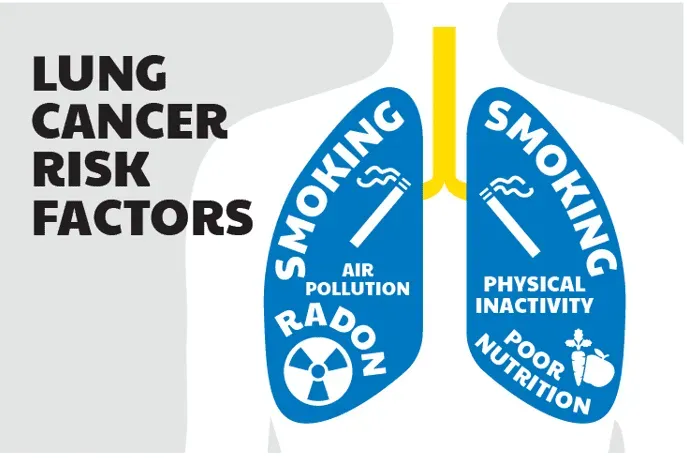
Because radon is colorless and odorless, homeowners are typically unaware of its presence until tests reveal elevated levels. Considering that long-term exposure to radon increases the
risk of lung cancer, it is crucial to implement effective mitigation methods as soon as elevated levels are detected.
What is a Sub Slab Depressurization System?
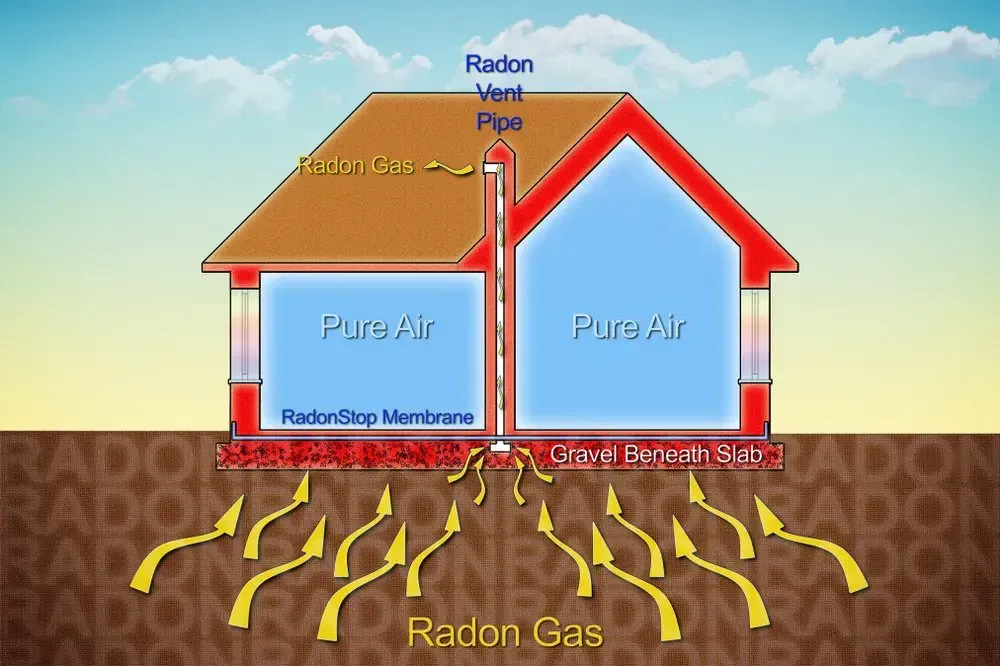
A sub slab depressurization system addresses the core issue of radon intrusion by creating a negative pressure environment beneath the building’s foundation. In simple terms, this system actively draws radon-laden air from below the building and safely vents it outside. The approach prevents radon from accumulating inside your living space. This method is widely recognized for its efficiency and proven reliability, making it a favorite among homeowners and professionals in the industry alike.
Components of the System
The key components typically include:
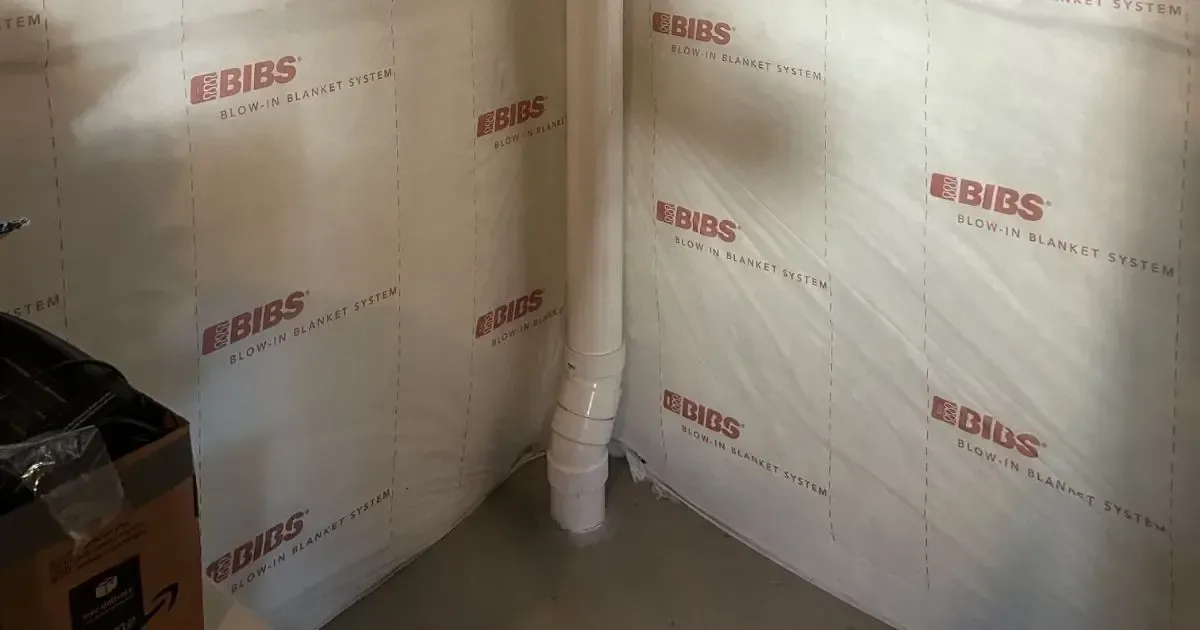
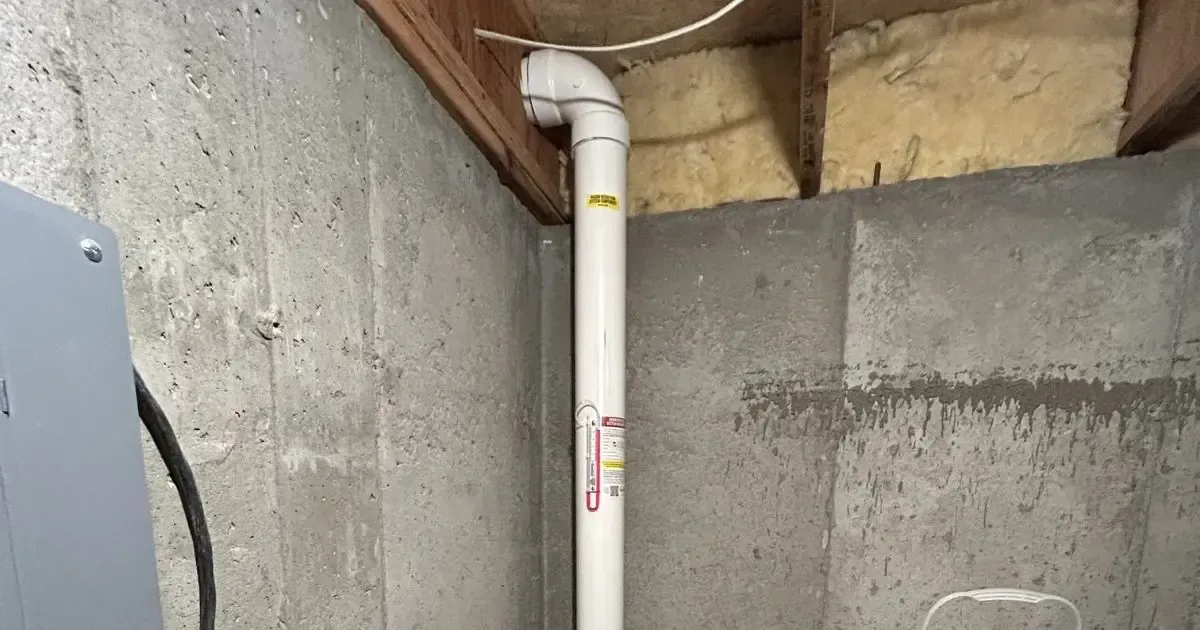
- Sub-Slab Vent Pipe: A dedicated pipe that is inserted through the slab to create an exhaust path for radon gas.
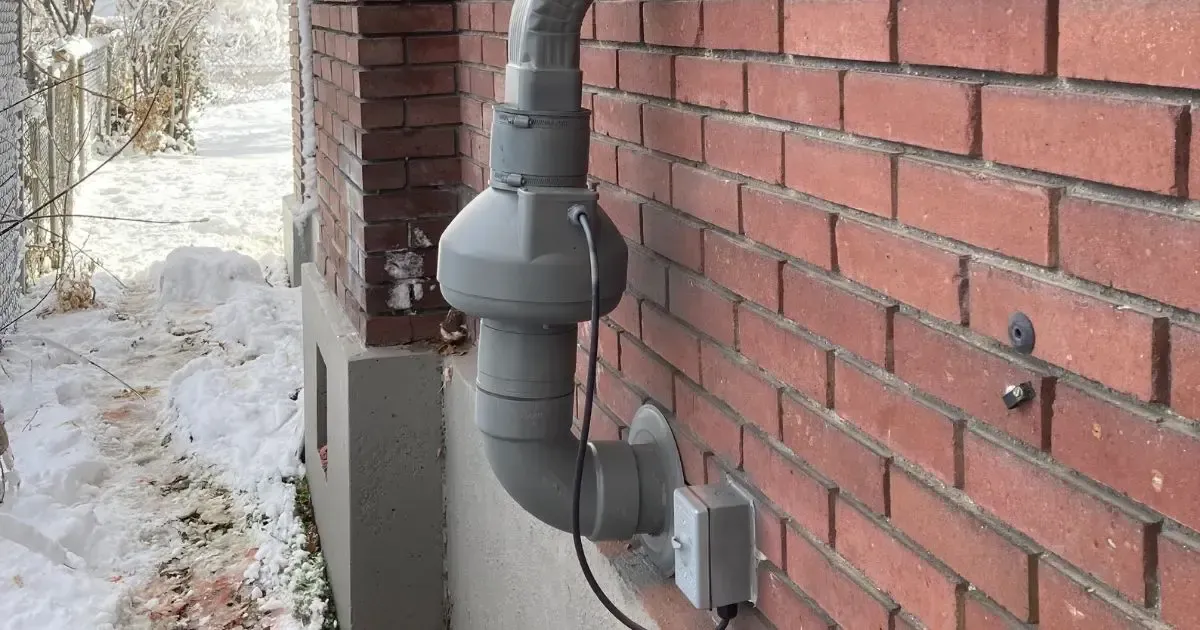
- Fan Unit: An in-line fan positioned outside of the living area that continuously pulls air from under the slab.
- Sealing Materials: Appropriate sealants are used to close off cracks and openings in the foundation to enhance the system’s efficiency.
- Monitoring Equipment: Devices are installed to continuously monitor radon levels, ensuring the system remains effective.
This combination of components efficiently works together to reduce radon concentrations inside the home.
How Does the Sub Slab Depressurization System Work?
The process behind a sub slab depressurization system is both ingenious and straightforward. The system acts as a ventilator at the foundation level, significantly reducing radon’s ability to enter the living spaces. Here is a step-by-step explanation of how it functions:
- Assessment and Sealing: Professionals begin by assessing the foundation for entry points or cracks. These areas are then sealed to prevent radon from bypassing the system.
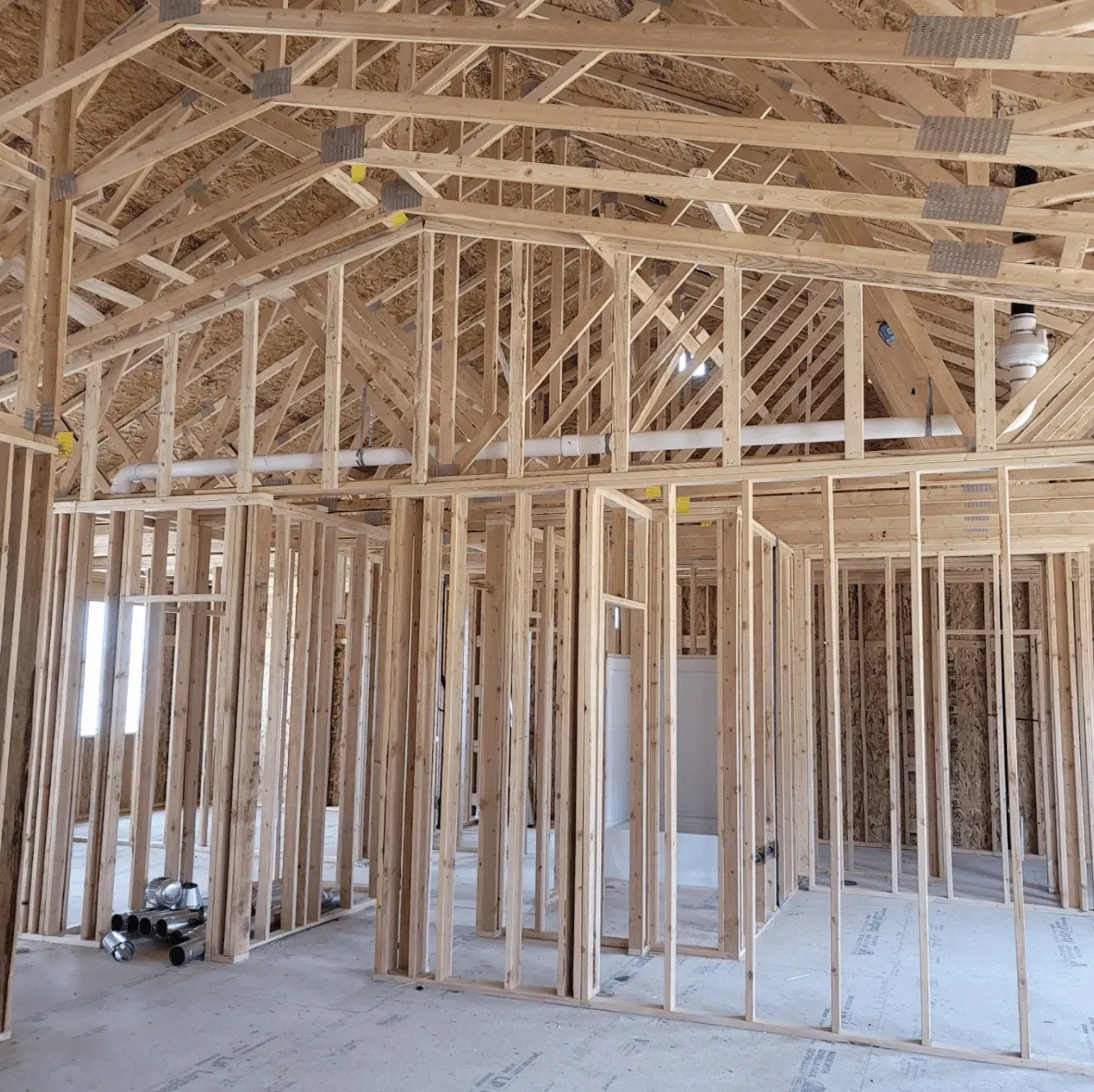
- Installation of the Vent Pipe: A perforated vent pipe is inserted through the slab at a strategic location where radon entry is predominant. This pipe provides a direct path for radon to be drawn from beneath the slab.
- Activation of the Fan Unit: A fan installed outside the living area creates a continuous suction. By establishing a negative pressure zone beneath the house, the system diverts the flow of radon gas upward through the vent pipe.
- Exhausting Radon Safely: The extracted radon gas is then vented out high above the roofline, allowing it to disperse harmlessly into the outdoor air.
This procedure ensures that radon does not accumulate indoors and is removed before it can reach hazardous levels. Because radon concentration typically correlates with the amount of radon entering the BASE, preventing this entry at the source is the most effective way to control its levels.
Why Experts Recommend Sub Slab Depressurization
Multiple factors contribute to the endorsement of sub slab depressurization as a leading radon mitigation technique:
- Effectiveness: When properly installed, the system can achieve a reduction in radon levels by up to 99%, making it one of the most effective methods available.
- Reliability: This method has been tested across various types of residential structures and soil conditions. Millions of homes have successfully utilized this system to maintain safe indoor air quality.
- Simplicity of Operation: Once installed, the system requires minimal intervention. Routine checks and maintenance ensure that it functions optimally.
- Cost-Effectiveness: Compared to other methods, sub slab depressurization is both affordable and efficient in the long term, requiring fewer modifications to the existing structure.
These advantages make it clear why experts often advise homeowners to choose a sub slab depressurization system as the first line of defense against radon exposure.
Installation Process and What to Expect
Initiating a radon mitigation plan does not have to be overwhelming. The installation process of a sub slab depressurization system is typically straightforward and designed with the homeowner’s convenience in mind. Here is what you can expect:
Consultation and Evaluation: A trained professional will start with an assessment of your property, including radon testing. During this visit, questions about your home’s construction and previous issues with moisture or mold might also be discussed.
Planning and Customization: Based on the assessment, the expert will design a system tailored specifically to your home’s layout, soil conditions, and construction style. This customized approach enhances effectiveness and efficiency.
Professional Installation: Once the plan is finalized, technicians will proceed with the installation. Common steps include:
- Sealing relevant openings in the foundation
- Drilling a small hole in the slab where radon is likely to accumulate
- Inserting the sub-slab vent pipe and securing it into place
- Installing an in-line fan unit outside of the living space to minimize noise
- Mounting monitoring equipment to track the system’s performance over time
Inspection and Testing: After installation, comprehensive testing is performed to confirm that radon levels have been adequately reduced. Regular follow-up tests are recommended to ensure long-term efficiency.
Maintenance and Long-Term Considerations
Like any system designed to secure your health and safety, preventive maintenance is important. Proper upkeep ensures your sub slab depressurization system continues to operate efficiently.
Key maintenance tips include:
- Regular Inspections: Have a professional
check the system annually to inspect for any wear or component failures.
- Fan and Filter Replacements: Depending on the system design, certain components like fans or filters may require periodic replacements to maintain optimal performance.
- Monitoring Radon Levels: Continue radon testing even after the system is installed. This keeps you informed of any changes and ensures your protection remains uncompromised.
Consider scheduling an annual review with your mitigation service provider to address any potential issues before they become problems. This proactive approach helps sustain the benefits of your radon mitigation strategy throughout the lifespan of your home.
Frequently Asked Questions (FAQs)
How Long Does it Take to Install a Sub Slab Depressurization System?
Typically, the
installation process can be completed within a single day. However, the time required may vary depending on the complexity of your home’s foundation and the number of entry points identified during inspection.
Is the System Noisy?
Most modern sub slab depressurization systems are installed with an in-line fan designed for quiet operation. Many homeowners report that the system produces minimal noise, ensuring it does not intrude on daily living.
Can the System Be Installed in Any Type of Home?
The sub slab depressurization method is versatile and can be adapted to a wide range of residential structures, including concrete slab foundations, basements, and
crawl spaces. During your initial consultation, the expert will assess your home and recommend the best approach tailored specifically for its design.
How Do I Know if Radon Levels Are Still Safe After Installation?
After installation, radon testing is usually conducted to confirm that the levels have been effectively reduced. It is important to repeat these tests periodically. Using any certified radon monitor or professional testing service can help ensure your home remains safe.
Are There Any Additional Benefits of This System?
Yes, beyond reducing radon exposure, a properly installed sub slab depressurization system can also help mitigate moisture issues in your home. By controlling the air pressure under your slab, the system may help prevent dampness and related problems, such as mold growth.
Expert Tips to Maintain a Radon-Safe Home
Alongside installing a sub slab depressurization system, consider these expert tips to maintain a radon-safe environment:
- Schedule Regular Radon Testing: Even with a mitigation system in place, it is wise to
test every couple of years
or whenever significant renovations take place.
- Seal All Entry Points: Ensure that all cracks, openings, and gaps in the foundation are sealed properly. This not only aids in radon reduction but also prevents moisture intrusion.
- Stay Informed: Keep up with the latest radon mitigation technologies and updates in safety guidelines. Knowledge is a powerful tool in protecting your home.
- Work with Certified Professionals: Choose companies that have a proven track record and certification from relevant authorities. Expert installation and consistent follow-ups can make all the difference in long-term radon control.
Implementing these practices, coupled with a reliable sub slab depressurization system, will help ensure that radon remains a controlled risk, allowing you to focus on enjoying a healthier and more secure home environment.
Conclusion
Radon is a silent threat that necessitates proactive intervention to safeguard the health of your family. The sub slab depressurization system stands as one of the most effective, reliable, and cost-efficient mitigation solutions available. By understanding how the system works—from the initial assessment and sealing process to the continuous venting of harmful radon—we can appreciate its essential role in the modern home.
This system not only contributes to significant reductions in indoor radon levels but can also offer additional benefits like moisture control and enhanced overall indoor air quality. Its ease of integration into
various types of home foundations, combined with the lasting benefits of professional maintenance and periodic testing, make it a top recommendation for homeowners concerned with environmental risks.
Take control of your indoor environment today.
Schedule a consultation with our team of radon mitigation experts and secure a healthier home for you and your loved ones. Your peace of mind is just one call away!
![Blue periodic table tile for radon, element 86, with symbol Rn and mass [222].](https://le-cdn.hibuwebsites.com/09c3a4288d5947b58ca8220076f73b94/dms3rep/multi/opt/radon-periodic-table-rn-86-radon-be-gone-1920w.webp)