Radon is an invisible, odorless gas that can pose significant
health risks when it accumulates in homes and buildings. If you’re a homeowner or planning to purchase property in Utah, you might be wondering whether radon testing is mandated by law. This comprehensive guide will explore the current regulations surrounding radon testing in Utah, delve into the associated health risks, and emphasize why testing your home remains crucial, even if not legally required.
Understanding Radon and Its Risks
Radon is a
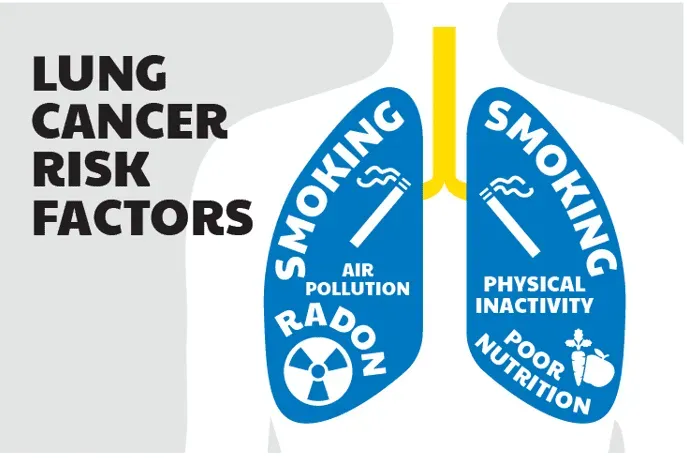
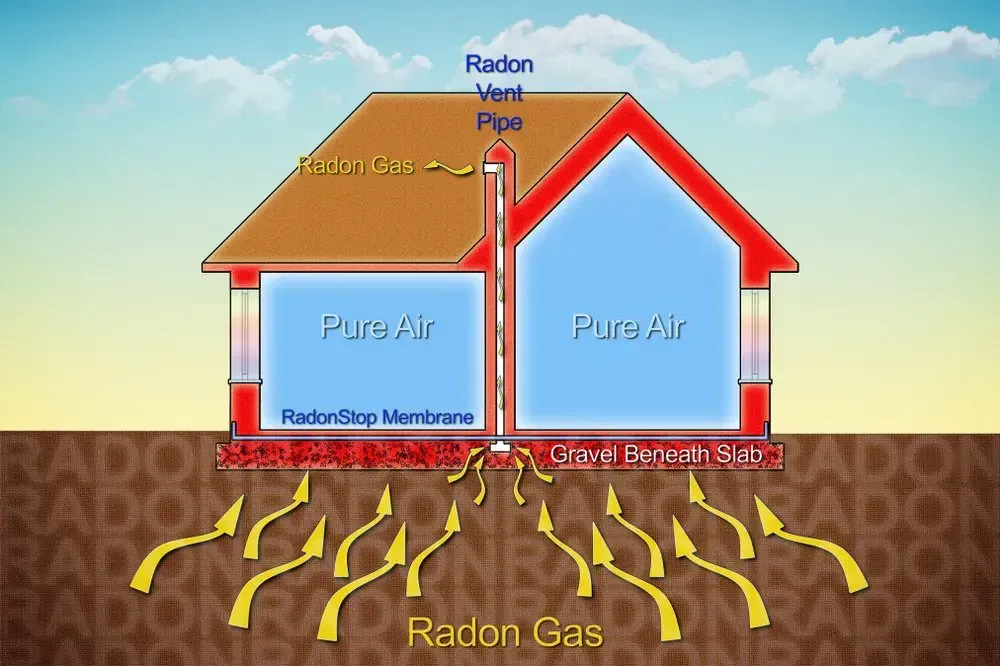
naturally occurring radioactive gas produced from the decay of uranium in soil, rock, and water. It can seep into buildings through cracks in foundations, gaps around pipes, and other openings. Prolonged exposure to high levels of radon increases the risk of lung cancer, making it the second leading cause of this disease after smoking.
Key Health Risks of Radon Exposure:
- Lung Cancer: Long-term exposure to elevated radon levels significantly increases the risk.
- Synergistic Effects with Smoking: Smokers exposed to high radon levels have an even higher risk of lung cancer compared to non-smokers.
- No Immediate Symptoms: Radon exposure does not cause immediate health effects, making it a silent threat.
Get a Free Quote
Current Radon Regulations in Utah
As of the latest updates in 2023, Utah has specific guidelines and recommendations regarding radon testing, though it does not mandate radon testing by law for all homeowners. Here’s a breakdown of the regulatory landscape:
Residential Buildings:
- No Mandatory Testing: Homeowners are not legally required to perform radon testing.
- Disclosure Requirements: Sellers must disclose any known radon levels if a test has been conducted in the past three years. However, there is no obligation to conduct the test if it hasn’t been done already.
Schools and Public Buildings:
- Guidelines in Place: Sellers must disclose any known radon levels if a test has been conducted in the past three years. However, there is no obligation to conduct the test if it hasn’t been done already.
- State Recommendations: The Utah Department of Health provides guidelines for public institutions to assess and mitigate radon risks.
Real Estate Transactions:
- Optional Testing: During the sale of a property, radon testing can be included as part of the home inspection process, but it is not a mandatory requirement.
- Negotiations: Buyers and sellers may negotiate based on radon test results if they choose to conduct the test.
Why Radon Testing is Essential in Utah
Even though Utah law does not compel radon testing for all residences, there are compelling reasons why homeowners should consider it:
- High Radon Areas:
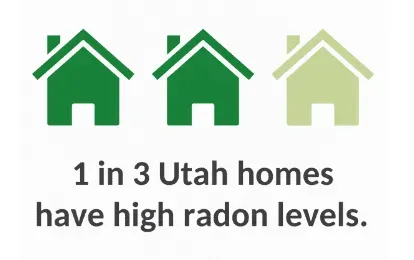
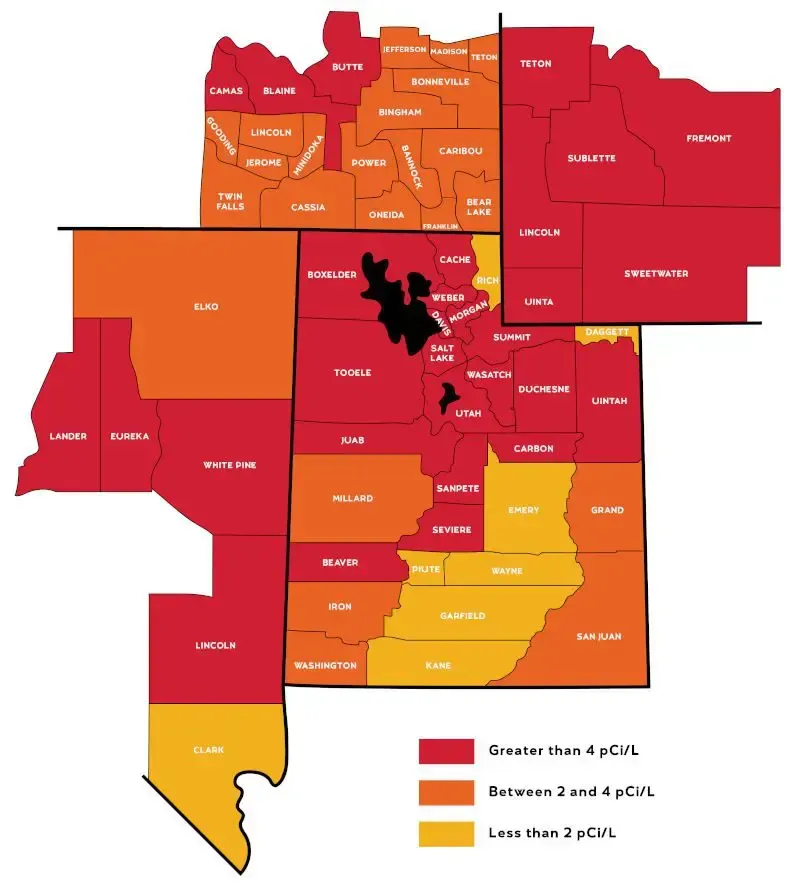
Certain regions in Utah have higher radon potential due to geological factors. Understanding the radon levels in your area is crucial for safety.
- Health Protection: Proactively testing helps mitigate the risk of lung cancer associated with radon exposure.
- Property Value: Homes tested and mitigated for radon can be more attractive to potential buyers, adding value to your property.
- Peace of Mind: Knowing your radon levels provides assurance that your living environment is safe for you and your family.
How to Test for Radon in Utah Homes
Testing for radon is a straightforward process, and several reliable methods are available:
Short-Term Testing:
- Duration: Typically lasts between 2 to 7 days.
- Types of Tests: Charcoal canister tests, electret ion detectors, and continuous radon monitors.
- Advantages: Quick results and useful for initial assessments.
Long-Term Testing:
- Duration: Lasts more than 90 days, often up to a year.
- Types of Tests: Alpha track detectors, electret ion detectors, and continuous radon monitors.
- Advantages: Provides a more accurate representation of the annual radon levels, accounting for seasonal variations.
Professional Testing Services:
Radon Mitigation Solutions
If your radon test reveals elevated levels, taking action to reduce radon concentrations is imperative. Here are common mitigation strategies:
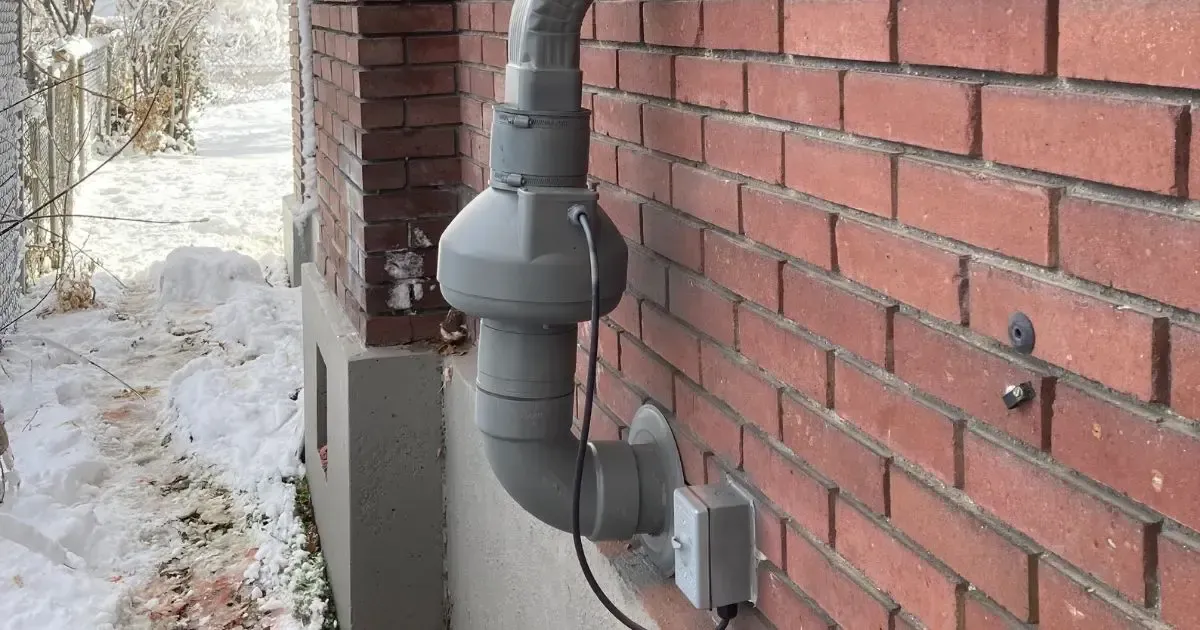
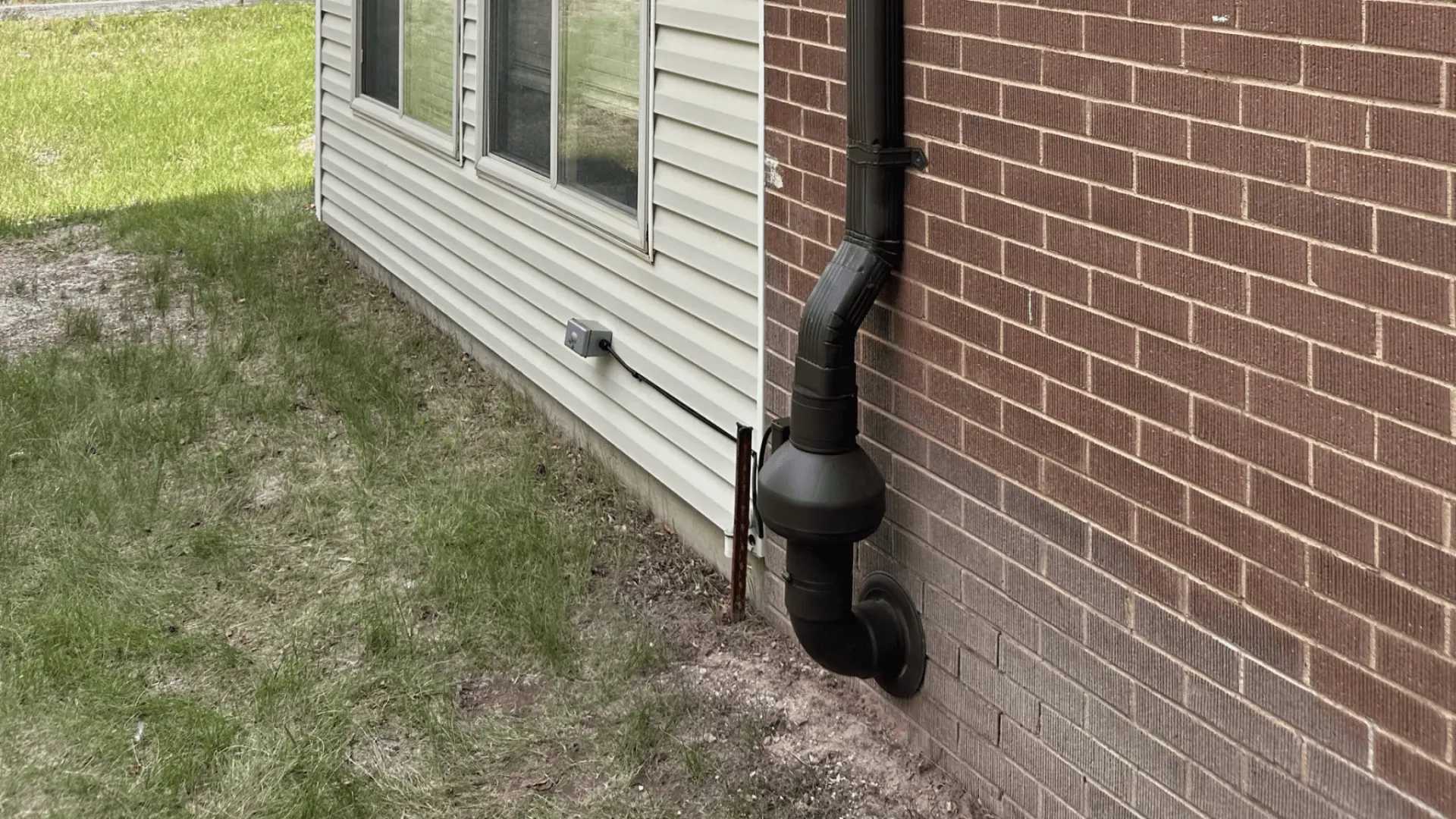
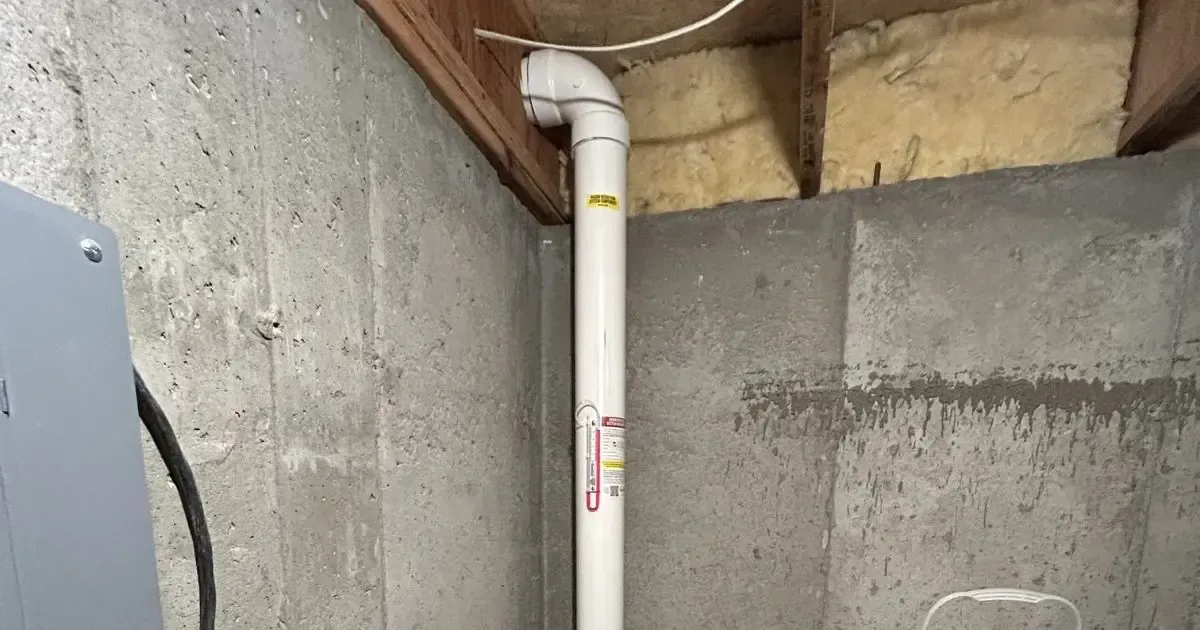
- How It Works: A pipe is inserted into the ground below the foundation, and a fan is used to draw radon from beneath the building, venting it outside.
- Effectiveness: One of the most reliable and widely used methods.
Sealing Cracks and Openings:
- Process: Sealing cracks in floors and walls to limit radon entry.
- Limitations: Often used in conjunction with other mitigation methods, as sealing alone may not sufficiently reduce radon levels.
Improving Ventilation:
- Mechanism: Enhancing the airflow within the building to disperse radon.
- Application: Effective in reducing radon concentrations, especially when combined with other mitigation techniques.
Heat Recovery Ventilation (HRV) Systems:
- Function: Exchanges indoor air with fresh outdoor air while retaining heat.
- Benefit: Helps in reducing radon levels and improving overall air quality.
When to Test and Retest for Radon
Radon levels can vary over time due to changes in the environment and building conditions. It’s advisable to test under the following circumstances:
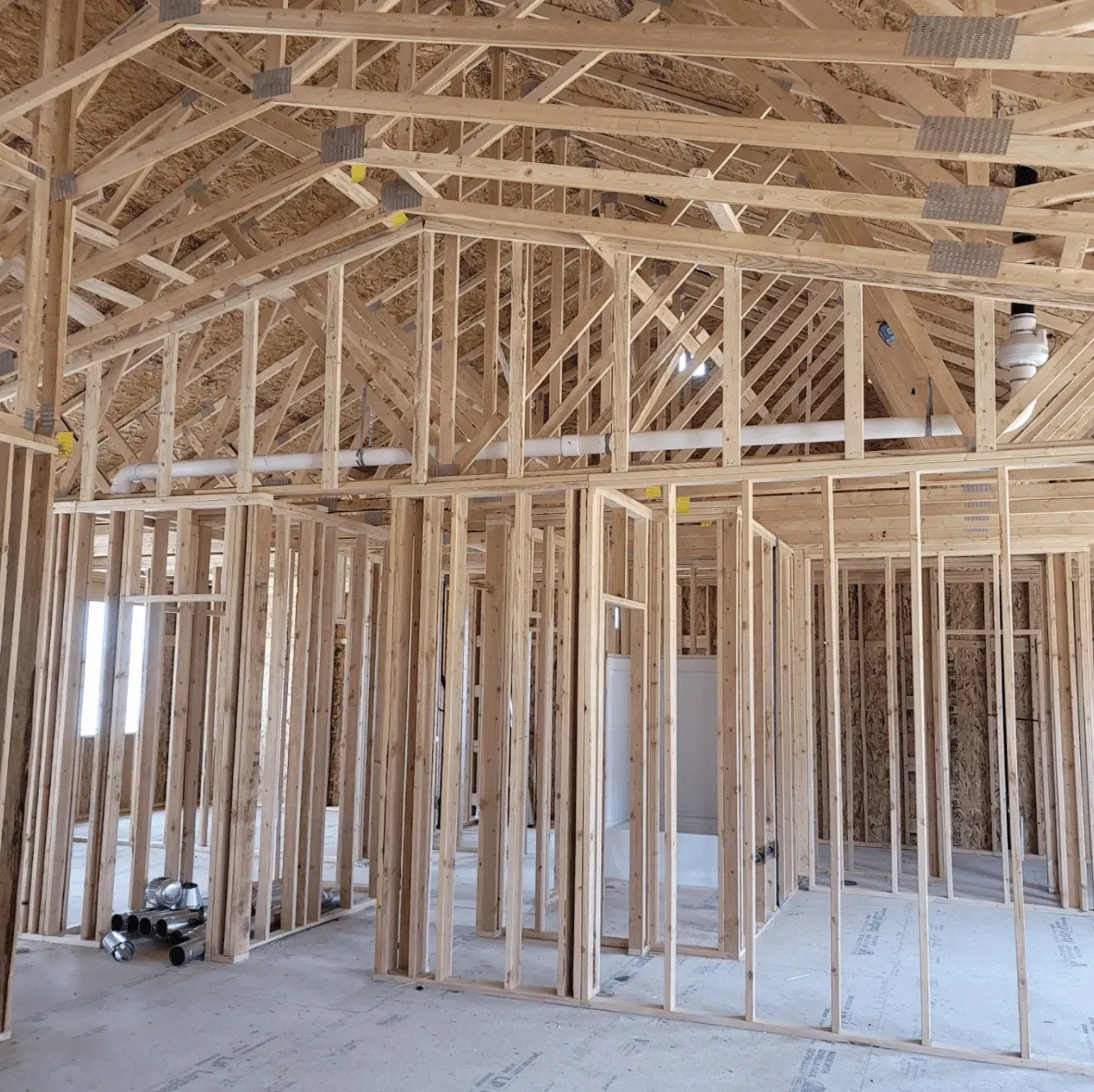
- New Construction:
Newly built homes may have different radon levels, so testing ensures safety from the outset.
- After Renovations: Structural changes can alter radon entry points, necessitating a retest.
- Real Estate Transactions: Even if not required by law, testing before buying or selling can provide valuable information.
- Periodic Testing:
Regular testing every two years is recommended to ensure ongoing safety.
Benefits of Professional Radon Testing Services in Utah
Choosing a professional radon testing service offers numerous advantages:
- Accuracy: Professionals use calibrated equipment to provide precise measurements.
- Expert Guidance: Receive recommendations tailored to your home’s specific needs.
- Compliance Assistance: Help navigate any local guidelines and ensure your home meets safety standards.
- Peace of Mind: Assurance that the testing process is thorough and reliable.
Get a Free Quote
Cost of Radon Testing and Mitigation in Utah
Understanding the
financial aspects of radon testing and mitigation can help you make informed decisions:
Testing Costs:
- Short-Term Tests: Typically range from $20 to $50.
- Long-Term Tests: Generally cost between $30 and $100.
Professional Services:
- Mitigation Costs:
- Active Soil Depressurization Systems: Average between $800 and $1,500.
- Sealing and Ventilation Improvements: Costs vary based on the extent of work required, usually ranging from $500 to $1,200.
- Maintenance:
Annual maintenance for mitigation systems can add to the overall cost but ensures continued effectiveness.
Frequently Asked Questions (FAQs)
Is Radon Higher in Certain Areas of Utah?
Yes, radon levels can vary across different regions in Utah due to geological differences. It’s essential to test your specific location to determine radon levels accurately.
Can I Install a Radon Mitigation System Myself?
While some mitigation steps, like sealing cracks, can be DIY projects, installing a comprehensive mitigation system typically requires professional expertise to ensure effectiveness and compliance with safety standards.
How Long Does it Take to Reduce Radon Levels?
Once a mitigation system is installed, most radon levels decrease significantly within a few days to weeks. Regular monitoring ensures that the system continues to function correctly.
Does Radon Pose a Risk to Children and Pets?
Yes, radon exposure affects all occupants of a building, including children and pets. Ensuring low radon levels is crucial for the health and safety of everyone in the home.
Are There Grants or Financial Assistance Available for Radon Mitigation?
Some local and state programs may offer financial assistance or grants for radon mitigation. It’s advisable to consult local health departments or housing authorities for available resources.
Take Action Today for a Healthier Tomorrow
Even though radon testing isn’t mandated by Utah law for all homeowners, prioritizing your family’s health and safety is paramount. By conducting radon tests, you can identify potential risks and take necessary steps to mitigate them, ensuring a safe living environment.
Get a Free Quote
![Blue periodic table tile for radon, element 86, with symbol Rn and mass [222].](https://le-cdn.hibuwebsites.com/09c3a4288d5947b58ca8220076f73b94/dms3rep/multi/opt/radon-periodic-table-rn-86-radon-be-gone-1920w.webp)