Moving to a new state is an exciting adventure, and Utah offers a wonderful mix of natural beauty and vibrant communities. However, as you plan your relocation, it is important to be aware of a silent yet significant issue that can affect your new home: radon. Radon is a naturally occurring radioactive gas that forms from the decay of uranium in soil and rock. It is invisible, odorless, and tasteless, which makes it difficult to detect without professional testing. Understanding radon, its potential health risks, and what you can do about it is essential for ensuring that your new beginning in Utah is both safe and healthy.
While radon is present throughout the United States, some areas, including parts of Utah, have radon levels that may exceed recommended limits. If you are moving into an older home or a new construction, knowing whether your property has a radon issue is crucial for your peace of mind and long-term health.
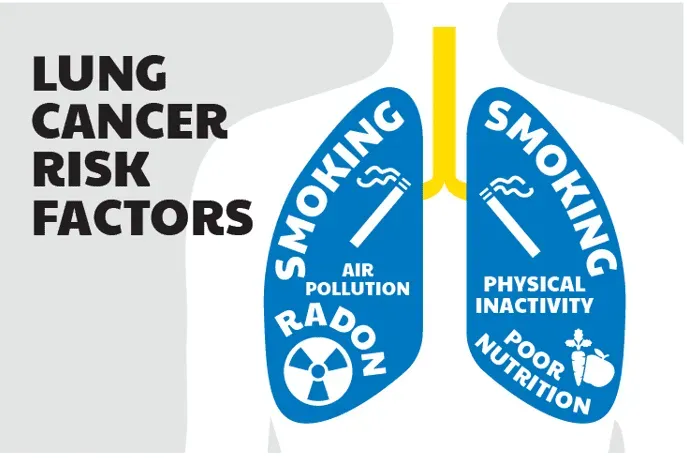
Research has shown that long-term exposure to elevated levels of radon can lead to
serious health issues, including lung cancer. To put this into perspective, here are some key points you should know about radon:
Key Points About Radon:
- Radon is produced from the natural decay of uranium in soil and rock.
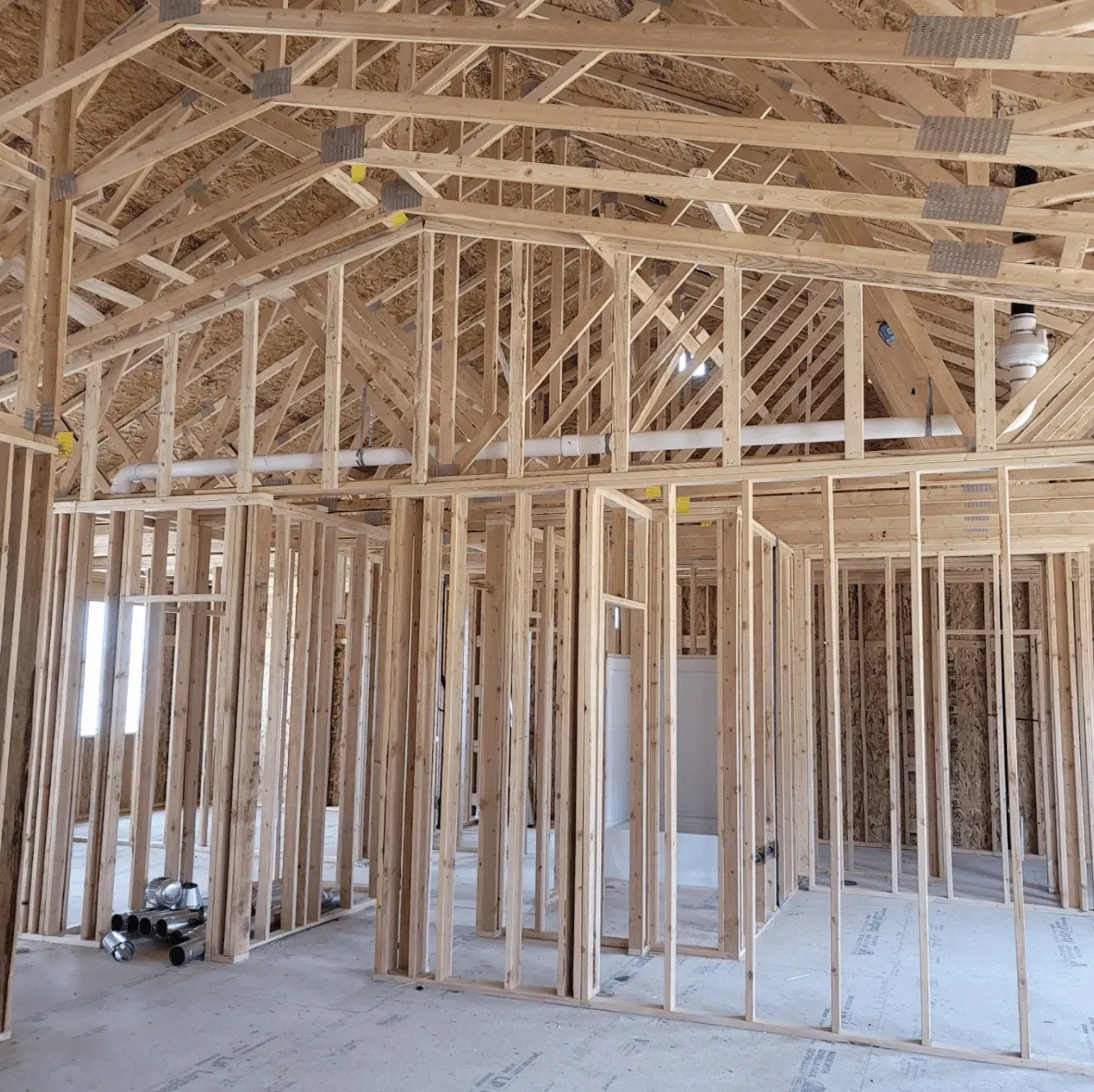
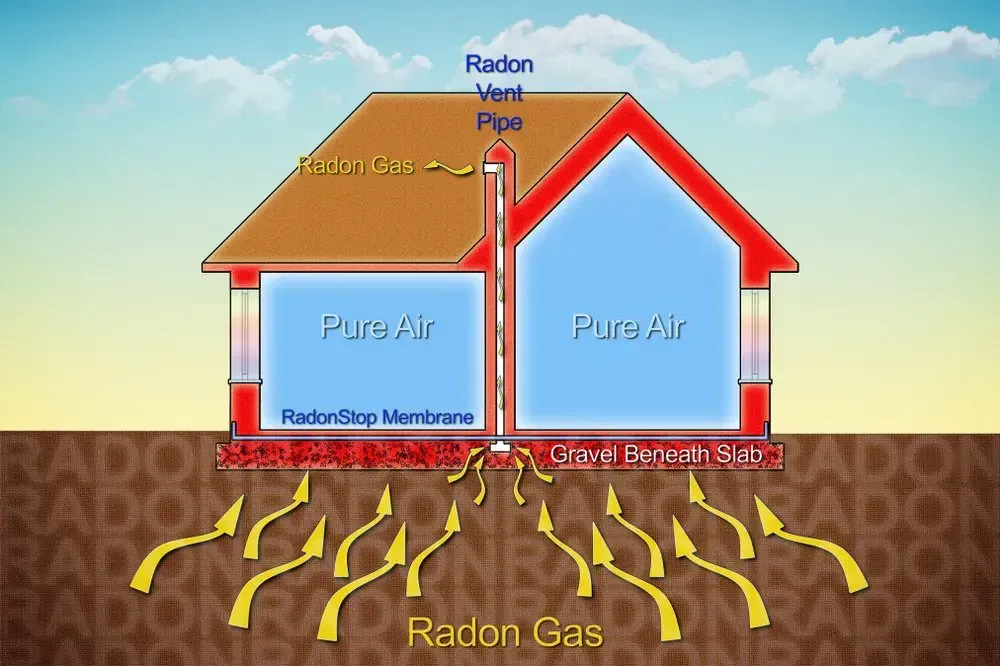
- It can seep into any building through cracks and openings, accumulating over time.
- Testing is necessary to determine radon levels in your home.
- Remediation measures can significantly reduce radon levels if they are found to be high.
Get a Free Quote
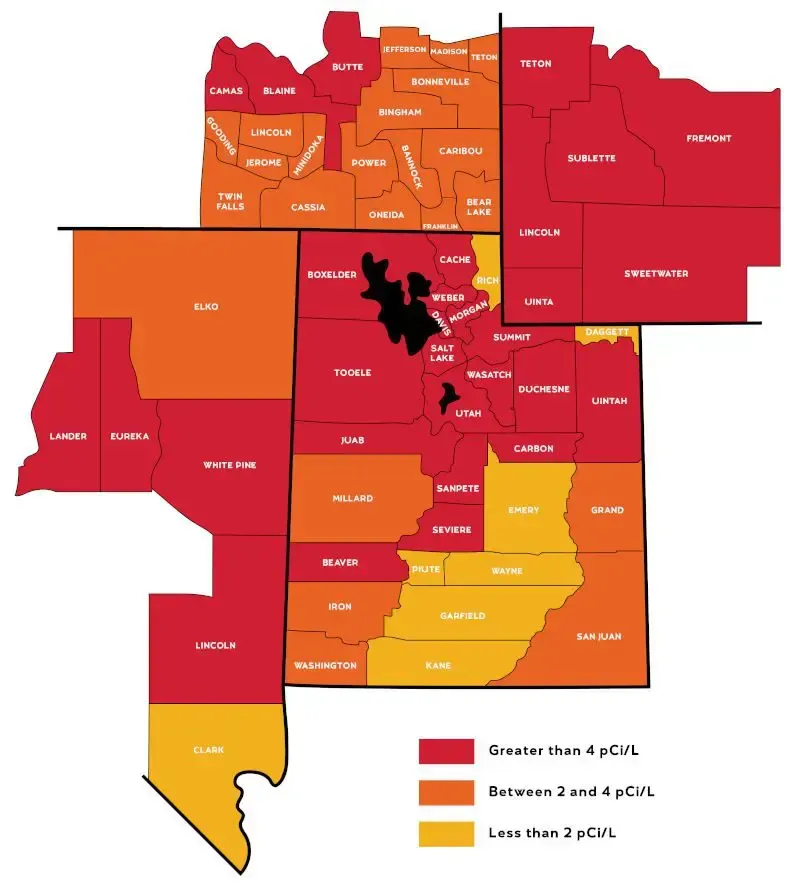
Radon Levels in Utah
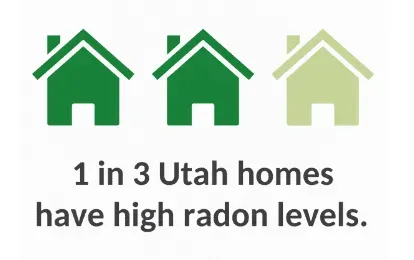
Utah is known for its stunning landscapes and high quality of life, but like many regions, it has areas where radon levels may be a concern. The geography and geology of Utah contribute to the presence of radon, and studies indicate that some parts of the state have naturally higher radon emissions.
Out-of-state residents need to understand that radon levels can vary significantly from one location to another.
Factors that influence radon concentration include:
- The type of soil and rock in the area
- The structure and foundation of the building
- Seasonal weather changes that may affect ventilation
- Recent construction methods and building materials used
In some Utah communities, radon levels have been documented to be higher than the national average, making it imperative to test your new home as soon as possible after moving in. A quick and affordable radon test can give you a clear understanding of the situation, offering you the opportunity to safeguard your family’s health.
If you are curious about radon levels in a specific Utah county or region, many state and local health departments offer online resources and maps. These resources can help guide you through understanding your potential exposure based on geographic location.
Testing for Radon
One of the most effective ways to address any potential radon issue is to test your home. Radon testing is both straightforward and affordable, and it provides a baseline measure of radon levels in your property. There are two primary types of radon tests that you can consider:
- Short-Term Tests: These tests typically last from 2 to 7 days. They are often used when a quick answer is needed, and many home testing kits are available from local hardware stores or online retailers
- Long-Term Tests: These tests measure radon levels over a period of more than 90 days, providing a more accurate depiction of the average radon level throughout different seasons.
It is advisable to follow these steps when planning a radon test in Utah:
- Research and purchase a reliable radon test kit or hire a professional service
- Follow the detailed instructions carefully to ensure an accurate measurement
- Consider testing during different seasons, when possible, to detect any variance in radon levels
- Analyze the results and, if necessary, consult with a radon mitigation expert
For those who prefer professional assurance, many radon testing companies offer comprehensive services that include analysis, detailed reports, and recommendations for mitigation if required.
Contact us today to learn more about our professional radon testing services in Utah.
Mitigation Options and Solutions
If testing reveals elevated radon levels, there is no need to panic. There are effective
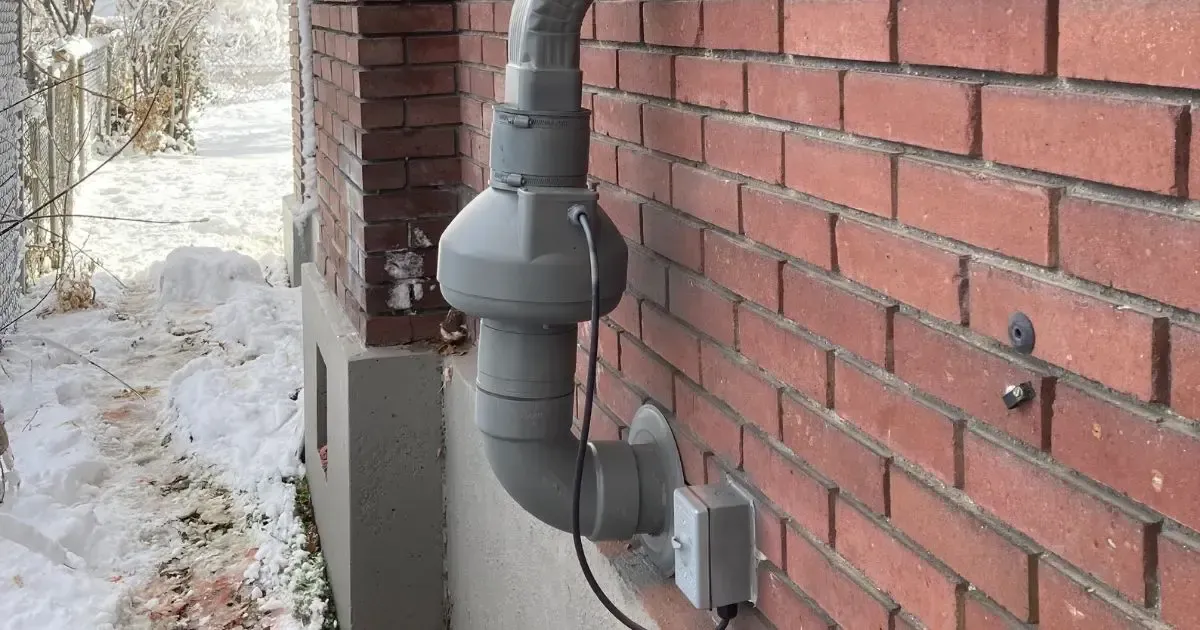
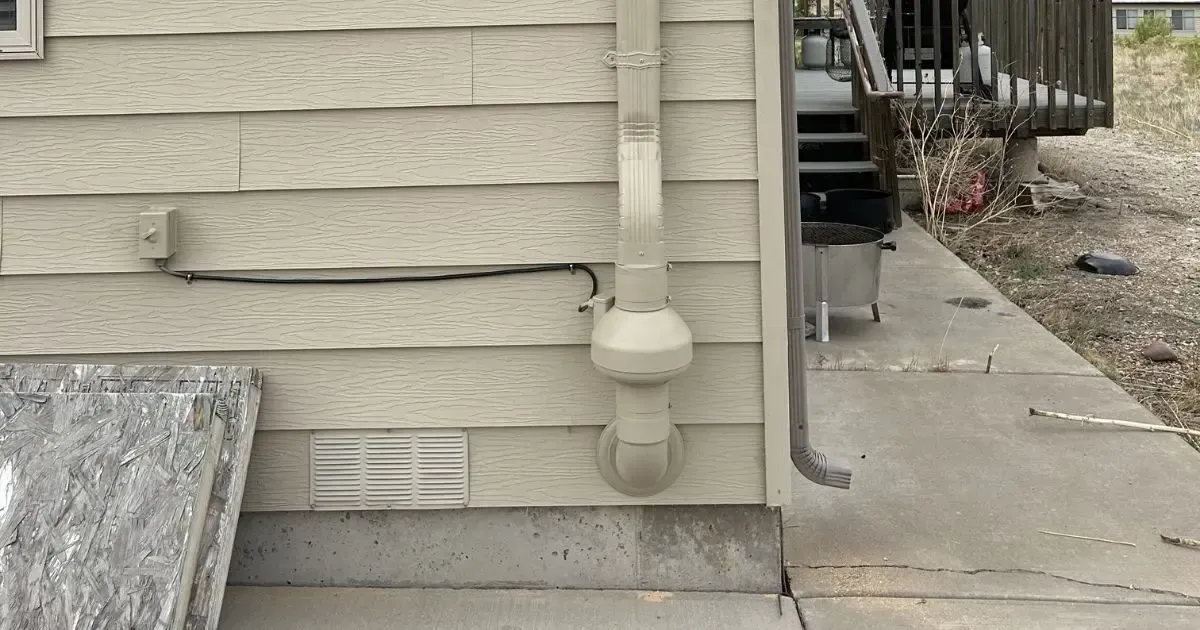
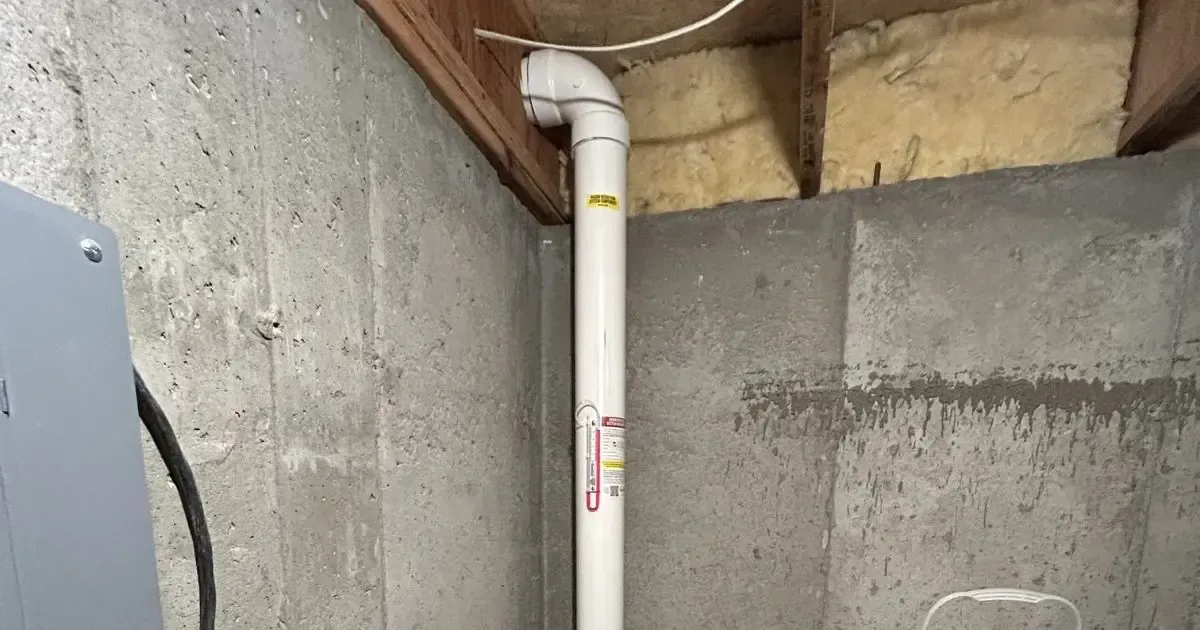
mitigation techniques that have helped countless homeowners reduce radon exposure. Radon mitigation typically involves installing systems that ventilate radon gas from beneath your home before it can accumulate indoors.
Some common mitigation methods include:
- Sub-Slab Depressurization: A system installed beneath the foundation to capture radon gas and safely vent it outdoors
- Crawl Space Ventilation: For homes with crawl spaces, increasing airflow can reduce radon accumulation
- Sealing Cracks and Openings: Minimizing pathways through which radon enters the home can contribute to lower concentrations over time
Before committing to any mitigation effort, it is crucial to have a clear understanding of your home’s specific issues. A professional
radon mitigation contractor can assess your property, advise on the best course of action, and ensure that any installed system complies with local guidelines and building codes.
The benefits of addressing radon issues go beyond compliance with local regulations. Effective mitigation offers you peace of mind and a healthier indoor environment for you and your loved ones.
Steps to Take Before and After Moving to Utah
Preparing for a move to Utah involves several steps that ensure your new home is safe from potential radon exposure. Here are some practical actions to consider both before and after you settle into your new residence:
- Research: Begin by researching radon levels in the area you plan to move to. Local health departments and real estate listings can provide helpful insights.
- Schedule a Radon Test: Once you have purchased your new home, schedule a radon test immediately. Early detection can save time, money, and potential health risks.
- Consult Professionals: Engage with radon testing and mitigation professionals who are familiar with the Utah regulatory framework. They can guide you through the process and advise on any necessary measures.
- Plan for Mitigation: If elevated radon levels are detected, plan for remediation as soon as possible. This might involve budgeting for installation costs and coordinating with licensed contractors.
- Follow-up: Even after installing mitigation systems, it is important to re-test periodically to ensure that radon levels remain at safe thresholds.
Taking these steps not only protects your health but also preserves the long-term value of your investment. If you need guidance during this process, our radon experts are ready to help.
Get in touch with us to schedule a consultation and begin your testing process.
Frequently Asked Questions
When it comes to radon and home safety in Utah, many out-of-state residents have similar concerns. Below are some frequently asked questions along with clear, informative answers that can help you address your doubts:
What is Radon, and Why Is It a Concern?
Radon is a colorless, odorless radioactive gas produced by the natural decay of uranium. It is a concern because long-term exposure to high concentrations of radon has been linked to an increased risk of lung cancer.
Can Radon Testing Be Done By Homeowners?
Yes, numerous radon test kits are available for homeowners. While these kits can be convenient for initial testing, professional testing may provide more comprehensive information, especially if high radon levels are suspected.
How Often Should I Test My Home for Radon?
If your test results are near or above the recommended action level, it is a good idea to test whenever there are significant changes in your home or in its use. For most homes, an annual test is recommended to ensure that radon levels remain low over time.
What Steps Can I Take if Elevated Radon Levels Are Detected?
If radon levels exceed safety thresholds, a variety of mitigation techniques can reduce the levels effectively. Engaging with a licensed radon mitigation professional is the best way to determine the most suitable method for your home.
Is Radon Only a Problem in Older Homes?
While older homes may have more cracks or gaps where radon can enter, any building is susceptible to radon infiltration regardless of its age. Modern construction methods can also be affected if radon is present in the underlying soil.
Conclusion and Next Steps
Moving to Utah is an exciting journey, and being informed about radon can ensure that your transition is as smooth and safe as possible. Understanding what radon is, how it impacts your health, and the practical steps you can take to test and mitigate it is invaluable for every homeowner. By investing a little time and resources into these preventive measures, you safeguard your new beginning from potential long-term health risks.
If you have any questions or if you need assistance with radon testing or mitigation, please
reach out to our team of radon experts. We are here to support you every step of the way. Your health and peace of mind are our top priorities, and we are committed to providing the highest quality service as you embark on this new chapter in Utah.
Remember, a small step in testing today can lead to a lifetime of healthier living tomorrow. Welcome to Utah, and take comfort in knowing that with the right information and professional support, you can enjoy all the wonderful aspects of your new home while keeping radon risks at bay.
Get a Free Quote
![Blue periodic table tile for radon, element 86, with symbol Rn and mass [222].](https://le-cdn.hibuwebsites.com/09c3a4288d5947b58ca8220076f73b94/dms3rep/multi/opt/radon-periodic-table-rn-86-radon-be-gone-1920w.webp)