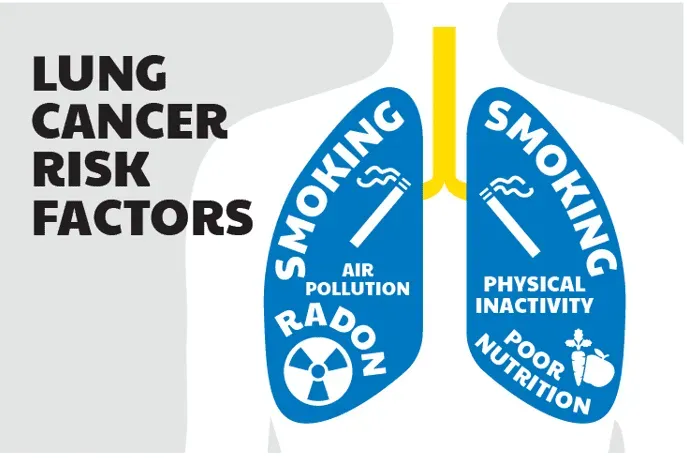
Radon, a naturally occurring radioactive gas, may seem invisible and harmless at first glance, but it poses significant health risks when accumulating in homes and buildings. In this comprehensive guide, we will explore various radon mitigation methods, how they work, and the importance of proper installation. Whether you have a sub-slab, crawl space, or drain tile system, understanding the science behind radon suction points and extraction can help you make informed decisions about safeguarding your indoor environment.
Get a Free Quote
Understanding Radon Mitigation Systems
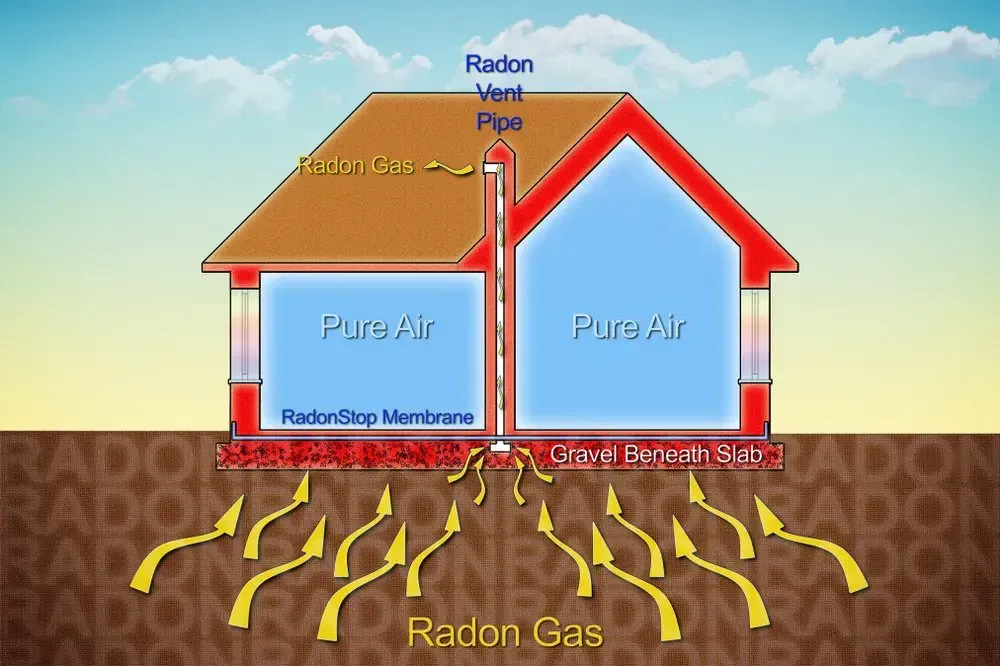
At the core of effective radon mitigation are two primary concepts: suction points and extraction. Both these components work together to actively draw radon gas from beneath your home’s foundation and safely vent it high into the air, preventing indoor accumulation. Here’s a closer look at the three most common systems:
Sub-Slab Depressurization Systems
Sub-slab suction systems are among the most popular and effective methods for radon mitigation:
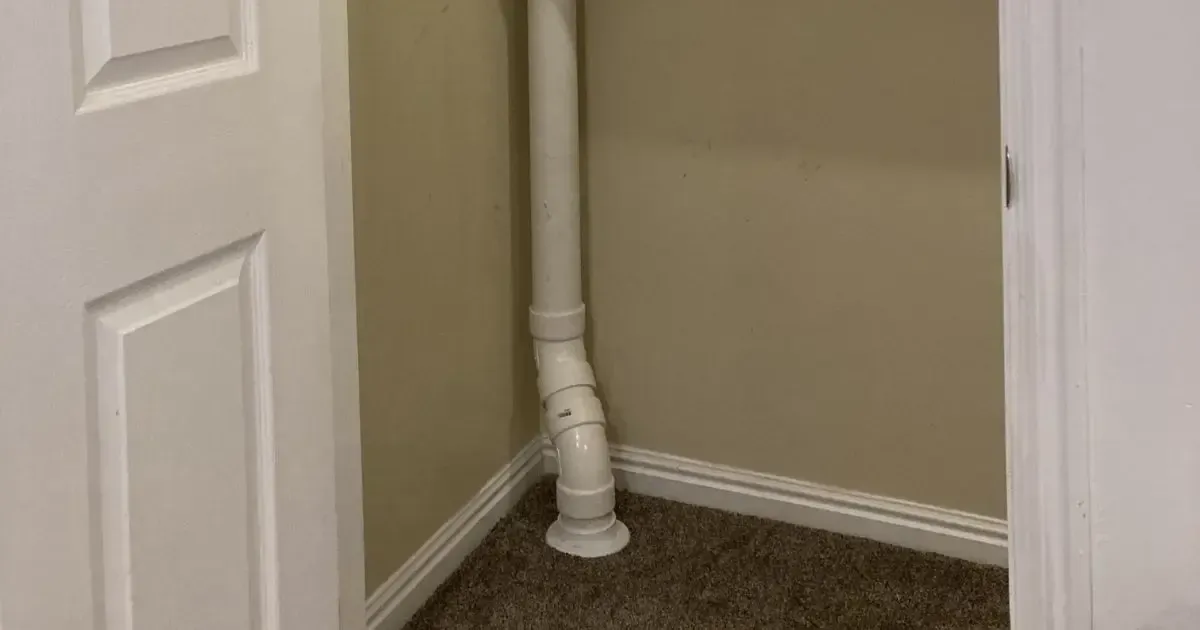
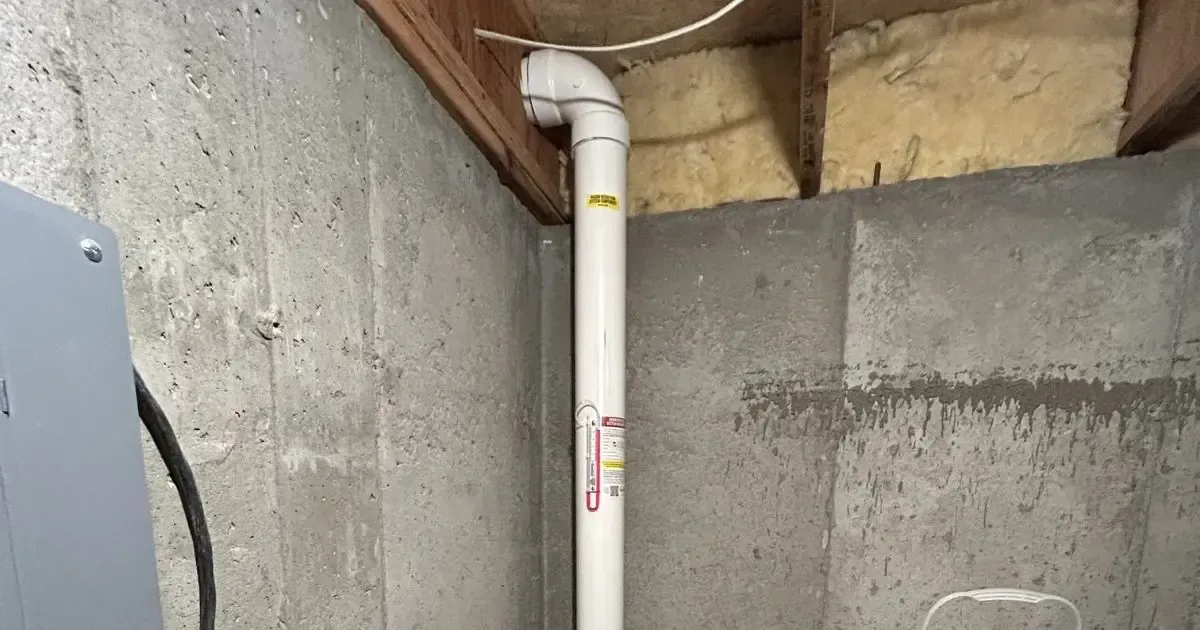
- How It Works: A suction point is strategically placed beneath the concrete slab. By creating a negative pressure zone, radon gas is drawn upward through a dedicated pipe.
- Key Benefits:
- Efficient radon extraction directly from soil gas
- Well-suited for homes with a concrete slab foundation
- Long-lasting performance with minimal maintenance
- Additional Considerations: Incorporating high-quality fan systems can ensure continuous, reliable suction and further reduce radon levels.
Crawl Space Systems
Crawl space mitigation is a great option for homes with accessible, unfinished lower levels:
- Mechanism: Suction points are placed within the crawl space to draw radon gas that accumulates in this area, often focusing on ventilation improvements. The extraction pipe routes the gas safely away from living spaces.
- Benefits for Homeowners:
- Prevents radon build-up in confined crawl spaces
- Improves overall air quality by addressing moisture and stale air issues
- Cost-effective alternative to extensive foundation modifications
- Implementation Tactics: Sealing any gaps and ensuring proper ventilation are essential to maximize the effectiveness of the radon suction extraction system in crawl spaces.
Drain Tile Mitigation Systems
Drain tile systems are particularly effective for structures that have a perimeter drainage network:
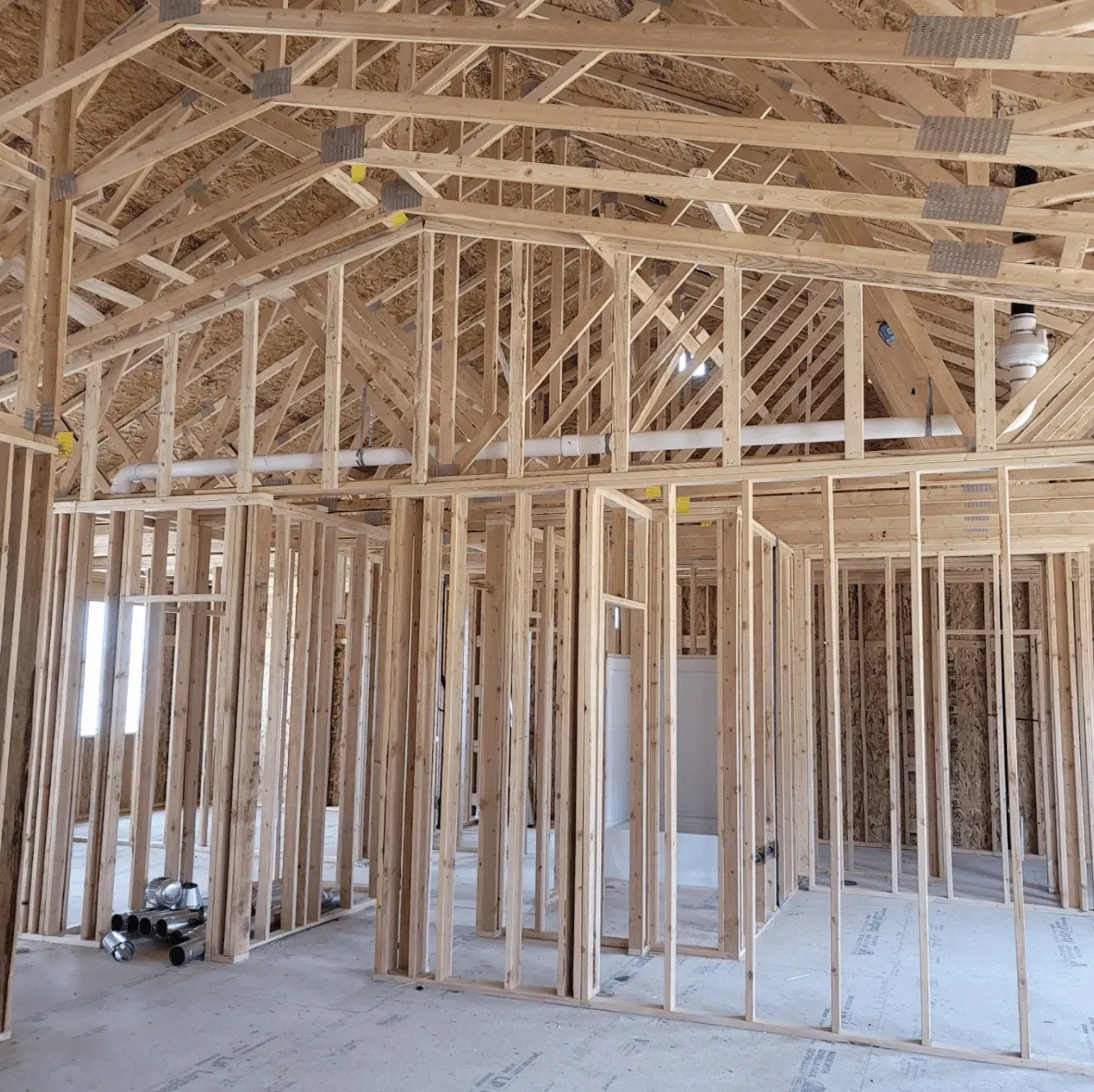
- Operational Overview: Drain tile systems rely on strategically positioned perforated pipes below the foundation’s level. These modules collect radon gas from beneath the foundation, much like a sump pump system. The extracted gas is then channeled out of the building, minimizing indoor exposure.
- Why It Works:
- Complements existing drainage infrastructure
- Useful in areas where water control in the foundation is already a priority
- Provides dual functionality in managing both water and radon gas
- Maintenance Tips: Regular inspections and ensuring the integrity of the drainage system are important for sustained effectiveness.
The Science Behind Suction and Extraction
Understanding the science behind radon mitigation is crucial for making educated decisions. In essence, these systems operate on principles of pressure differentials:
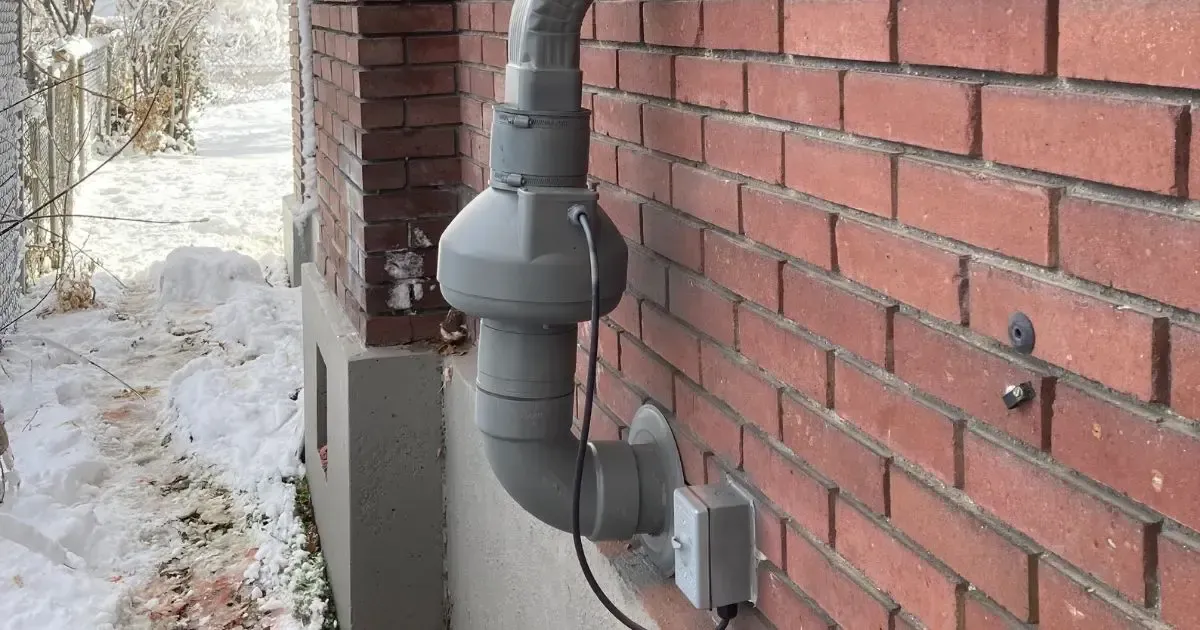
- Suction Points: They create a low-pressure zone beneath the foundation, effectively drawing radon gas upward where it can be safely expelled.
- Extraction Process: By utilizing a fan-controlled extraction system, radon is pulled through a duct system and vented above the roofline where it disperses harmlessly into the atmosphere.
This dual approach of suction and extraction is what makes modern radon mitigation techniques so efficient. The proper execution of these principles ensures that radon is kept at levels well below federal guidelines, significantly reducing potential health risks.
Frequently Asked Questions (FAQs)
Below are some common questions homeowners ask about radon mitigation, along with clear and concise answers:
Is radon only a problem in certain geographical areas?
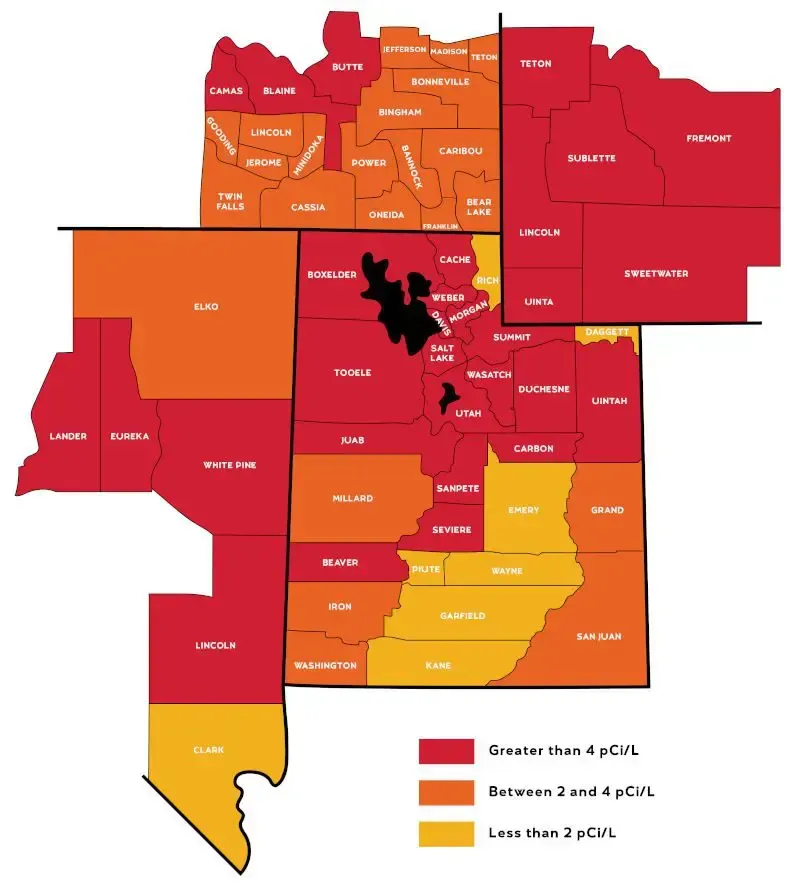
While radon levels vary by region, it is not confined to any single area. Even homes in regions with low overall radon potential can experience high levels due to differences in soil composition and foundation construction.
How often should I test my home for radon?
It is advisable to test your home every two years, particularly if you have recently made structural changes or if there is a history of elevated radon levels in the neighborhood. After installing a mitigation system, an annual check ensures it continues to function properly.
Can I install radon mitigation systems myself?
While there are do-it-yourself kits available, proper installation requires expertise in evaluating soil conditions, building structure, and effective sealing of the foundation. Hiring a certified professional ensures optimal performance.
How long will a radon mitigation system last?
When installed and maintained properly, most radon mitigation systems can last for many years, significantly reducing the concentration of radon indoors over the long term.
Choosing the Right Mitigation Partner
When it comes to protecting your property from radon exposure, working with experienced professionals is essential. Consider the following factors when choosing your radon mitigation partner:
- Certifications and Experience: Look for companies that employ certified radon mitigation experts and have a proven track record of successful installations.
- Comprehensive Services: Choose a partner who not only provides installation services but also offers routine maintenance, testing, and expert advice. A wide range of services ensures ongoing protection and optimal performance.
- Customer Reviews: Seek out customer testimonials and third-party reviews to gauge satisfaction and reliability. Knowledge shared by previous clients can provide valuable insights into a company’s service quality.
- Commitment to Safety: A good mitigation partner should prioritize safety not just in the final solution but throughout the installation process. They should use high-quality components and follow strict safety guidelines.
For more details and to find out how we can help create a safer indoor environment, please
contact us today. Our team is eager to provide supportive guidance and tailored solutions that match your specific property needs.
Conclusion
Effective radon mitigation is more than just a technical installation—it is a commitment to creating a healthier living environment for you and your family. By understanding how suction points and extraction techniques work together in systems like sub-slab depressurization, crawl space ventilation, and drain tile installations, you are taking an important step toward proactive home safety protection.
Investing in a robust radon mitigation solution means investing in peace of mind. With continuous improvements in technology and an ever-growing body of knowledge, there has never been a better time to address radon concerns head-on. We encourage you to reach out to our team for a personalized evaluation and to learn more about the benefits of professional radon mitigation.
If you have any questions, need further information, or wish to schedule a home inspection, please do not hesitate to
contact us today. Together, we can ensure that your home remains a safe and healthy environment for years to come. We look forward to helping you take the crucial steps toward a radon-free home.
Get a Free Quote
![Blue periodic table tile for radon, element 86, with symbol Rn and mass [222].](https://le-cdn.hibuwebsites.com/09c3a4288d5947b58ca8220076f73b94/dms3rep/multi/opt/radon-periodic-table-rn-86-radon-be-gone-1920w.webp)