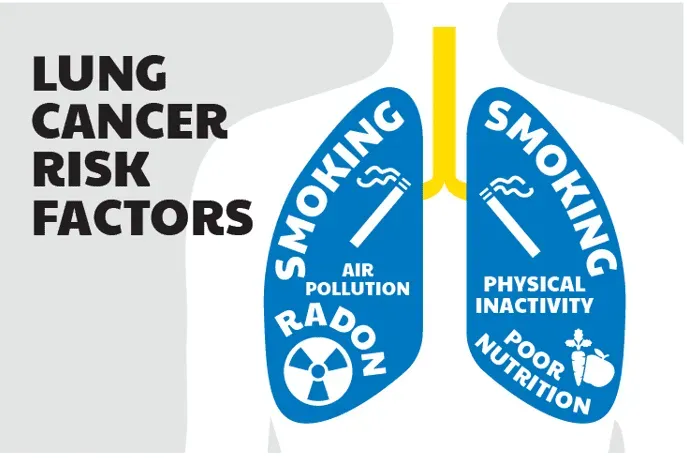
Exposure to radon is a serious health concern that affects many homes and buildings, yet most homeowners are unaware of the invisible threat right beneath their feet. Radon is a naturally occurring radioactive gas that can seep through floors and foundations. When it accumulates indoors, it can pose significant health risks over time. The first step toward protecting your family’s health is by installing a reliable radon mitigation system.
In many cases, homeowners are worried that installation of a radon mitigation system might impact the aesthetics of their property. Our objective is to demonstrate that effective radon mitigation can be achieved with minimal visual impact. With smart radon system design and professional installation techniques, you can keep your property both safe and beautiful.
Get a Free Quote
Key Components of an Effective Radon Mitigation System
Before delving into how these systems can be designed to be unobtrusive, it’s important to understand the primary components that make up a radon mitigation system. These systems are engineered to reduce indoor radon levels, ensuring that your indoor environment remains safe.
The typical radon mitigation system includes:
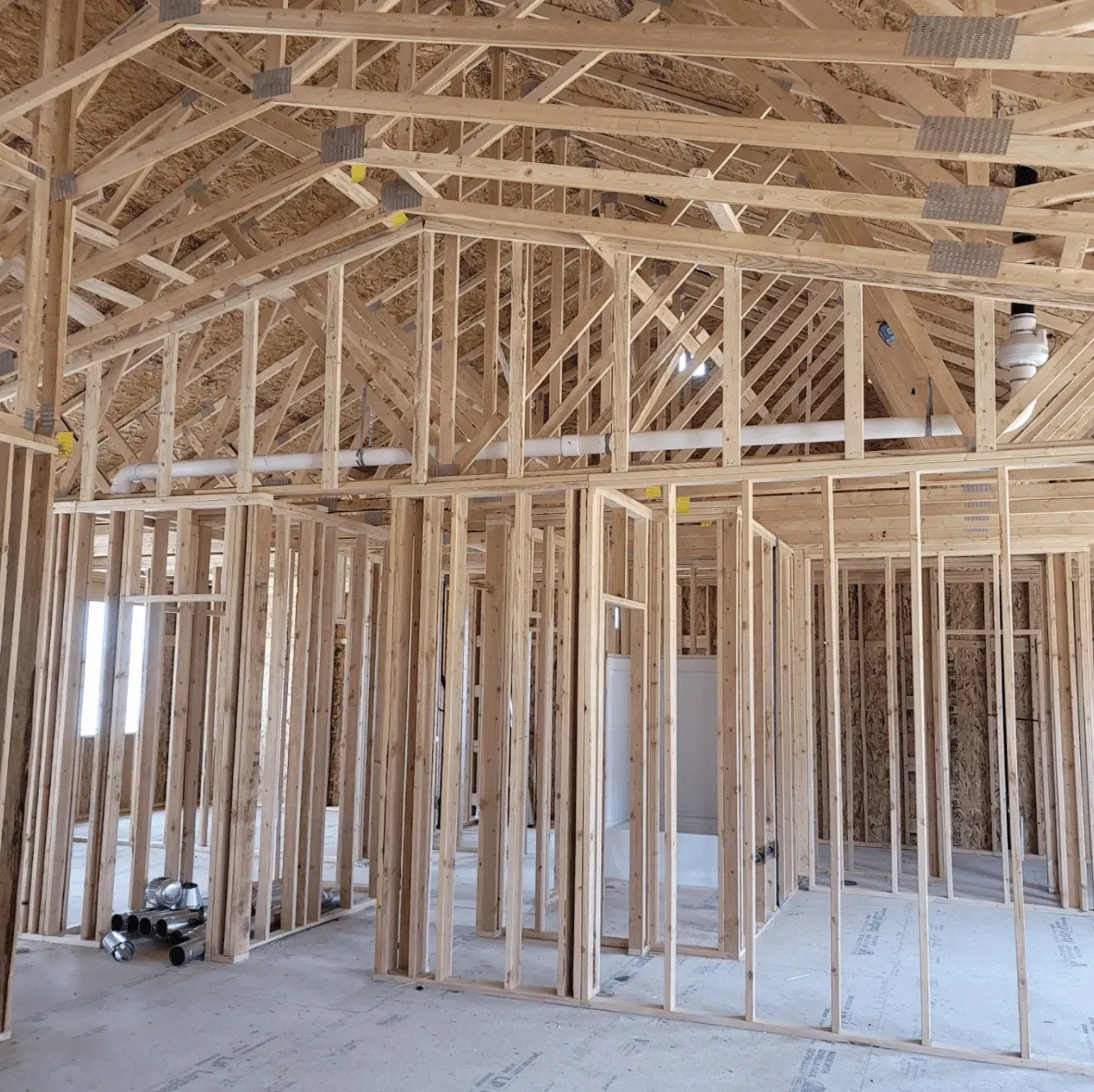
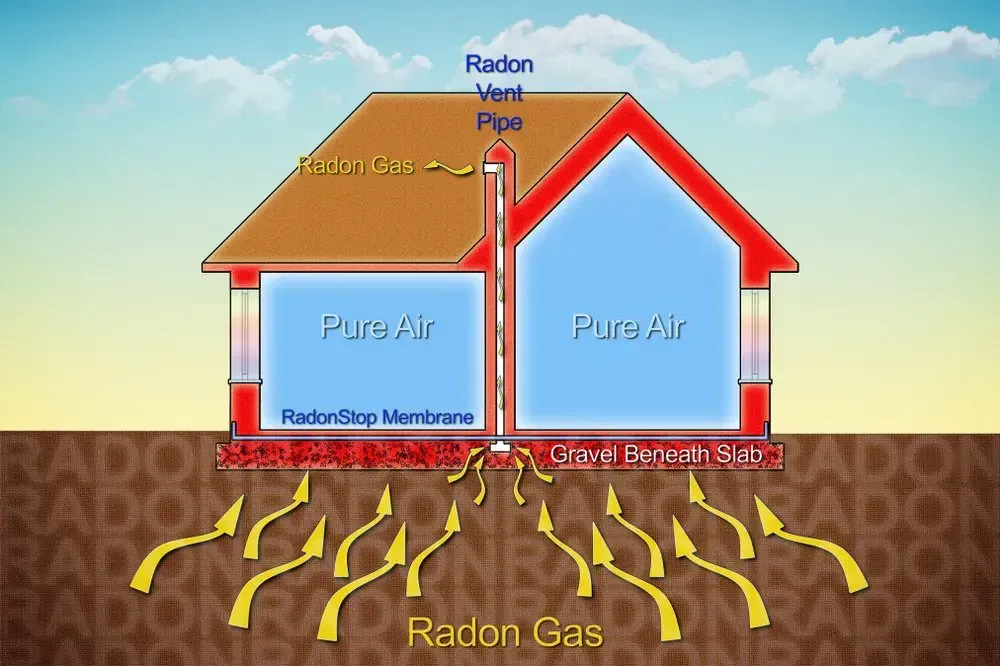
- Sub-slab Depressurization: A method that involves creating a vacuum under the house’s foundation to draw radon gas from beneath the building and vent it outside.
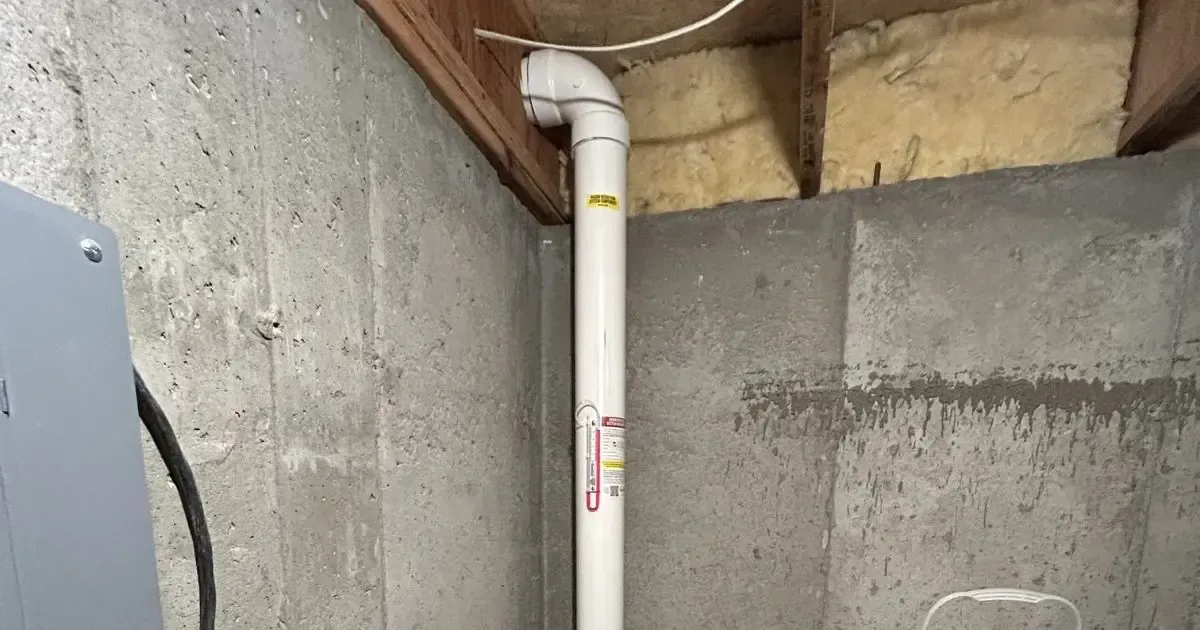
- Piping Systems: Discreet conduits that connect the sub-slab area to the exterior of your property, transporting the radon gas safely away from living areas.
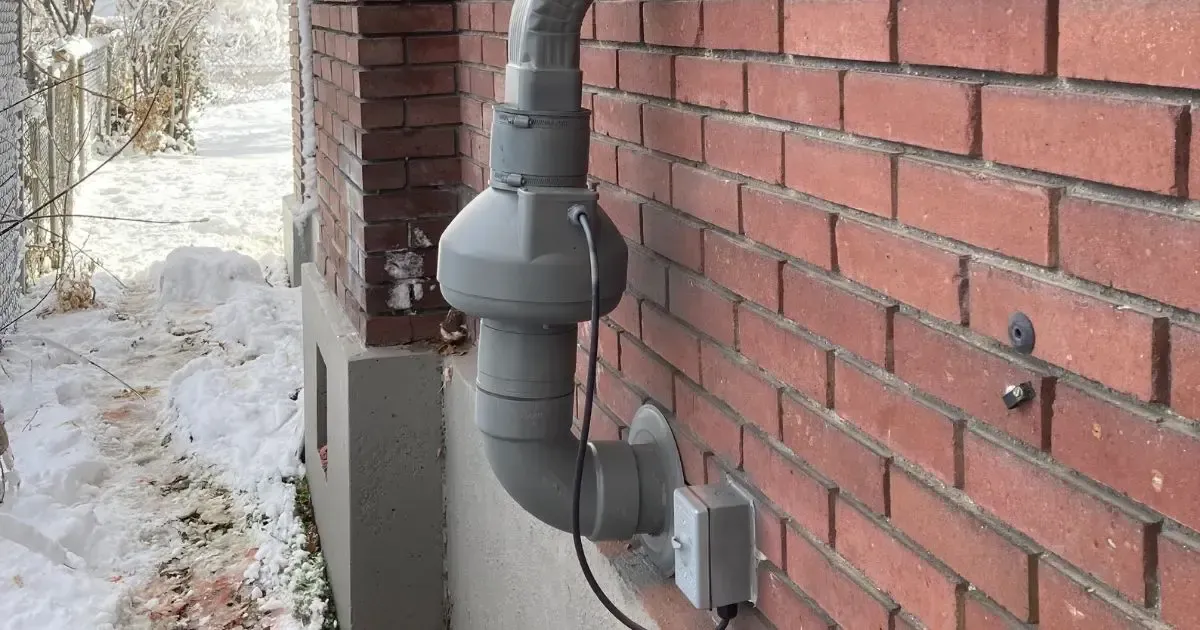
- Fan Systems: Specialized fans installed in quiet or inconspicuous locations that help maintain the necessary suction to move radon gas efficiently.
- Sealing Materials: High-quality sealants used to minimize the entry of radon gas through cracks and gaps in the foundation.
Each of these components plays a vital role not only in reducing radon levels but also in ensuring that the system is as unobtrusive as possible.
Design Strategies to Minimize Visual Impact
One of the major concerns for property owners is the aesthetic impact of utility systems. With increasing awareness about sustainability and design, companies now offer radon mitigation solutions that blend seamlessly with the building’s architecture. Here are some strategies used to ensure that your radon mitigation system has a low visual footprint:
Discreet Piping Routes
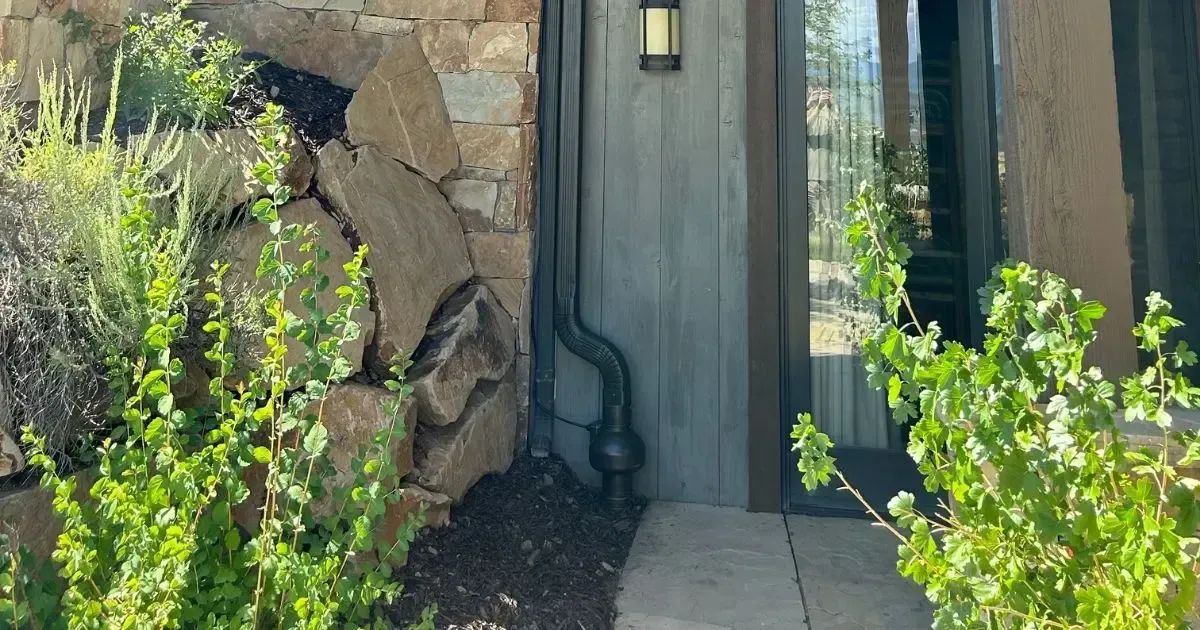
Instead of running bulky pipes along visible exterior walls, modern designs hide critical piping within existing architectural features or underground pathways, almost completely eliminating their visual presence.
Concealed Fan Installations
The fans, which are essential for creating negative pressure, are installed in locations that are not easily noticeable—such as within utility closets, garages, or specially engineered exterior enclosures that mimic the colors and textures of the building’s façade.
Customizable Grilles and Aesthetic Covers
For any parts of the system that must be visible, we offer customizable grilles that blend with your property’s design. These covers can be matched to your décor, ensuring they add to rather than detract from your property’s overall look.
At all stages of the design process, we work closely with property owners to ensure that the aesthetic impact is minimized while not compromising on the effectiveness of the radon mitigation system.
Professional Installation: Balancing Functionality and Aesthetics
An effective radon mitigation system goes beyond the design phase. The quality of installation directly influences the system’s performance and its integration into your property’s design. Our expert installation team is trained to work discreetly and efficiently, ensuring minimal disruption to your daily routine and property aesthetics.
Here are some benefits of professional installation:
Expert Assessment
Our professionals start with a comprehensive survey of your property to determine ideal locations for system components, ensuring structural integrity and aesthetic values are maintained.
Precise Installation Techniques
Using advanced tools and methods, our team installs each component with unparalleled precision, ensuring that no unsightly elements are left exposed.
Quality Assurance
Post-installation, we conduct rigorous checks to confirm the system is operating at optimal efficiency while meeting all safety and aesthetic standards.
After installation, we provide ongoing support to ensure your system continues to function optimally. This includes annual inspections and maintenance services.
Frequently Asked Questions
We understand that you may have several questions regarding radon mitigation and its impact on the appearance of your property. Below are some of the most frequently asked questions that we receive:
Will the radon system be noticeable?
Our approach focuses on minimizing visual impact. Through strategic placement of components and the use of custom-designed enclosures and conduits, the system remains discreet and integrates seamlessly with your property.
How long does installation take?
The duration of the installation varies depending on the complexity and size of the property. On average, most installations can be completed within one to three days, including thorough post-installation testing.
Can I customize the appearance of the system?
A: Absolutely. We offer a range of customization options, including matching grilles and covers to your exterior design, ensuring the mitigation system supports the aesthetic appeal of your property.
Is regular maintenance required?
Yes, periodic inspections and maintenance are essential to ensure the system continues to operate safely and efficiently. We provide ongoing maintenance services and offer guidance on how you can monitor the system between professional check-ups.
For more detailed inquiries, feel free to visit our
FAQ page or reach out to our support team.
Additional Considerations for Home Safety and Design
While radon mitigation is critical, it is just one aspect of home safety and design. As homeowners become more proactive about protecting their living spaces, integrating various safety and efficiency upgrades becomes an essential part of property management. Here are additional tips to complement your radon mitigation system:
- Indoor Air Quality Improvements: Consider installing air purifiers and enhanced ventilation systems to keep pollutants at bay.
- Energy Efficiency Upgrades: Sealing and insulating your home not only helps to prevent radon intrusion but also reduces energy costs and improves overall comfort.
- Smart Home Enhancements: Integrate your radon system with home automation systems to monitor air quality and energy usage remotely.
- Regular Home Inspections: Professional home inspections can identify potential safety issues early, allowing you to address them before they escalate.
Each of these strategies works in tandem with a well-designed radon mitigation system to enhance both the safety and aesthetic value of your home.
Final Thoughts
The journey to creating a safe and healthy home begins with making informed decisions. Radon mitigation is not only about reducing exposure to a potentially harmful gas, but it’s also about ensuring that the steps you take to protect your home do not detract from its overall beauty and design. Our comprehensive approach to radon mitigation integrates advanced technology, customized design, and skilled installation practices to provide you with a solution that’s as aesthetically appealing as it is effective.
Remember, your home’s safety and style are not mutually exclusive. With our expert design and installation techniques, you no longer have to choose between protection and visual appeal. Let us help you create a home environment that reflects your values of holistic living, ensuring that every component of your property works together in harmony.
For more detailed guidance, expert advice, and personalized radon mitigation solutions, do not hesitate to get in touch. Our dedicated team is here to provide you with all the information and support you need to make the best decisions for your home.
Experience the difference of radon mitigation solutions that prioritize both safety and style. Join the growing number of homeowners who have successfully integrated these systems and enjoy peace of mind along with a beautifully preserved property.
For further details or to schedule a consultation, please
reach out to our team and take the first step towards a healthier and more beautiful home.
Get a Free Quote
![Blue periodic table tile for radon, element 86, with symbol Rn and mass [222].](https://le-cdn.hibuwebsites.com/09c3a4288d5947b58ca8220076f73b94/dms3rep/multi/opt/radon-periodic-table-rn-86-radon-be-gone-1920w.webp)