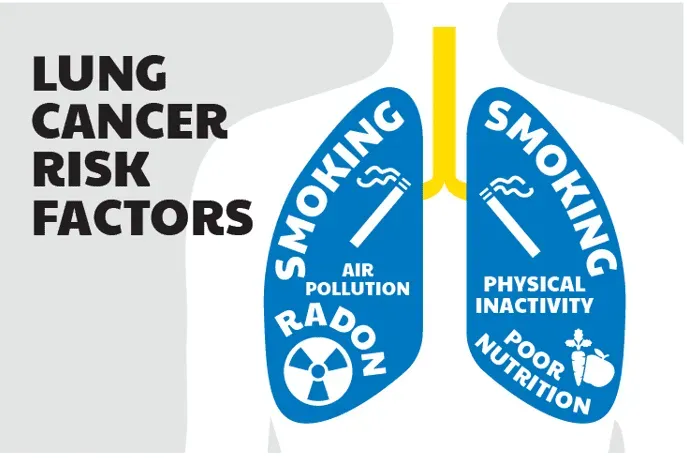
Radon gas is one of the most common indoor air pollutants and a known carcinogen. Whether your home features a basement, crawl space, or slab foundation, understanding the potential risks and the means to mitigate them is essential. This page provides a comprehensive guide to radon mitigation for various foundation types, detailing the specifics of each situation and offering authoritative advice on ensuring your home remains a safe environment.
Get a Free Quote
Understanding Foundation Types and Their Challenges
Different foundation types introduce unique challenges when it comes to radon mitigation. The three primary foundation types include:
- Basements: Traditional underground spaces that are more vulnerable due to more direct contact with the soil.
- Crawl Spaces: Areas with limited headroom that are often poorly ventilated, increasing the risk of radon accumulation.
- Slab Foundations: Homes built directly on a concrete slab, where radon must be managed through innovative solutions since the structure’s design differs significantly from that of full basements.
Each type requires a tailored approach to mitigate radon effectively. Below we detail mitigation techniques specific to these common foundation types.
Radon Mitigation for Basement Foundations
Basements are among the most common locations where elevated radon levels occur. Their proximity to soil and the potential for multiple points of entry make them particularly vulnerable. The following sections outline effective strategies for mitigating radon in basement environments.
Basement Radon Entry Points and Sealant Application
One of the most effective steps in basement radon mitigation is sealing cracks and openings. This reduces the potential for radon infiltration from the surrounding soil into the living spaces.
Consider the following approach:
- Begin with a thorough inspection of your basement to identify any cracks in the foundation wall or floor.
- Use specialized radon sealants designed for concrete to block these entry points effectively.
- Ensure that floor-wall junctions are also sealed, as these can be common pathways for radon gas.
Installation of Active Soil Depressurization Systems
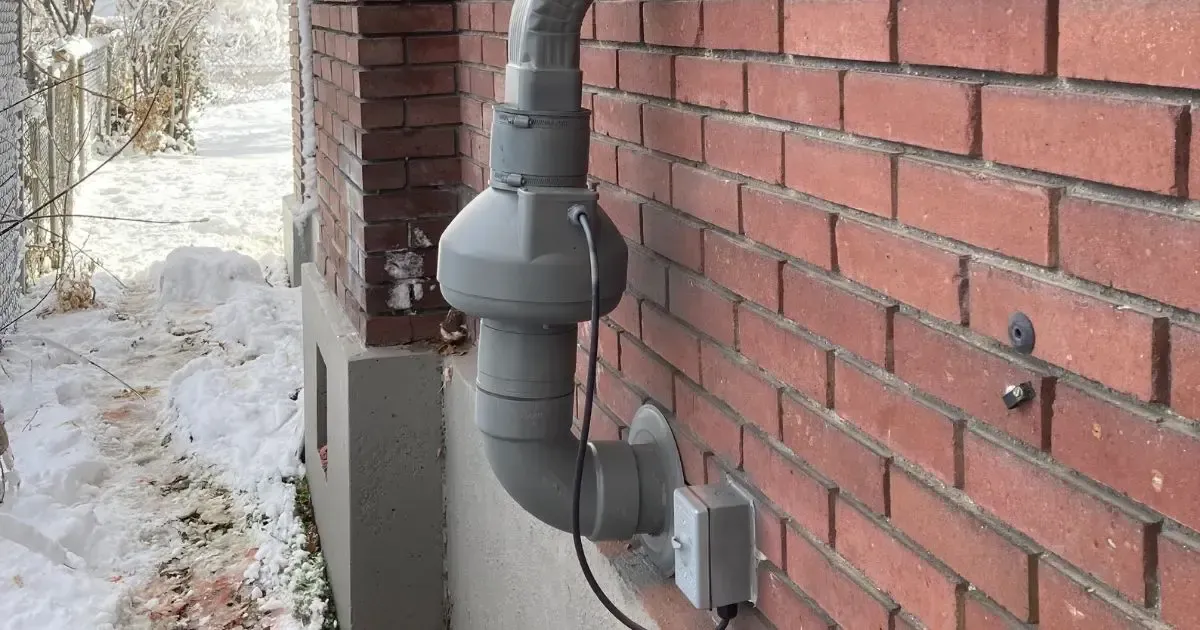
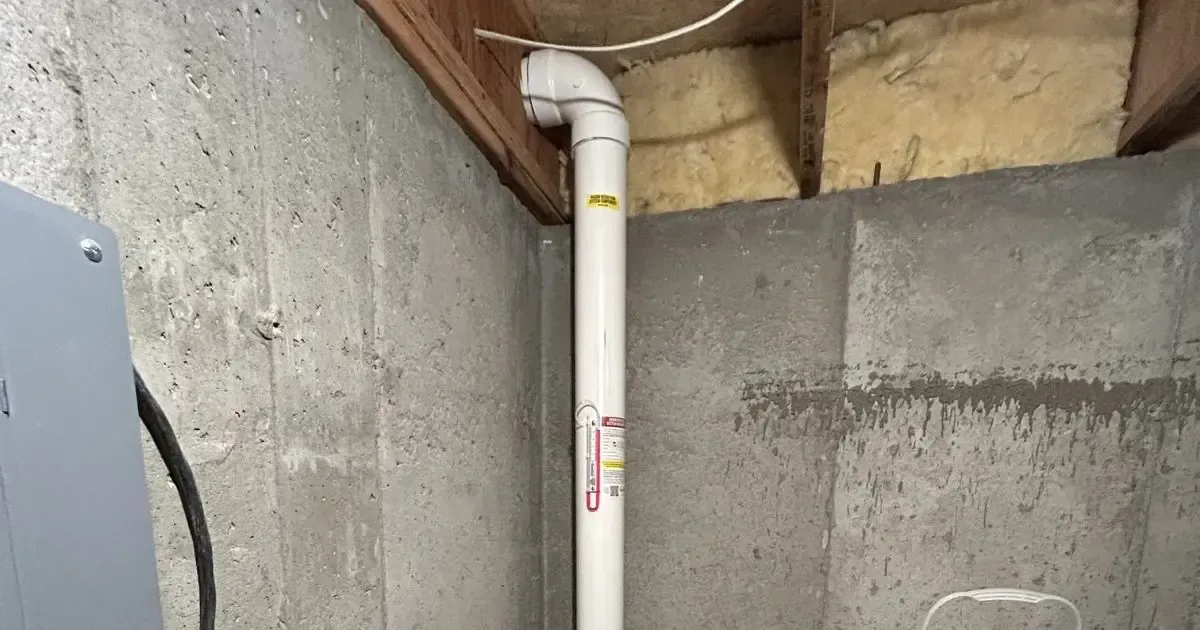
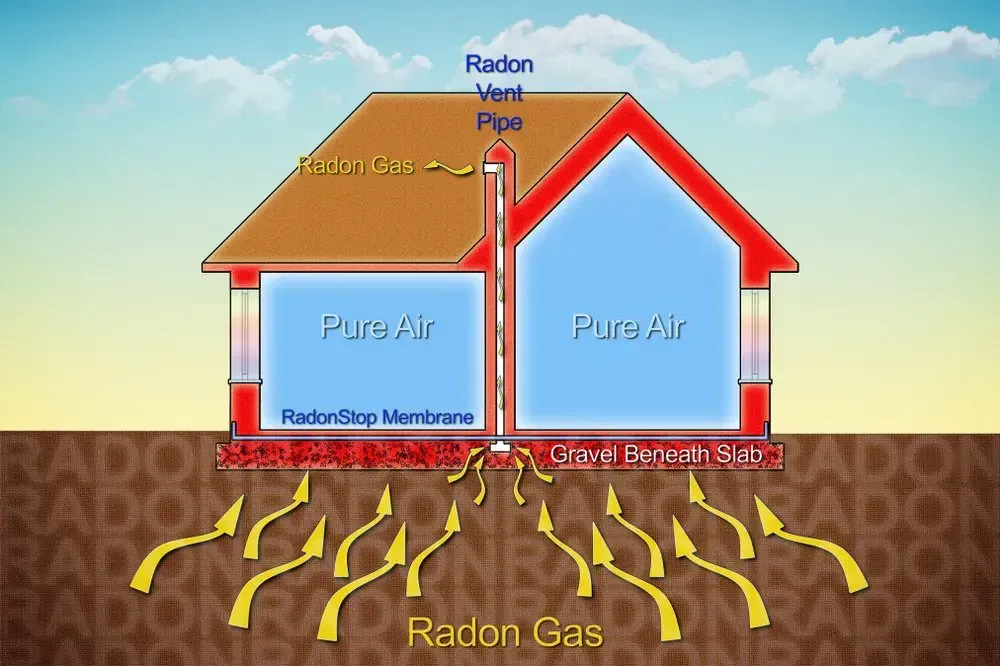
Active soil depressurization (ASD) is a highly effective mitigation system that involves the installation of a vent pipe system. This system draws radon from beneath the home and discharges it safely above the roofline, where it disperses into the atmosphere.
The installation process typically involves the following steps:
- Identify: Determine the optimal location for the vent pipe by consulting with a professional who can map out the radon pathways under your home.
- Install: Use a
fan and vent system that is compatible with your basement’s layout, ensuring minimal disruption to your living space.
- Monitor:
Regularly check the system’s performance and conduct periodic radon tests to ensure optimal operation.
This method is particularly effective in basements because it addresses the issue at the source. Homeowners interested in this solution are encouraged to contact our team for a detailed consultation and professional installation of an ASD system.
Radon Mitigation for Crawl Spaces
Crawl spaces present a unique set of challenges. Their limited accessibility and ventilation make them hotspots for radon accumulation. This section discusses specialized strategies designed to address these challenges.
Crawl Space Encapsulation
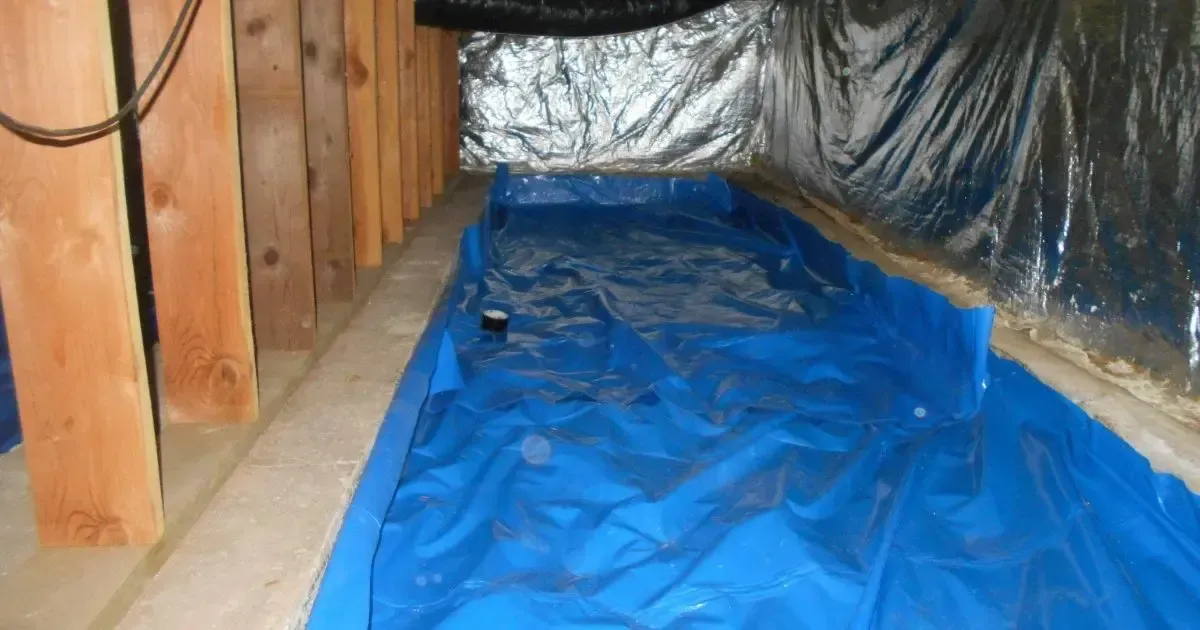
Encapsulation of your crawl space is an effective method to control radon entry. This involves covering the space with a high-quality vapor barrier that not only blocks radon from migrating into your home but also prevents moisture buildup which can exacerbate the problem.
Key steps for successful crawl space encapsulation include:
- Cleaning: Remove debris and ensure the crawl space is free from mold or moisture issues before applying the vapor barrier.
- Sealing: Seal all vents, cracks, and gaps where radon could enter. This is particularly important around utility lines and access points.
- Installation: Lay a durable, moisture-resistant vapor barrier that covers the entire floor and extends up the walls.
This process not only reduces radon entry but can also improve energy efficiency by creating a more stable environment within the crawl space. Homeowners may consider visual aids like diagrammatic representations of a properly encapsulated crawl space to better understand the procedure.
Ventilation Improvements
Improving ventilation in the crawl space can also help reduce radon concentrations. While the encapsulation method works to block radon entry, enhancing air circulation ensures that any radon that does penetrate the barrier does not accumulate.
Consider implementing these strategies:
- Install a mechanical ventilation system that actively circulates air.
- Ensure that the ventilation system works in tandem with the encapsulation process.
- In some cases, fans may be used to directly vent the crawl space air outside, further reducing radon levels.
Radon Mitigation for Slab Foundations
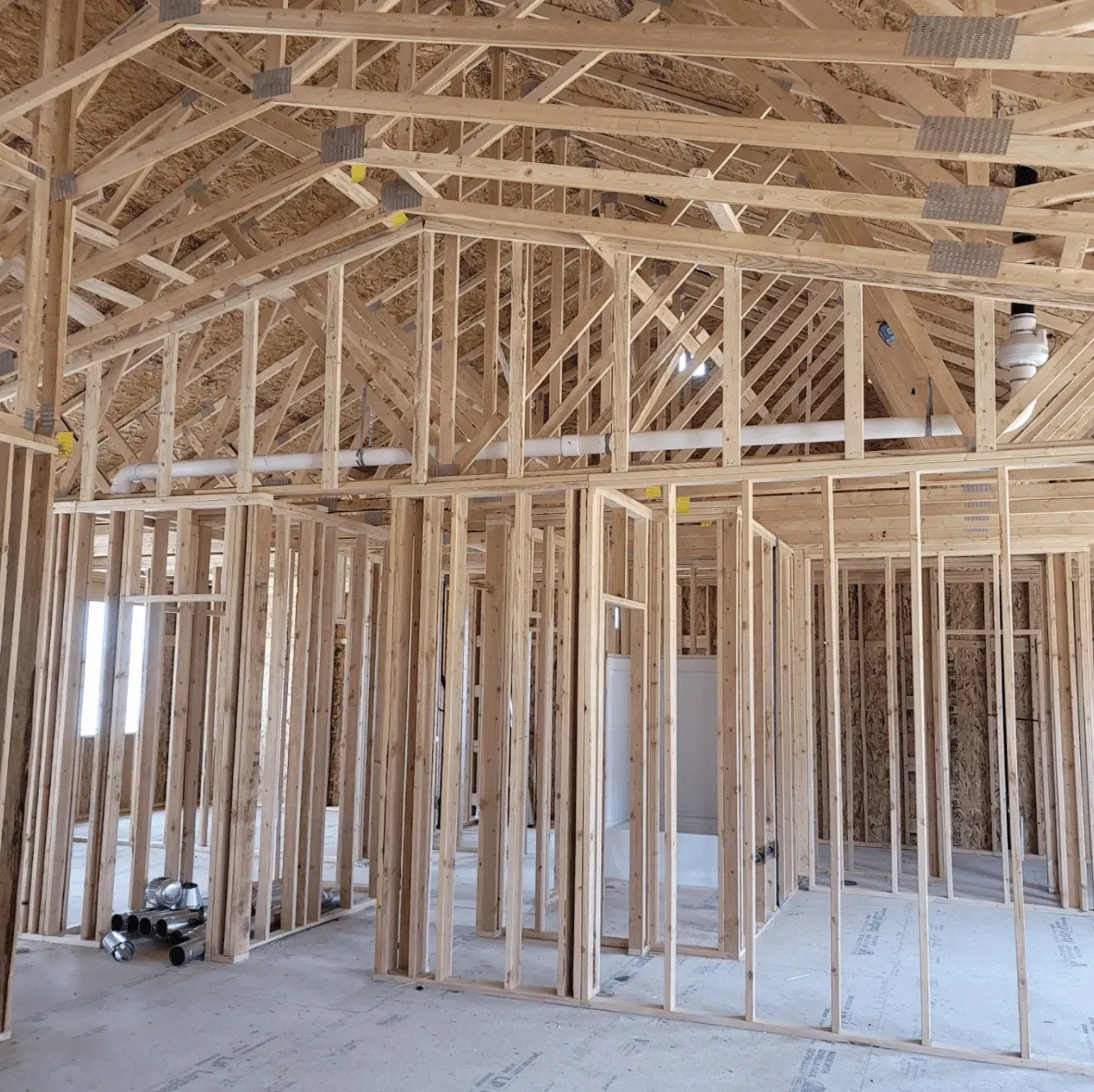
Homes built on slab foundations require a different approach, as the radon mitigation system must be integrated into a structure where the living space is directly above the concrete slab. This design offers limited access under the structure, demanding innovative and discreet solutions.
Radon-Resistant Construction Methods
For
new constructions, integrating
radon-resistant features during the building phase is highly recommended. These methods include:
- Sub-slab Depressurization: Incorporate a passive sub-slab depressurization system by installing a layer of gas-permeable material beneath the slab and a passive vent pipe system. This method allows for a natural release of radon into the atmosphere.
- Sealing Techniques: Ensure that the concrete slab is thoroughly sealed, particularly around any openings for utilities or plumbing. A robust sealant prevents radon from seeping into the indoors.
By
designing homes with radon mitigation in mind from the start, builders can significantly reduce the future risks associated with radon exposure. For homeowners planning new construction, our team offers consultation services to integrate these systems effectively.
Retrofitting Existing Slab Foundations
If you already reside in a home with a slab foundation, retrofitting may be necessary. Retrofitting involves installing systems that can actively remove radon even after the home has been built. Consider the following measures:
- Sub-Slab Ventilation: Similar to active soil depressurization used in basements, this involves drilling small holes in the slab for sub-slab air collection. A vent pipe and fan system then remove the radon gas.
- Air Sealing: Identify and seal cracks or gaps in the slab to minimize radon entry. Professional assessment is often required to ensure all potential entry points are addressed.
- Monitoring: After the retrofitting process,
periodic radon testing is crucial to confirm the system’s effectiveness and adjust mitigation measures as needed.
Professional installation is often recommended for retrofit solutions due to the complexities involved. Contact us today to schedule an assessment and receive expert guidance tailored to your home’s unique structure.
Additional Considerations for Effective Radon Mitigation
Implementing any radon mitigation strategy requires a clear understanding of your home’s overall layout, occupancy patterns, and local geological conditions. The following additional considerations can enhance the effectiveness of your radon mitigation system:
- Regular Testing and Monitoring: Even after installing a mitigation system, continuous monitoring is imperative. Consider annual or bi-annual testing to ensure radon levels remain within safe limits.
- Professional Consultation: Different foundation types and varying home designs may necessitate a combination of mitigation techniques. Professional consultation will help identify the best strategy for your situation.
- Maintenance and Inspection: Establish a routine maintenance schedule for any installed systems. This includes cleaning filters, checking seals, and ensuring that fans and ventilation systems are operating efficiently.
By remaining proactive about radon mitigation, homeowners can not only protect their families from the
health risks associated with radon but can also enjoy peace of mind knowing that their homes are maintained to the highest safety standards.
Frequently Asked Questions
Here are some common questions homeowners may have about radon mitigation:
How Does Radon Enter a Home?
Radon seeps into homes through cracks and openings in the foundation, water supply lines, and other entry points where soil meets the structure.
Are Radon Mitigation Systems Noticeable?
Most systems, such as active soil depressurization or encapsulation, are designed to be unobtrusive. They can be installed without significant modifications to your home’s aesthetic.
How Long Does it Take to See a Reduction in Radon Levels?
After installing a mitigation system, you might observe a noticeable reduction in radon levels within a few weeks, though regular monitoring is recommended to ensure long-term effectiveness.
What Maintenance is Required for These Systems?
Regular inspections, annual radon tests, and occasional servicing of mechanical components are generally recommended to maintain system performance.
Conclusion
Radon mitigation is a critical home improvement that protects the health and well-being of your family. No matter what foundation type your home possesses—be it a basement, crawl space, or slab—the strategies outlined above offer effective solutions to reduce radon levels and minimize risk.
Understanding your home’s specific layout and potential radon entry points is key to selecting the best mitigation strategy. By sealing entry points, employing active depressurization systems, encapsulating crawl spaces, and retrofitting slab foundations, you can create a safer living environment. Our comprehensive approach, backed by years of professional experience, ensures that you receive the highest quality service tailored to your home’s unique needs.
Protect your investment and your health by taking radon mitigation seriously. Remember, an initial radon test and periodic follow-up tests are crucial for ensuring that the mitigation measures remain effective over time. Regular monitoring, combined with professional maintenance, will help secure your home against the silent threat of radon.
For more details and to get started on securing your home, please do not hesitate to
contact us. Our team of experts is ready to provide you with a free consultation and a detailed assessment of your home’s radon situation.
Your safety is our priority. Trust our expertise for professional, reliable, and long-lasting radon mitigation solutions, and enjoy the peace of mind that comes from knowing your home environment is protected.
Get a Free Quote
![Blue periodic table tile for radon, element 86, with symbol Rn and mass [222].](https://le-cdn.hibuwebsites.com/09c3a4288d5947b58ca8220076f73b94/dms3rep/multi/opt/radon-periodic-table-rn-86-radon-be-gone-1920w.webp)