August 10, 2026

Radon System Maintenance in Utah: What Homeowners Need to Know

Author

Date

August 10, 2026

Share

Radon System Maintenance in Utah: What Homeowners Need to Know

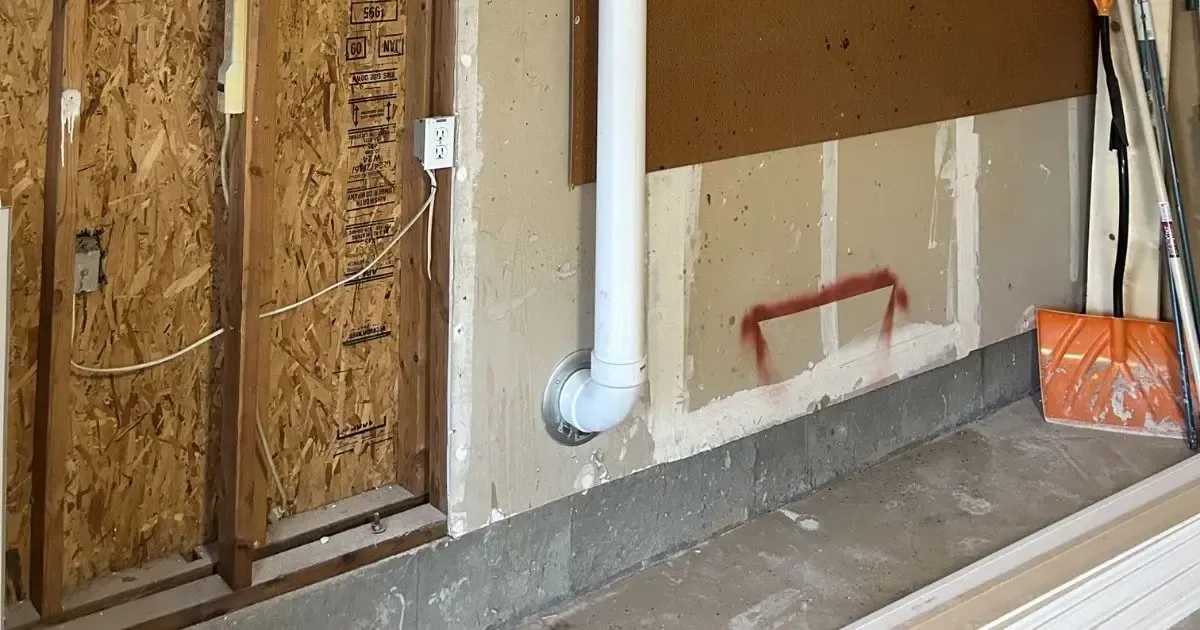
Exposed interior wall framing with white PVC pipe, red wiring, and unfinished concrete floor baseboard line.

A radon mitigation system works around the clock. The fan runs day and night, every season, for years, pulling radon gas out from under your foundation before it ever reaches the air your family breathes. Most homeowners install the system, hear it humming in the basement, and never think about it again.


That’s usually fine. Until it isn’t.


Fans wear out. Pipes shift. Seals crack. And because radon has no smell, no color, and no taste, a failing system rarely announces itself. Your home could sit above the EPA’s action level for months before anyone notices, unless the system is checked and maintained on a schedule.


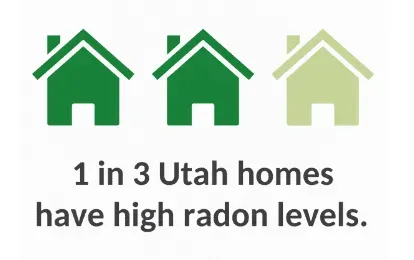
In Utah, where roughly 1 in 3 homes tests above the EPA action level of 4 pCi/L, that gap in awareness carries real weight. This guide breaks down what radon system maintenance actually involves, what fan replacement and repairs cost, and how often Utah homeowners should schedule service. If you already have a system in place, our pillar guide on checking your radon system walks through the things to look at yourself between professional visits.


Get a Free Quote


What Professional Radon System Maintenance Actually Involves

A homeowner can do a quick visual check in five minutes. A full maintenance visit goes deeper, and it’s the difference between hoping your system works and knowing it does.


When a certified technician services a radon mitigation system, the visit typically covers:


  • Fan performance testing. Measuring actual suction at the pipe, not just listening for a hum.
  • Pressure verification. Reading the manometer against the system’s baseline pressure, not just checking for a difference.
  • Piping and seal inspection. Checking every joint, coupling, and slab penetration for leaks or cracks.
  • Electrical connection review. Corrosion and loose wiring cause more silent failures than most homeowners realize.
  • Sump lid and sub-slab seal checks. An unsealed sump pit can undercut an otherwise healthy system.
  • Post-service radon testing. Confirming the numbers, not just the equipment.


This level of service matters most for
residential and commercial properties where a system has been running for several years, and for new construction systems that were designed passively and may need activation as the home settles. Radon Be Gone technicians hold NRPP and AARST certification, and every maintenance visit follows the same documented process. It doesn’t matter if the system was installed by our team or another contractor.


Radon Fan Replacement: Signs, Timeline, and What It Costs in Utah

The fan is the hardest-working part of any active radon system, and the part most likely to need replacement first.


Signs Your Radon Fan Needs Attention

  • A sudden change in sound, humming turned to grinding, rattling, or whining
  • The manometer fluid sitting level on both sides instead of offset
  • A noticeable drop in airflow at the exhaust pipe
  • Visible corrosion or moisture damage around the fan housing
  • The fan is more than 7 to 10 years old, with no prior replacement


Most radon fans last
5 to 12 years, depending on the model, climate, and how continuously it runs. Utah’s temperature swings, from below-freezing winters to hot, dry summers, add extra stress on fan motors and seals compared to milder climates. Our guide on how to tell if your radon fan is working covers the exact checks to run before calling for service.


What Fan Replacement Costs

Nationally, fan replacement runs $200 to $600 including parts and labor, with the EPA citing an average closer to $200 to $350. Utah pricing tends to land in a similar range, though attic-mounted fans, multi-suction-point systems, and difficult access can push costs higher. A straightforward exterior fan swap on a single-fan system is usually the fastest and least expensive repair a radon system will ever need.


Replacing a fan yourself is possible if it sits at ground level with an accessible disconnect switch. Attic-mounted fans or systems tied into complex piping should go to a licensed technician. Faulty wiring near a continuously running fan is not a place to guess.


Common Radon System Repairs Beyond the Fan

Fan failure gets the most attention, but it’s not the only thing that can quietly compromise a system.


Piping and Seal Problems

Cracked or disconnected piping. PVC piping exposed to UV light on the exterior of a home can become brittle over years of sun exposure. Interior joints can loosen from foundation settling. Either way, a break in the pipe means suction escapes before it ever reaches the fan.

Manometer and gauge failures. The small U-tube gauge on your system is the fastest way to check function at a glance, but it can fail on its own. A stuck or empty manometer gives a false reading in either direction.

Sump lid and slab seal breakdown. Caulking and gaskets dry out over time. A cracked seal around a sump pit or slab penetration lets radon bypass the system entirely, even with a fan running perfectly.


Electrical and Monitoring Problems

Electrical issues. Tripped breakers, loose junctions, and worn wiring cause more “mystery” system failures than any mechanical part. Technicians often mistake this for fan failure when the fan itself is fine.


Alarm and monitor malfunctions. Systems with digital alerts or continuous monitors need their own occasional service. A monitor that stops reporting is a maintenance issue on its own, separate from the mitigation system it’s watching. Error codes, elevated retest results, or a system that seems to run without performing are all signs worth investigating. Our troubleshooting guide is a useful next step before scheduling a visit.


What Radon System Maintenance Costs in Utah

Ongoing costs break down into these categories:
Service Typical Cost
Electricity to run the fan $50–$100 per year
Fan replacement $200–$600
Minor repairs (seals, manometer, wiring) $150–$400
Post-service radon retest $20–$100
Full system repair for older or complex layouts $500–$1,000+

Compare that to the cost of doing nothing. A silent failure means months of unmitigated radon exposure, a lower resale disclosure position if you sell your home, and eventually the cost of the same repair anyway, just delayed. For a full breakdown of new installation pricing in the Salt Lake area, see our guide on radon mitigation costs in Salt Lake City.


Radon Be Gone Service Areas Across Utah

Radon behaves differently depending on soil composition, elevation, and how a home sits on its foundation, all of which shift across Utah’s geography. We provide maintenance, fan replacement, and repair services throughout Utah, including Salt Lake City, West Jordan, Sandy, Draper, Provo, Orem, Ogden, and the broader Salt Lake, Utah, Davis, and Weber County areas. If you’re not sure your property falls within our service radius, contact us and we’ll confirm before you schedule anything.


Scheduling Radon System Maintenance: A Simple Process

Radon mitigation isn’t required by state law for existing homes in Utah, though it is required for certain new construction and real estate transactions. That means maintenance is entirely on the homeowner to schedule, which is exactly why it gets missed.


A simple annual rhythm works for most homes:


  1. Monthly: Glance at the manometer. Takes ten seconds when you’re near the system.
  2. Annually: Order or run a radon test kit to confirm actual levels, not just fan function.
  3. Every 1 to 2 years, or at the first sign of a problem: Book a professional inspection.
  4. After any fan replacement, renovation, or foundation work: Retest within 30 days.

If you’d rather not track dates yourself, ask about a standing maintenance schedule when you call. Many homeowners set a reminder tied to a season change, since Utah’s freeze-thaw cycles are a common point of stress for exterior piping and seals. For the homeowner-side checklist between professional visits, our annual maintenance guide covers exactly what to look at and when.


Frequently Asked Questions


How often should a radon mitigation system be serviced in Utah?

A professional inspection every 1 to 2 years is a reasonable baseline, with a monthly glance at the manometer in between. Homes with older systems, past repairs, or elevated retest results should be checked more often.


How long does a radon fan actually last?

Most fans run for 5 to 12 years before needing replacement, though quality, climate, and duty cycle all affect that range. A fan exposed to Utah’s temperature extremes may show wear sooner than one in a milder climate.


Do I need to retest my home after fan replacement?

Yes. The EPA recommends retesting after any fan replacement or major system change, and again at least every two years even if nothing was replaced.


Can I do radon system maintenance myself?

Basic checks, like reading the manometer or listening for the fan, are safe for any homeowner. Fan replacement, electrical work, and piping repairs are best left to a certified technician, especially for attic-mounted systems.


What happens if I skip maintenance entirely?

Nothing, until it doesn’t. A failing system gives almost no warning signs without a working monitor or a test kit. Radon levels can climb back above the action level for months before anyone notices, which is the exact scenario routine maintenance is meant to prevent.


Is radon system maintenance required when selling a home in Utah?

Not automatically, but real estate transactions often bring elevated scrutiny on system function and documentation. A maintained system with a service log gives buyers and agents confidence, while an unmaintained one can slow down or complicate closing. Our real estate radon services page covers what to expect during a transaction.


Keep Your System Doing Its Job

A radon mitigation system only protects your home while it’s actually working. The fan wearing out quietly, the seal cracking behind a wall, or the manometer sitting untouched for years are all things that happen without a single obvious sign, until a test comes back high.


Radon Be Gone technicians are NRPP and AARST certified, and we service systems we installed as well as systems installed by other contractors across Utah. Your fan might be due for replacement. Your last test might be a few years old. Or you might just want a professional to confirm everything is running the way it should. Either way, we’re ready to help.


Schedule your radon system maintenance today or call (801) 510-8705 to speak with a certified technician.


Get a Free Quote


Order a Test Kit

Three house icons, one light green, with text: “1 in 3 Utah homes have high radon levels.”
August 11, 2026
Leading Cause of Lung Cancer in Utah: Smoking, Radon & Pollution
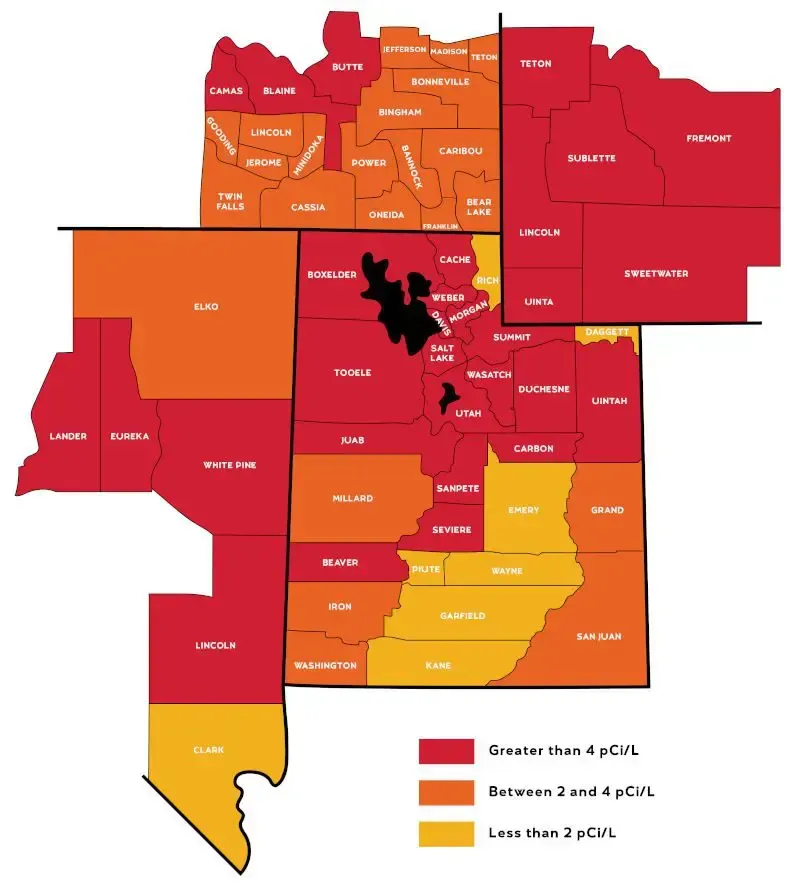
Color-coded Florida map with county-level heat shades and a legend from light yellow to red.
August 11, 2026
Utah Radon Map 
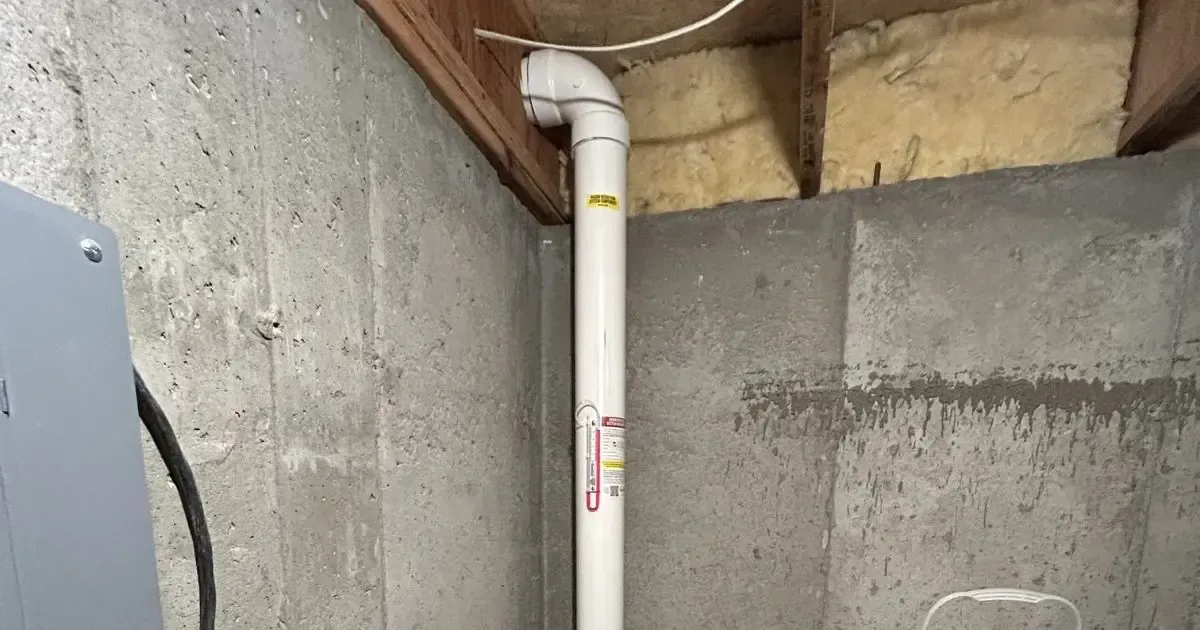
White PVC pipe with elbow joint in a concrete basement utility corner.
August 11, 2026
How to Check Your Radon System: Annual Maintenance Guide
Yellow radiation symbol with black “Rn” and gray “radon” text
August 11, 2026
Interesting Facts About Radon
Cross-section house diagram showing radon gas seeping from soil into a home through cracks and pipes.
August 11, 2026
Radon Vacuum Effect: Why Gas Enters Your Home
Blue periodic table tile for radon, element 86, with symbol Rn and mass [222].
August 11, 2026
Radon: Periodic Table RN 86
Interior of a house under construction with exposed wooden framing and trusses
August 11, 2026
Benefits of Building a New Home with a Radon Mitigation System
Infographic of lung cancer risk factors, showing smoking, air pollution, radon, physical inactivity, and poor nutrition in blue lungs.
August 11, 2026
Radon Causes Lung Cancer: Scientific Evidence & Prevention Guide
Welcome to Utah roadside sign against a rocky desert landscape under a blue sky
August 11, 2026
Utah Map for Radon: Testing Zones & High-Risk Areas Guide
Gray vent pipe and utility box mounted on a red brick wall beside a snowy outdoor path.
August 11, 2026
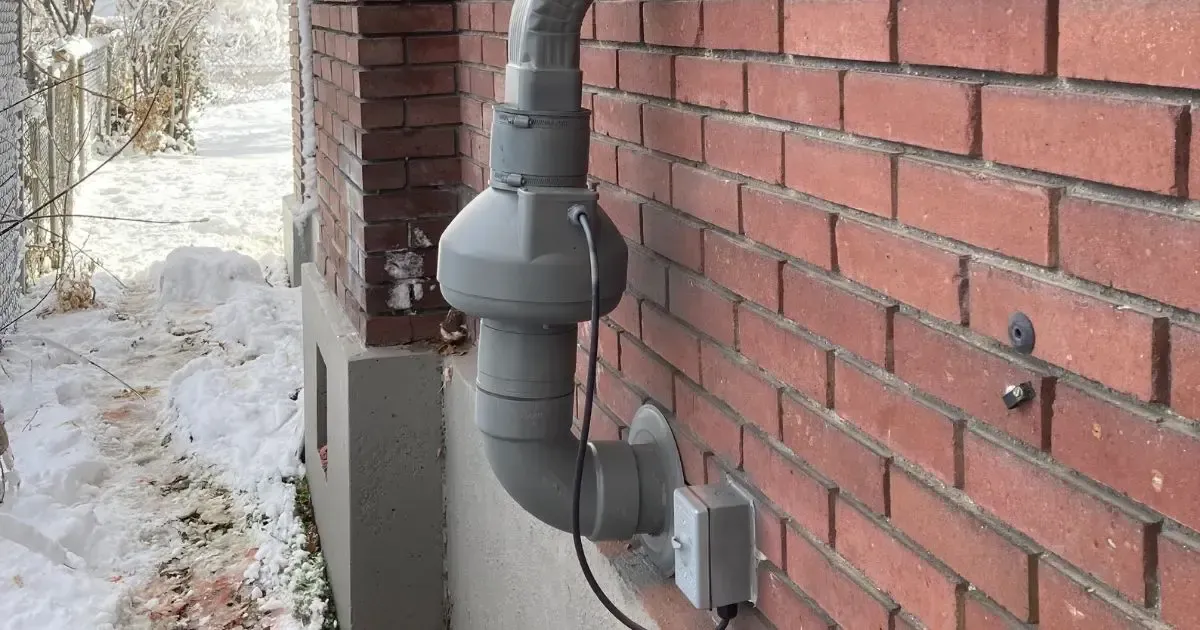
Radon Mitigation Utah: Expert Radon Services
Show More