When navigating the intricate landscape of real estate transactions, one critical aspect that often surfaces is the responsibility for radon mitigation. Radon, a naturally occurring radioactive gas, poses significant
health risks when present in elevated levels within homes. Determining who pays for radon mitigation—buyer or seller—is a vital consideration that can influence the smooth progression of a property sale.
In this guide, we’ll explore the key factors and strategies to effectively manage this responsibility, ensuring a safe and equitable transaction for all parties involved.
Get a Free Quote
The Importance of Radon Mitigation in Real Estate
In real estate transactions, the presence of elevated radon levels can significantly impact both the buyer and the seller. Mitigating radon is not just a health imperative but also a legal and financial consideration. Prospective buyers are increasingly aware of the
dangers of radon, and statutory regulations in some states may require testing and mitigation. Therefore, understanding who bears the cost of radon mitigation is crucial in ensuring a fair and successful property sale.
Who Typically Pays for Radon Mitigation?
The question of who pays for radon mitigation—buyer or seller—is not governed by a universal rule but is instead influenced by several factors, including local laws, market conditions, and the specifics of the property sale. Here are the general scenarios:
Seller Responsibilities:
- Disclosure Requirements: In many jurisdictions, sellers are legally obligated to disclose any known radon issues to potential buyers. Failure to do so can result in legal repercussions.
- Pre-Sale Mitigation: Sellers may choose to address radon issues before listing the property to enhance its marketability and potentially avoid renegotiations.
- Negotiation Leverage: In a buyer’s market, sellers might offer to pay for
radon mitigation as an incentive to attract buyers.
Buyer Responsibilities:
- Post-Sale Mitigation: Buyers may agree to take on the cost of radon mitigation as part of their purchasing terms, especially if the seller is unwilling or unable to address the issue.
- Contingency Clauses: Buyers can include radon mitigation clauses in their purchase agreements, specifying who is responsible for testing and mitigation costs.
Shared Costs:
- Negotiated Agreements: Often, buyers and sellers negotiate a split in the cost of radon mitigation, balancing their respective interests and market dynamics.
- Escrow Arrangements: Funds can be allocated in escrow to cover the costs of radon testing and mitigation, ensuring that both parties contribute fairly.
Factors Influencing Responsibility for Mitigation Costs
Several factors can influence whether the buyer or seller ultimately bears the cost of radon mitigation:
Local Regulations and Laws:
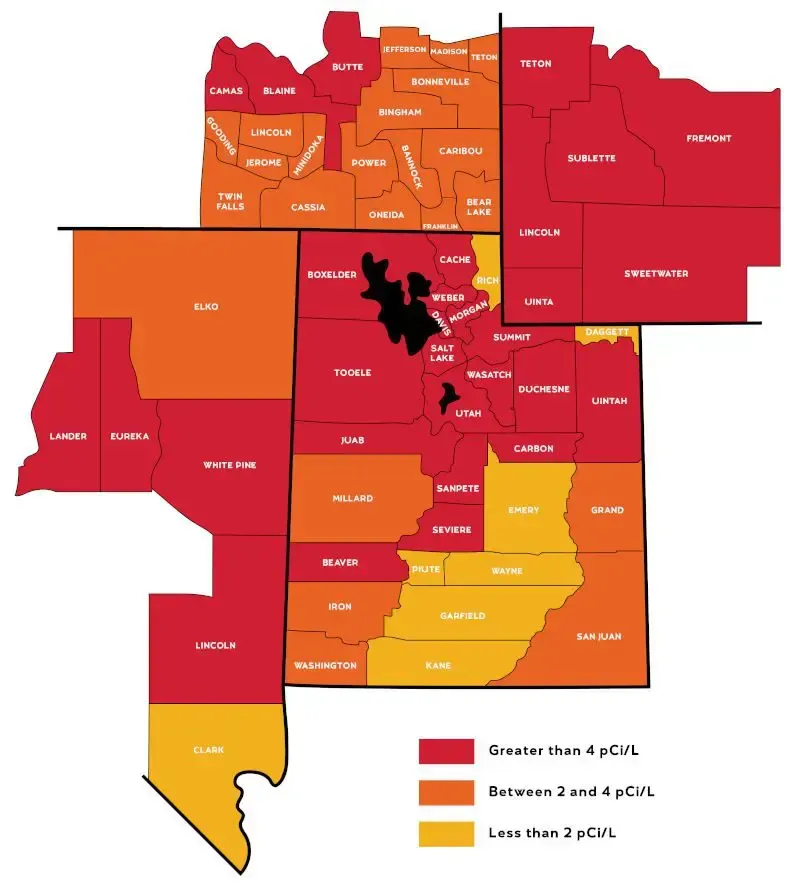
- State Requirements: Some states have specific laws mandating who must address radon issues in real estate transactions. In Utah, be sure to review
radon regulations that may apply to your sale.
- Reference to Local Agencies: Consulting local real estate authorities can provide clarity on legal obligations related to radon mitigation.
Market Conditions:
- Buyer’s Market vs. Seller’s Market: In a buyer’s market, sellers may find it necessary to cover mitigation costs to attract buyers, while in a seller’s market, buyers might be more inclined to accept these costs as part of the deal.
- Supply and Demand Dynamics: High demand with limited supply can shift the negotiation power towards the seller, potentially reducing their responsibility for mitigation costs.
Property Value and Condition:
- Impact on Property Price: If high radon levels significantly affect the property’s value, the seller might agree to cover mitigation to maintain the listing price. Learn more about
how radon can hurt resale value.
- Condition of the Property: Well-maintained properties may have lower radon levels, influencing the negotiation on who pays for mitigation.
Testing Results:
- Guaranteed Tests: Sellers who provide prior radon test results can negotiate better terms based on the findings.
- Post-Inspection Findings: If radon levels are uncovered during inspections, the negotiation on who pays for mitigation becomes more critical.
Get a FREE Quote
Strategies for Managing Radon Mitigation Responsibility
Successfully navigating the responsibility for radon mitigation requires strategic planning and clear communication between buyers and sellers. Here are some effective strategies:
Early Testing and Disclosure:
- Proactive Testing: Sellers can benefit from conducting radon tests before listing the property, providing transparency and building trust with potential buyers.
- Clear Disclosure: Transparently sharing the results of radon tests can streamline negotiations and prevent surprises during the transaction process.
Negotiation and Flexibility:
- Flexible Terms: Both parties should approach negotiations with flexibility, considering a range of solutions that include shared costs or adjusted sale prices to accommodate mitigation expenses.
- Win-Win Solutions: Aim for agreements that benefit both parties, such as the seller offering a credit towards closing costs to cover mitigation.
Utilizing Professional Services:
- Engage Certified Mitigation Contractors:
Professional mitigation services ensure effective and compliant radon reduction, which can facilitate smoother negotiations.
- Consult Real Estate Professionals: Experienced real estate agents can provide valuable guidance on market-specific practices and negotiation tactics.
Incorporate Mitigation Clauses in Contracts:
- Detailed Agreements: Clearly outline the responsibilities and financial obligations related to radon mitigation within the purchase agreement to avoid misunderstandings.
- Contingency Planning: Include clauses that address potential radon issues and the steps to be taken should they arise during the transaction.
Benefits of Resolving Radon Issues Promptly
Addressing radon issues promptly in a real estate transaction offers numerous benefits:
Health and Safety:
- Protecting Occupants: Resolving radon issues safeguards the health of future residents, including
children and pets who may be especially vulnerable to prolonged exposure.
- Compliance with Health Standards: Meeting health and safety standards can prevent legal liabilities and enhance the property’s reputation.
Enhanced Marketability:
- Attractive Listing: Homes that have been mitigated for radon are more attractive to buyers, potentially leading to quicker sales.
- Competitive Edge: Offering a radon-safe home can set the property apart in a crowded market.
Financial Savings:
- Avoiding Future Costs: Mitigating radon issues before the sale can prevent the need for price reductions or costly repairs post-sale.
- Increased Property Value: Proper radon mitigation can enhance the overall value of the property, justifying a higher sale price.
Legal Considerations in Radon Mitigation
Navigating the legal aspects of radon mitigation is essential to ensure compliance and protect the interests of both buyers and sellers:
Disclosure Laws:
- Seller Obligations: Many jurisdictions require sellers to disclose known radon levels or the absence of mitigation measures to prospective buyers.
- Consequences of Non-Disclosure: Failing to disclose radon issues can lead to legal disputes and potential financial penalties.
Regulatory Standards:
- EPA Guidelines: Adhering to EPA guidelines and
local radon regulations regarding acceptable radon levels and mitigation practices is crucial.
- Certification Requirements: Ensure that radon mitigation is performed by certified professionals to meet legal and safety standards.
Contractual Agreements:
- Clear Terms: Clearly define the responsibilities and obligations related to radon mitigation within the purchase agreement to enforce compliance.
- Legal Counsel: Consulting with legal professionals can provide clarity and ensure that all contractual terms are enforceable and fair.
Leveraging Professional Assistance
Engaging professionals can significantly ease the process of determining and managing radon mitigation responsibilities:
Real Estate Agents:
- Expert Negotiators: Experienced agents can advocate on behalf of their clients to negotiate favorable terms regarding radon mitigation.
- Market Insights: Agents possess valuable knowledge about local market conditions and common practices related to radon mitigation costs.
Certified Radon Mitigation Contractors:
- Accurate Assessments:
Certified contractors provide reliable radon testing and effective mitigation solutions tailored to the property’s specific needs.
- Documentation and Compliance: Professional contractors ensure that all mitigation work complies with regulatory standards and provide necessary documentation for the transaction.
Legal Advisors:
- Contract Review: Legal experts can review contracts to ensure that radon mitigation terms are clearly defined and legally binding.
- Dispute Resolution: In cases of disputes over mitigation costs, legal advisors can offer solutions and representation to protect their clients’ interests.
Get a Free Quote
Frequently Asked Questions (FAQs)
What is the acceptable radon level in a home?
The EPA recommends taking action to reduce radon levels if your home has a radon concentration of
4 picocuries per liter (pCi/L) or higher.
How much does radon mitigation typically cost?
The cost of radon mitigation varies based on factors like the property’s size, the severity of radon levels, and the chosen mitigation system, generally ranging from $800 to $2,500.
Can I sell my home without addressing high radon levels?
Yes, but disclosing the radon levels is legally required in many areas. However, not addressing high radon levels can deter potential buyers and impact your property’s marketability.
Is radon mitigation a one-time process?
Most radon mitigation systems require maintenance to ensure ongoing effectiveness.
Regular testing is recommended to monitor radon levels and system performance.
Do I need a professional for radon testing and mitigation?
Yes, certified professionals should conduct radon testing and install mitigation systems to ensure accurate results and effective reduction of radon levels.
Conclusion
Deciding who pays for radon mitigation—buyer or seller—is a nuanced process influenced by a variety of factors, including local laws, market conditions, and the specific circumstances of the property sale. By understanding these dynamics and employing strategic negotiation tactics, both buyers and sellers can navigate this responsibility effectively, ensuring a safe and successful real estate transaction.
Ready to ensure your home is radon-safe?
Get in touch with our experts today for professional radon testing and mitigation services tailored to your needs.
Get a Free Quote
![Blue periodic table tile for radon, element 86, with symbol Rn and mass [222].](https://le-cdn.hibuwebsites.com/09c3a4288d5947b58ca8220076f73b94/dms3rep/multi/opt/radon-periodic-table-rn-86-radon-be-gone-1920w.webp)