Radon gas is an invisible hazard that can seep into your home through the soil, jeopardizing the air quality and the health of your loved ones. A well-designed radon mitigation system employs multiple components, each working together to safely vent radon away from your indoor air. In this article, we will walk you through the essential parts of a radon mitigation system, explaining the function of each, and why every component is vitally important for protecting your home.
Whether you’re a homeowner seeking to learn more about radon safety or a property manager looking to safeguard multiple residences, understanding each part of this system will empower you to make informed decisions regarding radon protection. Below, we dive deep into the roles of the radon fan, vent pipes, sealing materials, monitoring components, and additional layers of protection.
Get a Free Quote
Understanding Radon and the Need for Mitigation
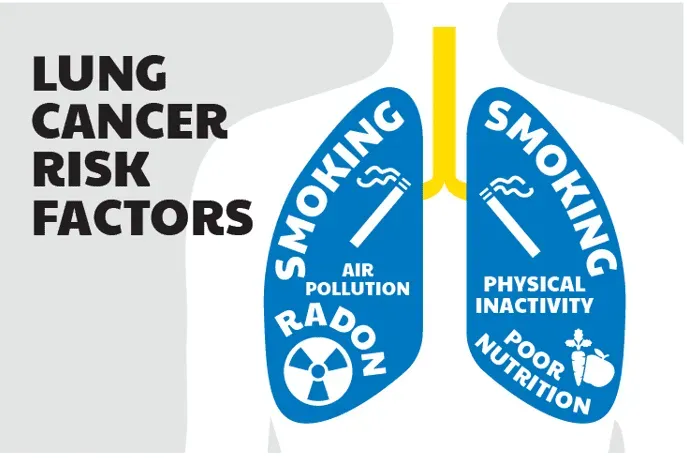
Radon is a naturally occurring radioactive gas that originates from the decay of uranium in the soil. When radon enters your home, it can accumulate within confined spaces. Prolonged exposure to elevated radon levels is linked to an increased risk of lung cancer. Because radon is colorless, odorless, and tasteless, its danger is often unnoticed until professional detection methods are applied.
Many experts agree that proactive radon mitigation is the most effective way to reduce indoor radon concentrations. In a properly installed mitigation system, several components work in unison to direct radon gas away from your home, ensuring clean, breathable air is maintained. Let’s break down each component in detail.
1. The Radon Fan – The Heart of the System
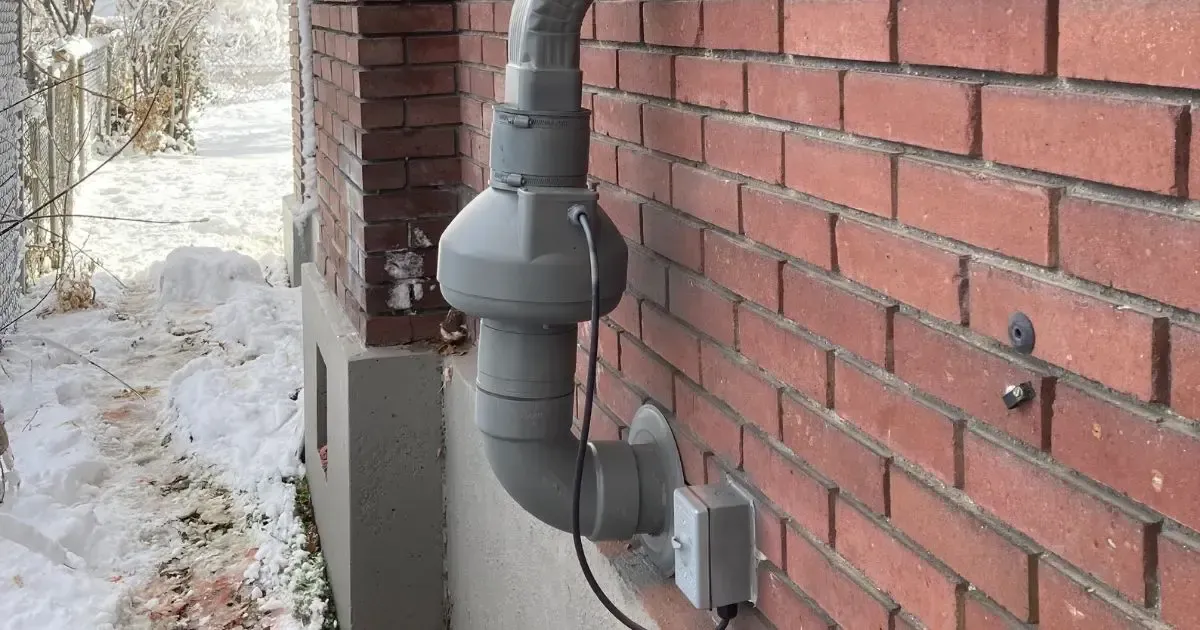
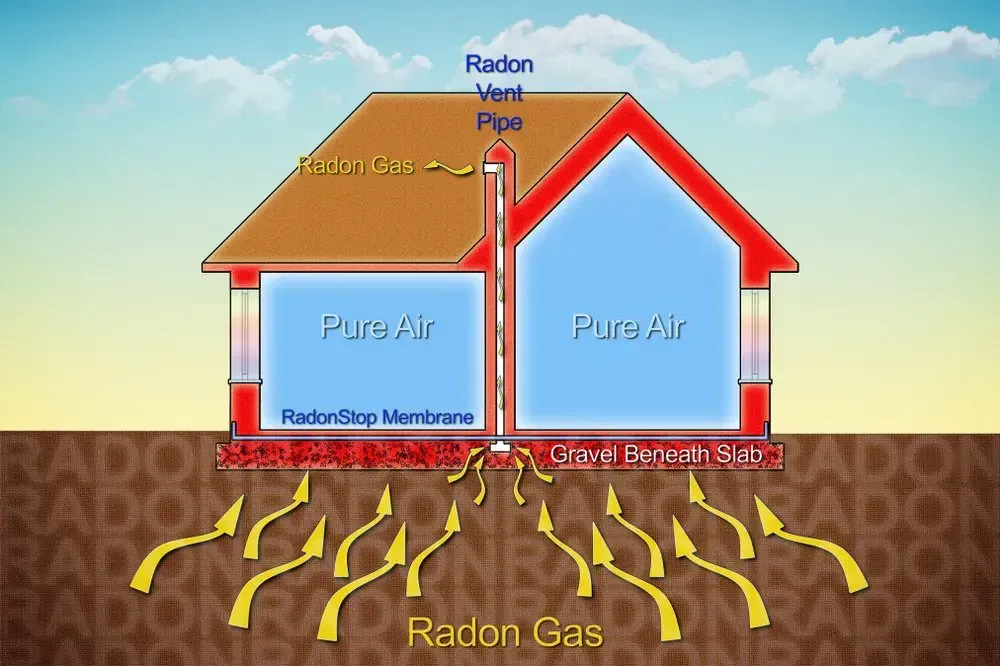
At the core of every radon mitigation system is the radon fan. This fan is specially designed to create a continuous flow of air, drawing radon gas from beneath your home and venting it safely outside.
Key features of a radon fan include:
- Designed with specialized motors to run continuously yet efficiently.
- Engineered to overcome resistance from long vent pipes and any obstructions.
- Built with weather-resistant materials to function reliably, regardless of outdoor conditions.
Installation of a radon fan is critical. Incorrect installation might reduce the efficacy of the entire system. That’s why many radon mitigation companies emphasize proper positioning, secure electrical connections, and regular maintenance. Many local codes require that the fan be installed in a location accessible for repair or replacement. Our experienced technicians ensure proper installation to optimize radon reduction and extend the system’s lifespan.
2. Vent Pipes – The Radon’s Express Exit
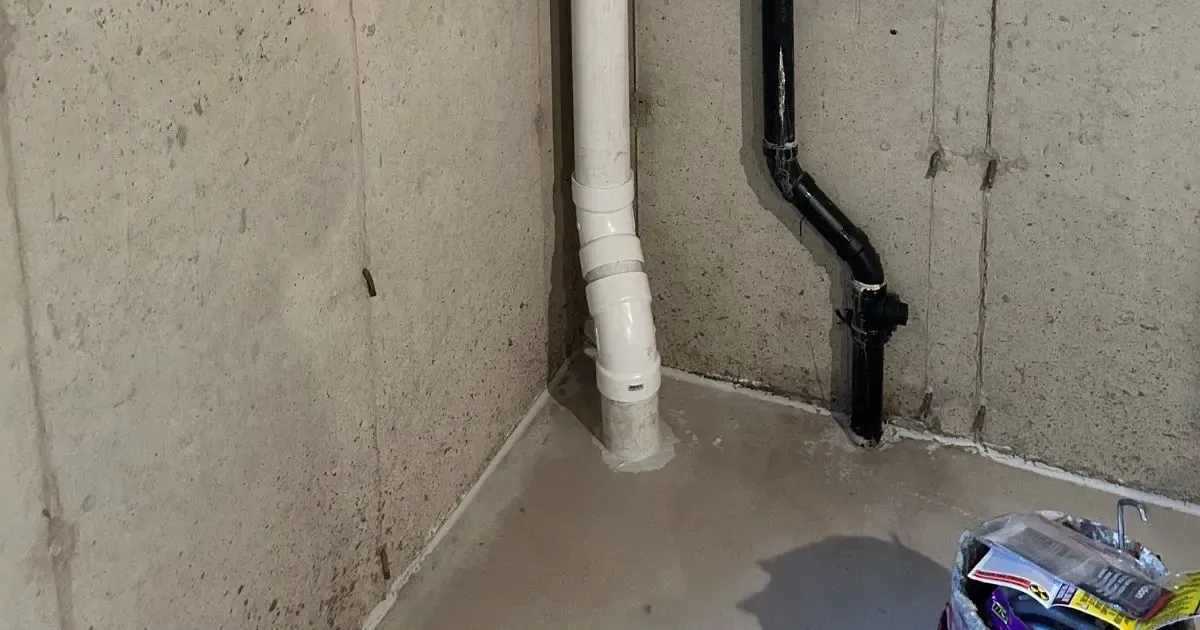
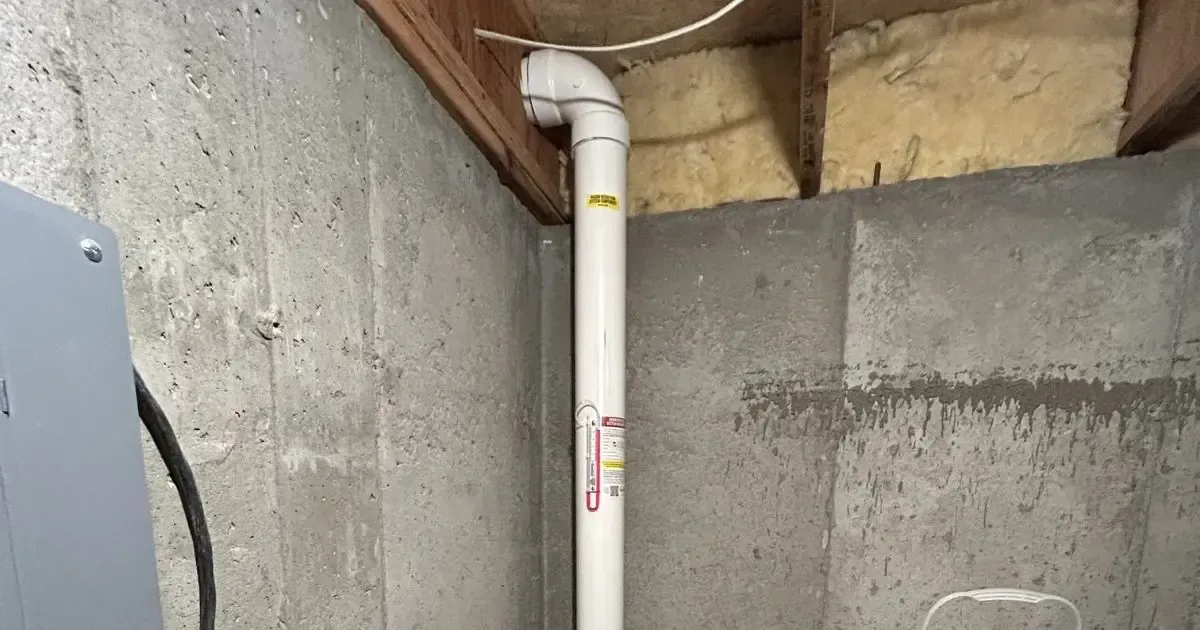
Once the radon fan creates negative pressure under the building foundation, radon gas must be routed safely out of the home. This is achieved using an interconnected network of vent pipes.
Characteristics of vent pipes include:
- Durable materials such as PVC or galvanized steel, ensuring longevity and resistance to corrosion.
- Sufficient diameter to maintain smooth airflow length necessary for effective radon removal.
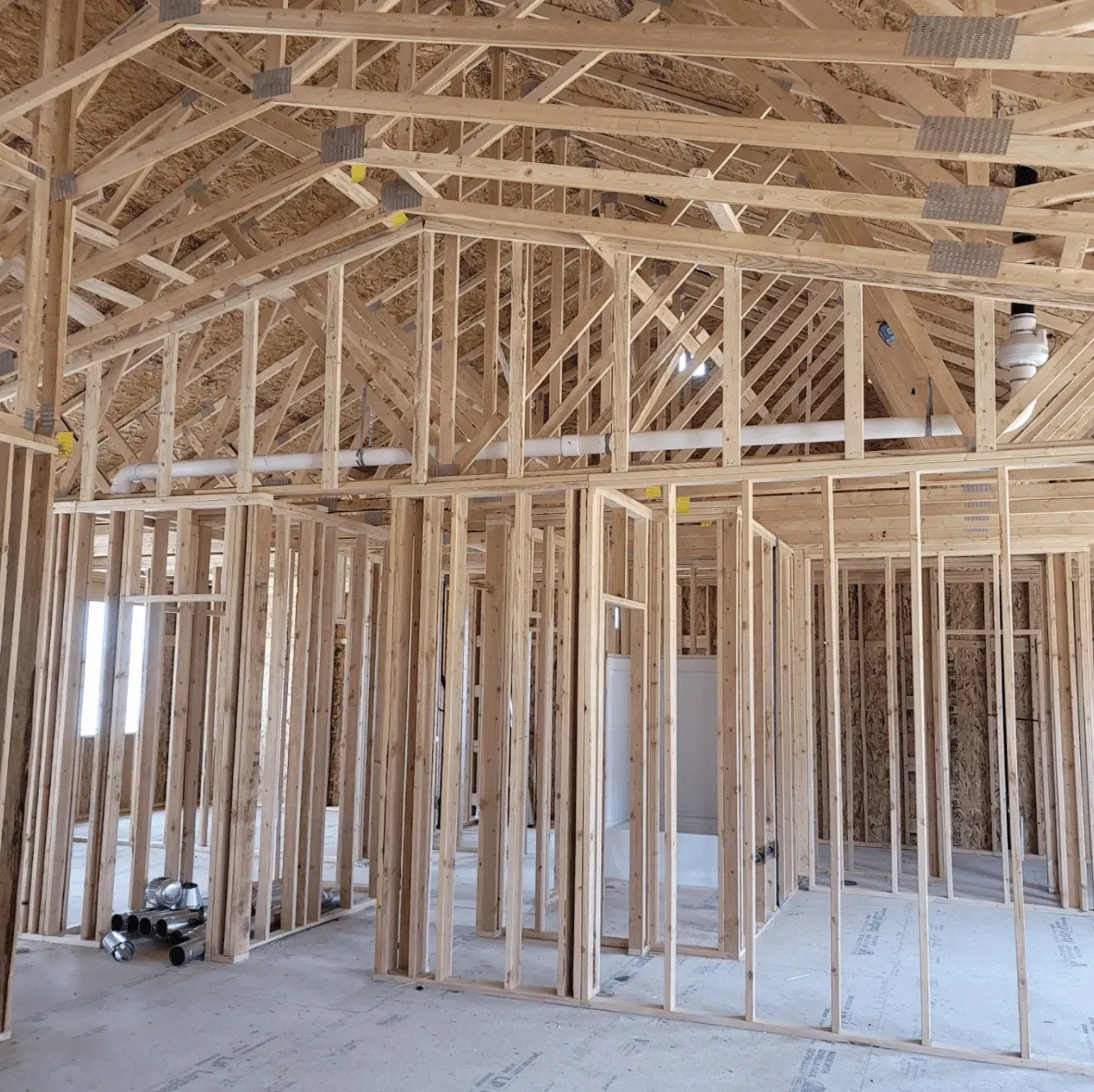
- Strategically placed underground and above-ground sections to connect the sub-slab area with the exterior vent point.
Here is a brief breakdown of the vent pipe installation steps:
- Pipes are inserted beneath the foundation or within a drilled opening to create a sub-slab suction zone.
- The pipes are linked with the radon fan at one end to draw out the gas.
- A vertical extension or “stack” is run to expel the radon safely above the roofline, thereby ensuring any released gas does not re-enter the home.
Ensuring that your vent pipes are unobstructed and correctly sealed is vital. During routine maintenance checks, our service teams inspect the entire piping network to ensure there’s no damage, leaks, or blockages that could hinder gas flow.
3. Sealing Materials – Closing Off Unwanted Pathways
Effective radon mitigation does not solely depend on the active removal of radon but also on preventing its ingress into the living spaces. Sealing materials play a dual role in this process.
Key roles of sealing materials involve:
- Filling gaps and cracks in the basement floor, walls, and other entry points that could let radon seep into the home.
- Enhancing the efficiency of the radon fan system by ensuring that the sub-slab area has a consistent pressure differential.
- Acting as a secondary barrier, supplementing the primary radon extraction system.
The process of sealing is critical. Here are some best practices:
- Use high-quality sealants or caulking materials designed explicitly for concrete applications.
- Ensure that all cabling and pipe penetrations are adequately sealed.
- Focus on areas around sump pumps, floor drains, and utility penetrations.
- Inspect periodically for any degradation or cracks that may reopen over time.
Regular inspection of sealing materials is as crucial as maintaining active components. Over time, buildings can settle and create new gaps. Our preventative maintenance services ensure that any potential weak points are re-sealed, reducing the chance of radon infiltration.
4. Monitoring and Testing Devices – Keeping an Eye on Radon Levels
Even with a properly functioning radon mitigation system, continuous monitoring is essential. Integrated devices help track radon levels both during system operation and as a post-installation check.
Monitoring components include:
- Digital radon monitors installed as part of the system that provide real-time information.
- Passive radon test kits for periodic checks by homeowners to verify long-term performance.
- Automated alerts that notify property owners if radon levels exceed safety thresholds.
Benefits of regular monitoring:
- Early detection of any system malfunctions.
- Assurance that indoor air quality remains within safe limits.
- Data collection that can be used for system performance reviews and improvements.
Our technicians not only install high-quality monitoring systems but also offer follow-up visits to interpret the data, adjust the system if necessary, and provide advice on further improvements or repairs. If you notice an increase in radon levels, we’re just a phone call away, ready to inspect and fine-tune the system to your needs.
5. Ancillary Components – Ensuring Complete System Integrity
Beyond the primary components, several ancillary elements contribute to the overall effectiveness of your radon mitigation system. These include:
- System Ducting and Additional Piping: Sometimes additional ducting is utilized to ensure that any radon accumulation pockets beneath the foundation are effectively linked to the main vent system.
- Electrical Components: Wiring, control circuits, and backup power supplies that ensure the radon fan operates continuously, even during power outages.
- Structural Brackets and Supports: These are essential to secure the fan and piping components firmly in place, ensuring that the system is stable and long-lasting.
Key tips when considering these ancillary components:
- Ensure that all electrical work adheres to local building codes and safety regulations.
- Regularly inspect structural supports for signs of wear or corrosion.
- Supplement your system with backup power solutions if you reside in areas prone to electrical outages.
By focusing on these additional elements, our radon mitigation systems provide robust, all-encompassing protection. We work with you to customize solutions that fit the unique design and structure of your home, ensuring every component contributes to the overall safety of your indoor environment.
Real-Life Application and Maintenance Scheduling
Investing in a radon mitigation system is an important step toward safeguarding your home. However, just like any other safety system, regular inspections and maintenance are crucial for ensuring ongoing effectiveness.
What to expect from routine maintenance appointments:
- A comprehensive inspection of the radon fan and its operational efficiency.
- A detailed review of the vent pipes, sealing materials, and ancillary components.
- A performance check using calibrated radon monitors to confirm that radon levels remain within acceptable limits.
- Recommendations for any necessary repairs or component replacements.
Benefits of a maintenance plan:
- Peace of mind knowing that your home is continuously protected.
- Early identification of potential issues before they become costly repairs.
- Enhanced performance and longevity of your radon mitigation system.
A numbered list of maintenance steps:
- Visual inspection of all external components.
- Functional testing of the radon fan motor.
- Verification of secure connections within the vent pipe network.
- Review and replacement of any degraded sealing material.
- Calibration of monitoring devices and review of historical radon level data.
Why Choose a Professional Radon Mitigation Service?
The complexity of radon mitigation systems makes it critical to work with experienced professionals who understand the nuanced roles of each component. Here’s why choosing an expert matters:
- Expertise and Experience: Our technicians have years of experience in installing, inspecting, and maintaining radon mitigation systems. We adhere to industry best practices and local building codes.
- Customized Solutions: Every home is unique. We customize the mitigation system to match your specific needs and structural requirements.
- Quality Assurance: We use state-of-the-art equipment and high-quality materials to ensure long-lasting protection. •
- Transparent Communication: From the initial survey to the installation and maintenance process, we keep you informed. Our commitment to clarity means you always understand what’s being done to protect your home.
Our commitment extends beyond the installation. We strive to educate our customers by providing detailed explanations on how each component functions and why it matters. The more you know, the better you feel about the investment you’ve made in your home’s safety.
Get a Free Quote
Tips for Homeowners: Enhancing Radon Protection
Apart from professional mitigation systems, homeowners can take additional steps to enhance radon protection. Here are a few practical tips:
- Keep the Foundation Sealed: Regularly inspect your basement or crawlspace for new cracks or openings. Address these promptly with appropriate sealing materials.
- Maintain Proper Ventilation: Increasing the natural ventilation of your living areas can assist in reducing radon levels. Open windows and use exhaust fans when possible.
- Educate Yourself: Regularly test your indoor air with radon monitoring kits and stay informed about the latest radon reduction technologies.
- Consult with Professionals: When in doubt, always reach out to certified radon mitigation experts who can advise you on the best solutions for your home.
By proactively managing these small measures, you add an extra layer of protection to the integrity of your professional system.
Final Thoughts
Investing in a high-quality radon mitigation system is one of the most critical steps you can take to protect your home and the well-being of your family. Each component—from the robust radon fan to the carefully sealed foundation—plays a critical role in ensuring that radon is continuously and effectively managed. With regular maintenance and professional oversight, your mitigation system will provide lasting protection and peace of mind.
We are here to support you every step of the way. Whether you are installing a new radon mitigation system or ensuring that an existing setup remains in peak condition, our team is ready to deliver unparalleled expertise and customer service.
Remember: a safe home begins with informed choices and proactive prevention. Contact us today to get started on securing your home against radon.
Get a Free Quote
![Blue periodic table tile for radon, element 86, with symbol Rn and mass [222].](https://le-cdn.hibuwebsites.com/09c3a4288d5947b58ca8220076f73b94/dms3rep/multi/opt/radon-periodic-table-rn-86-radon-be-gone-1920w.webp)