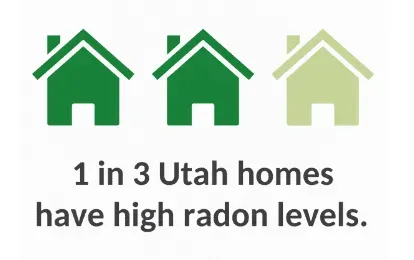
Utah stands out when it comes to radon levels due to its unique geological makeup, elevation, and regional environmental factors. Residents and property owners face specific challenges that make understanding and mitigating radon exposure a priority in this state. In this guide, we’ll explore the factors that contribute to Utah’s radon profile, discuss the risks involved, and offer practical solutions tailored to Utah’s conditions.
Whether you’re a homeowner curious about indoor air quality or a real estate professional advising clients, this comprehensive resource will help you understand why Utah’s radon issues are different and what steps you can take. At the end of this page, you’ll find clear calls-to-action encouraging you to schedule testing or consultation services, ensuring that you remain informed and protected.
Get a Free Quote
Geological Factors Unique to Utah
The state of Utah features a distinctive combination of geological formations that contribute to its elevated radon levels compared to other states. Several factors work together to create a more pervasive radon problem here, including:
- Uranium-Rich Rocks: Many areas in Utah contain rocks that are naturally rich in uranium. As these rocks decay, they release radon, which can seep into buildings through cracks and foundation faults.
- Soil Composition: The soil in many parts of Utah is porous, allowing radon to migrate easily from the subsoil into habitable spaces.
- Fault Lines and Fractures: The state’s dynamic geological activity creates fractures and faults in the earth, which can serve as conduits for radon migration.
Elevation and Its Influence on Radon Levels
Another unique aspect of Utah’s radon challenge is its elevation. The interplay between altitude and atmospheric pressure can impact how radon enters buildings. In higher-elevation areas, the pressure differentials between the outdoors and indoor environments are more pronounced, which can enhance the flow of radon from the ground into basements or lower levels of buildings.
The following points explain how elevation contributes to radon concerns:
- At higher altitudes, lower atmospheric pressure tends to increase the rate at which radon escapes from underground and infiltrates homes.
- Differential pressure between the inside of a structure and its surrounding soil means that even minor cracks or gaps can become entry points for radon.
- Building heating and ventilation systems can exacerbate the issue by creating negative pressure zones indoors that draw radon upwards.
Regional Variations and Localized Risk Zones
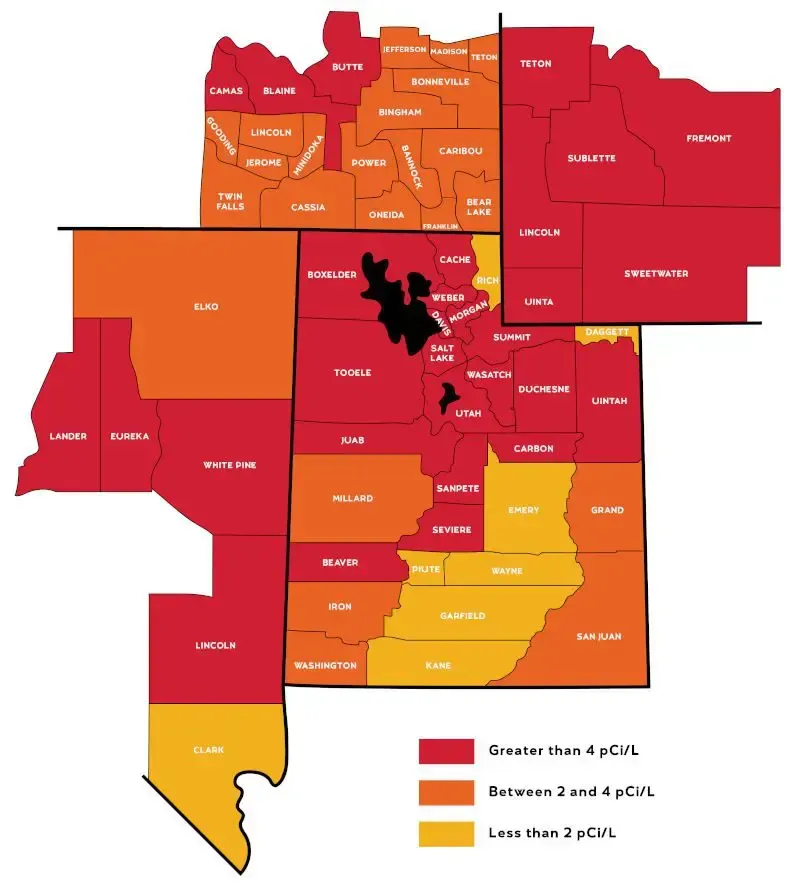
Not even every area in Utah experiences radon levels uniformly. Localized risk zones exist where geological and environmental factors converge to create hot spots for radon accumulation.
Key characteristics of these zones include:
- Areas with Older Homes: Many older buildings in high-risk areas were constructed without the benefits of modern radon barriers. These buildings are more susceptible to radon ingress.
- Proximity to Natural Fault Lines: Regions near known fault lines or seismic activity zones often face increased risks.
- Urban vs. Rural Differences: While both urban and rural areas can have elevated radon levels, factors like soil disruption from construction in urban areas may lead to higher exposure in some neighborhoods.
If you live in a known high-risk zone, it’s advisable to arrange for a prolonged radon test to monitor any fluctuations and take immediate action if needed.
How Building Construction Affects Indoor Radon Levels
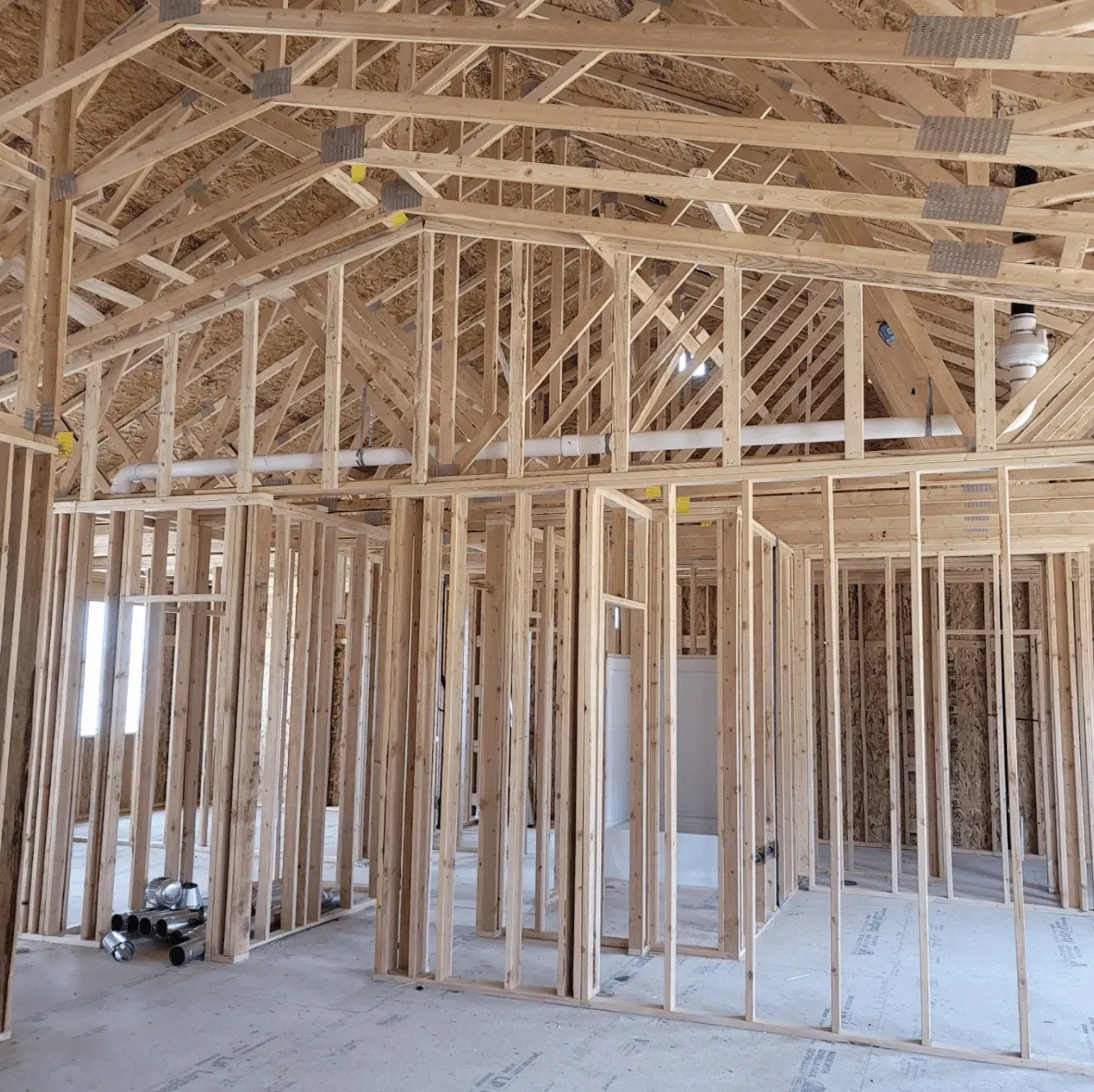
The way a building is constructed greatly influences the degree of radon penetration. In Utah, many older homes and commercial buildings might not adhere to modern building codes that mitigate radon infiltration.
Several construction-related factors are at play:
- Foundation Integrity: Cracks and gaps in the foundation provide direct pathways for radon to seep in. Sealants and proper construction techniques can greatly reduce radon entry.
- Ventilation Systems: Adequate ventilation helps to dilute indoor radon levels. Newer buildings often have better-designed air circulation systems that help reduce risks.
- Building Materials: Some building materials can absorb radon or slow its movement, while others may trap it, increasing indoor concentrations.
Homeowners can benefit from a thorough assessment of their building’s integrity. A trusted radon mitigation service provider will conduct a comprehensive evaluation to suggest practical solutions.
Radon Mitigation Techniques Tailored for Utah
Addressing radon issues in Utah means implementing mitigation strategies designed with local conditions in mind. Effective radon mitigation generally involves reducing indoor radon concentrations through a combination of techniques that seal entry points and improve air circulation.
Below are some key strategies that have proven effective in Utah:
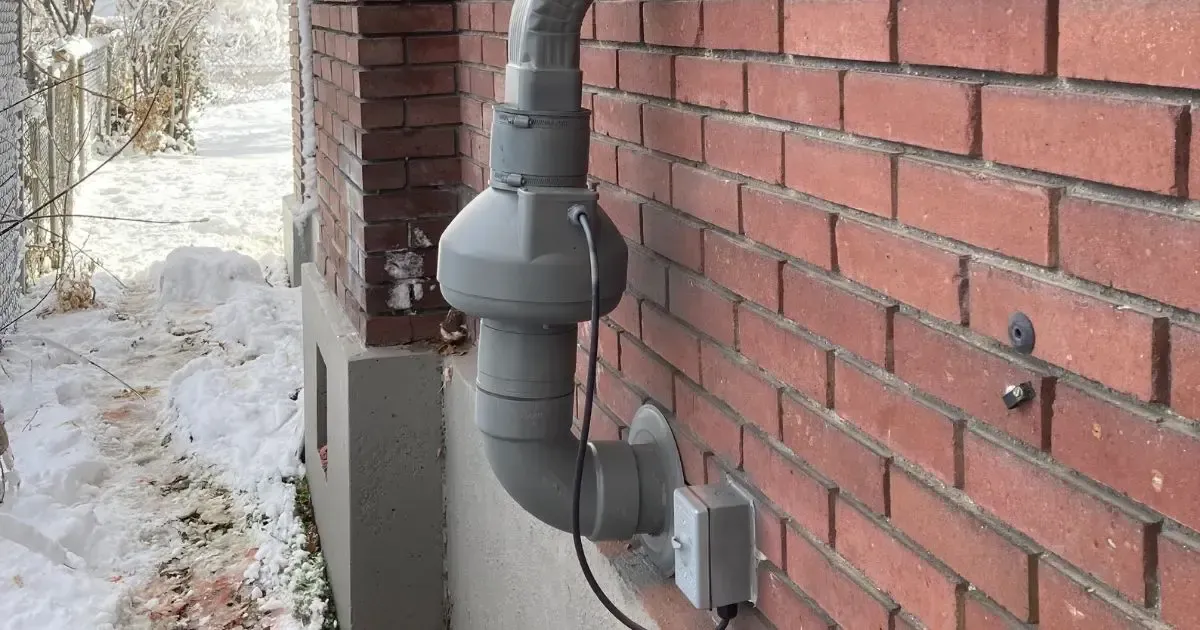
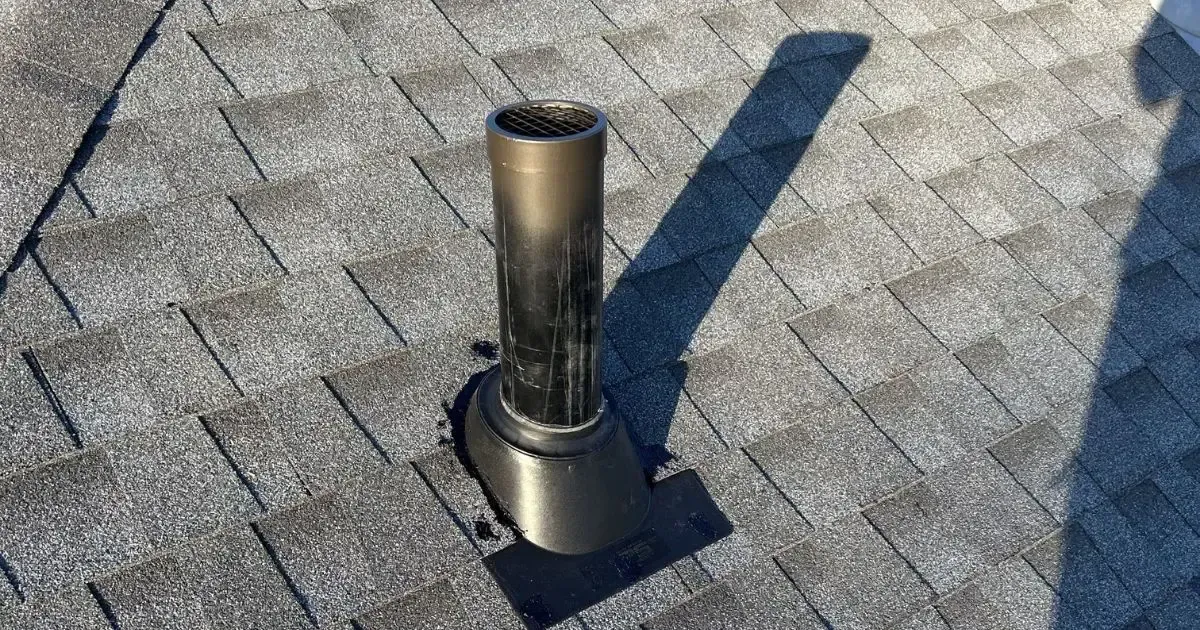
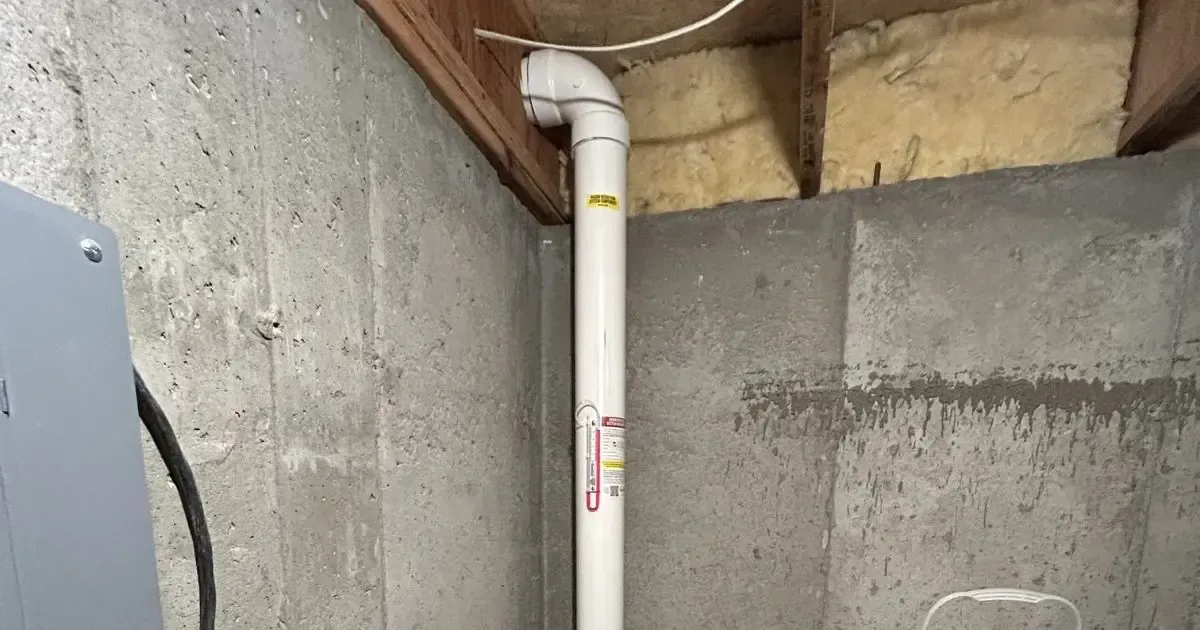
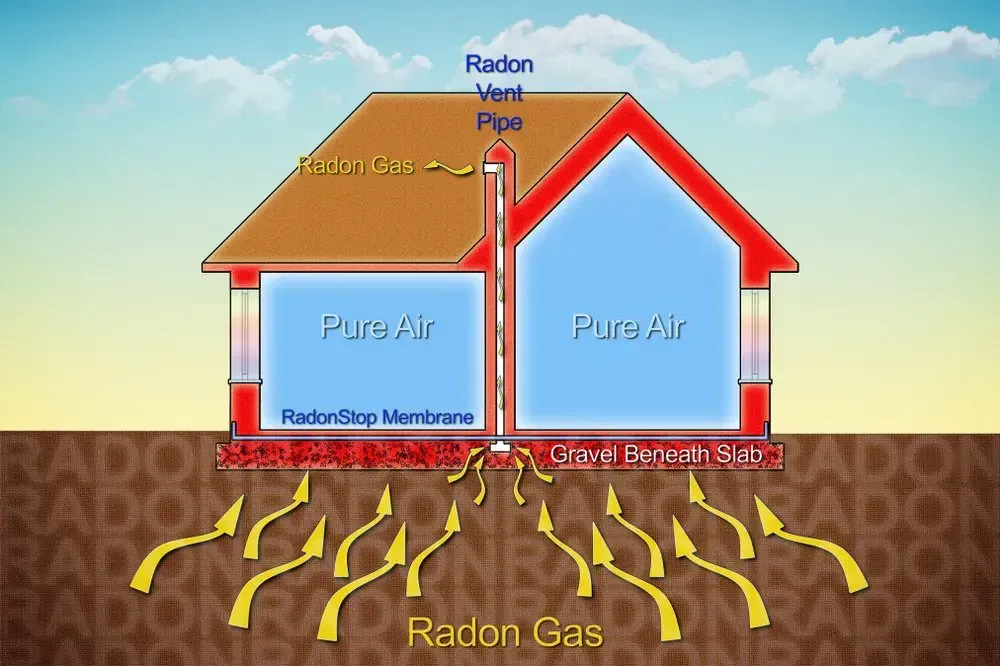
- Sub-Slab Depressurization: One of the most common and effective methods, this technique involves installing a vent pipe system and fan to reduce radon entry.
- Sealing Cracks and Openings: Ensuring that any cracks in the foundation or gaps in the structure are sealed off can greatly reduce the amount of radon entering your home.
- Improving Ventilation: Adding or enhancing mechanical ventilation systems in your home can help disperse radon and lower indoor concentrations.
- Regular Monitoring: Installing continuous radon monitors can help track levels over time, ensuring that any spikes in radon are quickly addressed.
Here are some additional considerations for effective mitigation:
- Cost-Effectiveness: Prioritize solutions that offer a long-term reduction in radon levels without excessive maintenance costs.
- Expert Recommendations: Consulting with local radon mitigation experts ensures that the unique environmental factors of Utah are taken into account.
- Customized Approaches: Every building is different. Therefore, a one-size-fits-all approach is rarely the best solution in Utah’s varied landscape.
Residents looking to learn more about these techniques will find detailed case studies and testimonials from clients in Utah on our website. These real-life examples help illustrate the effectiveness of tailored mitigation strategies.
Impact of Seasonal Changes on Radon Levels
One factor that often gets overlooked is the impact of
seasonal variations on radon levels. Weather changes can influence indoor and outdoor air pressure, altering the balance that controls radon flow.
In Utah, seasonal changes such as cold winters and warm, dry summers can have noticeable effects:
- Winter: During colder months, homes are typically sealed up to conserve heat, which can trap radon indoors and elevate its concentration.
- Spring/Summer: Warmer periods can lead to increased ventilation as windows are opened, which might temporarily reduce indoor radon levels. However, this does not mean the risk is eliminated.
- Rapid Weather Shifts: Sudden changes in weather can temporarily alter atmospheric pressure differences, leading to fluctuations in radon levels that require monitoring.
A periodic testing strategy that accounts for seasonal variability is critical. Homeowners are encouraged to measure radon levels at different times of the year to get an accurate picture of their exposure.
How to Get Started with Radon Testing and Mitigation in Utah
If you suspect that your home or business might have radon issues, taking immediate action is critical. Here’s a straightforward roadmap to get started:
- Request a Professional Test: Start with a professional radon test. Professionals know how to handle the specifics of Utah’s conditions and will use the latest equipment to get accurate measurements.
- Schedule a Comprehensive Inspection: If initial test results indicate elevated levels, arrange for a detailed inspection of your property. This will pinpoint where radon is entering your home.
- Implement Mitigation Solutions: Work with experienced radon mitigation professionals to install the necessary systems, ensuring long-term protection for your indoor environment.
- Monitor Regularly: Continue periodic testing even after mitigation to ensure that radon levels remain low. Continuous monitoring systems can provide real-time feedback.
We invite you to take the first step today. By contacting a certified radon mitigation expert, you’re investing in the health and safety of your family and community.
Frequently Asked Questions
Below are some common questions that Utah residents ask about radon:
Why is Radon Such a Concern in Utah?
Utah’s unique geological formations, including uranium-rich rocks and porous soil, combined with high-altitude effects, make it more susceptible to radon accumulation in indoor spaces.
It is recommended to test your home at least once every two years, with additional tests during critical seasonal changes to capture any fluctuations in levels.
What Signs Might Indicate a Radon Problem?
Radon is well-known as a silent threat, meaning it doesn’t show physical signs. The only way to detect it is through proper testing.
Can Radon Mitigation Completely Eliminate the Risk?
While mitigation systems significantly reduce radon levels, regular monitoring is essential to ensure that safety levels are consistently maintained.
Conclusion
Utah’s radon problem is marked by distinct geological, environmental, and structural factors that set it apart from other states. By understanding the interplay between uranium-rich rocks, elevation, seasonal changes, and building construction, you can better appreciate the need for targeted radon mitigation.
Keeping your indoor air safe and your environment healthy takes informed decision-making and preventative measures. Every home, whether older or newly constructed, can benefit from the insights discussed in this guide.
As you move forward, consider these points:
- Regular testing and monitoring help manage radon risks effectively.
- Tailor mitigation strategies to your specific property and local conditions.
- Stay engaged with community health initiatives and keep updated with local guidelines.
- Consult professionals to ensure the most accurate assessment and remediation plans.
By taking these steps, you’re not only protecting your property but also contributing to a healthier community. Explore more resources on our website and join us in the fight against radon exposure in Utah.
Remember: Prevention and informed action are your best allies when it comes to radon.
Get a Free Quote
![Blue periodic table tile for radon, element 86, with symbol Rn and mass [222].](https://le-cdn.hibuwebsites.com/09c3a4288d5947b58ca8220076f73b94/dms3rep/multi/opt/radon-periodic-table-rn-86-radon-be-gone-1920w.webp)