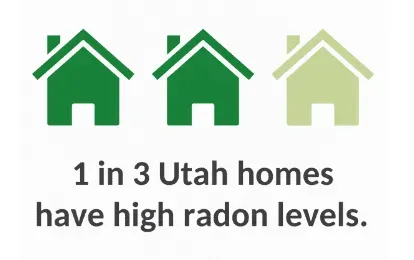
Selling your home can be both exciting and challenging, especially in today’s competitive market where every detail counts. One often-overlooked factor that can significantly influence a sale is radon mitigation. In Utah, where geological conditions may elevate radon levels in some areas, addressing this issue can mean the difference between a failed inspection and a fast, smooth sale.
Get a Free Quote
Why Radon Mitigation is Essential for Home Sellers
When preparing your Utah home for sale, addressing radon is more than just a safety precaution—it’s a smart selling strategy. Here are some key reasons why:
Preventing Failed Inspections
Many buyers insist on a
home inspection, and radon testing is a common part of that process. If radon levels exceed recommended limits, negotiations can stall or fall apart entirely.
Increasing Buyer Confidence
When potential buyers see that you have already taken care of radon mitigation, it reassures them that the property is not only safe but also well maintained. This proactive approach can turn an otherwise skeptical buyer into a keen one.
Simplifying Negotiations
If radon issues are discovered during an inspection, buyers often request remediation as a condition of sale. By mitigating radon issues beforehand, you avoid sudden price renegotiations and potential delays in closing.
How Radon Mitigation Protects Your Sale
Radon mitigation involves reducing radon levels in your home to acceptable limits. The benefits are many:
- Maintained Property Value: Homes with known radon issues can see their market value decrease. A certified radon mitigation system maintains your property value and provides a vital selling point.
- Smoother Home Inspections: An established, documented history of radon reduction makes inspections quick and easy, eliminating the possibility of surprises that could derail your sale.
- Improved Marketability: In today’s market, where buyers are well-informed about health hazards, a home with radon mitigation becomes a premium listing. This can set your home apart from the competition.
Steps to Achieve Effective Radon Mitigation
Understanding the process of radon mitigation can empower you as a homeowner. The steps generally include:
- Radon Testing: Start by hiring a certified professional to perform a comprehensive radon test. This is ideally done during cooler months when radon levels are typically higher.
- Evaluating the Results: Once testing is complete, your specialist will determine whether radon levels in your home are within safe limits. If they are elevated, it’s time for remediation.
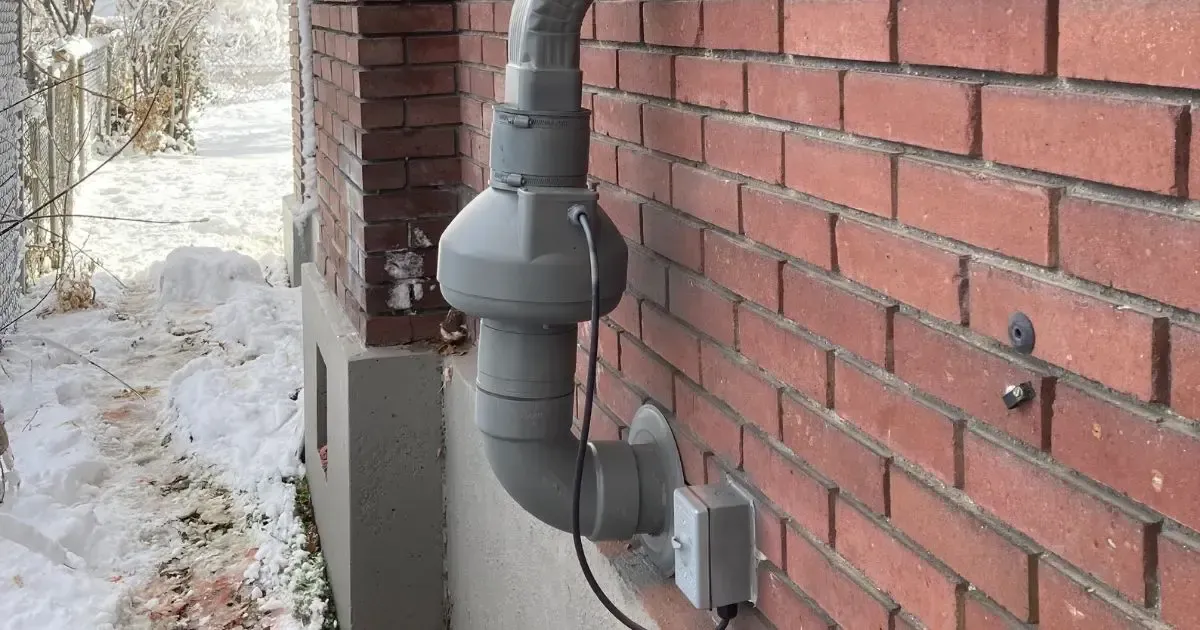
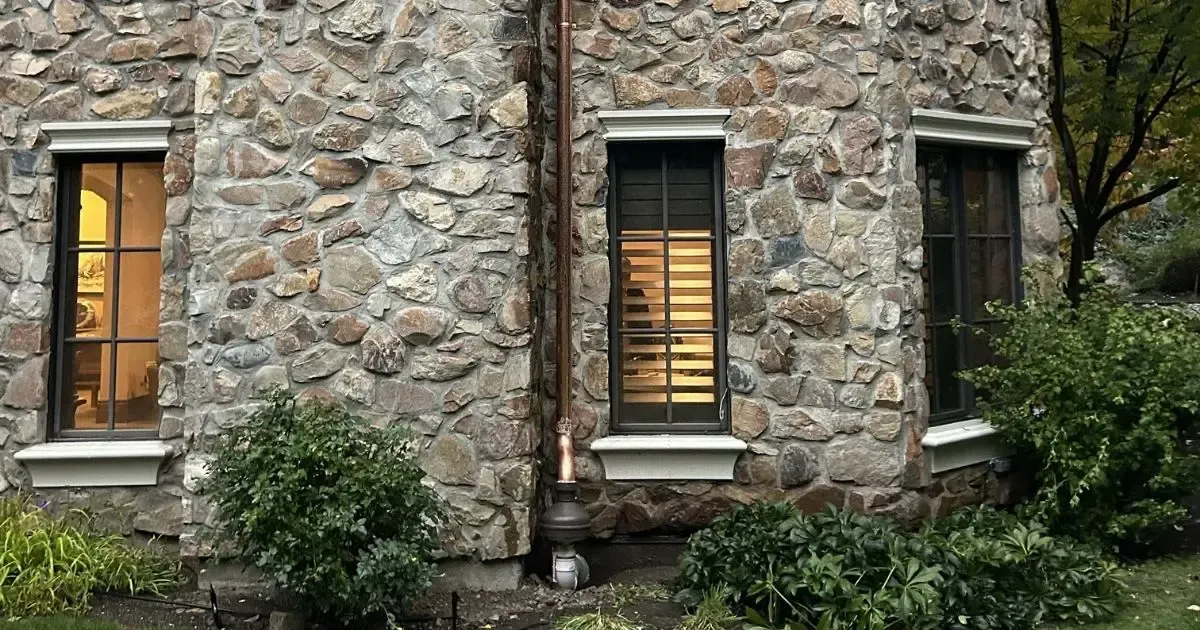
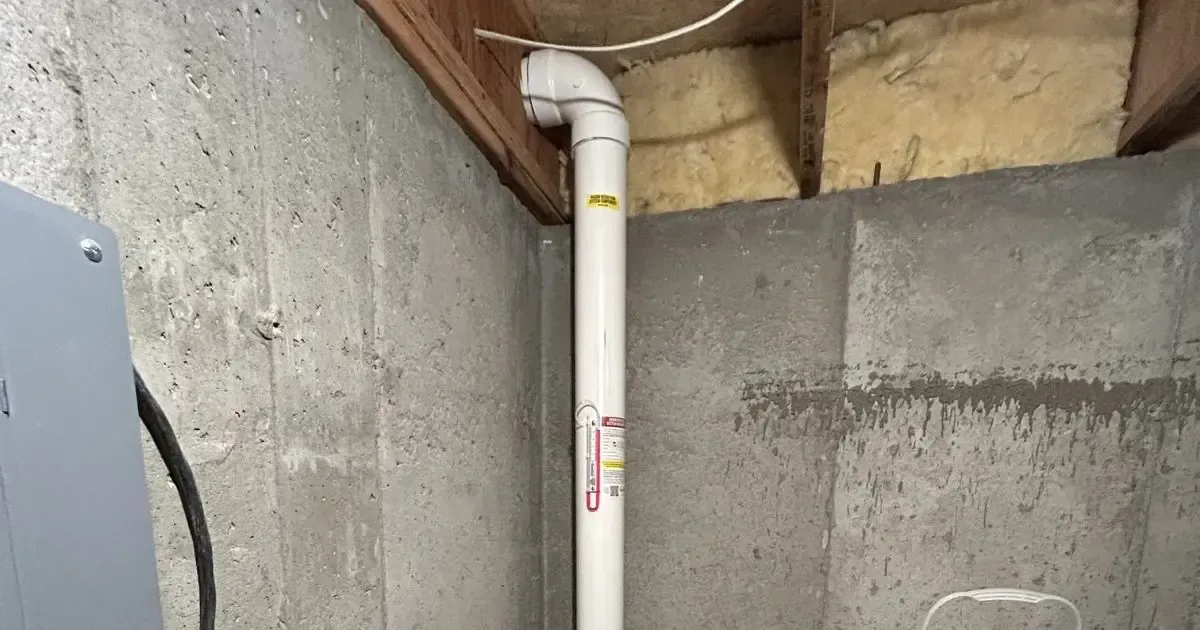
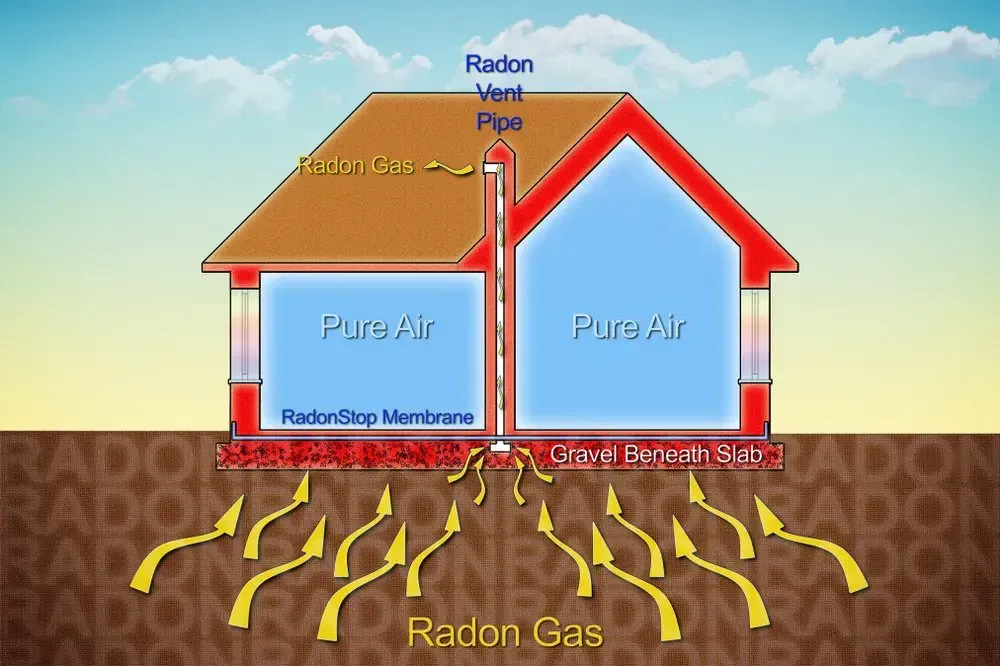
- Installation of Mitigation Systems: Certified technicians use techniques such as sub-slab depressurization, which involves installing a vent pipe system and fan to redirect radon gas safely outside.
- Post-Mitigation Testing: After system installation, a follow-up test verifies that radon levels have been successfully reduced.
- Documentation for Buyers: Keep detailed records of the testing and mitigation processes. This documentation can be provided to potential buyers as proof of your commitment to safety and quality.
While the process may seem extensive, each step is carefully designed not only to protect you and your loved ones but also to enhance your home’s resale potential.
Cost Considerations and Return on Investment
One common
concern for sellers is the cost of radon mitigation. Although prices can vary depending on the size of your home and the complexity of the installation, the cost of mitigation is often recouped in the enhanced market value of your home and the smoother sales process.
Here are a few points to consider when weighing the cost versus the benefits:
- Preventative Investment: Spending money on mitigation can save you from losing a significant sale or having to negotiate further discounts due to radon-related issues.
- Market Appeal: A home that is test-proven to have low radon levels is more attractive to buyers, particularly in competitive markets.
- Long-Term Savings: Mitigation not only boosts your sale price but also benefits the home’s future occupants by providing a healthier living environment.
Preparing Your Home for a Successful Sale
A well-prepared home that includes radon mitigation can be a major selling point. As you plan your property listing, consider the following best practices to help your home stand out:
- Transparency: Provide clear and detailed documentation of radon tests and the mitigation process. Some buyers may request this information during early negotiations, so be ready with proof of remediation.
- Professional Photography and Virtual Tours: Enhance your online listing by including photography that highlights safe and healthy living conditions. Consider including infographics that illustrate how radon mitigation works.
- Pre-Inspection Reports: Having a pre-inspection that includes radon testing can set a positive tone with potential buyers, showing that you are proactive about home health and safety.
When potential buyers see that you’ve already addressed issues like radon, confidence increases:
- Trust and Credibility: Buyers are reassured by a seller who provides a comprehensive history and takes necessary precautions.
- Simplified Due Diligence: Numerous inspections and reconciliations can be streamlined, creating a hassle-free process for everyone involved.
Get a Free Quote
Frequently Asked Questions About Radon and Home Sales
To help you understand the nuances of radon mitigation in property sales, we’ve compiled a list of frequently asked questions:
What is an acceptable radon level in a home?
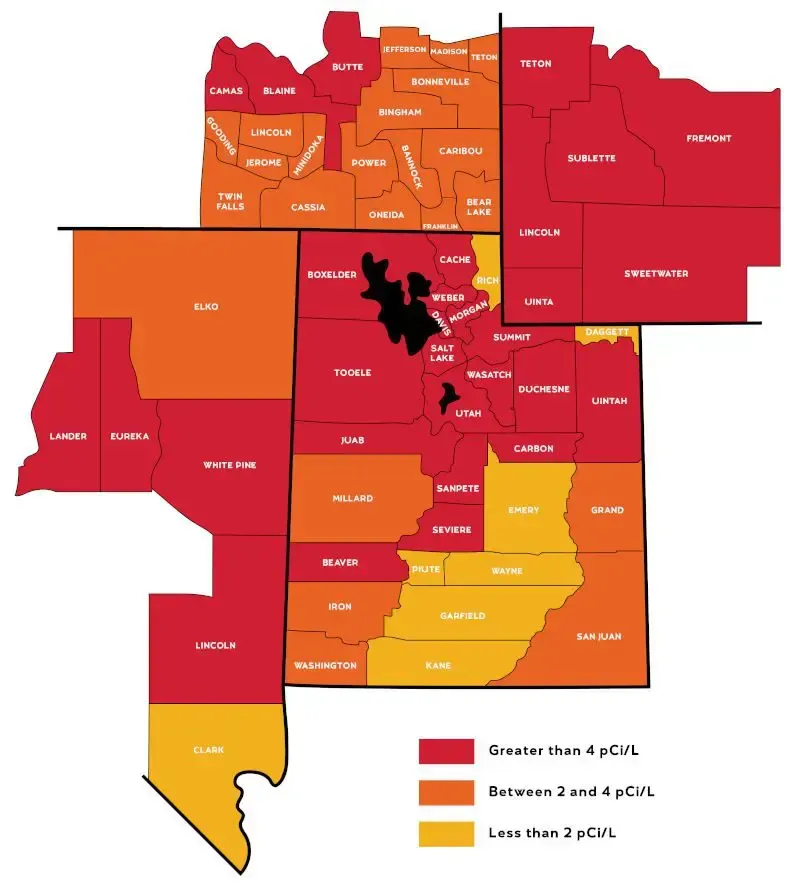
The U.S. Environmental Protection Agency (EPA) recommends that radon levels be below 4 picocuries per liter (pCi/L). If levels are higher, it is advised to consider mitigation options.
How long does radon mitigation take?
The installation of a radon mitigation system usually takes one to two days, with additional time allocated for post-mitigation testing and documentation.
Is the cost of radon mitigation worth it if I plan to sell soon?
Yes, investing in radon mitigation can save you potential headaches during the sales process. It may help avoid costly negotiations or even a failed sale if issues arise during home inspections.
Will radon mitigation affect my home’s structural aesthetics?
No, these systems are designed to be as unobtrusive as possible. Most equipment is installed in the basement or crawl space and rarely obstructs daily living or the appearance of your home.
Enhancing Buyer Confidence with Transparent Communication
One of the key elements in successful home sales is building trust with potential buyers. By incorporating radon mitigation into your home preparation process, you demonstrate responsibility and foresight. A few strategies to highlight this in your communication include:
- Detail-Oriented Disclosures: When listing your home, include a section specifically dedicated to environmental safety measures. Explain the radon testing and mitigation process in simple language.
- Professional Documentation: Link or attach detailed reports from certified professionals. This information provides reassuring evidence that your home’s safety is a top priority.
- Visual Aids: Consider integrating simple charts or photos (e.g., images of the installed mitigation system or screenshots of test results) that can visually communicate your home’s quality improvements.
When buyers feel informed, they are more likely to view your property as a secure investment. This transparency not only speeds up the decision process but also minimizes any potential back-and-forth negotiations related to hidden issues.
Local Expertise in Utah: Your Partner in Radon Mitigation
Utah’s diverse geography means that radon issues can vary widely from one home to another. Working with local experts who understand the unique challenges of the area can be an invaluable asset. Local companies specializing in radon mitigation bring:
- Regional Knowledge: An understanding of Utah’s specific radon challenges allows for tailored solutions that fit the geological profile of your property.
- Certified Experience: Professionals certified by local and national bodies ensure that all work complies with safety standards, making your home market-ready.
- Post-Installation Support: Local experts can offer ongoing support, ensuring that radon levels remain low during the sale process and beyond.
By choosing a
trusted local partner, you benefit from quick response times, personalized service, and peace of mind knowing that your investment is in good hands.
Long-Term Benefits Beyond the Sale
Even after your sale is complete, the benefits of radon mitigation continue to shine through. Future occupants of your former home will enjoy improved indoor air quality, potentially lower health risks, and the peace of mind that comes with living in a thoroughly tested environment. This long-lasting impact reinforces the idea that radon mitigation isn’t just a quick fix for selling—it’s a responsible decision for everyone who resides in the home.
Moreover, your investment in radon mitigation may have tax implications, potential insurance benefits, and could be a selling point in future real estate endeavors.
Additional Tips for Utah Home Sellers
Beyond radon mitigation, there are additional steps you can take to create a positive impression on prospective buyers:
- Energy Efficiency Improvements: Updating insulation, windows, and HVAC systems not only reduces utility bills but can also be attractive selling features.
- Professional Home Staging: Consider investing in home staging to create a warm and inviting atmosphere. Staged homes often sell faster and at higher prices.
- Comprehensive Pre-Sale Inspections: Beyond environmental tests, home inspections that cover plumbing, electrical systems, and roof integrity can preempt buyer concerns.
Each of these measures, when combined with the safety assurances of radon mitigation, creates a compelling listing that addresses both the health and financial concerns of buyers.
A Safer Home is a More Marketable Home
When planning to sell your Utah home, every detail matters. Radon mitigation is more than a technical requirement—it is a strategic investment in your property’s marketability and long-term value. By taking decisive action to safeguard your home against radon, you not only prevent potential sales setbacks but also build trust with future homeowners.
Remember, buyers today are looking for homes that offer safety, efficiency, and peace of mind. Your proactive approach to radon mitigation sends a clear message: you care deeply about the well-being of those who will soon call your house home.
Don’t let radon issues impede your sale. If you are ready to enhance your property’s appeal and ensure a smooth transaction process,
get in touch with our expert team now. Our professionals are standing by to provide detailed assessments, clear step-by-step mitigation plans, and ongoing support. Your peace of mind—and your sale—start with the decision to act today.
Get a Free Quote
![Blue periodic table tile for radon, element 86, with symbol Rn and mass [222].](https://le-cdn.hibuwebsites.com/09c3a4288d5947b58ca8220076f73b94/dms3rep/multi/opt/radon-periodic-table-rn-86-radon-be-gone-1920w.webp)