Welcome to our comprehensive guide on radon inspections tailored specifically for Utah home buyers. Whether you are a first-time buyer or looking to upgrade your property, understanding the risks and testing requirements for radon gas is an essential step in protecting your investment.
In Utah’s unique geological landscape, radon can be an unpredictable and hazardous presence, making proper inspection a must before finalizing any real estate deal.
Get a Free Quote
Understanding Radon Gas
Radon is a naturally occurring radioactive gas that is produced from the breakdown of uranium in soil, rock, and water. It is colorless, odorless, and tasteless, which makes it difficult to detect without a proper inspection. Exposure to high levels of radon over prolonged periods can lead to severe
health issues, including lung cancer. It is crucial to recognize these risks and take all necessary precautions when evaluating your potential new home.
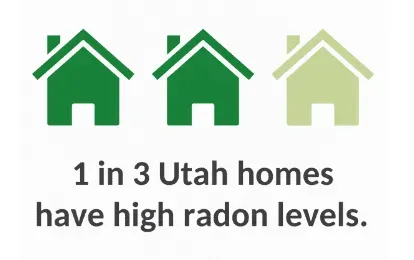
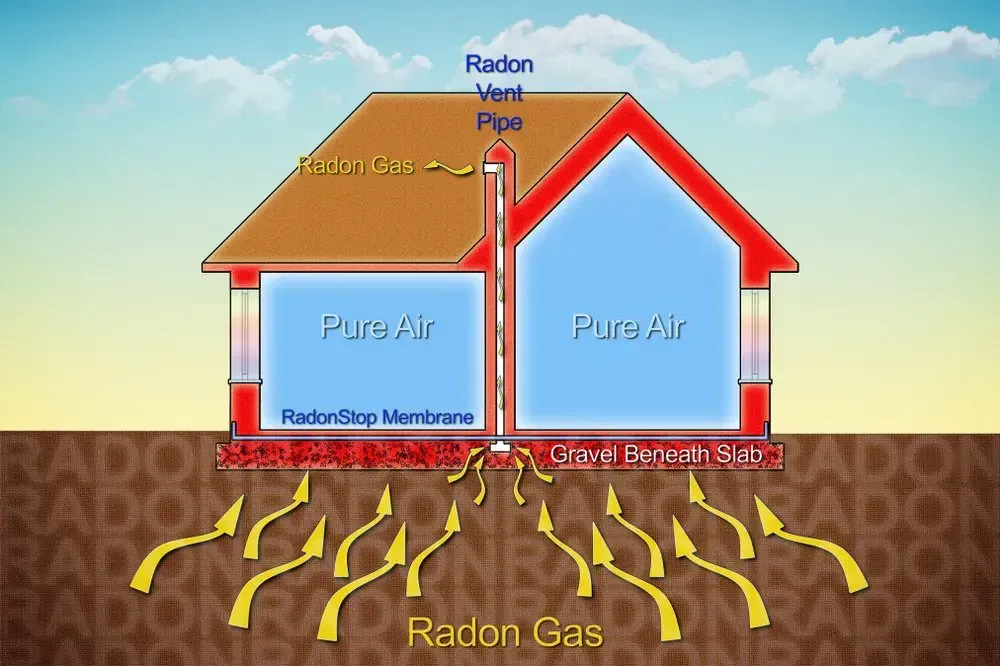
In Utah, the combination of certain soil types and varying home construction methods can lead to radon accumulation. Many homes have basements or ground-level entry points that provide an easy pathway for radon to seep indoors. Being aware of these factors and having a checklist to follow can help you identify any potential issues early on in the home buying process.
Key Health Risks of Radon Exposure
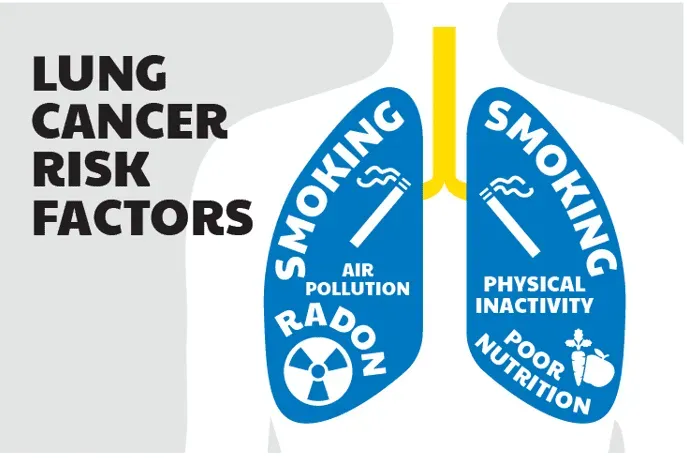
- Lung Cancer: Long-term exposure to radon is the second leading cause of lung cancer, following smoking.
- Respiratory Problems: In some cases, low to moderate radon exposure may contribute to chronic respiratory issues.
- Home Environment Contamination: Persistent radon levels can make your new home less safe over time if left unchecked.
The Importance of a Radon Inspection
As a home buyer, you deserve peace of mind knowing that your future home has been thoroughly inspected for radon. A professional radon inspection can help you negotiate repairs, request a reduced sale price or, if necessary, plan for a radon mitigation system installation after purchase.
Investing in a radon inspection is not only about safeguarding your health; it is also about protecting your property’s long-term value. Ensuring that the radon levels meet the regulatory standards can help avoid future complications and potential hazards for you and your family.
Benefits of a Comprehensive Radon Inspection
A radon inspection provides several benefits:
- Early Detection: Identify potential radon issues before they become serious health hazards.
- Cost Savings: Early remediation can be more cost-effective than dealing with high levels of radon after moving in.
- Peace of Mind: Knowing your home is safe can give you confidence in your purchase decision.
- Negotiating Leverage: A professional radon report can empower you in discussions with the seller regarding necessary repairs or price adjustments.
Radon Inspection Checklist for Utah Home Buyers
1. Pre-Inspection Preparations
Before scheduling a radon inspection, there are a few steps you can take to prepare:
- Research Local Regulations: Familiarize yourself with
Utah’s radon testing guidelines and acceptable levels.
- Gather Property Information: Have details on the construction and history of the home ready for the inspector.
- Review Previous Inspection Reports: If available, review any radon test results from previous owners or inspections.
2. Hiring a Qualified Radon Inspector
When it comes to radon inspections,
hiring a qualified professional is crucial. Look for inspectors who are certified by a recognized authority such as the National Radon Safety Board (NRSB) or the National Radon Proficiency Program (NRPP). Doing so ensures that the inspection is thorough and adheres to industry standards.
Here are some questions to ask your potential radon inspector:
- Are you certified by any national radon safety programs?
- What testing methods do you use in residential inspections?
- Can you provide references from previous clients in Utah?
- What is your experience with mitigation and follow-up procedures?
You may also want to check for online reviews or ask for recommendations from local real estate professionals. An experienced radon inspector will not only perform accurate measurements but will also guide you on any remedial actions if needed.
3. Understanding the Testing Process
The radon testing process generally involves the following steps:
- Preparation: The inspector will identify key areas of your home—often the lowest lived-in level—and prepare the testing environment by ensuring windows and doors remain closed for a specific period.
- Placement of Test Devices: Devices like continuous radon monitors or short-term alpha track detectors are placed in the designated areas to measure the radon concentration over a period.
- Monitoring Period: Depending on the device, testing can take anywhere from 48 hours to several days, ensuring a comprehensive view of radon levels under varying conditions.
- Data Analysis: After the test period, the device is removed and analyzed, with results provided in picocuries per liter (pCi/L).
4. Evaluating Radon Levels and Acceptable Thresholds
According to the Environmental Protection Agency (EPA), an action level of 4 pCi/L is recommended as the threshold above which remedial measures should be considered. However, any radon level above zero has the potential to cause harm if exposure is prolonged. When reviewing your test results, keep the following in mind:
- A reading below 4 pCi/L is generally considered acceptable, though further evaluation may be advisable if there is a history of radon issues in the area.
- Results at or above 4 pCi/L should prompt immediate action such as additional testing or initiating radon mitigation strategies.
- Short-term tests can sometimes vary, so a follow-up long-term test may be recommended to confirm initial readings.
Radon Mitigation and Remediation
In cases where your radon levels exceed acceptable thresholds, remediation is recommended to mitigate health risks. Radon mitigation typically involves installing systems that prevent radon from entering your home or actively removing it if it has already penetrated the interior.
Common Radon Mitigation Techniques
There are several strategies used to reduce radon levels, including:
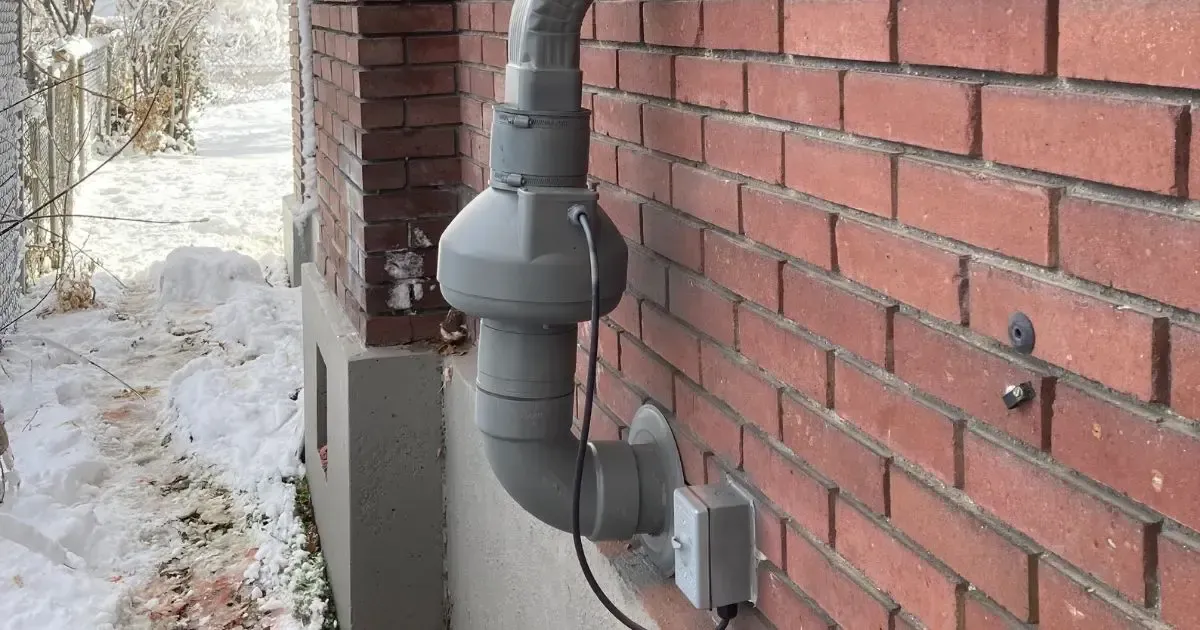
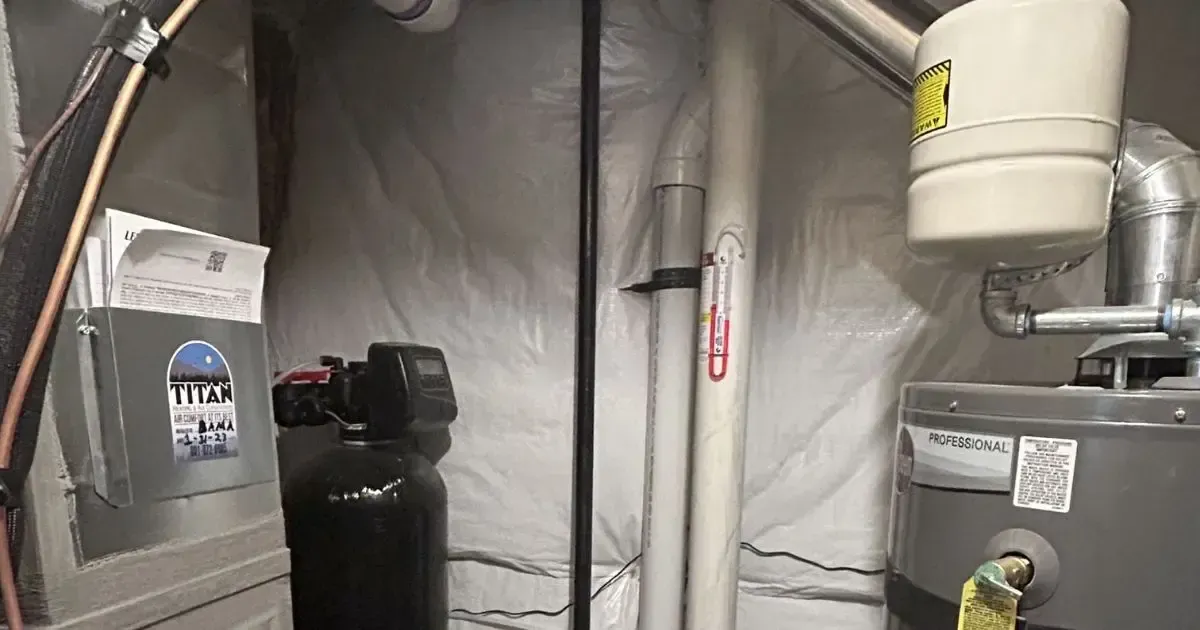
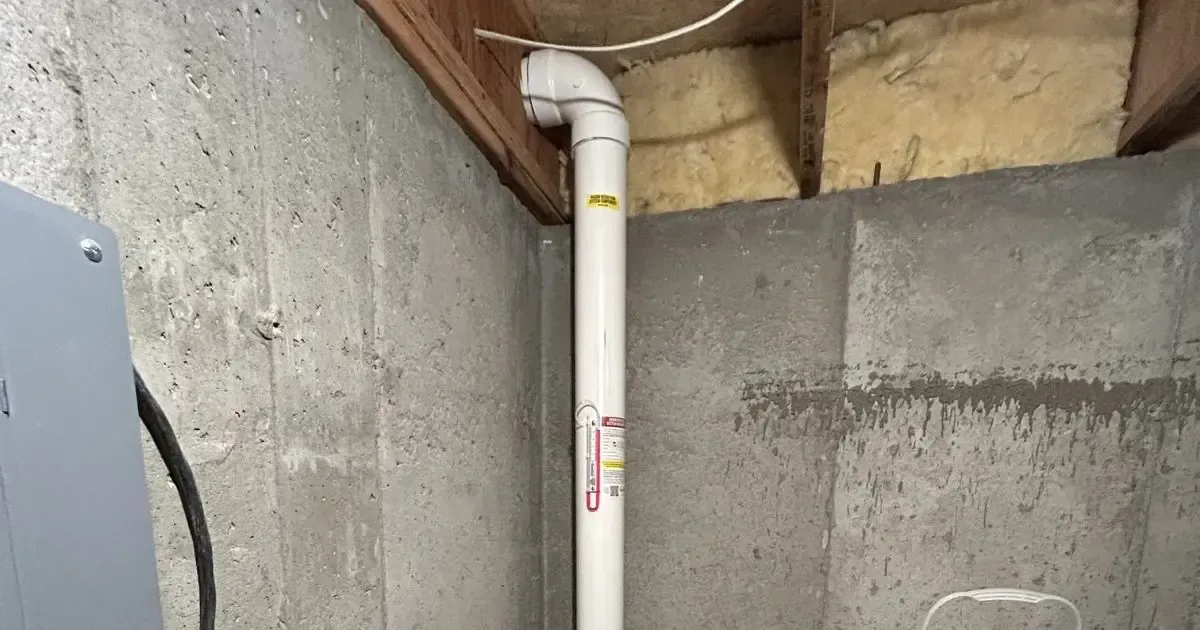
- Sub-Slab Depressurization: This method involves installing a vent pipe system and fan, which draws radon from beneath the house and releases it safely above the roofline.
- Sealing Cracks and Openings: By sealing the foundation, you can limit the entry points of radon, though this method is usually part of a comprehensive strategy rather than a standalone solution.
- Improving Ventilation: Increasing the airflow in a home can help reduce radon buildup, particularly in areas where radon levels are moderately high.
Once remediation is in progress, follow-up testing is essential. This ensures that the mitigation system works effectively and that radon levels remain within safe limits post-remediation.
Protecting Your Investment in Utah
Home ownership is likely one of your most significant investments. Beyond the financial aspect, ensuring the health and safety of your family is a top priority. A radon inspection is a wise step in maintaining both your investment’s value and your overall well-being.
How Radon Inspection Safeguards Your Investment
Here are some reasons why thorough radon inspection is key to protecting your home:
- Informed Purchase Decisions: A detailed radon report empowers you to make informed decisions about your property.
- Negotiation Leverage: If high radon levels are present, you have the option to request the seller address the issue or adjust the sale price accordingly.
- Future Marketability: Homes with documented radon inspections and remediation (if required) are more appealing to buyers in the future.
- Compliance and Safety: Meeting local and federal guidelines ensures that your home complies with health and safety regulations.
Given these benefits, consider scheduling your radon inspection early in the home-buying process. A professional inspector’s report not only highlights potential radon hazards but also offers expert advice on mitigation techniques tailored to the unique conditions of your Utah property.
Additional Considerations When Purchasing a Home in Utah
Beyond radon inspections, there are several factors you should keep in mind when purchasing a home:
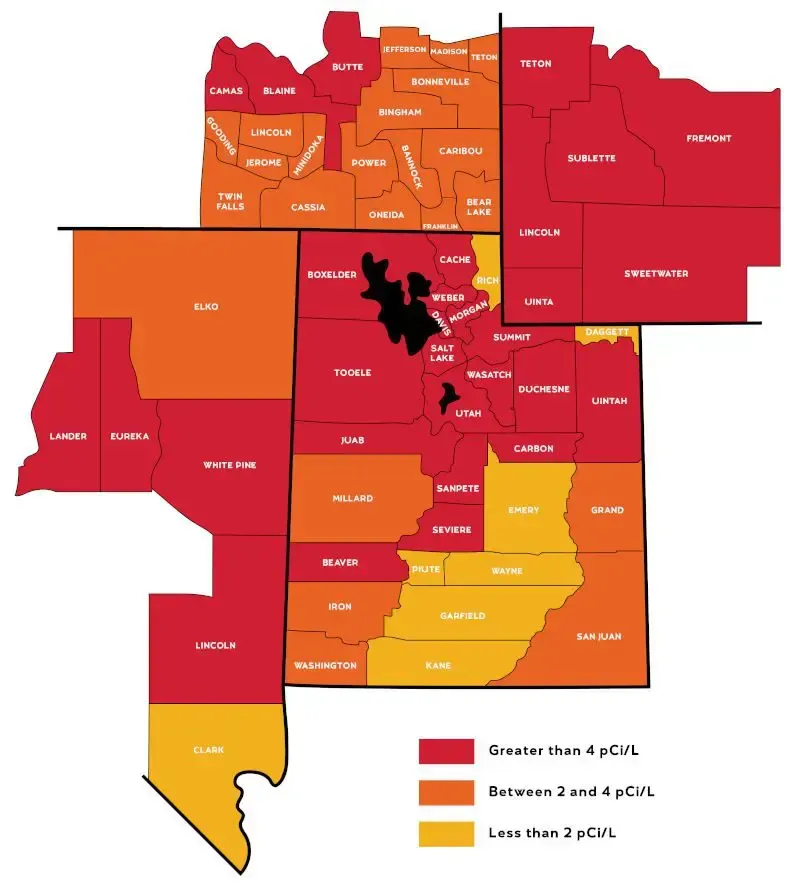
- Local Soil Composition: In certain parts of Utah, the local geology can contribute to higher radon concentrations. Researching the area can provide additional context.
- Building Practices: Older homes and some newer constructions may vary in how well they prevent radon seepage into living spaces.
- Regular Maintenance: Ensure that any existing radon mitigation systems receive regular maintenance as recommended by professionals.
While the focus here is on radon, a full home inspection will cover other critical aspects of property safety and functionality, such as structural integrity, electrical systems, and plumbing. A comprehensive property review ensures a well-rounded understanding of any potential issues.
Frequently Asked Questions About Radon Inspections in Utah
We understand that you may have several questions about radon inspections. Here are some of the most commonly asked questions along with clear, concise answers:
What is a Typical Radon Level in an Acceptable Home?
The EPA recommends that radon levels not exceed 4 pCi/L. Homes with levels below this value are generally considered safe, though testing periodically is wise to ensure that changes in usage or home modifications have not affected radon levels.
What Does a Radon Inspection Entail?
A proper radon inspection typically involves placing testing devices in the lowest level of the home, monitoring the radon levels over a prescribed period, and then analyzing the results to determine the concentration of radon present. An experienced inspector will also evaluate the home’s structure to identify any potential entry points where radon may be seeping in.
How Soon Can I Re-test After Mitigation?
After mitigation, it is recommended to wait at least 24 hours before re-testing. Some professionals suggest a follow-up test a few weeks post-mitigation to ensure that radon levels are consistently within safe limits. This follow-up reassessment is crucial for confirming the long-term effectiveness of the remediation system.
Are There Seasonal Variations in Radon Levels?
Yes,
radon levels can vary depending on the season.
Winter months may show higher levels due to reduced ventilation as people keep windows and doors closed for heating. Therefore, understanding these variations and choosing the most representative time for testing is important for accurate assessment.
Conclusion
Making a well-informed decision when buying a home is imperative, and a radon inspection is a critical component of that process. By following this Utah Radon Inspection Checklist, you are taking an essential step toward safeguarding your future home and ensuring a healthy living environment for you and your family.
Remember, even though radon is invisible and odorless, its effects are very real. Protect your investment by ensuring that your home is free from harmful radon levels. Don’t hesitate to reach out to experienced professionals who can provide the thorough inspection and subsequent remediation if required.
We are here to help you navigate every step of the home buying process with confidence and clarity. For more information, or to schedule your inspection, please
get in touch with us today. Your safety and the long-term value of your home are our top priorities.
Get a Free Quote
![Blue periodic table tile for radon, element 86, with symbol Rn and mass [222].](https://le-cdn.hibuwebsites.com/09c3a4288d5947b58ca8220076f73b94/dms3rep/multi/opt/radon-periodic-table-rn-86-radon-be-gone-1920w.webp)